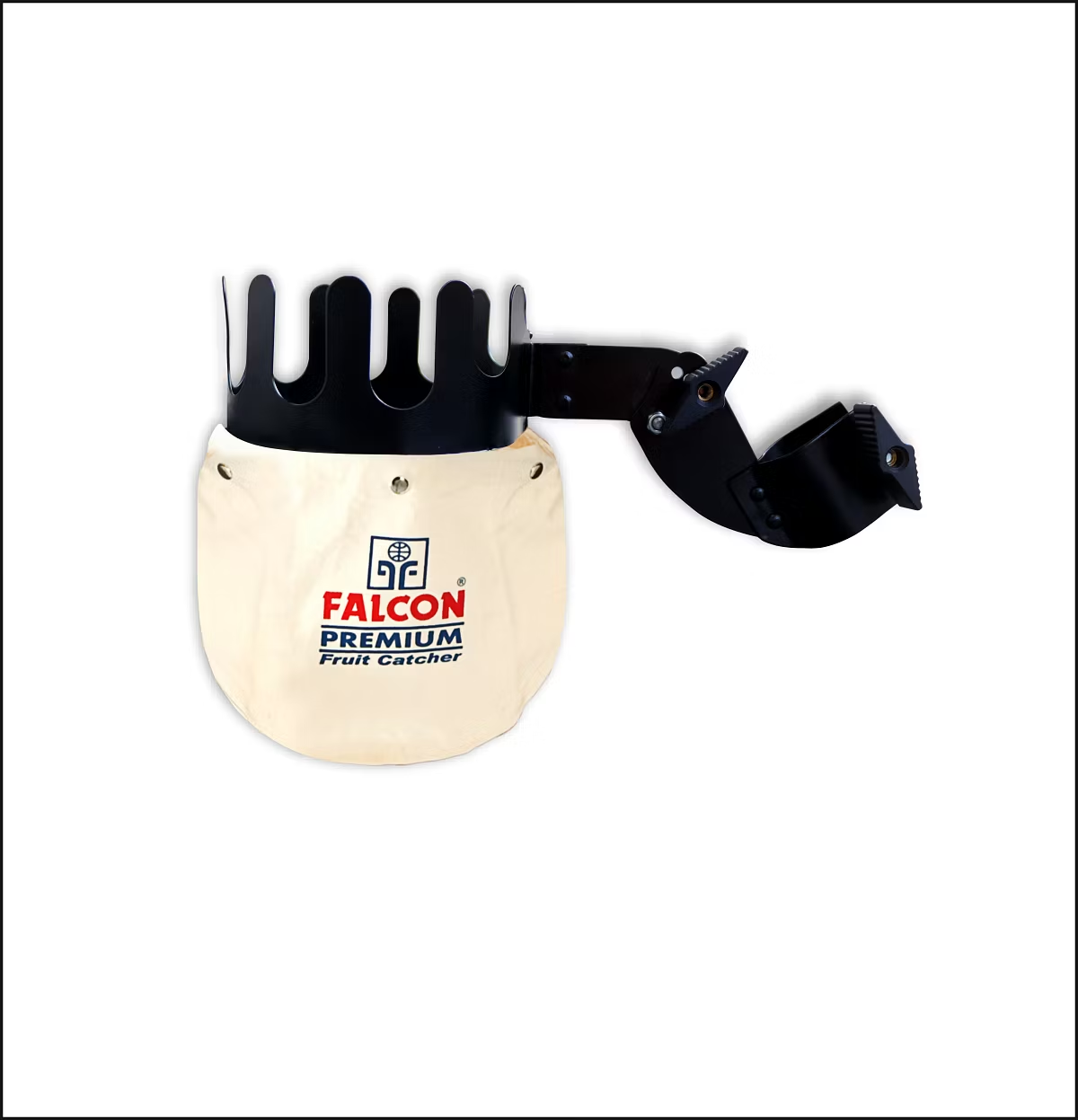
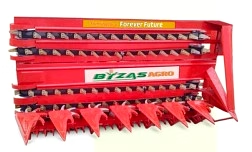
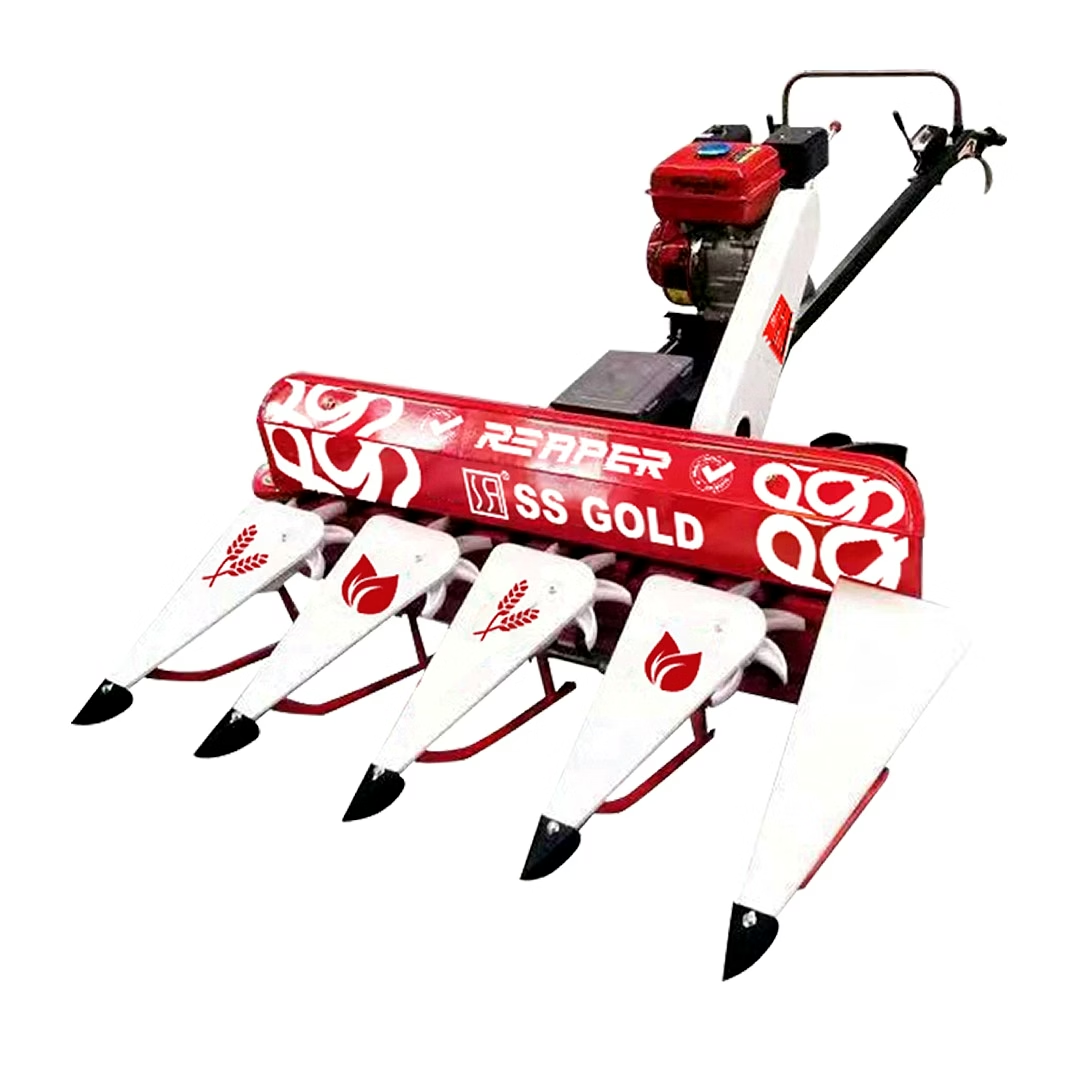
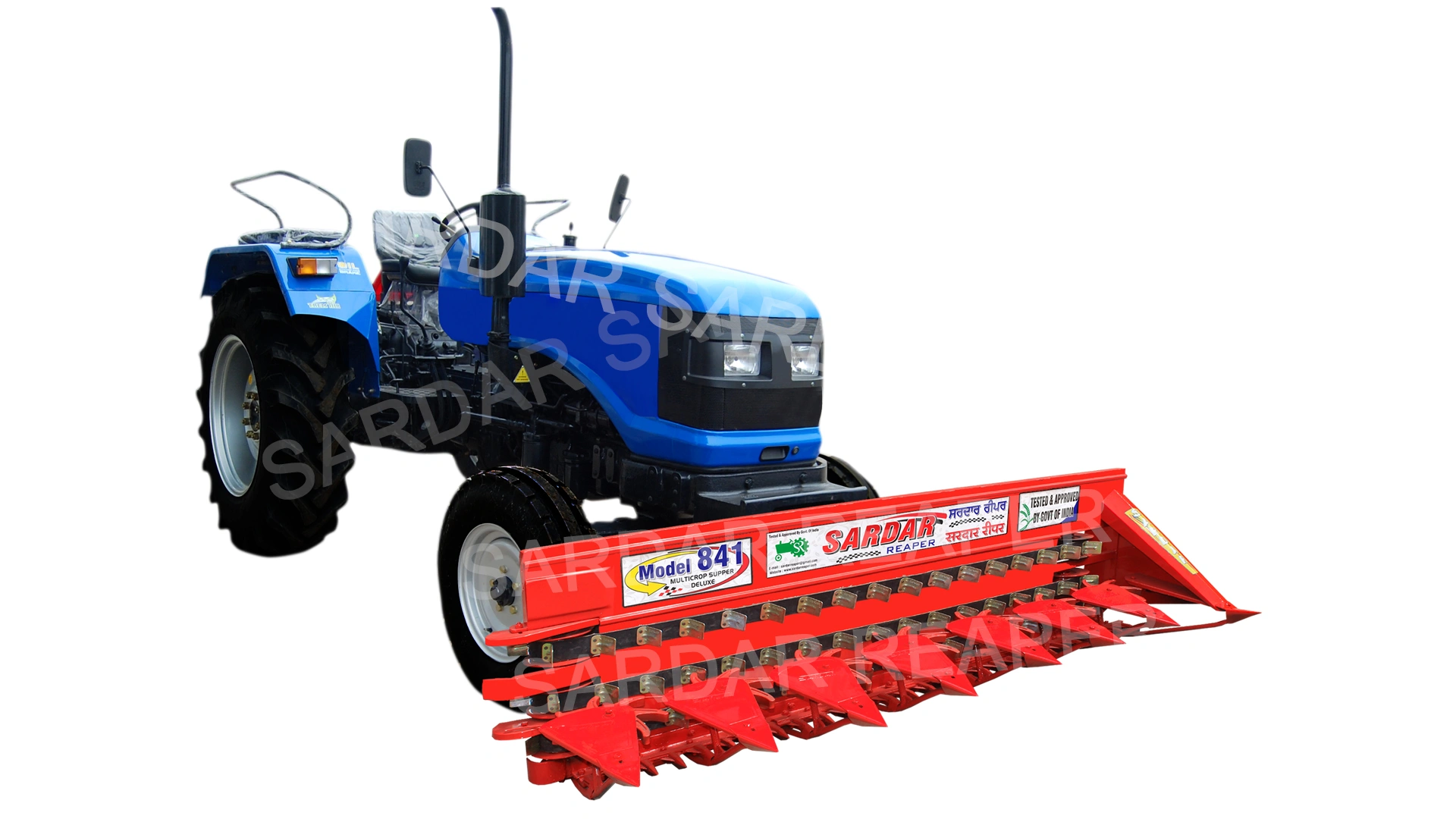
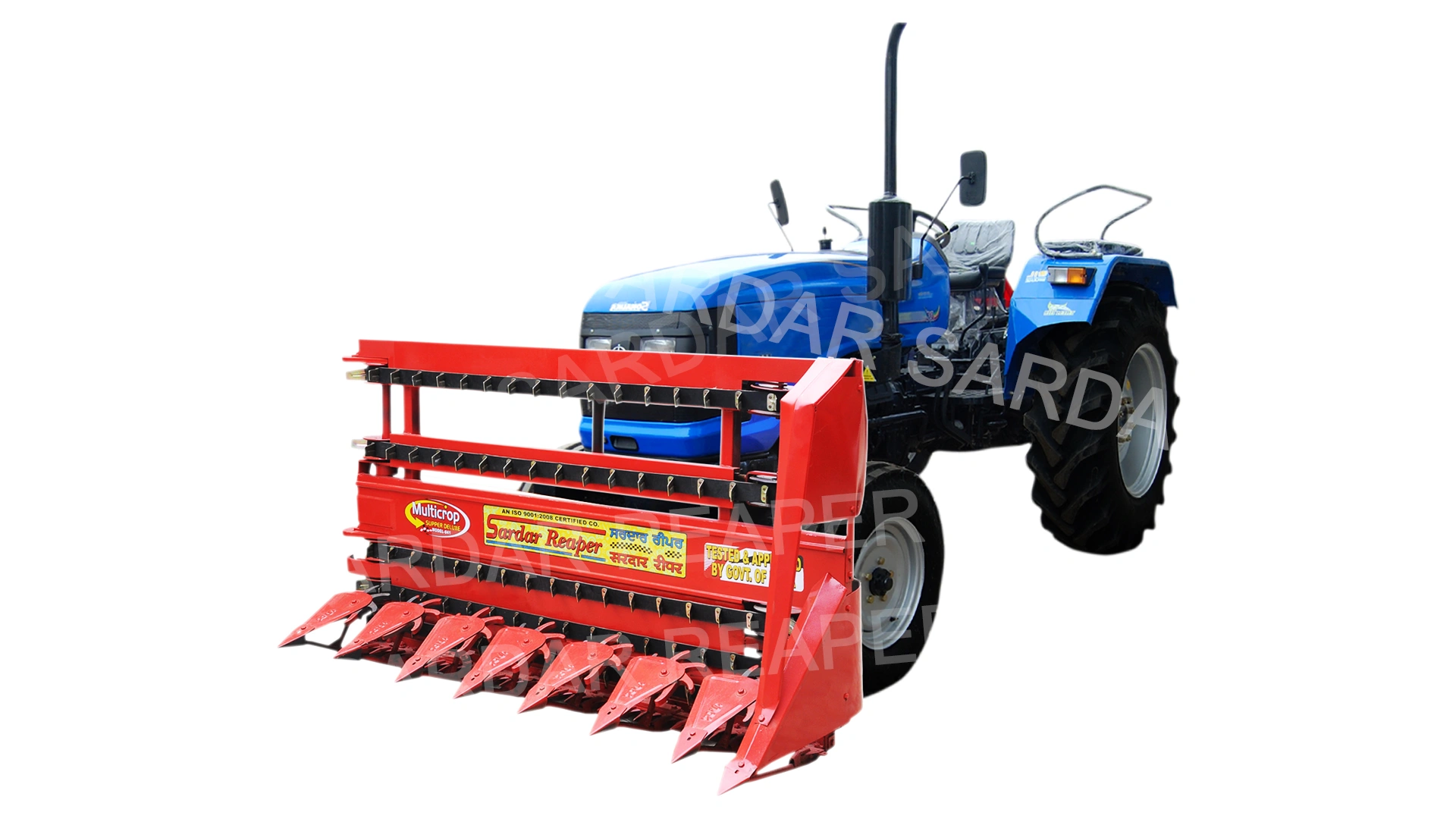
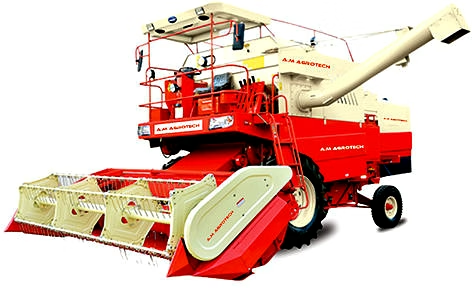
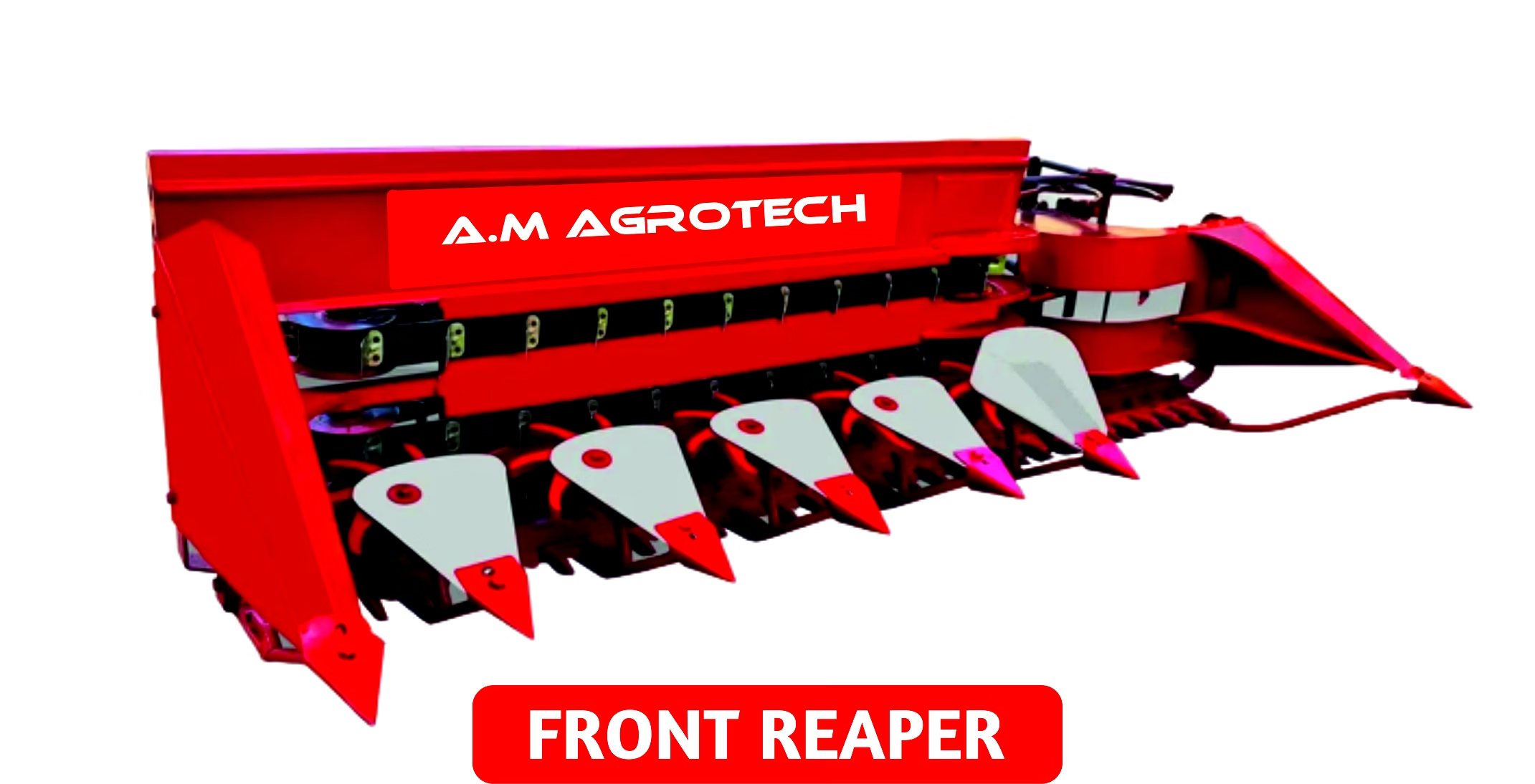
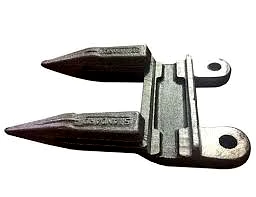
A harvester finger is a high-strength, precision-engineered agricultural component designed specifically for the cutting and gathering sections of combine harvesters and other harvesting machinery. It plays a critical role in efficiently guiding stalks and crops into the cutter bar assembly, ensuring smooth and continuous harvesting operations. Manufactured from durable materials—often hardened steel or alloy steel—harvester fingers are built to resist wear, corrosion, and mechanical stress caused by abrasive crop materials and field conditions. Their robust design minimizes downtime by reducing breakage and maintenance requirements, thereby enhancing harvesting productivity and operational efficiency. Suitable for various types of crops including wheat, barley, corn, and other grains, harvester fingers are compatible with multiple models of combine harvesters, offering an essential upgrade for agricultural businesses aiming to optimize their harvesting process with reliable, high-performance components.
Key Features
| Features | Description |
|---|---|
| Material | Hardened steel or alloy steel for enhanced durability and wear resistance |
| Precision Engineering | Designed to fit exact models of combine harvesters for optimal crop guidance |
| Corrosion Resistance | Treated surfaces to prevent rust and extend product lifespan |
| Compatibility | Compatible with a wide range of combine harvester cutter bar assemblies |
| Durability | High mechanical strength ensures resistance to abrasion and breakage under heavy field conditions |
| Efficiency Enhancement | Facilitates smooth and continuous crop feeding into cutting mechanisms, reducing downtime |
| Easy Installation | Designed for quick replacement and minimal maintenance |
| Application | Ideal for harvesting wheat, corn, barley, and other grain crops |
| Attributes | Description |
|---|---|
| Material Type | Hardened Steel / Alloy Steel |
| Length | Typically 50-100 mm (varies by model) |
| Width | Approximately 10-20 mm (depends on specific machine design) |
| Thickness | 4-6 mm, optimized for strength and flexibility |
| Weight | Lightweight design to prevent excessive load on machinery |
| Surface Treatment | Heat-treated and coated for corrosion resistance |
| Compatible Machines | Combine Harvester Models from leading manufacturers |
| Installation Type | Bolt-on or clip-on depending on harvester design |
| Operational Temperature Range | -20°C to 60°C |
| Warranty | Typically 6-12 months depending on supplier |
*Disclaimer: The above description has been AI-generated and has not been audited or verified for accuracy. It is recommended to verify product details independently before making any purchasing decisions.
The harvester finger is typically manufactured using hardened steel or alloy steel, which provides excellent durability, wear resistance, and corrosion protection.
The harvester finger is designed to be compatible with a wide range of combine harvester models, but compatibility can vary. It is recommended to verify specific model compatibility before purchase.
By precisely guiding stalks and crops into the cutter bar assembly, the harvester finger ensures smoother and faster cutting action, reducing crop loss and mechanical downtime.
The harvester finger requires minimal maintenance due to its corrosion-resistant coating and durable construction, but regular inspections for wear and timely replacements are recommended to maintain performance.
Yes, the harvester finger typically features bolt-on or clip-on installation methods, allowing for quick replacement or fitting during routine maintenance.
Dimensions vary by harvester model but generally feature lengths between 50-100 mm, widths from 10-20 mm, and thicknesses of 4-6 mm, designed to be lightweight to avoid overloading the machinery.
Country Of Origin: India
A harvester finger is a durable, precision-engineered component of agricultural harvesting machinery (such as a combine harvester's cutter bar assembly) that is essential for efficiently gathering and guiding crops into the cutting and processing mechanisms.