Inclusive of all taxes
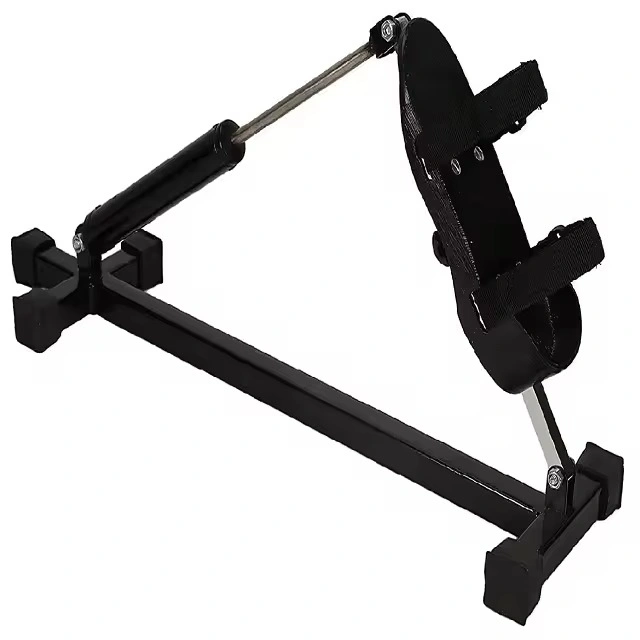
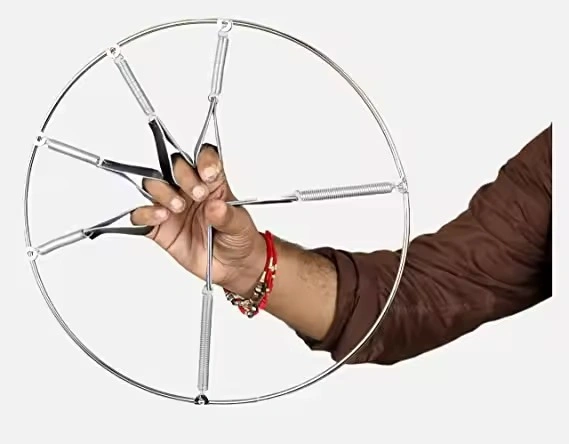
The Hand Physiotherapy & Hand Paralysis Rehabilitation Training program focuses on improving hand functionality through targeted exercises and grip techniques. This training covers essential hand grips including Power grip, Pinch grip, Hook grip, Key grip, and others that involve finger and palm coordination. Designed for patients recovering from hand paralysis or hand injuries, this rehabilitation training aids in regaining strength, dexterity, and precise control of hand movements. The training emphasizes practical application by simulating real-life object handling such as holding a hammer, picking up small items like coins, weightlifting grips, and managing everyday objects like keys, handles, and cylindrical items. With structured progression, this therapeutic regimen supports neuroplasticity and muscle re-education to enhance independence and manual tasks performance.
Key Features
| Features | Description |
|---|---|
| Focus Area | Hand paralysis and physiotherapy rehabilitation |
| Grip Types Covered | Power grip, Pinch grip, Hook grip, Key grip, Cylindrical grip, Lateral pinch grip |
| Therapeutic Benefit | Improves hand strength, dexterity, and coordination |
| Target Users | Patients recovering from hand paralysis or hand injuries |
| Training Method | Functional grip exercises simulating daily object handling |
| Rehabilitation Goal | Restore manual skills and hand independence |
| Application | Useful in physical therapy clinics, rehabilitation centers, and home-based therapy |
| Customization | Adjustable exercise intensity and grip variations |
| Outcome | Enhanced neuroplasticity and muscle re-education for improved hand function |
| Attributes | Description |
|---|---|
| Grip Types Included | Power grip, Pinch grip, Hook grip, Key grip, Cylindrical grip, Lateral pinch grip |
| Session Format | Guided therapeutic exercises often complemented by professional physiotherapy |
| Duration | Variable depending on patient needs and recovery status |
| Equipment Requirement | Minimal; uses everyday objects or therapy tools |
| Training Setting | Clinics, rehab centers, and home environments |
| Skill Level | Beginner to advanced based on paralysis severity |
| Intended Outcome | Improvement in grip strength, fine motor skills, and hand usability |
*Disclaimer: The above description has been AI-generated and has not been audited or verified for accuracy. It is recommended to verify product details independently before making any purchasing decisions.
The training covers power grip, pinch grip, hook grip, key grip, cylindrical grip, and lateral pinch grip, targeting various hand and finger coordination skills.
Yes, the training can be customized to match the paralysis severity, ranging from beginner exercises for severe cases to advanced grip techniques for milder conditions.
Yes, the program uses minimal equipment and everyday objects like coins, hammers, and cards, making it suitable for home-based rehabilitation under professional guidance.
It enhances muscle strength, fine motor skills, and neuroplasticity through repetitive grip exercises simulating real-life activities, promoting hand independence.
It is suitable for both clinical settings and individual home therapy, providing flexibility in application and progression based on patient needs.
Brand: iris
Country Of Origin: India
1. Power grip: This is a grip where you wrap your fingers around an object and squeeze it with your palm. This grip is used when you need to hold onto something tightly, such as a hammer or a tennis racket.
2. Pinch grip: This grip involves using your fingers to pinch an object between your thumb and one or more fingers. This grip is commonly used when picking up small objects, such as a coin or a pencil.
3. Hook grip: This grip involves wrapping your fingers around an object and using your fingertips to hook onto it. This grip is commonly used in weightlifting, where it is used to grip the barbell.
4. Key grip: This grip involves using your hand to hold onto an object as if you were holding a key. This grip is commonly used when holding onto a handle, such as a suitcase handle.
This grip involves holding an object between your fingers and the base of your palm, with your thumb not being involved. This grip is commonly used when holding onto cylindrical objects, such as a hammer or a spray can. This grip involves using your thumb and side of the index finger to pinch an object between them. This grip is commonly used when grasping thin or flat objects such as a card, a sheet of paper or a phone.
These are just a few examples of hand and finger grips. There are many other variations and combinations depending on the activity, the object being held, and the individual's preferences and needs.
Inclusive of all taxes
You Save: 0