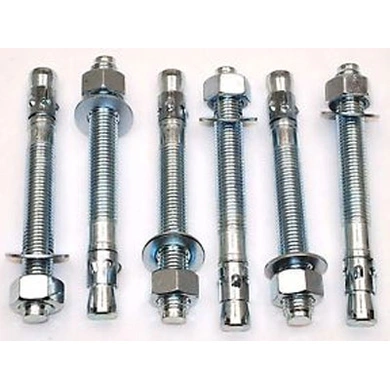
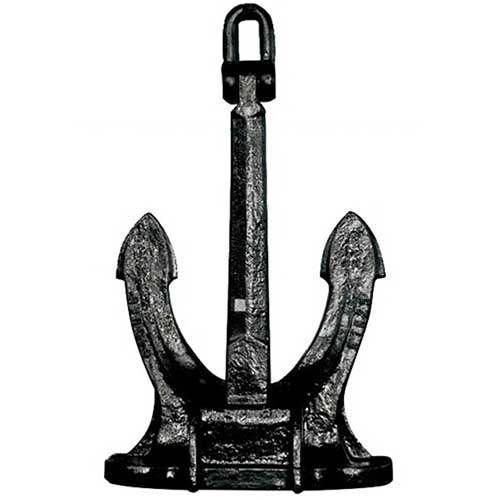
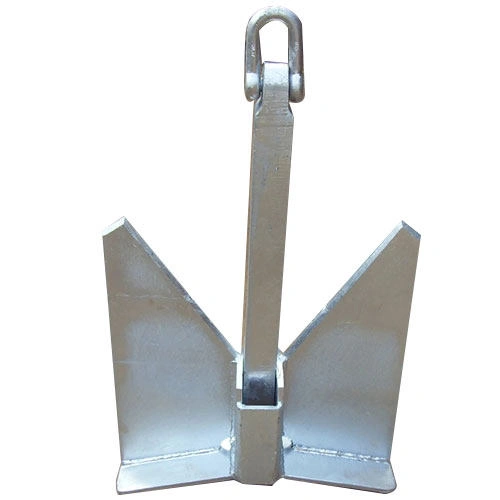
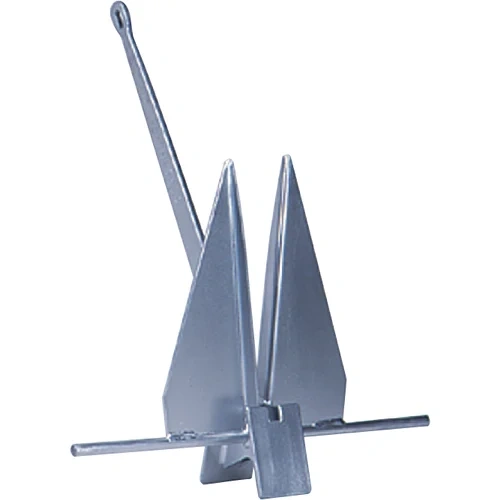
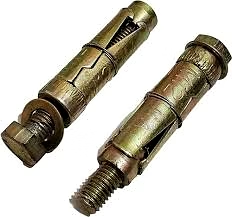
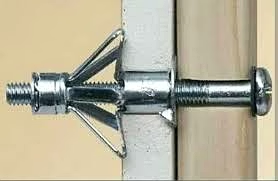
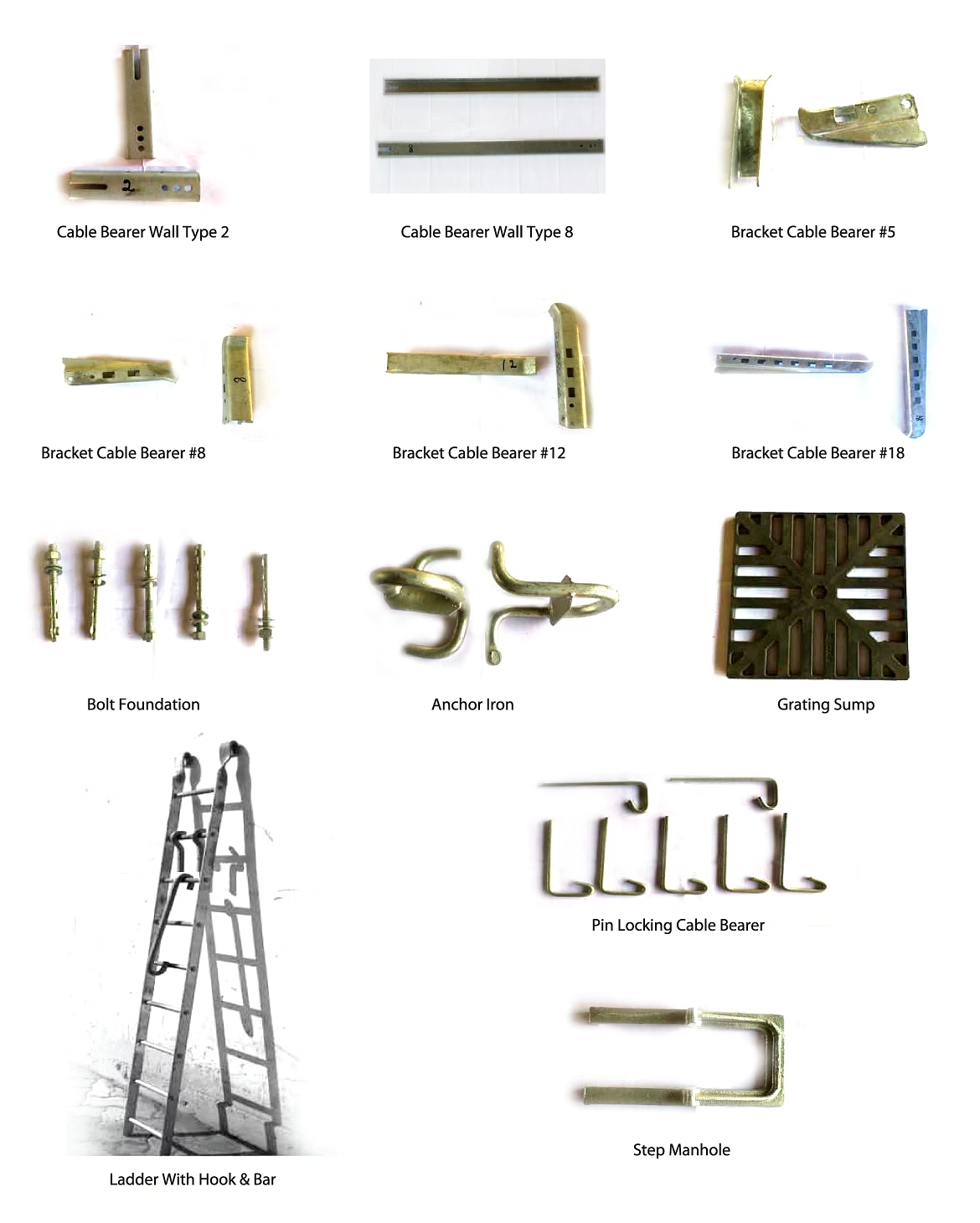
Ground anchors are engineered soil and structural stabilization devices designed to transfer tensile loads from a structure into the surrounding ground. They are widely used in retaining walls, slope stabilization systems, foundation reinforcement, excavation support, and other geotechnical applications where additional holding capacity and long-term stability are required. This product is specifically intended for projects that need reliable anchorage in soil or rock conditions. Depending on the site requirement, ground anchors may be supplied in mechanical format, such as helical plates or expansion shells, or as grouted anchors, where a steel tendon is bonded into the ground using grout for secure load transfer. The choice of anchor type depends on load demand, soil profile, installation method, and environmental exposure. For B2B buyers, ground anchors are essential in civil engineering, geotechnical construction, infrastructure development, and structural rehabilitation projects. They help improve safety, reduce ground movement, and provide dependable resistance against uplift, overturning, and lateral forces. Because performance depends heavily on correct design and installation, these anchors are typically specified by engineering requirement rather than by general-purpose use. Ground anchors are a practical solution for contractors, structural engineers, and infrastructure suppliers looking for durable anchorage systems that can be tailored to project-specific conditions. Their primary value lies in delivering strong, dependable load transfer where conventional support methods are insufficient.
Key Features
| Features | Description |
|---|---|
| Load Transfer Function | Transfers tensile loads from structures into the ground for stability and support. |
| Application Areas | Used in retaining walls, slope stabilization, foundation reinforcement, and excavation support. |
| Anchor Types | Available as mechanical anchors or grouted anchors depending on project requirements. |
| Site-Specific Design | Selected based on soil conditions, load requirements, and environmental considerations. |
| Structural Stability | Helps resist uplift, overturning, and lateral movement in civil and geotechnical works. |
| Attributes | Description |
|---|---|
| Product Type | Ground Anchors |
| Primary Function | Tensile load transfer to ground |
| Anchor Variants | Mechanical anchors, Grouted anchors |
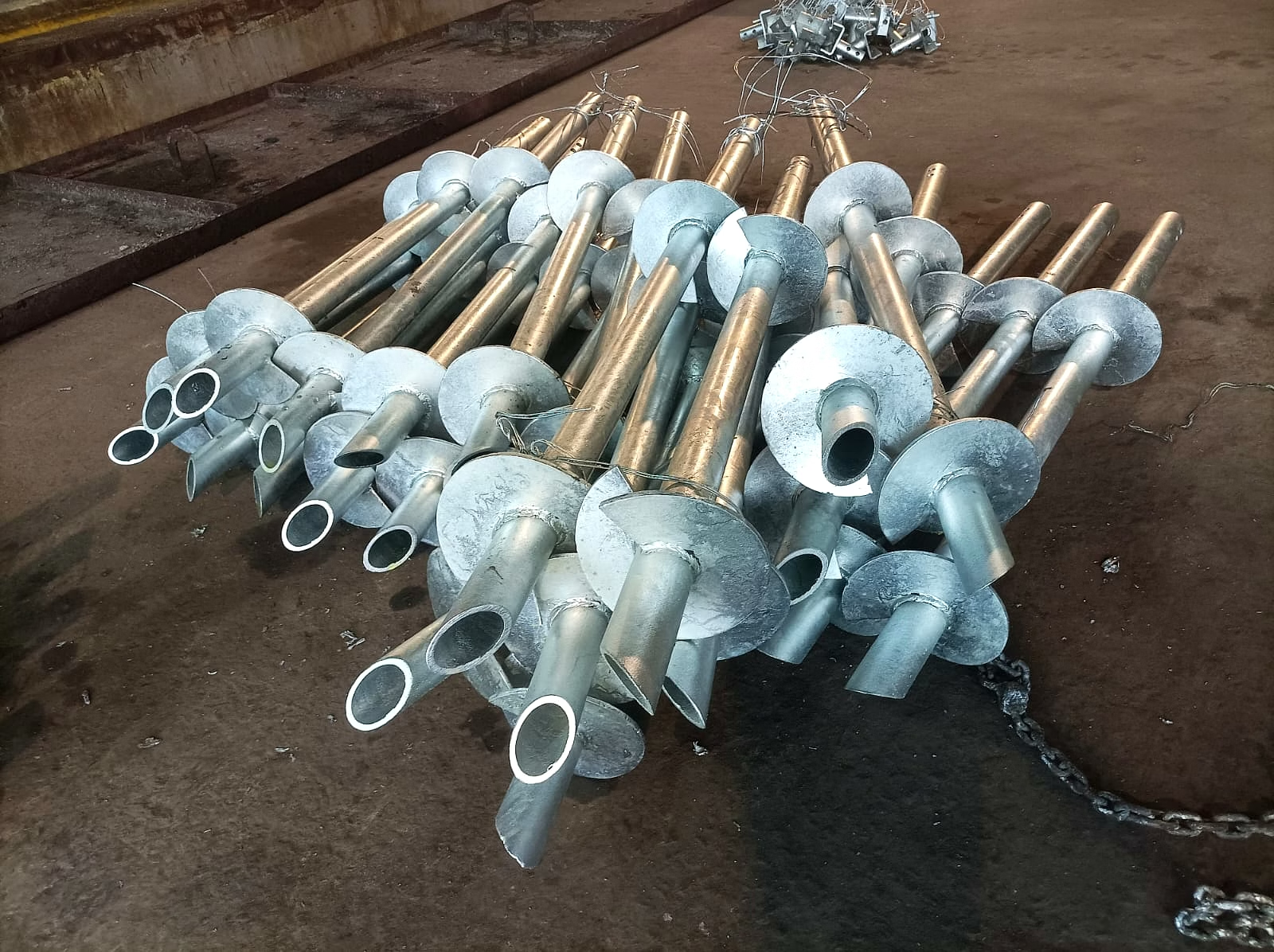
| Mechanical Anchor Design | Helical plates or expansion shells |
| Grouted Anchor Design | Steel tendon bonded with grout |
| Common Applications | Retaining walls, slope stabilization, foundation reinforcement |
| Selection Criteria | Soil conditions, load requirements, environmental considerations |
| Installation Requirement | Proper engineering design and installation |
| Use Sector | Civil engineering and geotechnical construction |
*Disclaimer: The above description has been AI-generated and has not been audited or verified for accuracy. It is recommended to verify product details independently before making any purchasing decisions.
Ground anchors are used to transfer tensile loads from a structure into soil or rock, improving stability and helping resist uplift, lateral movement, and overturning forces.
Mechanical ground anchors use helical plates or expansion shells to gain holding capacity, while grouted anchors rely on a steel tendon bonded to the surrounding ground with grout for load transfer.
Grouted anchors are generally preferred when the project requires a bonded anchorage system in soil or rock and the site conditions support grout-based load transfer for long-term stability.
Soil strength, rock quality, and environmental exposure directly affect performance, so the anchor type must match the ground conditions and intended load requirements.
Ground anchors are commonly used in retaining walls, slope stabilization projects, foundation reinforcement, and excavation support systems.
Country Of Origin: India