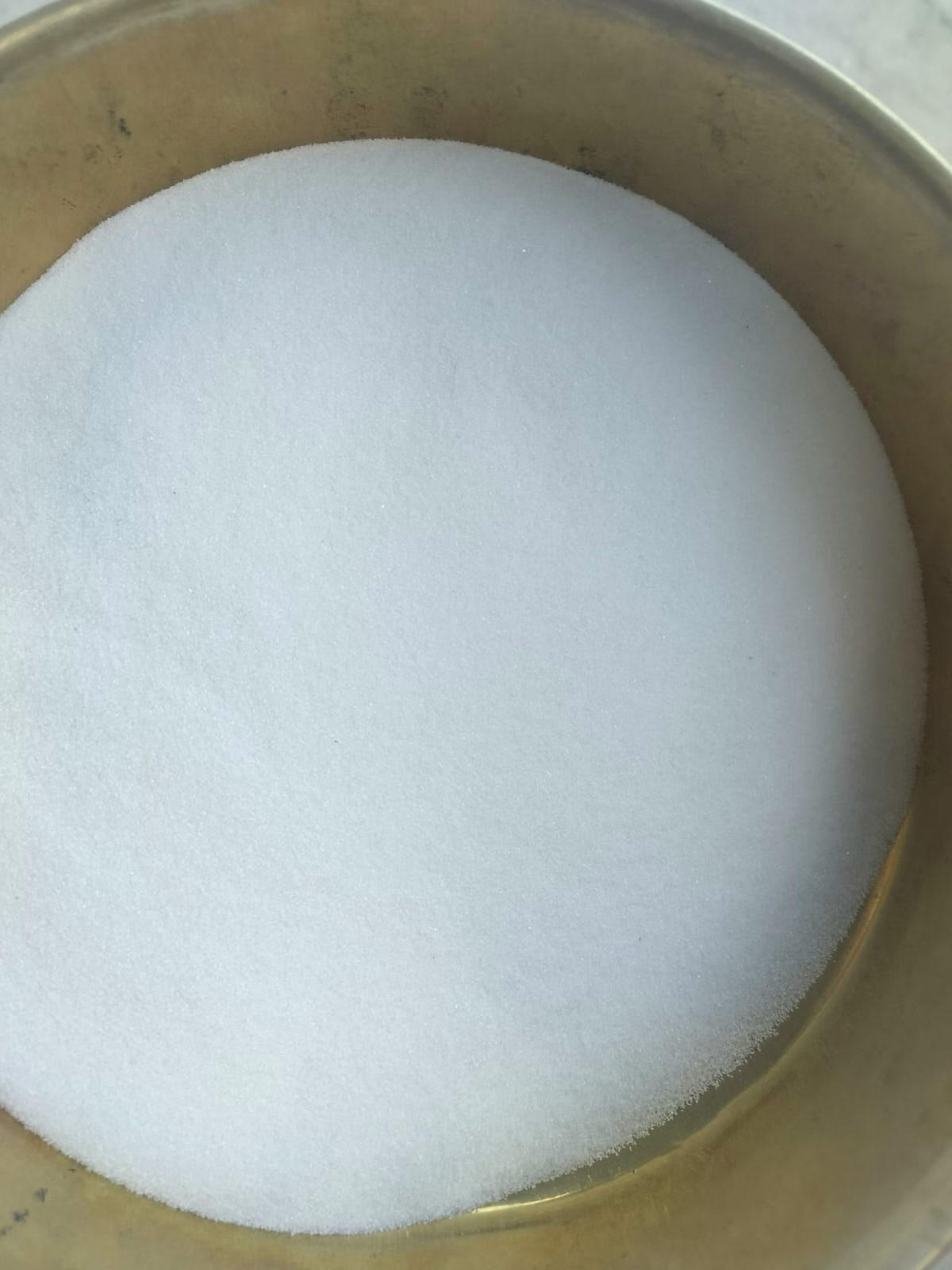
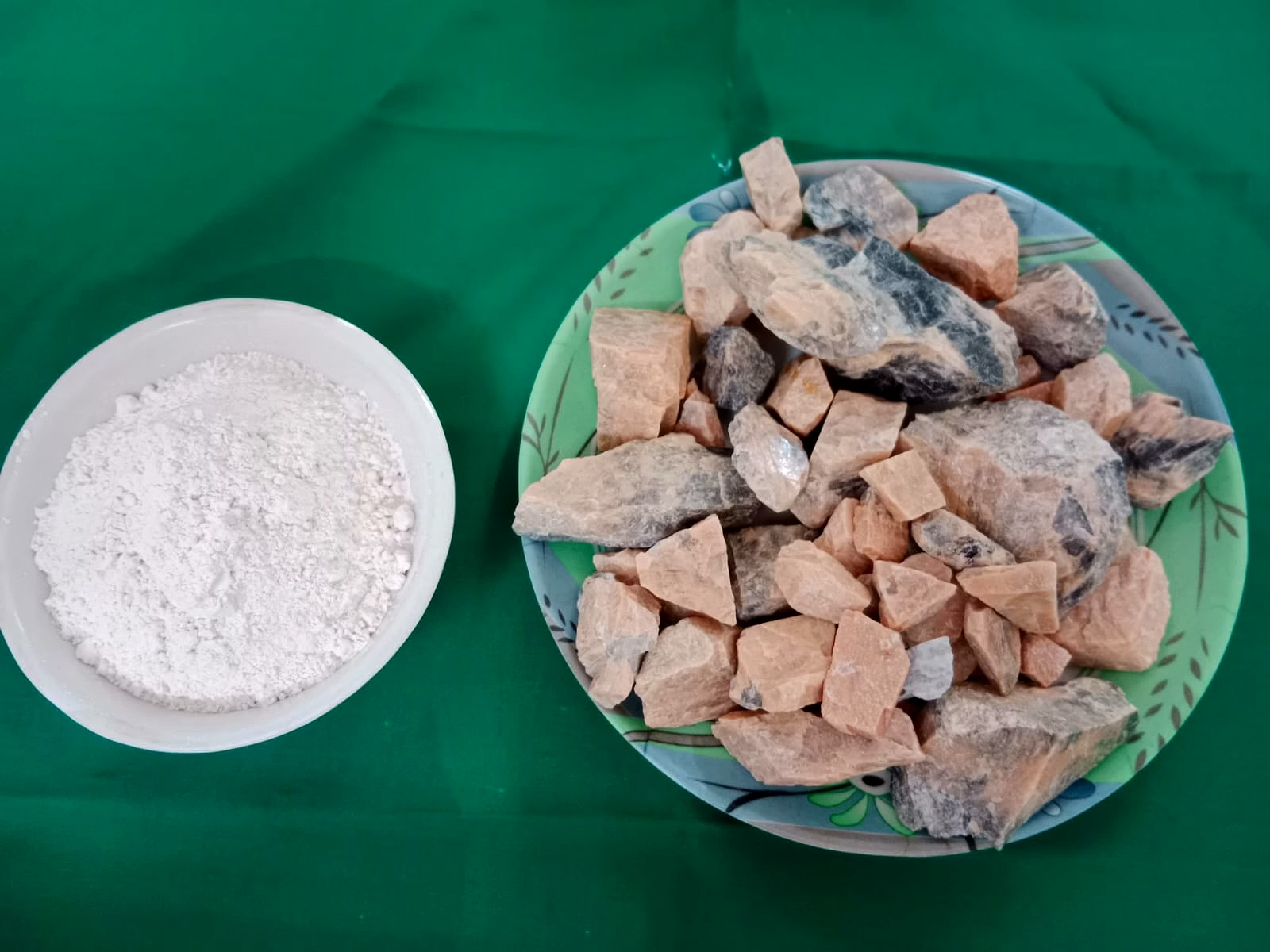
Ground Granulated Blast Furnace Slag (GGBFS) is a finely ground, non-metallic granular product obtained by quenching molten iron slag (a by-product of blast-furnace smelting) from iron production in water or steam to produce a glassy, granular product that is then dried and ground into a fine powder. GGBFS is widely used as a sustainable supplementary cementitious material in the construction industry. It enhances the durability, workability, and sustainability of concrete by reducing clinker usage and improving resistance to sulfate attack and chloride ingress. Its use significantly reduces the carbon footprint of concrete production, making it a preferred choice for green building projects. GGBFS contributes to improved long-term strength development and produces low heat of hydration, ideal for large concrete pours and mass concrete structures.
Key Features
| Features | Description |
|---|---|
| Material Type | Ground Granulated Blast Furnace Slag (GGBFS) |
| Appearance | Fine, vitreous powder with a light to dark gray color |
| Source | By-product of blast furnace ironmaking process |
| Fineness | Typically 350-450 m²/kg Blaine |
| Specific Gravity | Approximately 2.8 to 2.9 |
| Benefits | Improves concrete durability, reduces permeability, low heat of hydration, eco-friendly |
| Typical Usage Proportion | 30-70% replacement of Portland cement in concrete |
| Application | Used in concrete, mortar, cement blends, and cementitious products |
| Environmental Impact | Reduces CO2 emissions by lowering cement clinker content |
| Storage | Keep dry and protected from moisture to maintain quality |
| Attributes | Description |
|---|---|
| Chemical Composition | Main oxides: CaO, SiO2, Al2O3, MgO |
| Loss on Ignition | <5% |
| Moisture Content | <1% |
| Activity Index (28 days) | Typically >75% compared to control cement |
| pH Value | 12-13 |
| Packaging | Bulk, 25kg or 50kg bags |
| Color | Light to dark gray |
| Storage Conditions | Stored in dry, moisture-free environment |
| Standards Compliance | Conforms to IS 12089 and ASTM C989 |
*Disclaimer: The above description has been AI-generated and has not been audited or verified for accuracy. It is recommended to verify product details independently before making any purchasing decisions.
GGBFS is commonly used to replace 30% to 70% of Portland cement in concrete mixes to enhance durability and sustainability.
Yes, GGBFS must be stored in a dry and moisture-proof environment to preserve its quality and prevent premature hydration.
GGBFS contributes to a lower heat of hydration compared to ordinary Portland cement, which is beneficial for mass concrete pours and improves cracking resistance.
Yes, this GGBFS product conforms to Indian Standard IS 12089 and meets quality requirements per ASTM C989.
Using GGBFS reduces the demand for Portland cement clinker, thereby lowering carbon emissions and improving sustainability in construction.