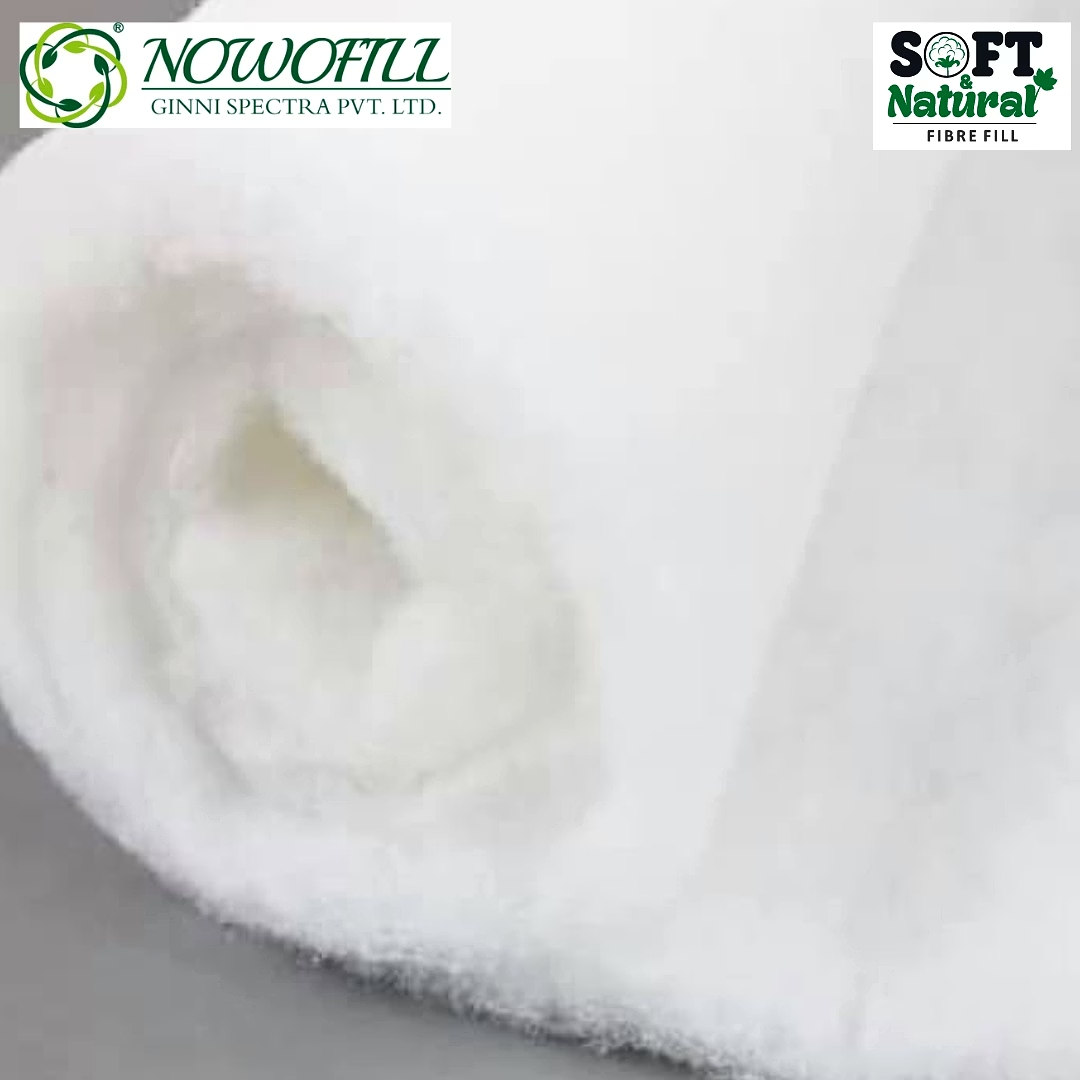
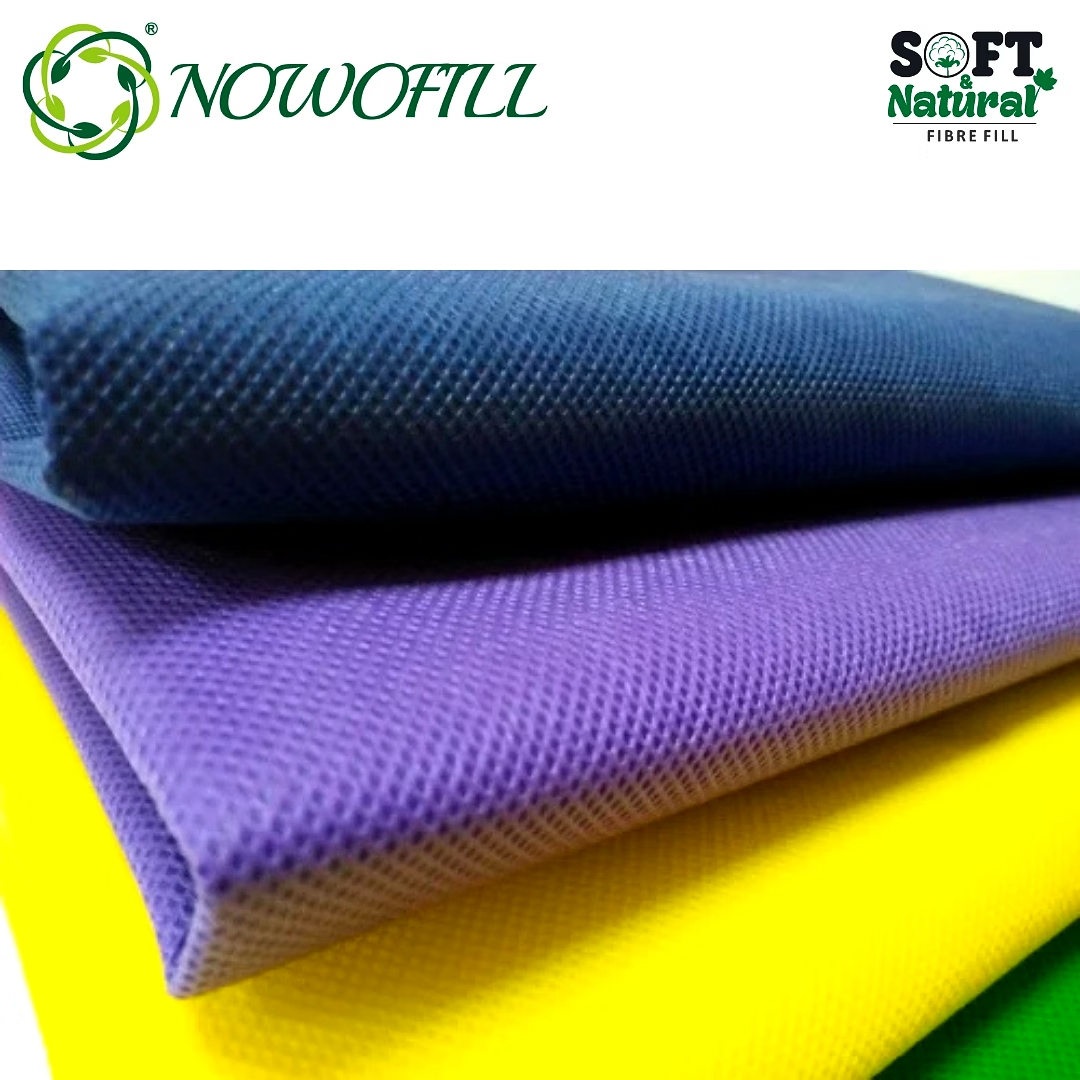
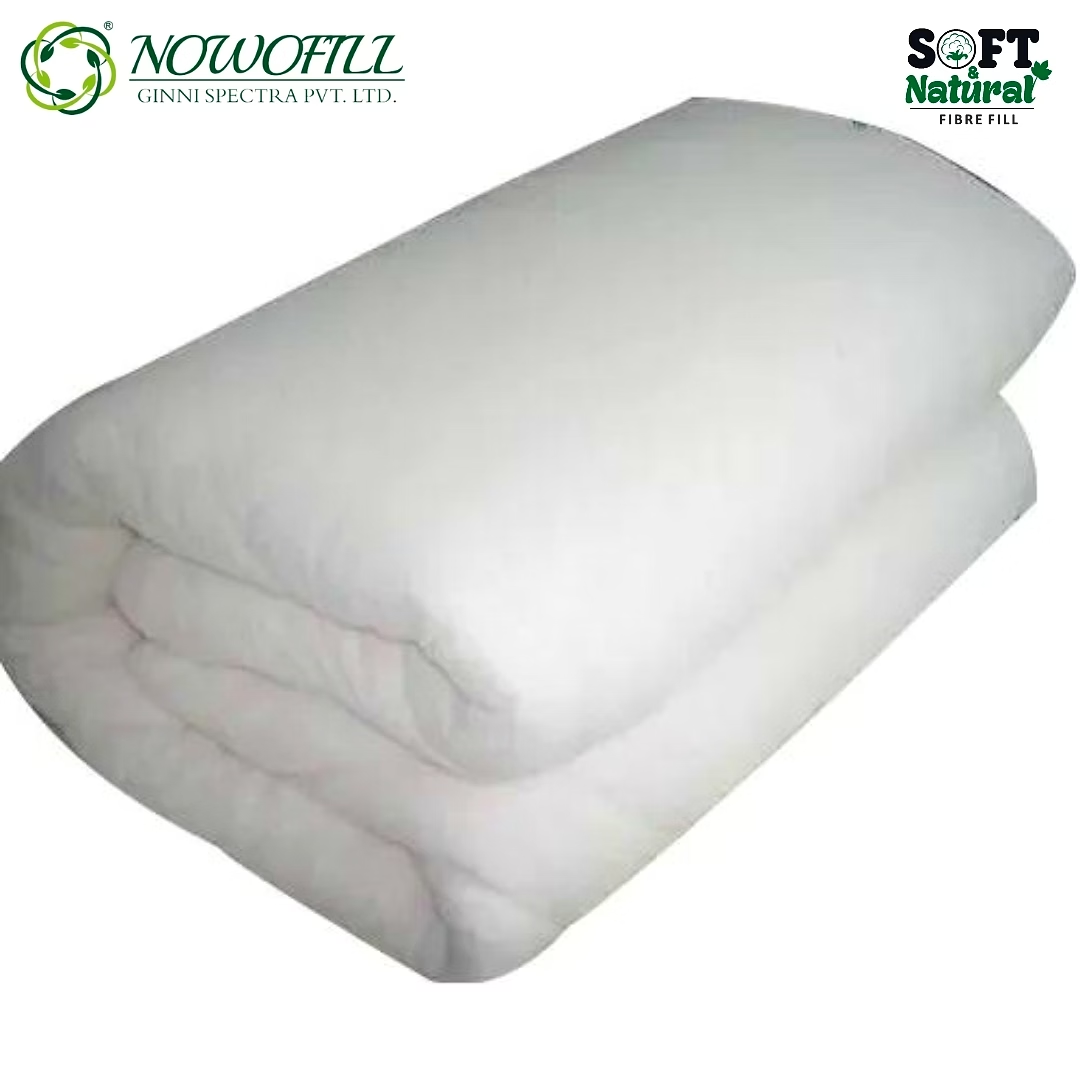
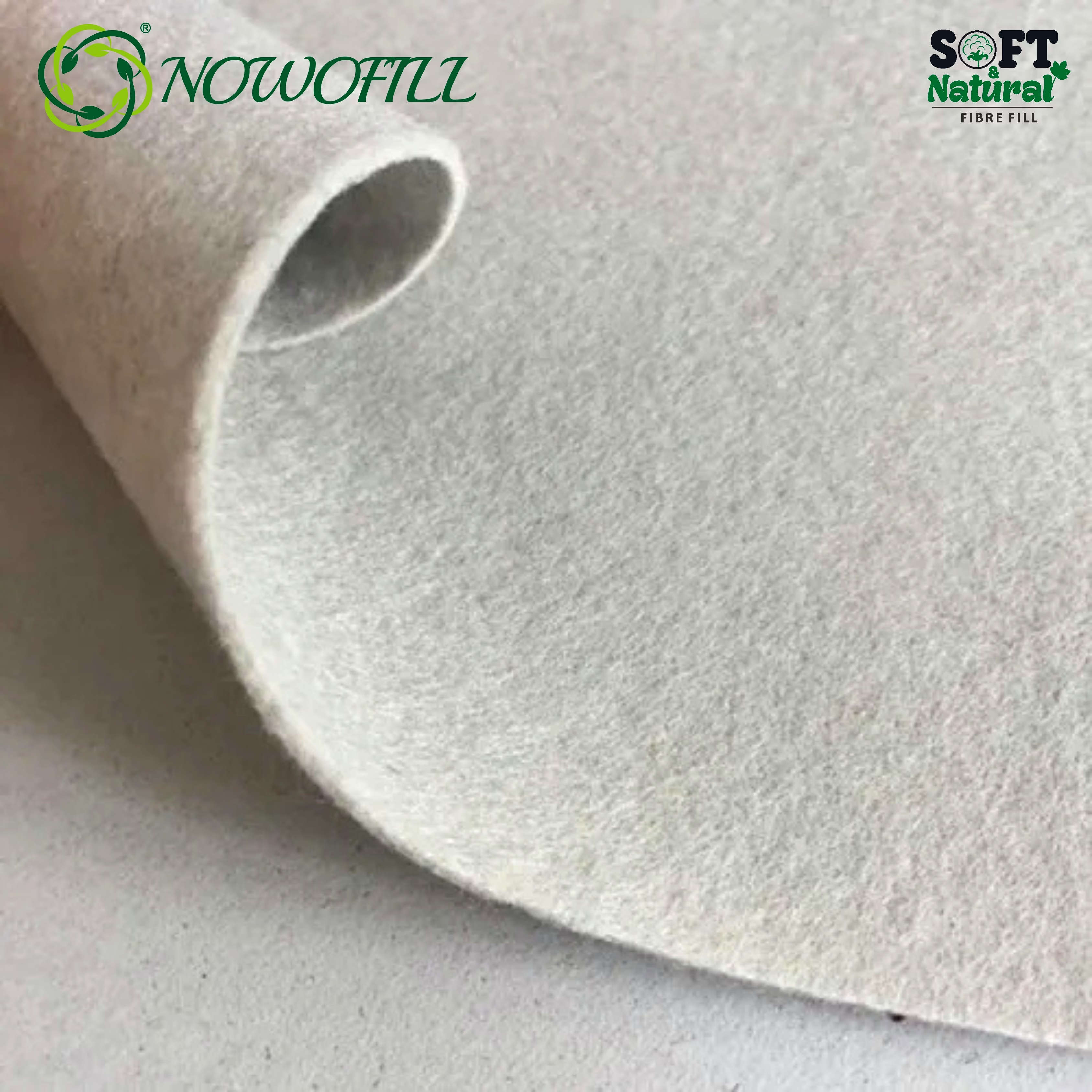
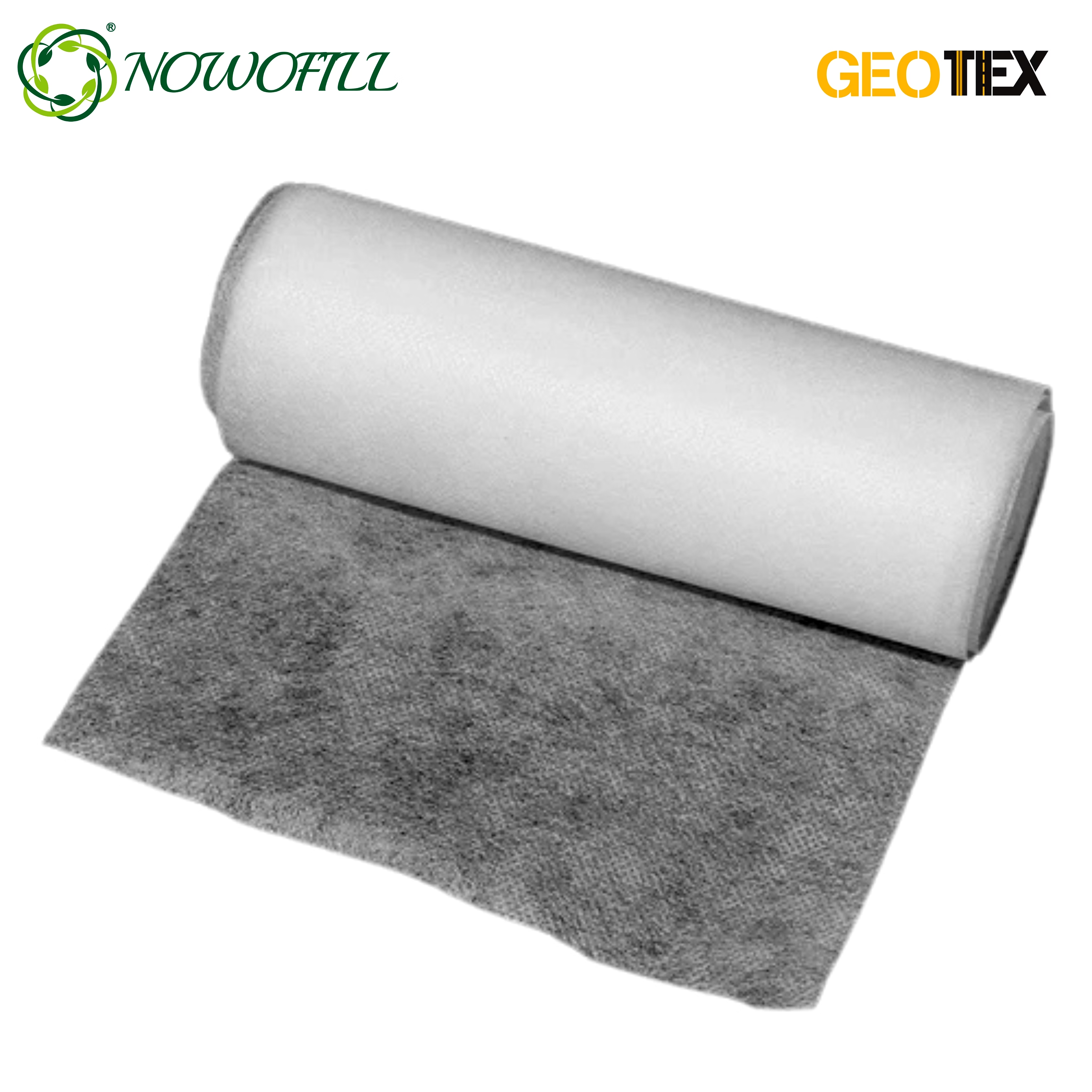
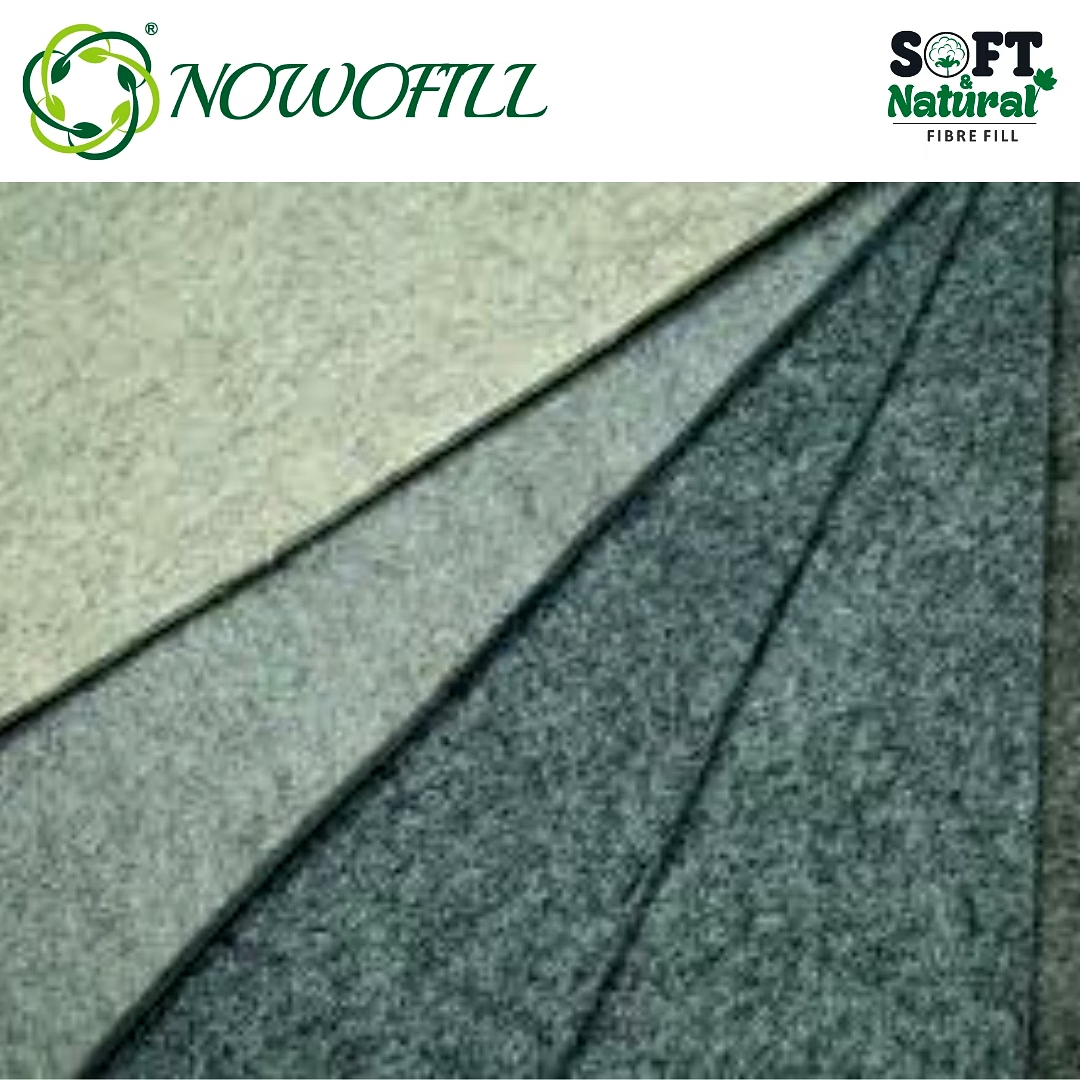
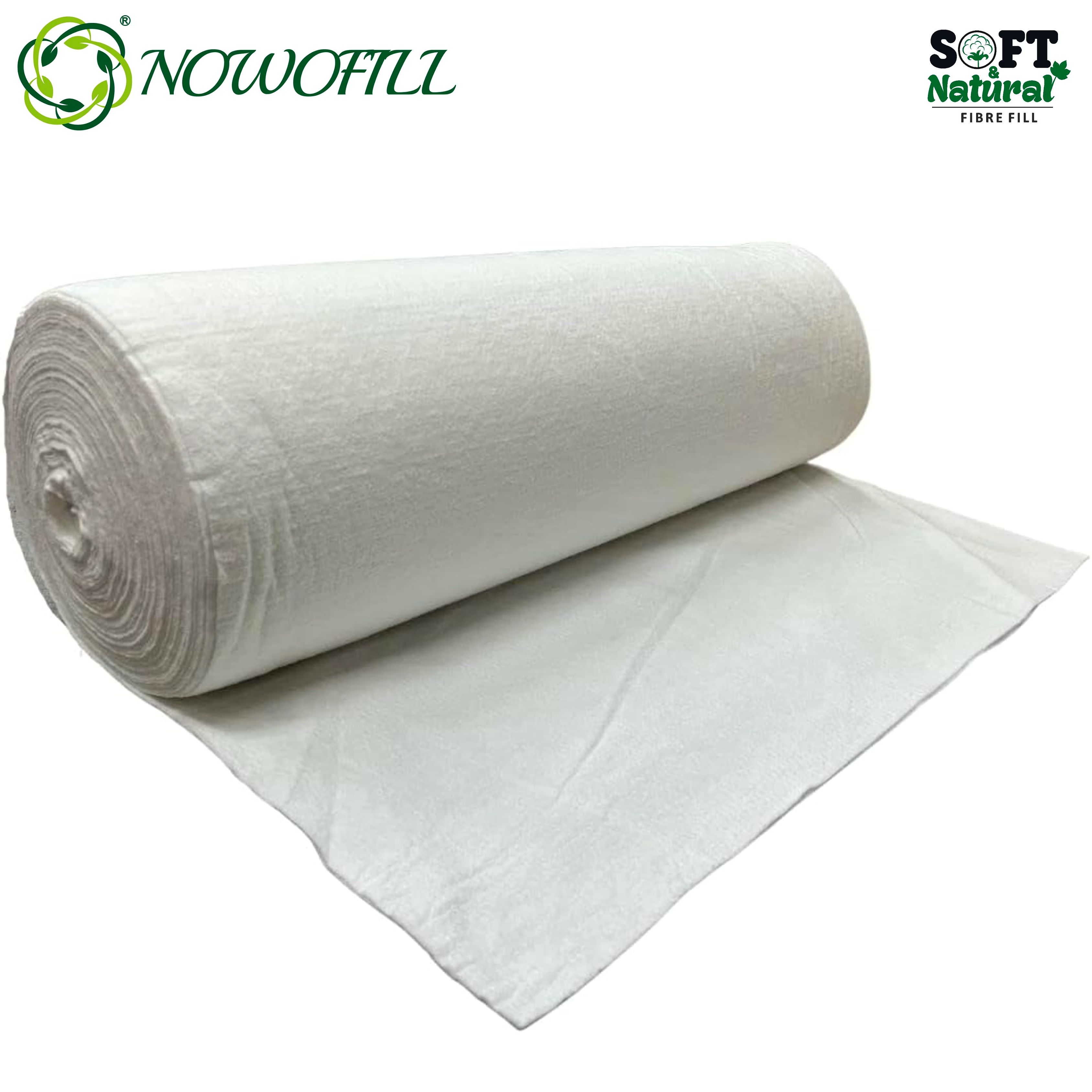
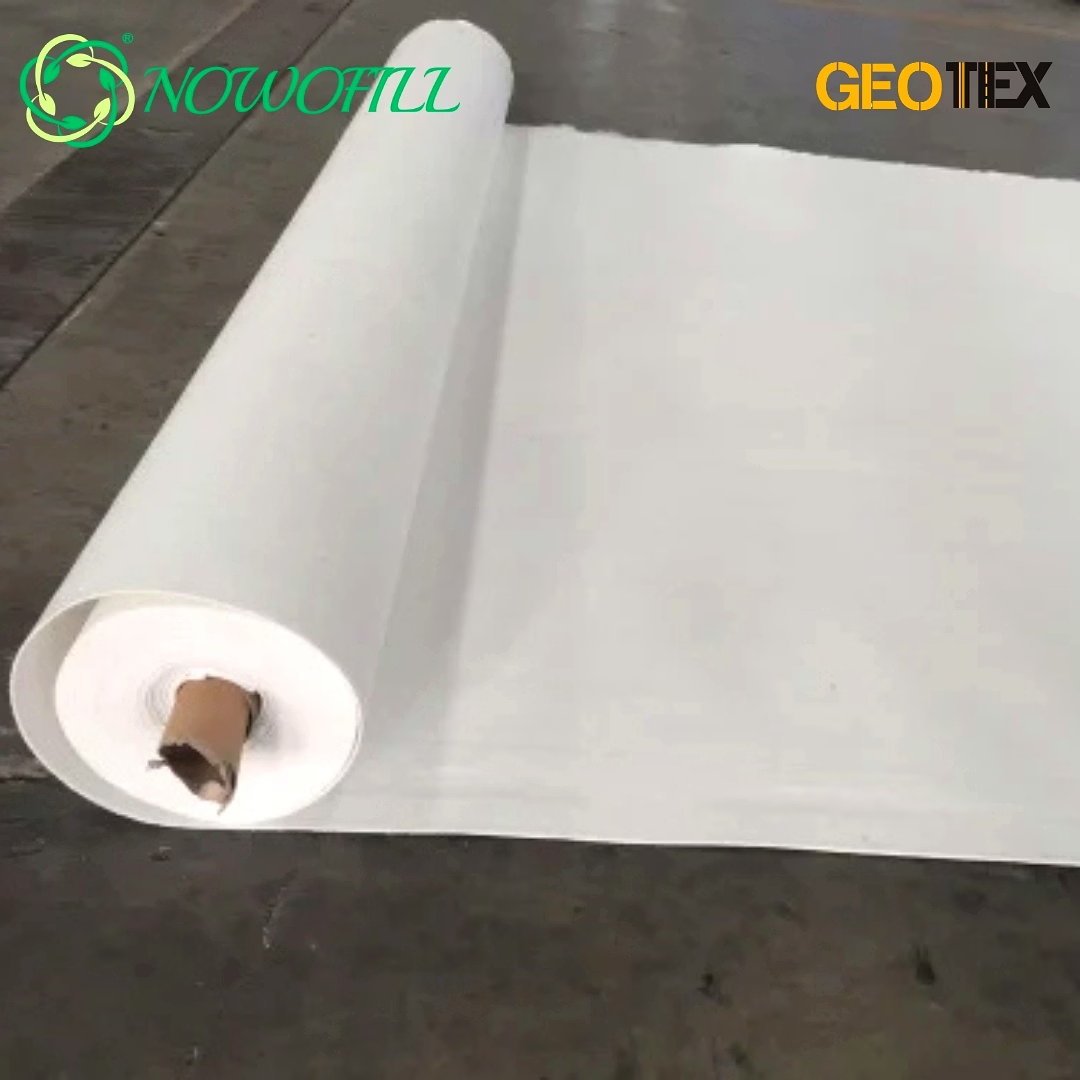
Nowofill Geotextile Nonwoven Textile is a premium quality synthetic fabric engineered for high-performance civil engineering and construction applications. Crafted from durable polypropylene or polyester fibers through advanced needle-punched or thermal bonding techniques, this nonwoven geotextile offers superior filtration, separation, drainage, and protective functions. Its unique structure enables water permeability while effectively retaining soil particles, thereby preventing soil erosion, stabilizing ground conditions, and enhancing load distribution on construction sites. Ideal for use in roadways, railways, embankments, drainage systems, landfills, landscaping, and various infrastructure projects, Nowofill ensures long service life, excellent tensile strength, puncture resistance, and durability even in harsh environmental conditions, making it a cost-effective and reliable solution for sustainable construction and civil engineering needs.
Key Features
| Features | Description |
|---|---|
| Material Composition | Polypropylene or Polyester fibers |
| Manufacturing Process | Needle-punched or Thermal bonding |
| Functionality | Filtration, Separation, Drainage, and Protection |
| Water Permeability | Allows free passage of water while retaining soil particles |
| Tensile Strength | High tensile strength ensuring stability under load |
| Durability | Resistant to puncture and harsh environmental conditions |
| Application Areas | Road construction, Railways, Embankments, Drainage systems, Landfills, Landscaping |
| Service Life | Long-lasting performance reducing maintenance costs |
| Erosion Control | Prevents soil erosion effectively |
| Load Distribution | Enhances ground stability through improved load bearing |
| Attributes | Description |
|---|---|
| Fiber Type | Polypropylene or Polyester |
| Manufacturing Method | Needle-Punched / Thermal Bonded |
| Weight Range | Varies per application, typically 100-300 g/m² |
| Thickness | Ranges from 1 to 6 mm depending on product grade |
| Water Permeability | High, suitable for effective drainage |
| Tensile Strength | Typically above 12 kN/m |
| Elongation at Break | 20-50% |
| UV Resistance | Enhanced for prolonged exposure |
| Chemical Resistance | Resistant to acids, alkalis, and salts |
| Environmental Resistance | Operates effectively in temperature extremes and moisture |
*Disclaimer: The above description has been AI-generated and has not been audited or verified for accuracy. It is recommended to verify product details independently before making any purchasing decisions.
Nowofill Geotextile is manufactured using needle-punched or thermal bonding technology to create a durable and permeable nonwoven fabric.
Its nonwoven structure allows water to pass through while retaining soil particles, thus preventing soil displacement and erosion.
Yes, it offers high tensile strength and puncture resistance suitable for stabilizing soils under heavy loads in roadways and railway beds.
It is made from synthetic polypropylene or polyester fibers, selected for durability and resistance to environmental degradation.
Yes, its excellent drainage and filtration properties make it ideal for use in landfill liners and drainage system installations.
Country Of Origin: India
Nowofill Geotextile nonwoven textile is a durable and versatile material made from synthetic fibers bonded through needle-punched or thermal processes. It provides effective filtration, separation, drainage, and protection while allowing water to pass through freely. This textile helps prevent soil erosion, improves ground stability, and enhances load distribution. Nonwoven geotextiles are widely used in road construction, railways, drainage systems, embankments, landfills, landscaping, and civil engineering projects, offering long service life, reliability, and cost-effective performance.
Nowofill Geotextile nonwoven textile is a high-performance material manufactured from polypropylene or polyester fibers using needle-punch or thermal bonding technology. It is designed to provide effective filtration, separation, drainage, and protection in civil engineering applications. The fabric allows water to pass through while retaining soil particles, helping prevent erosion and improve ground stability. It also offers good tensile strength, puncture resistance, and durability under harsh environmental conditions. Nonwoven geotextiles are widely used in roads, highways, railways, embankments, drainage systems, landfills, landscaping, and infrastructure projects.