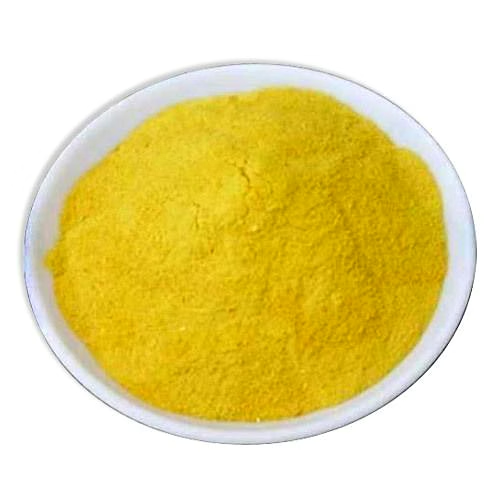
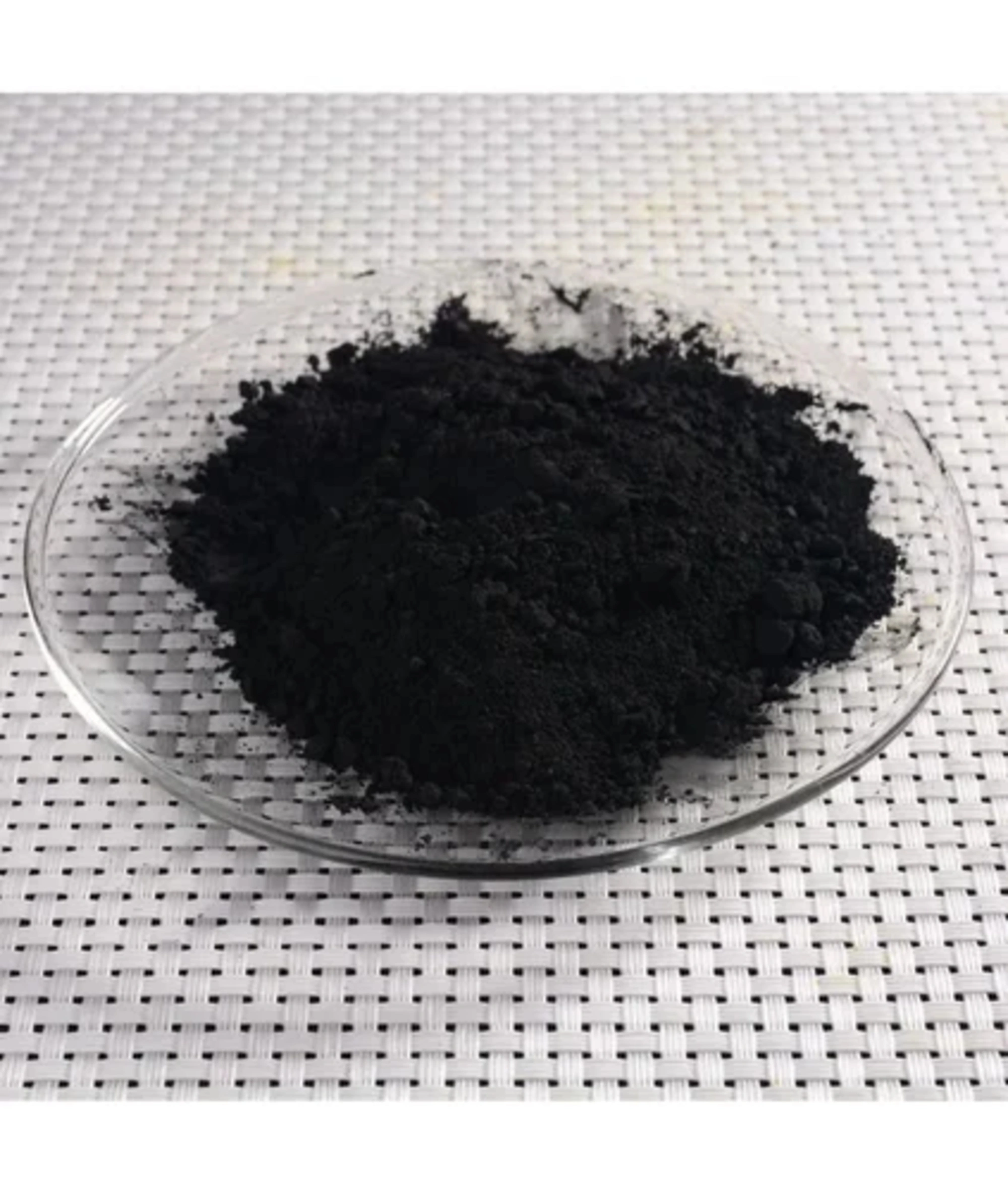
Ferric Chloride, also known as iron(III) chloride, is a highly corrosive and versatile chemical compound with the formula FeCl3. It is characterized by its brownish-yellow color and often appears as dark crystalline lumps or powder. Primarily used in water and wastewater treatment, ferric chloride aids in removing impurities through coagulation and flocculation. Its strong solubility in water results in a strongly acidic solution, necessitating proper handling precautions owing to its corrosive nature. The compound is not only pivotal in the treatment of water systems but also finds applications in laboratory settings for organic synthesis and etching processes in printed circuit board (PCB) production. Additionally, ferric chloride plays a significant role in the textile industry for dye fixation, in the manufacturing of pigments and inks, and as a catalyst in pharmaceutical reactions. With its oxidizing properties, it effectively assists in treating industrial effluents, especially those containing toxic substances like cyanide and sulfide. These diverse applications underline the essential nature of ferric chloride in various industrial processes, emphasizing the need for careful handling and appropriate protective gear during use.
Key Features
| Features | Description |
|---|---|
| Chemical Composition | FeCl3 |
| Appearance | Dark crystalline lumps or powder |
| Solubility | Highly soluble in water, producing a strongly acidic solution |
| Primary Uses | Water and wastewater treatment, organic synthesis, etching of copper for PCBs |
| Industries Served | Water treatment, textiles, pharmaceuticals, pigments production |
| Handling Requirements | Requires protective gloves and eyewear due to corrosive nature |
| Oxidizing Properties | Effective in treating industrial effluents with cyanide and sulfide |
| Attributes | Description |
|---|---|
| Molecular Weight | 162.20 g/mol |
| Melting Point | 306 °C (583 °F) |
| Density | 2.89 g/cm³ |
| pH | Strongly acidic in solution |
| Storage Conditions | Store in a cool, dry, well-ventilated area, away from incompatible materials |
| Regulatory Status | Check local regulations on handling and disposal |
*Disclaimer: The above description has been AI-generated and has not been audited or verified for accuracy. It is recommended to verify product details independently before making any purchasing decisions.
Ferric Chloride is widely used in the water treatment and wastewater management industries, textiles for dye fixation, and in laboratories for organic synthesis and PCB etching.
When handling Ferric Chloride, it is crucial to wear appropriate protective gear such as gloves and goggles to prevent skin and eye contact, due to its highly corrosive nature.
Yes, Ferric Chloride is effective in treating industrial effluents, particularly those containing toxic substances like cyanide and sulfide, due to its oxidizing properties.
Ferric Chloride is highly soluble in water, which results in the formation of a strongly acidic solution.
Ferric Chloride typically appears as dark, crystalline lumps or powder.
Country Of Origin: India
In addition to its primary applications, ferric chloride serves as a key component in the dyeing process within the textile industry, aiding in the fixation of dyes to fabrics. It is also utilized in the manufacturing of pigments, inks, and in the chlorination of metals. In the pharmaceutical industry, ferric chloride acts as a catalyst in various chemical reactions. Due to its oxidizing properties, it is effective in treating industrial effluents containing cyanide and sulfide. Its versatile nature and strong reactivity make it indispensable across multiple industrial processes, highlighting the importance of careful handling and storage to ensure safety and efficacy.
Inclusive of all taxes
You Save: 0
Surat , India
Service Provider , Manufacturer, Professional Services, Contractor, Brand Owner, Distributor, Exporter, Wholesaler