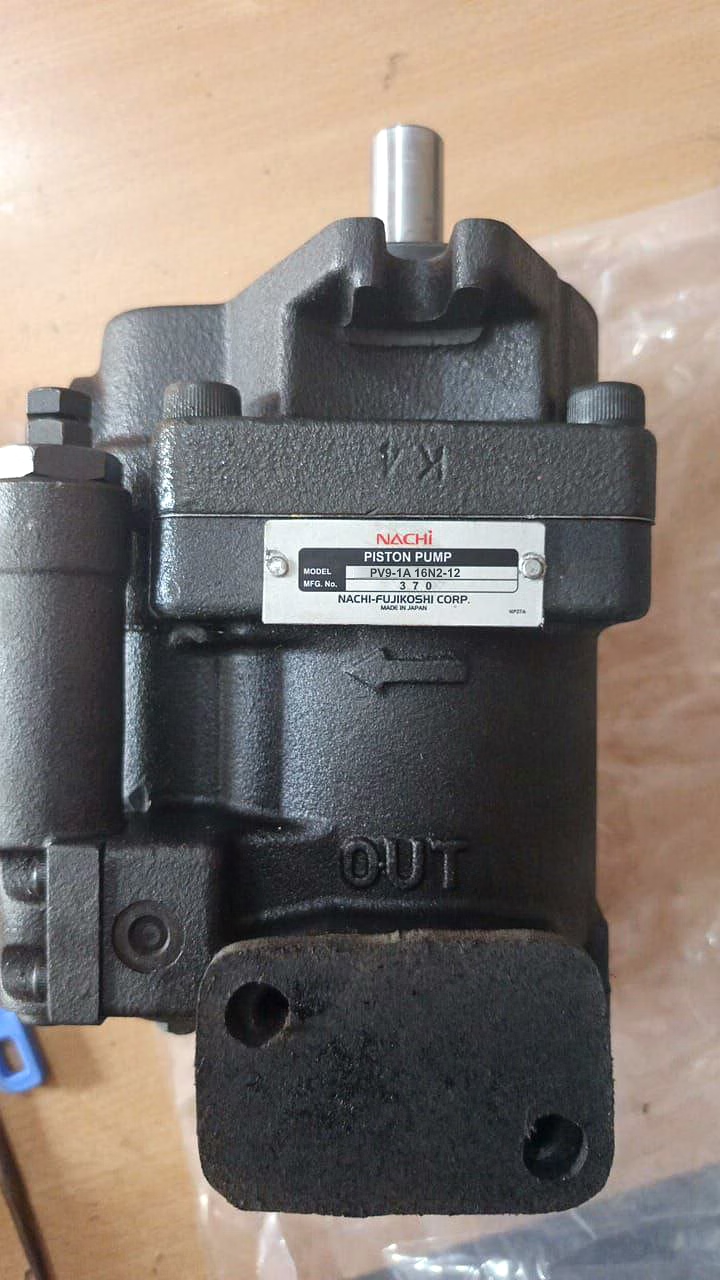
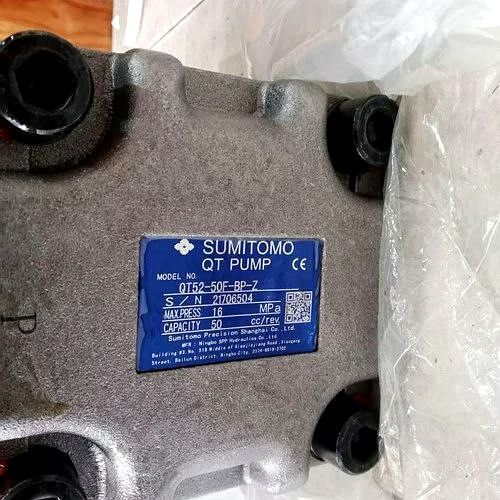
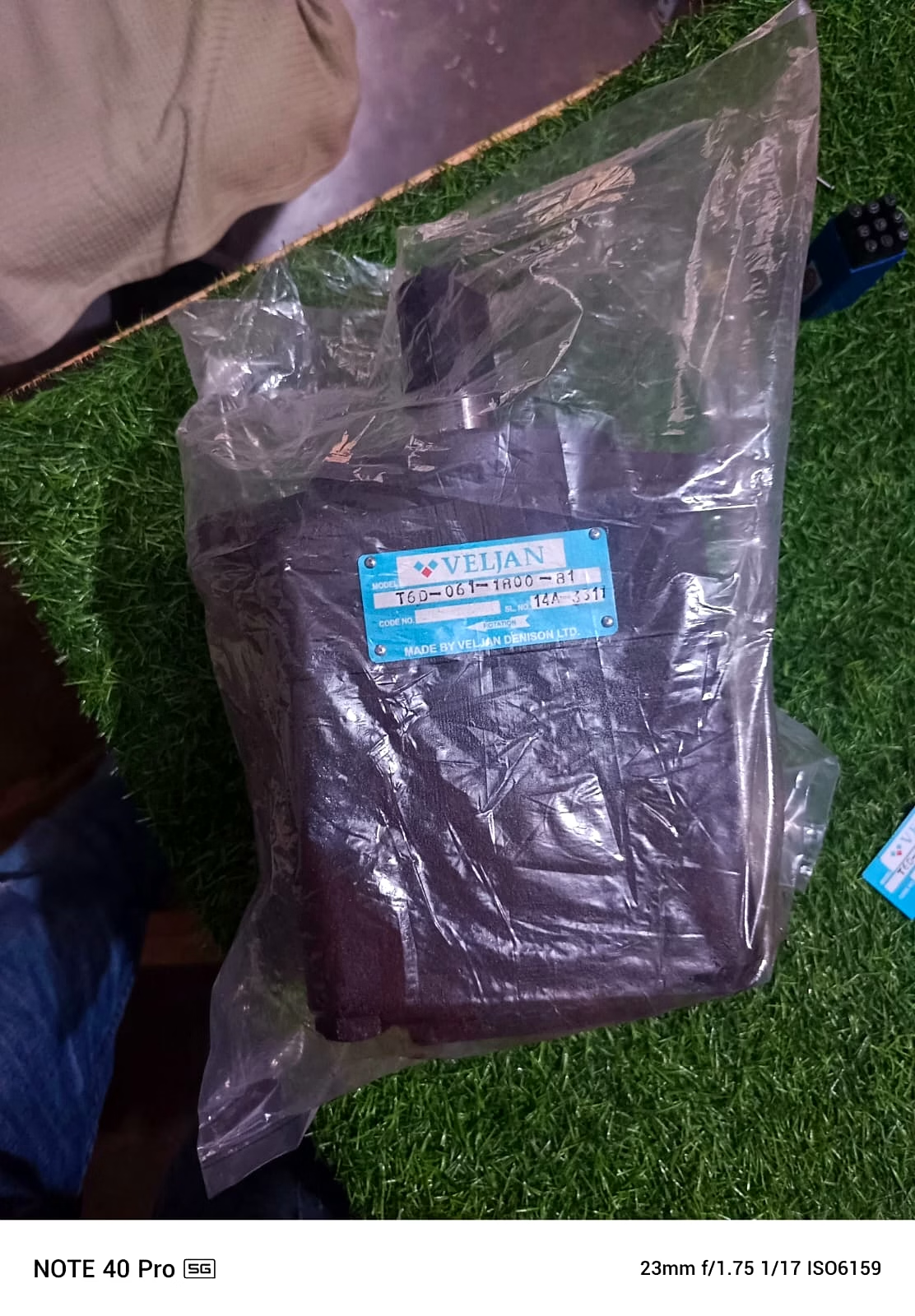
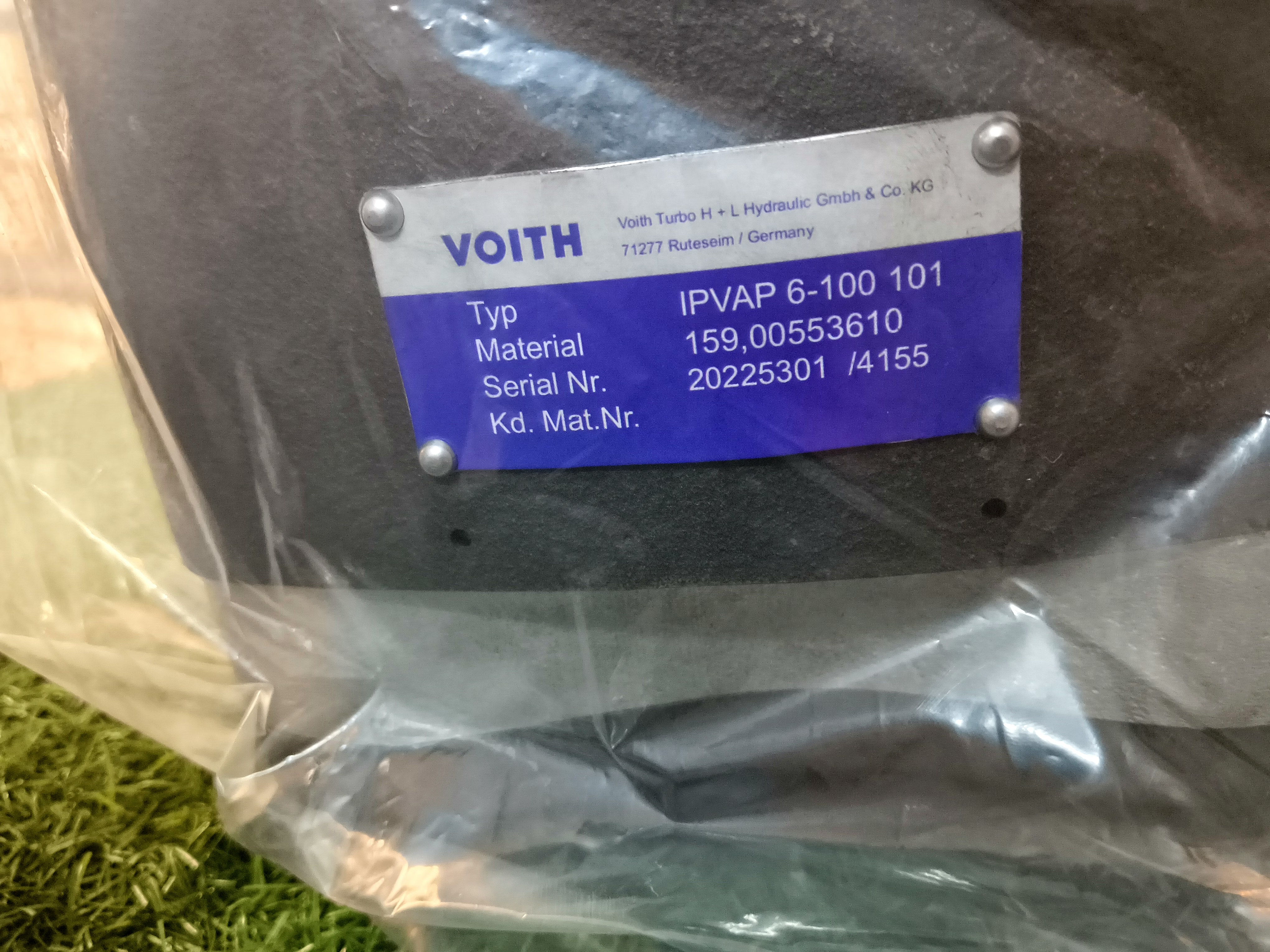
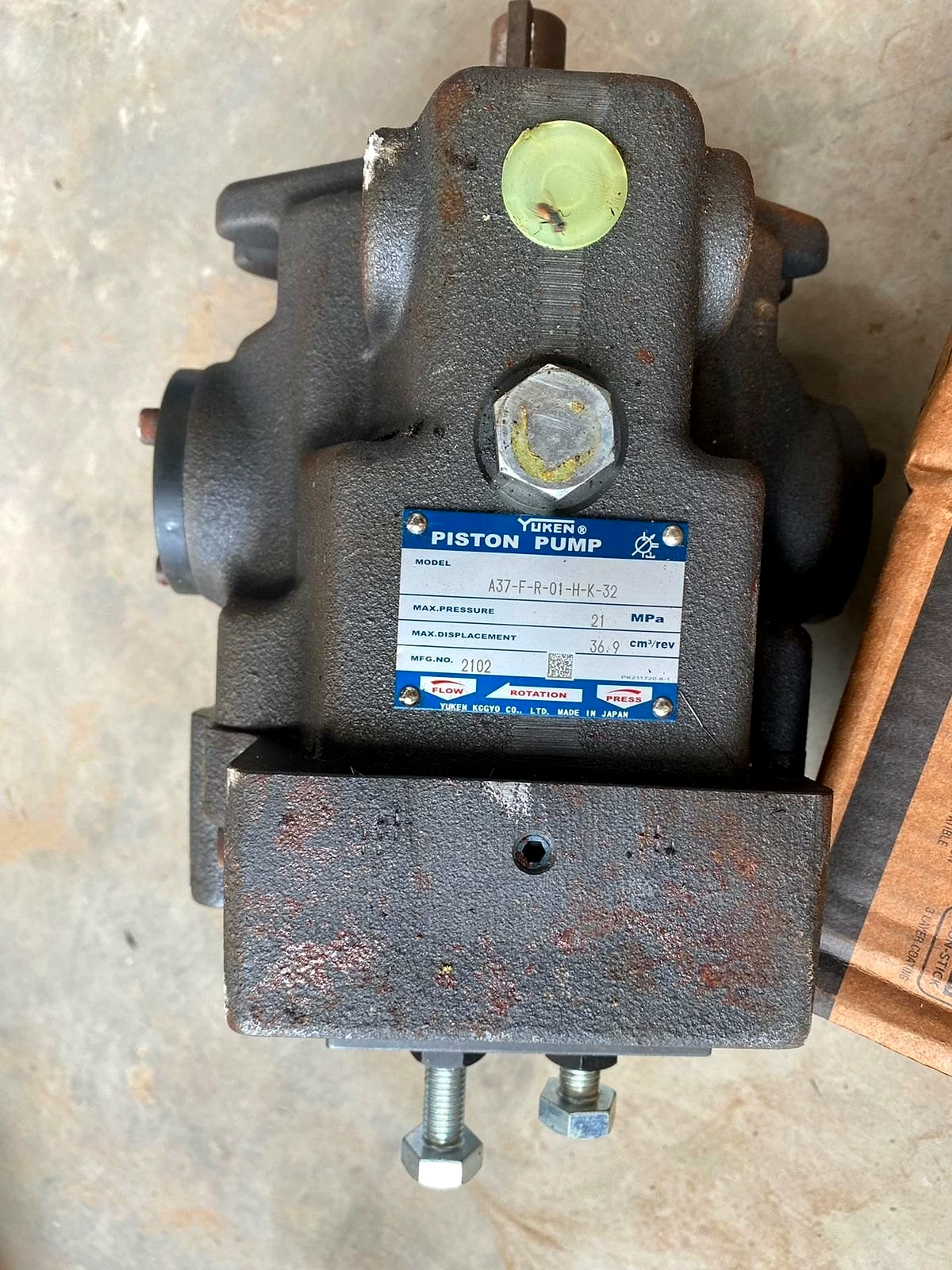
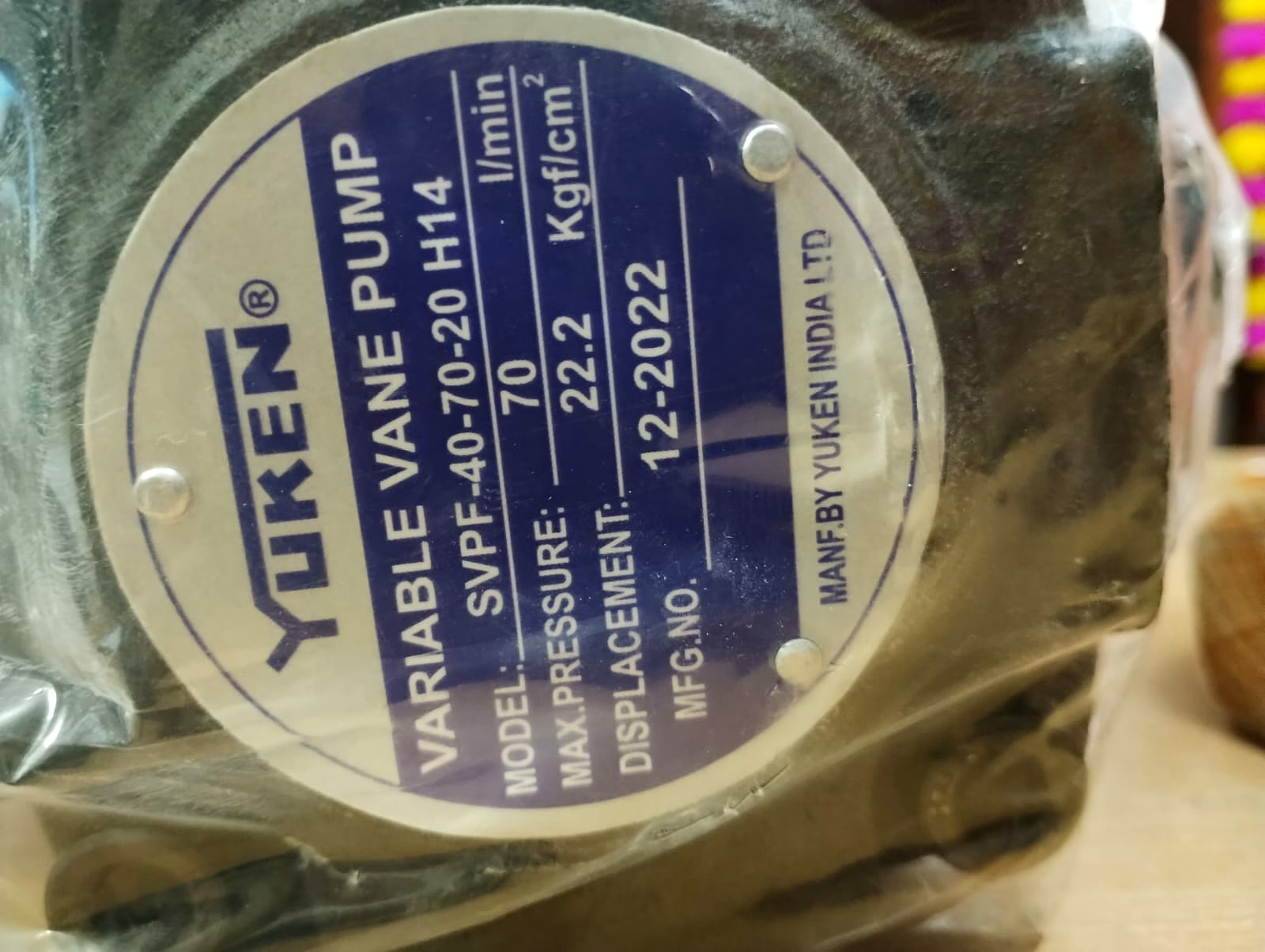
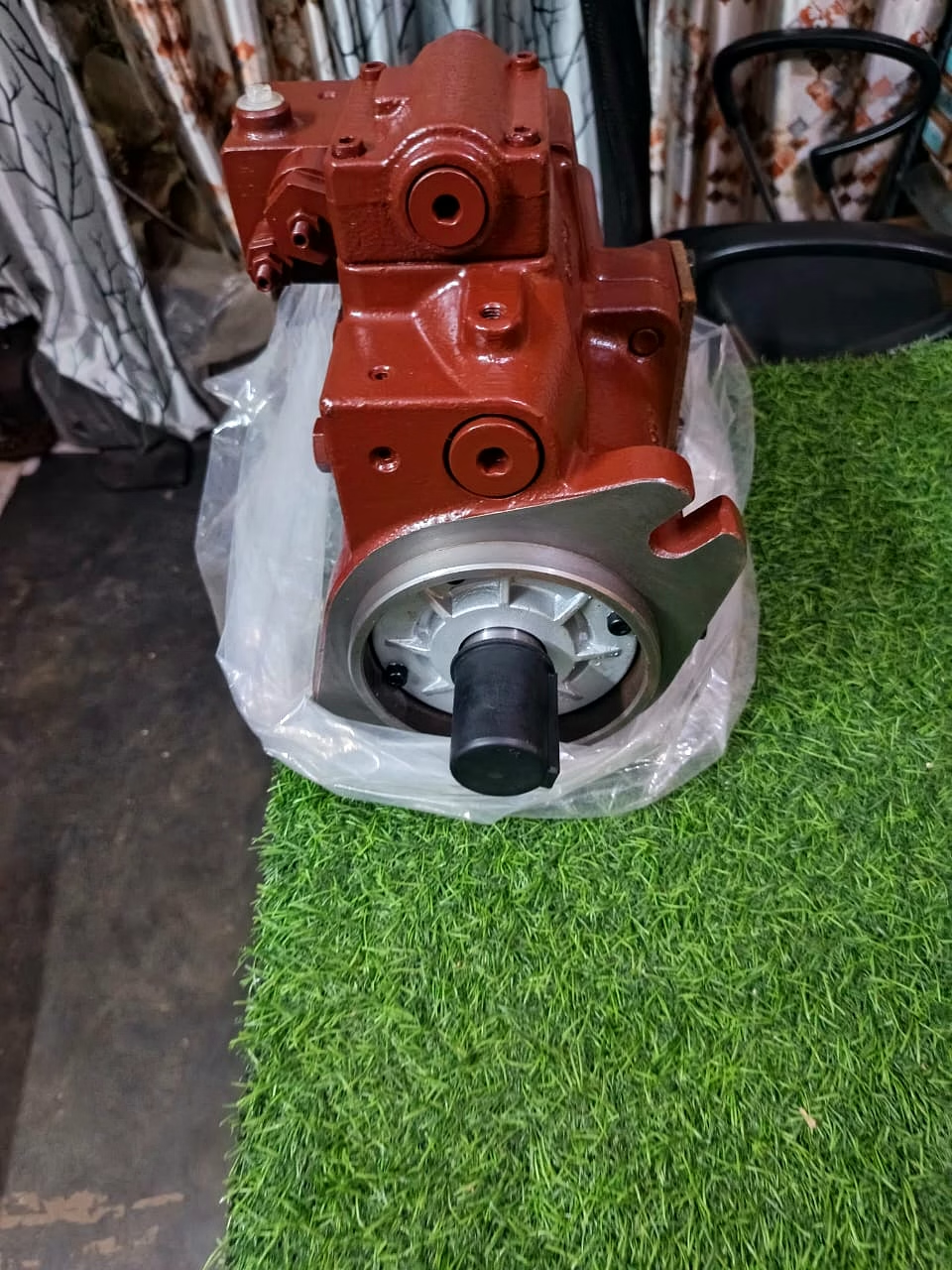
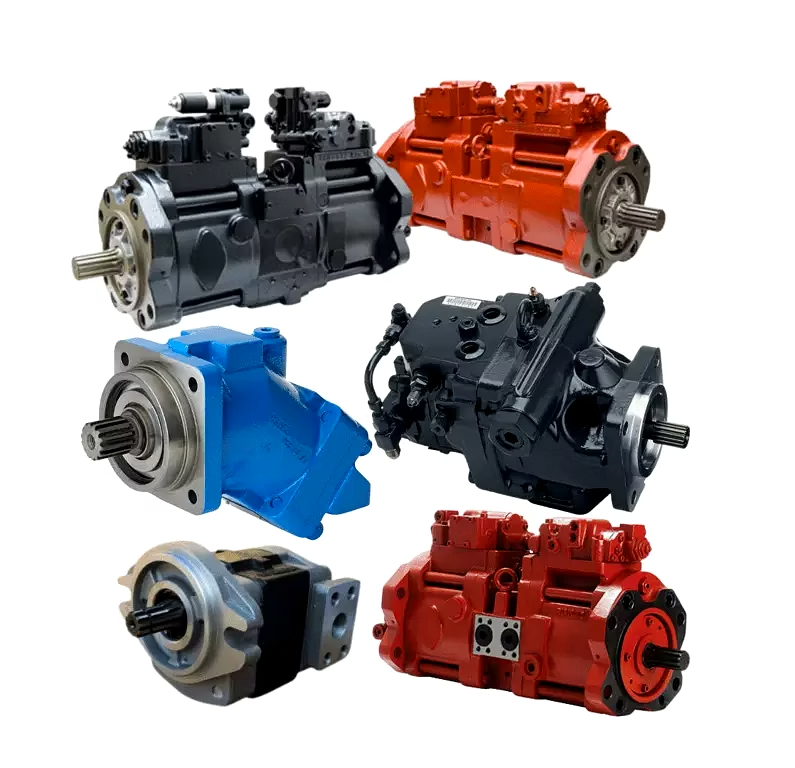
The Excavator Piston Pump is a high-performance, variable displacement axial piston pump designed specifically for hydraulic systems in excavators. It plays a pivotal role in powering critical functions such as boom movement, arm extension, bucket operations, swing motor rotation, and travel motors. Featuring a robust cylinder block housing multiple pistons arranged circularly, and a swash plate mechanism to control piston stroke length, this pump efficiently converts engine power into pressurized hydraulic fluid. Its advanced load-sensing capability and variable displacement design optimize fuel efficiency by automatically adjusting fluid flow according to system demands. Operating at high pressures typically between 3000–5000 psi (210–350 bar), the pump ensures smooth, powerful, and responsive excavation operations. Engineered for durability and compactness, it withstands harsh environmental conditions and continuous operation, making it ideal for professional and industrial excavator applications. Compatible with leading excavator brands including Kawasaki, Bosch Rexroth, Komatsu, Caterpillar, and Doosan, this piston pump supports precise control and reliable performance essential for modern heavy equipment maintenance and upgrade projects.
Key Features
| Features | Description |
|---|---|
| Pump Type | Variable Displacement Axial Piston Pump |
| Pressure Rating | 3000–5000 psi (210–350 bar) |
| Flow Control | Swash Plate Adjustable for Variable Flow |
| Load Sensing Capability | Automatic Adjustment Based on Pressure Demand |
| Construction | Compact and Durable Design for Harsh Environments |
| Applications | Boom, Arm, Bucket, Swing Motor, Travel Motor Control |
| Compatibility | Fits Kawasaki, Bosch Rexroth, Komatsu, Caterpillar, Doosan Excavators |
| Maintenance Features | Supports Pressure Relief Settings and Leakage Inspection |
| Drive Mechanism | Engine Driven via Coupling to Swash Plate Assembly |
| Pistons Arrangement | Multiple Pistons in Circular Cylinder Block |
| Attributes | Description |
|---|---|
| Pump Type | Axial Piston, Swash Plate Type |
| Displacement | Variable Displacement |
| Operating Pressure | Up to 5000 psi (350 bar) |
| Flow Rate | Adjustable According to Load Demand |
| Material | High-Grade Steel and Alloy Components |
| Weight | Varies by Model, Approximately 30-50 kg |
| Mounting | Standardized Mounting Flanges Compatible with Major Brands |
| Temperature Range | -20°C to 80°C Operating |
| Noise Level | Designed for Low Noise Operation |
| Hydraulic Fluid Type | Compatible with Standard Excavator Hydraulic Oils |
*Disclaimer: The above description has been AI-generated and has not been audited or verified for accuracy. It is recommended to verify product details independently before making any purchasing decisions.
The variable displacement design allows the swash plate angle to adjust, thereby controlling the piston stroke length and flow output. This ensures optimal hydraulic fluid supply matched to load demands, enhancing fuel efficiency and operational responsiveness.
Load sensing enables the pump to detect hydraulic pressure demand dynamically and automatically adjust the flow. This prevents unnecessary energy consumption and reduces heat generation, resulting in more efficient and reliable excavator operation.
The charge pump plays a crucial role by feeding hydraulic oil into the main pump, ensuring adequate lubrication and preventing cavitation, which could otherwise damage pistons and cylinder blocks.
While designed to fit major brands such as Kawasaki, Bosch Rexroth, Komatsu, Caterpillar, and Doosan, compatibility depends on specific model configurations and mounting standards. It is recommended to verify model fitment before purchase.
Regular use of clean hydraulic fluid, monitoring for abnormal noise or vibration, checking pressure relief valve settings, and inspecting for internal/external leakage are vital maintenance practices to ensure longevity and optimal performance.
Brand: kawasaki
Country Of Origin: India
ypes of Piston Pumps
Axial Piston Pump (most common in excavators)
Radial Piston Pump (less common)
Axial piston pumps are further classified into:
Swash Plate Type
Bent Axis Type
Most modern excavators use variable displacement axial piston pumps due to their efficiency and ability to adjust flow based on system demand.
3. Key Components
Cylinder Block (Barrel): Houses multiple pistons arranged in a circular pattern.
Pistons: Move in and out to draw in and push out hydraulic fluid.
Swash Plate: Angle controls piston stroke length, affecting fluid displacement.
Valve Plate: Directs the intake and discharge of hydraulic fluid.
Charge Pump: Feeds hydraulic oil to the main pump to prevent cavitation.
4. Working Principle
The engine drives the pump via a coupling.
The swash plate tilts, causing pistons to reciprocate.
During the piston downstroke (suction), hydraulic fluid is drawn into the chamber.
During the upstroke (discharge), fluid is pushed into the hydraulic circuit.
The swash plate angle is controlled to vary the flow output depending on operator commands and system load.
5. Features
Variable Displacement: Adjusts flow to match load requirements, improving fuel efficiency.
Load Sensing: Detects pressure demand and adjusts flow automatically.
High Pressure Rating: Typically operates between 3000–5000 psi (210–350 bar).
Compact and Durable Design: Built for high-performance, continuous operation in harsh environments.
6. Applications in Excavators
Boom lift and lower
Arm extension and retraction
Bucket curl and dump
Swing motor operation
Travel and steering
7. Common Brands
Kawasaki
Rexroth (Bosch Rexroth)
Komatsu
Caterpillar
Doosan / Daewoo
Hydac
8. Maintenance Considerations
Use clean hydraulic fluid to prevent wear.
Monitor pump noise, vibration, and heat.
Regularly check pressure relief settings.
Inspect for internal or external leakage.