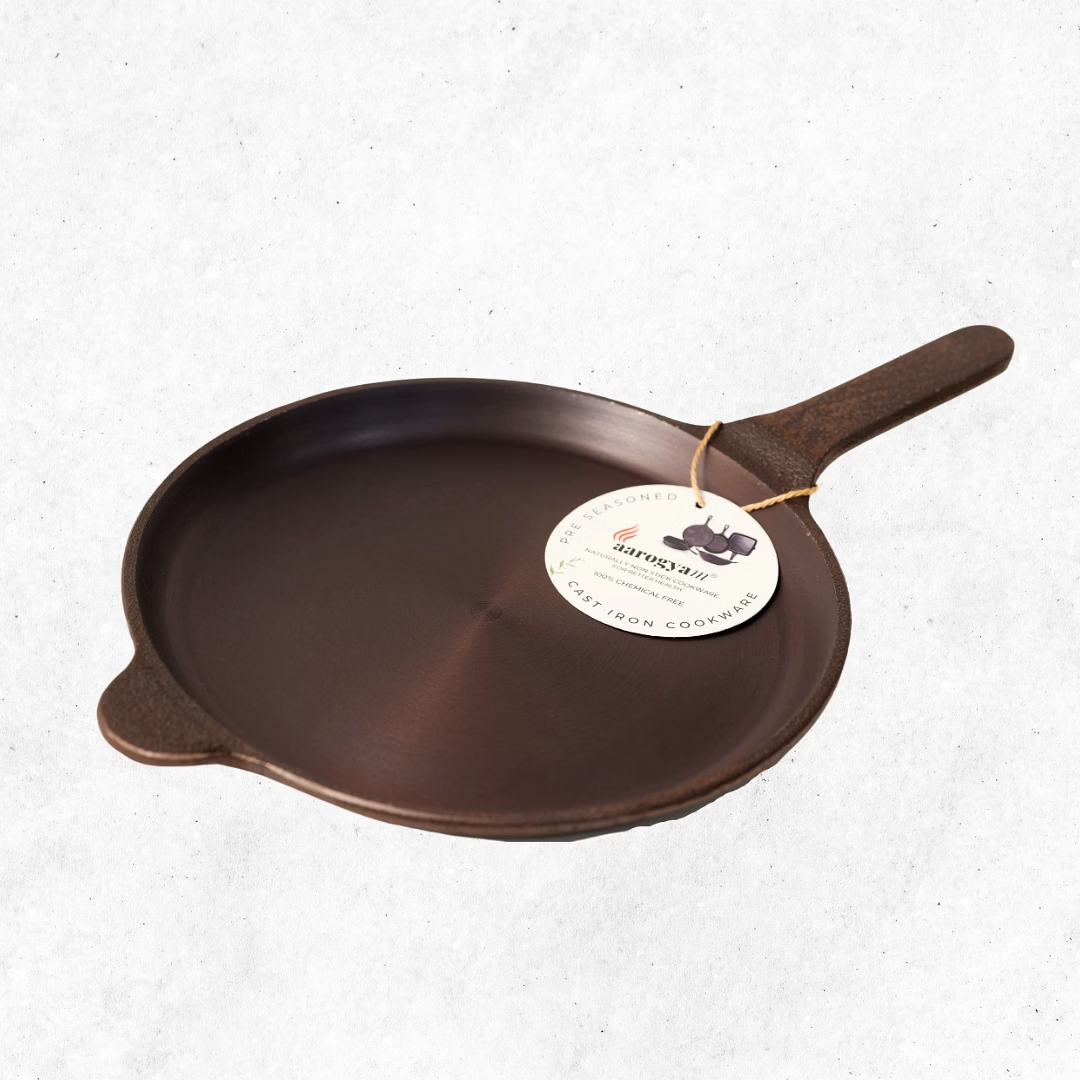
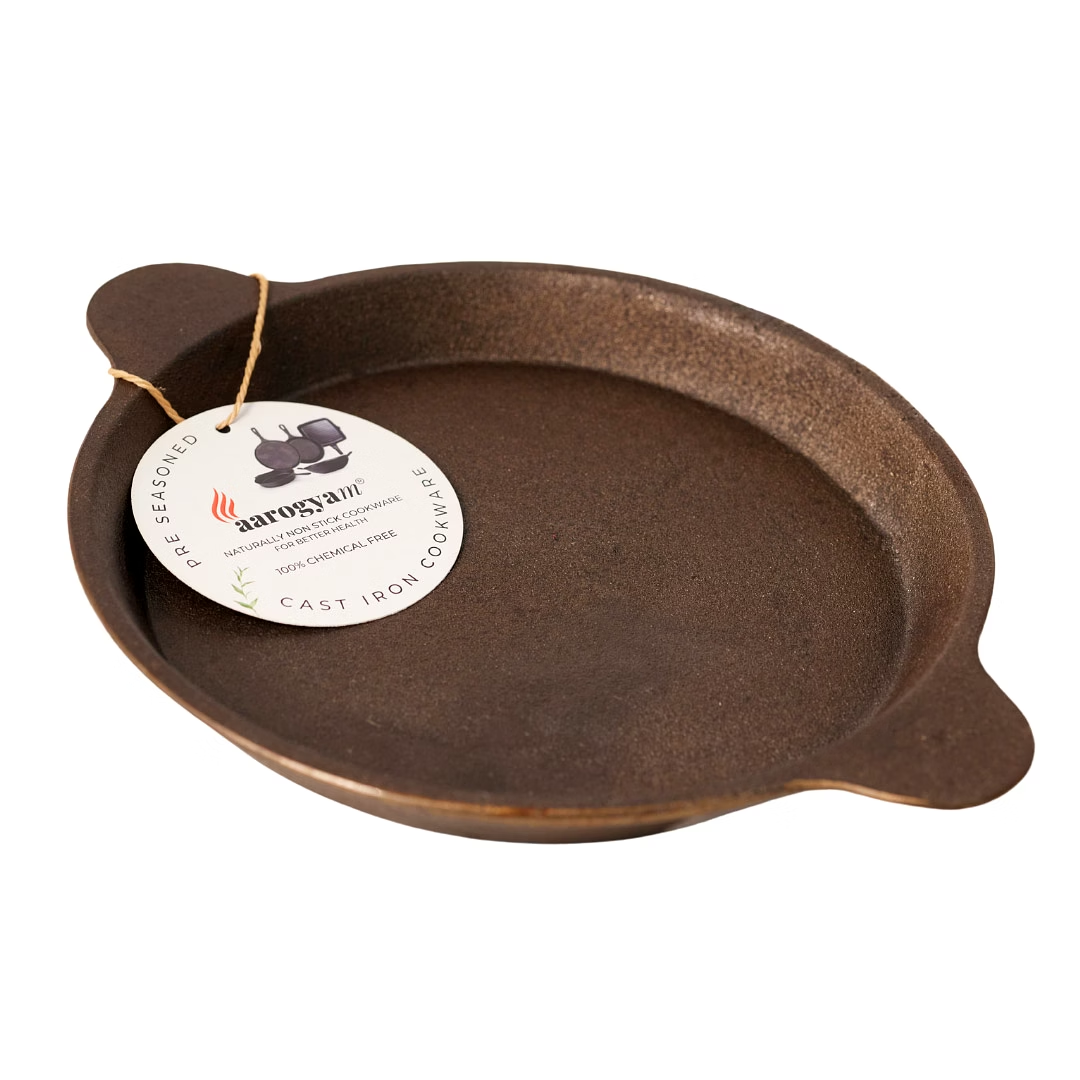
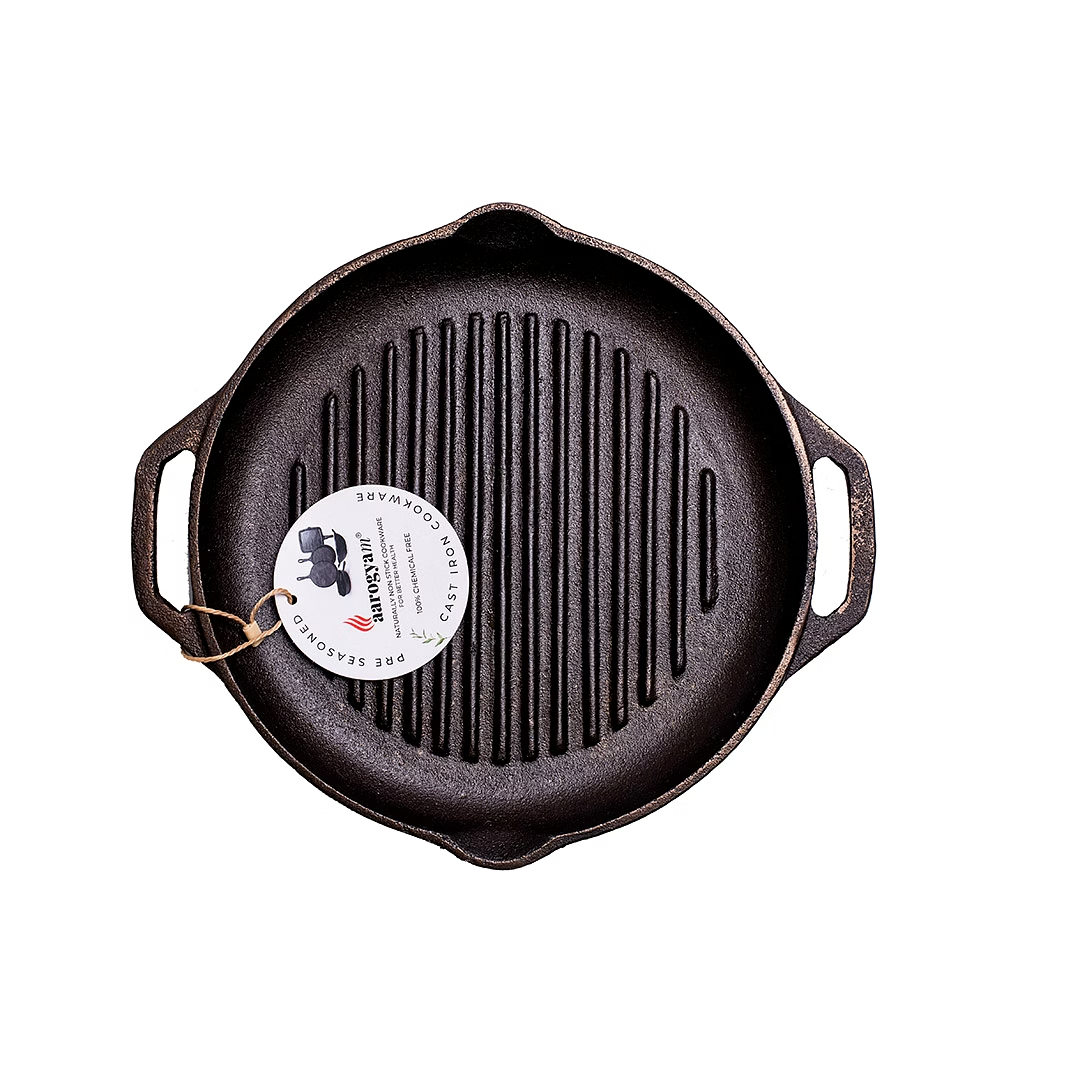
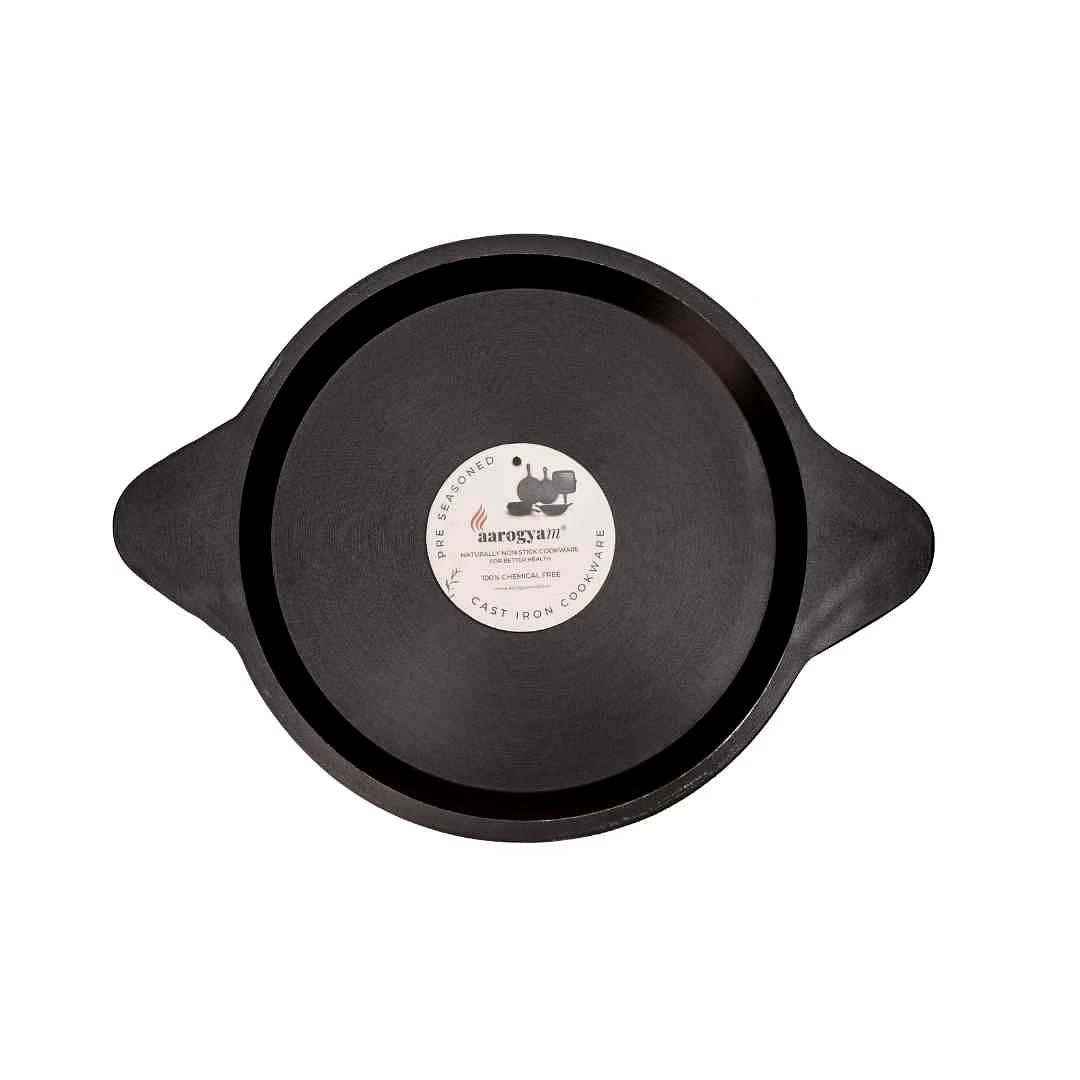
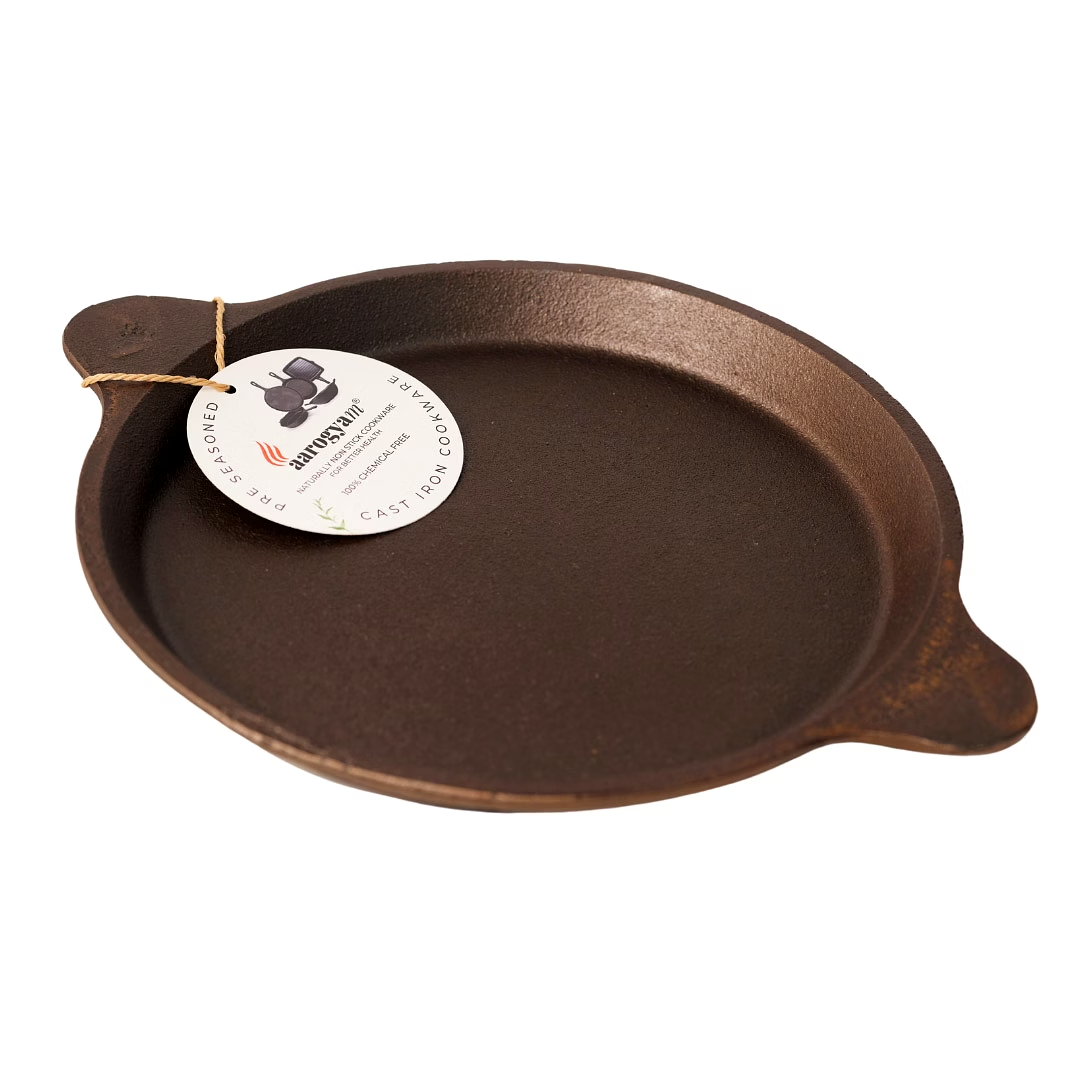
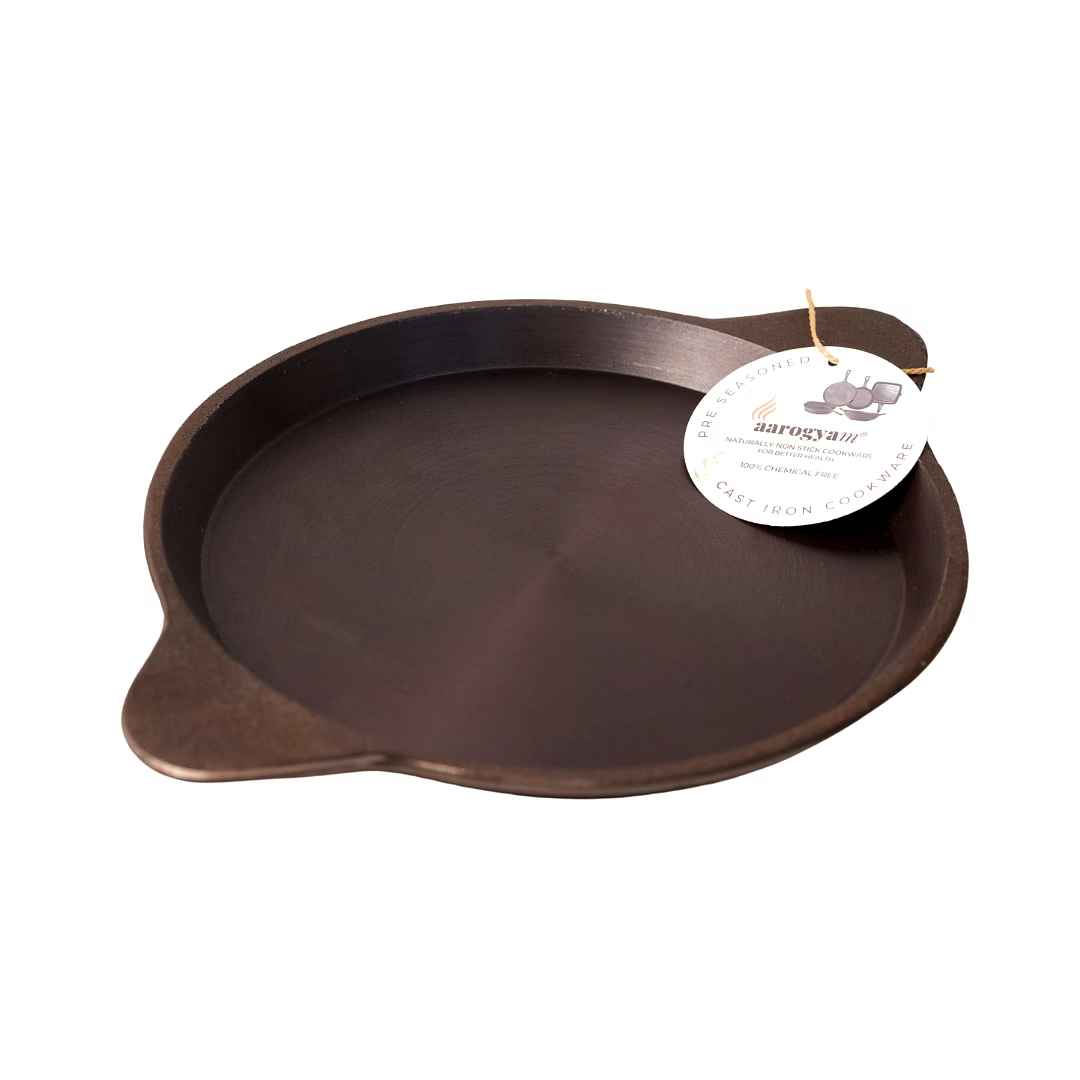
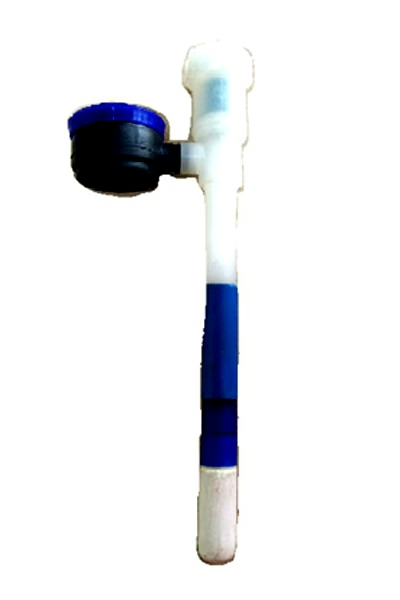
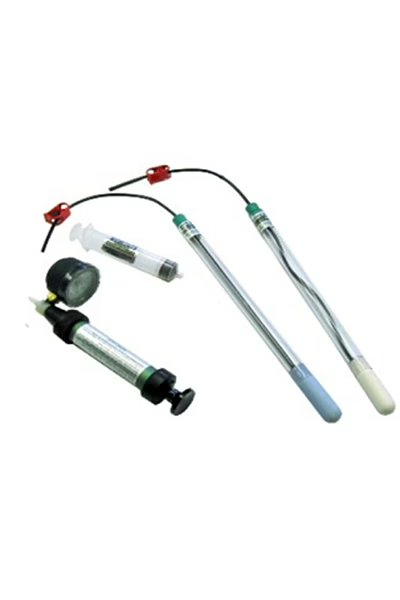
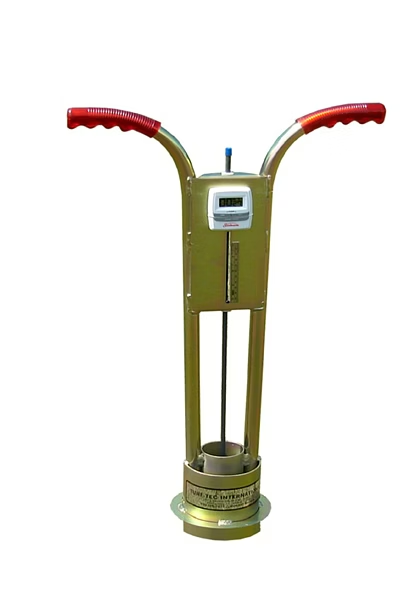
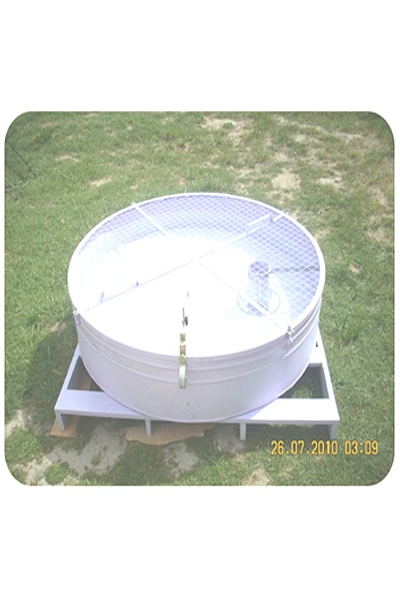
The Evaporation PAN (Brass) is a precision instrument used to measure the rate of evaporation of water into the atmosphere, widely known in scientific and agricultural fields as an atmometer. Designed specifically with a durable brass construction, this evaporation pan ensures high resistance to corrosion and long-term robustness for continuous outdoor use. It provides accurate measurements critical for hydro-meteorological studies, irrigation management, reservoir design, and drainage system optimization. The Evaporation PAN enables professionals to determine the amount of water lost by evaporation from a defined surface area over a specific time, expressed typically in daily depth of water evaporated. Its precision brass build coupled with a design optimized for sensitive water supply and surface conditions makes it an essential tool for agricultural scientists, hydrologists, environmental engineers, and water resource managers focusing on efficient water usage and environmental monitoring.
Key Features
| Features | Description |
|---|---|
| Material | High-grade Brass for corrosion resistance and durability |
| Measurement Type | Rate of evaporation of water in mm/day or depth/unit area/time |
| Application | Agricultural water management, hydro-meteorological research, reservoir planning, and irrigation systems |
| Design | Open pan design optimized for accurate evaporation measurement |
| Surface Area | Defined surface area ensures standardization in evaporation rate data |
| Weather Resistance | Suitable for prolonged outdoor exposure in varying climatic conditions |
| Data Usage | Supports environmental monitoring and water resource management decisions |
| Attributes | Description |
|---|---|
| Material | Brass |
| Dimensions | Standard size typically 120 cm diameter (customizable) |
| Weight | Approximately 20-25 kg depending on size |
| Finish | Polished brass surface for reduced contamination and easier cleaning |
| Usage Environment | Outdoor, exposed to atmospheric conditions |
| Measurement Units | Millimeters per day or equivalent evaporation depth units |
| Installation | Free-standing or mounted as required for field measurements |
*Disclaimer: The above description has been AI-generated and has not been audited or verified for accuracy. It is recommended to verify product details independently before making any purchasing decisions.
The high-grade brass material ensures excellent corrosion resistance and durability, making the evaporation pan ideal for long-term outdoor use in diverse climatic conditions without degradation.
Yes, the evaporation pan provides reliable data on evaporation rates that help design and optimize irrigation scheduling, ensuring efficient water use and reducing wastage.
Typically, evaporation pans come in standard sizes such as 120 cm diameter, but customizable dimensions can be requested to meet specialized measurement needs.
The pan can be either free-standing or mounted on suitable supports to maintain stability and accurate exposure to atmospheric conditions for precise evaporation readings.
The evaporation pan provides data on the depth of water evaporated from a unit area over time, generally expressed in millimeters per day, useful for hydro-meteorological analysis and agricultural water management.
Brand: virtual
Country Of Origin: India
Evaporimeter, instrument that measures the rate of evaporation of water into the atmosphere, sometimes called an atmometer. Evaporation rates are so sensitive to the water supply, and the nature of the evaporating surface, data collected by Evaporimeter often do not reflect true evaporation processes; hence, Evaporimeter have limited use. The measurement of water evaporation is important in agricultural, hydro-meteorological studies, in the design and operation of reservoirs, and in irrigation and drainage systems. The rate of evaporation is defined as the amount of water lost by evaporation from a unit area of surface in unit time. For a given area this is
proportional to the depth of liquid water lost in a day from the whole area and evaporation is usually expressed in this way.