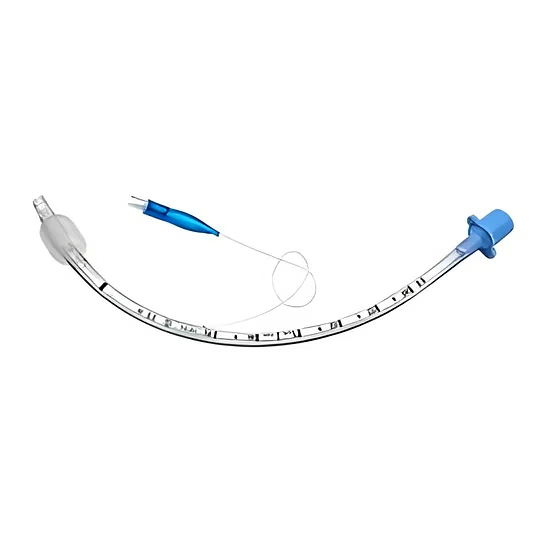
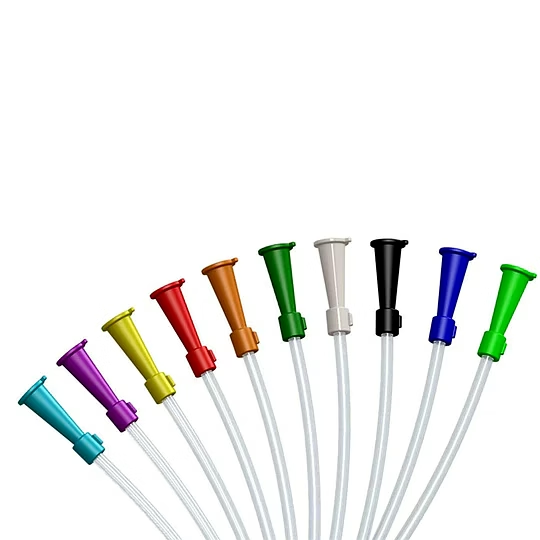
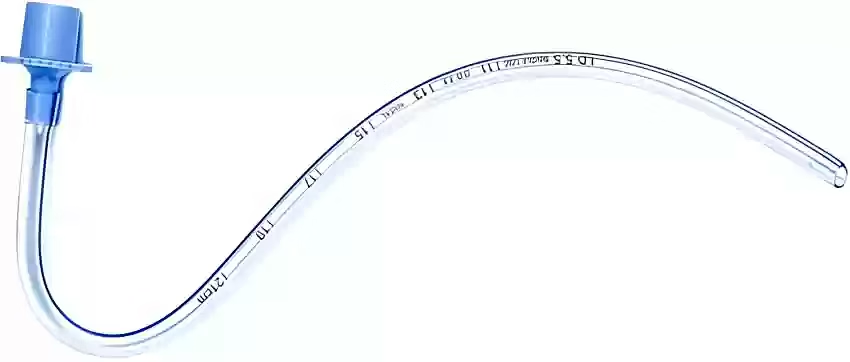
Nilkanth Endotracheal Tubes (ET Tubes) serve as a vital airway management tool designed for securing the trachea during anesthesia and mechanical ventilation. These tubes facilitate safe and effective gas flow between the patient's lungs and anesthesia breathing systems while preventing contamination from gastric contents and nasopharyngeal secretions such as blood. Manufactured primarily from biocompatible polyvinyl chloride (PVC) or silicone, these flexible tubes are designed to conform to various patient anatomies with availability in multiple sizes and shapes. Each ET tube features an inflatable cuff near the distal end that creates a secure seal within the trachea to prevent air leakage and aspiration, thereby reducing risks of ventilator-associated pneumonia and other complications. Additionally, the tubes are radiopaque, allowing practitioners to confirm accurate placement via X-ray imaging. The tubes are secured using adhesive tape or commercial securing devices to prevent accidental displacement during clinical procedures. Compatibility with ventilators or manual resuscitators via standardized connectors ensures ease of use across different clinical scenarios. Nilkanth emphasizes routine monitoring of tube positioning and cuff inflation pressure, along with necessary maintenance such as suctioning and periodic tube replacement, to optimize patient safety and respiratory function.
Key Features
| Features | Description |
|---|---|
| Material | Polyvinyl Chloride (PVC) or Silicone for flexibility and biocompatibility |
| Sizes Available | Multiple sizes to accommodate various patient anatomies |
| Inflatable Cuff | Cuff near distal end to provide an airtight seal in the trachea |
| Radiopacity | Radiopaque line enables X-ray visibility for placement confirmation |
| Tube Flexibility | Designed to be flexible for ease of insertion through mouth or nose |
| Connector Compatibility | Standardized connector for ventilators or manual resuscitators |
| Securing Method | Secured with adhesive tape or commercial devices to avoid displacement |
| Prevention of Contamination | Protects lungs from gastric and nasopharyngeal contamination |
| Maintenance Needs | Requires regular suctioning, cuff pressure monitoring, and periodic replacement |
| Attributes | Description |
|---|---|
| Tube Material | Medical Grade Polyvinyl Chloride (PVC) or Silicone |
| Tube Type | Endotracheal Tube (ET Tube) |
| Sizes | Varies from neonatal sizes to adult sizes (specific size details to be requested) |
| Cuff Type | Inflatable cuff near distal end |
| Radiopacity | Included for radiographic confirmation |
| Insertion Route | Oral or nasal insertion |
| Connector Size | Standard 15mm connector |
| Application | Airway management during anesthesia and mechanical ventilation |
| Flexibility | Flexible to adapt to patient anatomy |
| Sterilization | Sterile packed for single use |
| Packaging | Individually packed to maintain sterility |
*Disclaimer: The above description has been AI-generated and has not been audited or verified for accuracy. It is recommended to verify product details independently before making any purchasing decisions.
Nilkanth Endotracheal Tubes are manufactured from medical-grade polyvinyl chloride (PVC) or silicone which are flexible and biocompatible materials, ensuring safe insertion and minimal tissue reaction. These materials also permit sterilization and maintain tube integrity during use.
The inflatable cuff near the distal end of Nilkanth ET Tubes creates an airtight seal inside the trachea, which prevents air leakage and aspiration of gastric or nasopharyngeal contents, thereby minimizing risks such as ventilator-associated pneumonia and pulmonary contamination.
Yes, Nilkanth Endotracheal Tubes are designed to be flexible enough for insertion either orally or nasally, accommodating different clinical needs and patient anatomies.
The tubes include a radiopaque line embedded within the material which allows visual confirmation of proper placement on X-ray imaging.
Regular assessment of tube placement and cuff pressure is essential along with routine suctioning to clear secretions. Periodic replacement of the tube is recommended to avoid tube degradation or malfunction.
Nilkanth provides Endotracheal Tubes which work as a passage for gases to flow between patient’s lungs and an anesthesia breathing system. This tube protects the lung from contamination of gastric contents and nasopharyngeal matter such as blood. Our endotracheal tubes come in various sizes and shapes, but the basic concept underlying them is the same for all. We provide two types of endotracheal tubes.
Endotracheal (ET) tube is a flexible plastic tube inserted into the trachea through the mouth or nose to secure an airway and facilitate mechanical ventilation.
Endotracheal Tubes Available in various sizes to accommodate different patient anatomies and clinical needs.
Typically made of polyvinyl chloride (PVC) or silicone, ensuring flexibility and biocompatibility.
Features an inflatable cuff near the distal end to create a seal within the trachea, preventing air leakage and aspiration.
ET tubes are radiopaque, allowing visualization on X-rays for correct placement confirmation.
Secured in place with adhesive tape or commercial securing devices to prevent accidental displacement.
Connected to a ventilator or manual resuscitator via a connector to deliver oxygen and facilitate mechanical ventilation.
Regular assessment of tube placement and cuff inflation is essential to prevent complications such as aspiration, ventilator-associated pneumonia, and tissue damage.
Proper care and maintenance include regular suctioning to clear secretions, maintaining cuff pressure within recommended limits, and replacing the tube periodically to prevent degradation and malfunction.
Inclusive of all taxes
You Save: 0
Surat , India
Manufacturer, Professional Services, Brand Owner, Distributor, Exporter, Importer