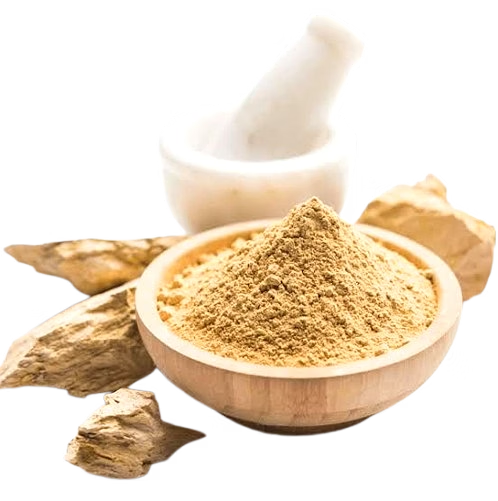
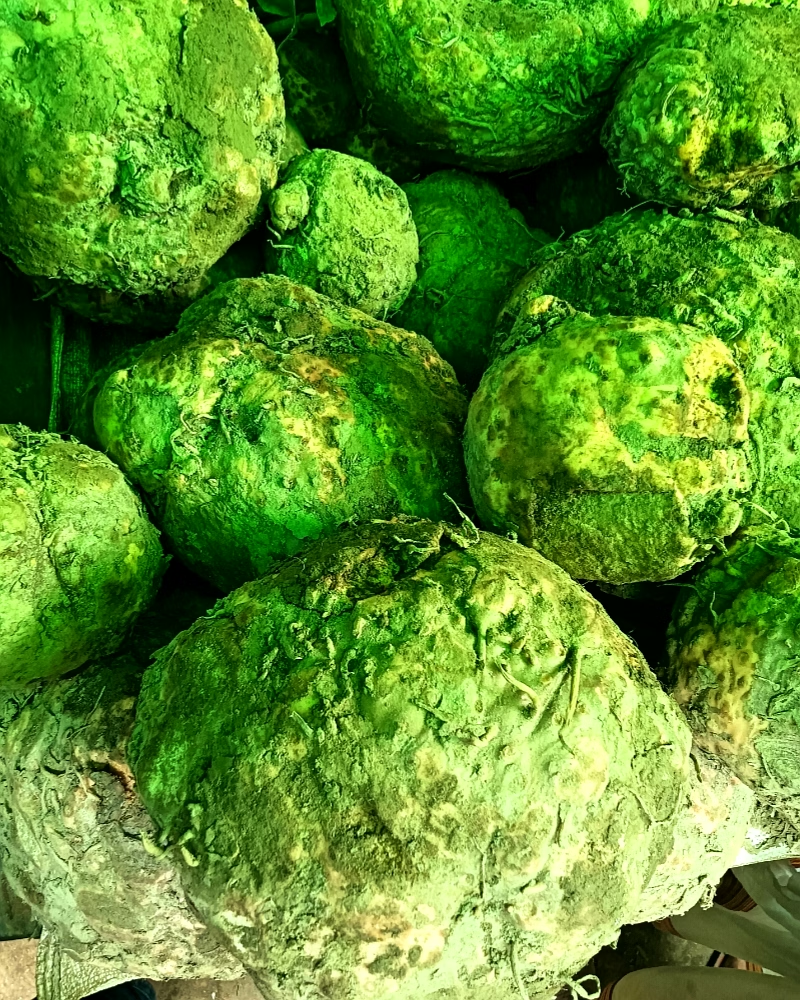
Elephant Foot Yam (Amorphophallus paeoniifolius), commonly known as Suran or Jimikand in India, is a large tropical tuber widely recognized for its rich nutritional profile and culinary versatility. Belonging to the Araceae family, this tuber is prized in various regional cuisines, especially across South and Southeast Asia. Grown primarily in tropical climates, Elephant Foot Yam thrives due to its ability to withstand diverse growing conditions while delivering high yields. Its substantial corm can be processed into multiple products including fresh tubers for cooking, dried forms, and value-added products like chips and flour. The tuber is a powerhouse of carbohydrates, dietary fiber, essential vitamins such as Vitamin C, and minerals including potassium and magnesium. Due to its unique texture and flavor, Elephant Foot Yam is utilized in curries, stews, and snacks. In industrial and agricultural sectors, Elephant Foot Yam serves as a raw material for starch extraction and animal feed. The product is categorized under HS code 07143000. Its large size, nutrient density, and multipurpose usability make it an essential commodity in B2B markets ranging from food processing companies, agricultural suppliers to wholesale distributors.
Key Features
| Features | Description |
|---|---|
| Scientific Name | Amorphophallus paeoniifolius |
| Common Names | Elephant Foot Yam, Suran, Jimikand |
| HS Code | 07143000 |
| Nutritional Benefits | High in carbohydrates, dietary fiber, Vitamin C, potassium, magnesium |
| Tuber Size | Large, bulky corm typically weighing up to several kilograms |
| Cultivation Climate | Tropical, thrives in warm, humid conditions |
| Uses | Cooking ingredient, starch extraction, animal feed |
| Harvest Period | Typically 8-12 months after planting |
| Shelf Life | Fresh tubers can last 2-3 weeks under proper storage |
| Processing Forms | Fresh tubers, dried slices, chips, flour |
| Attributes | Description |
|---|---|
| Botanical Family | Araceae |
| Texture | Firm when raw, soft and starchy when cooked |
| Color of Flesh | White to pale yellow |
| Average Weight per Tuber | 2-5 kilograms |
| Storage Temperature | 10-15°C for extended freshness |
| Moisture Content | Approximately 65-70% |
| Cultivation Regions | Indian Subcontinent, Southeast Asia, parts of Africa |
| Packaging Options | Bulk crates, vacuum packs, woven sacks for dry forms |
| Nutrient Content per 100g | Carbohydrates - 25g, Protein - 2g, Fiber - 3g, Vitamin C - 15mg |
*Disclaimer: The above description has been AI-generated and has not been audited or verified for accuracy. It is recommended to verify product details independently before making any purchasing decisions.
Elephant Foot Yam should be stored at temperatures between 10-15°C in well-ventilated areas to maintain freshness for up to 2-3 weeks.
Yes, aside from fresh tubers, Elephant Foot Yam is available in dried slices, chips, and flour suitable for various industrial applications.
Elephant Foot Yam is usually harvested 8-12 months post planting depending on climatic conditions and cultivation practices.
Yes, due to its high carbohydrate content, this tuber is widely utilized for starch extraction in the food and industrial sectors.
Commercially supplied tubers typically weigh between 2 to 5 kilograms per unit.
Country Of Origin: India
Inclusive of all taxes
You Save: 0
Arwal , India
Manufacturer, Retailer, Distributor, Exporter, Importer, Wholesaler, Startup