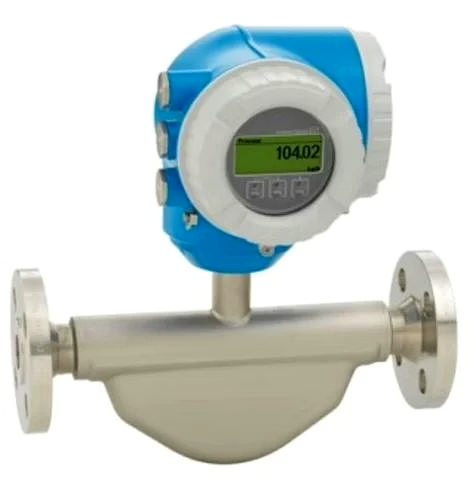
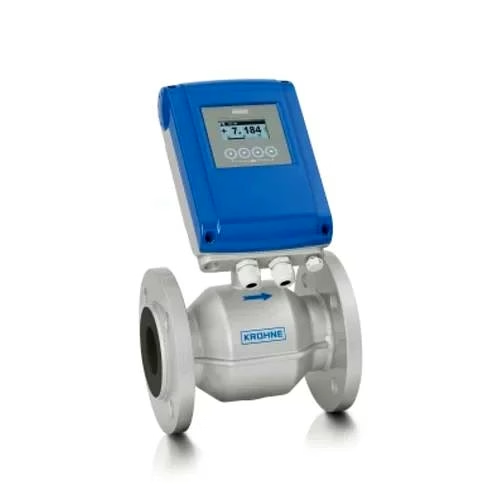
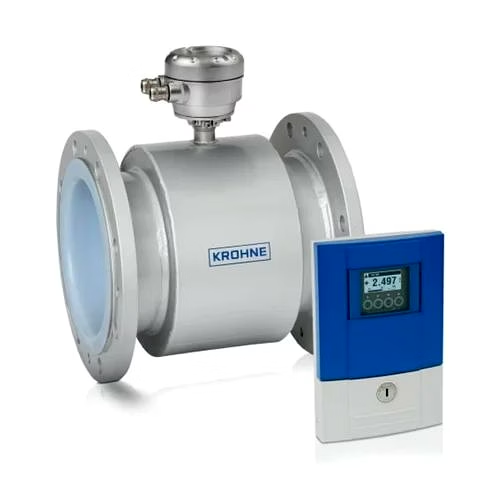
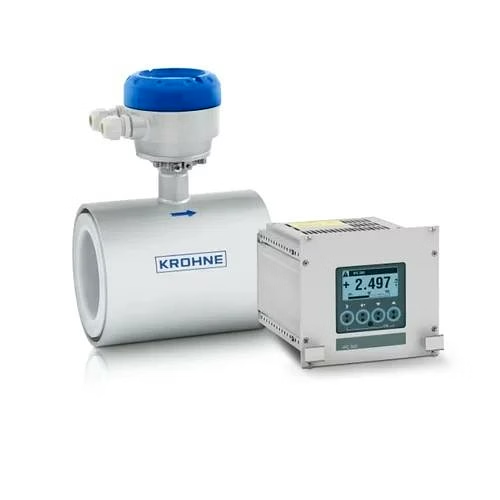
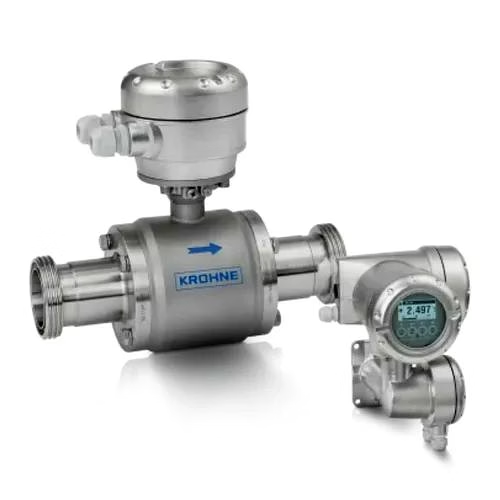
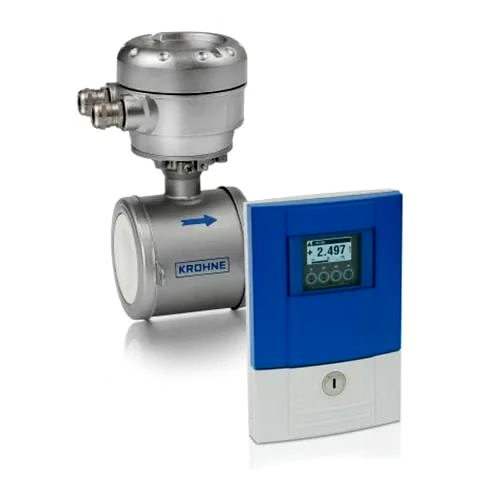
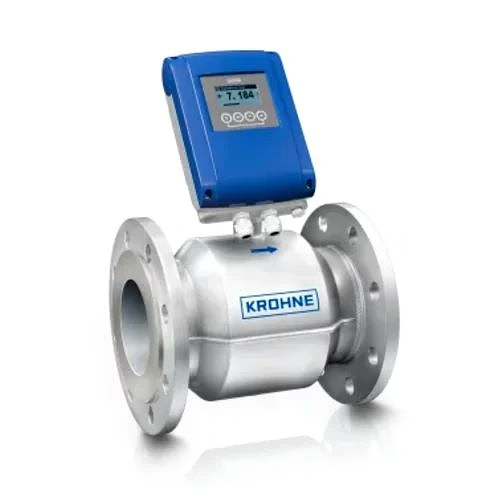
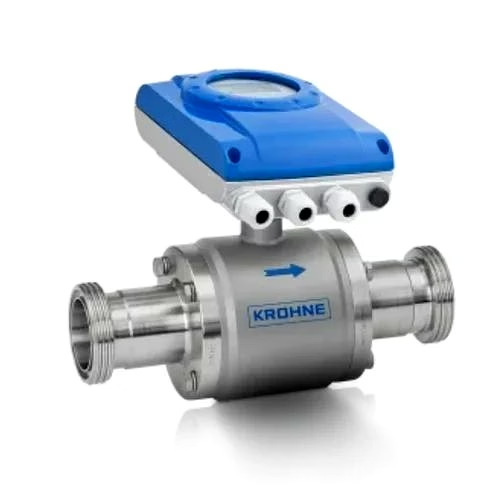
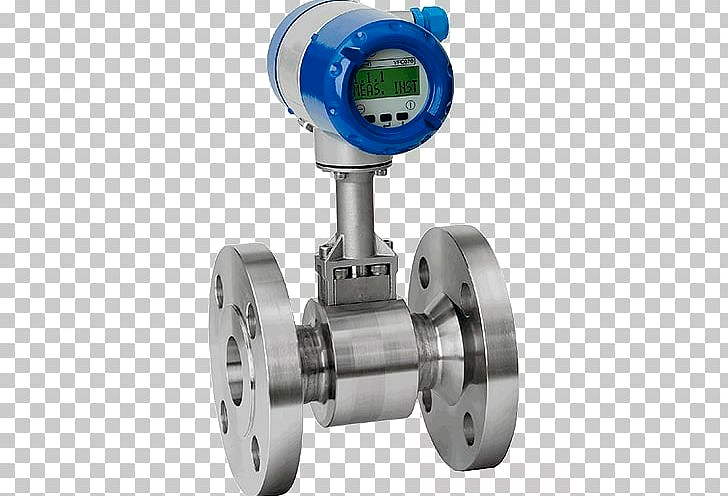
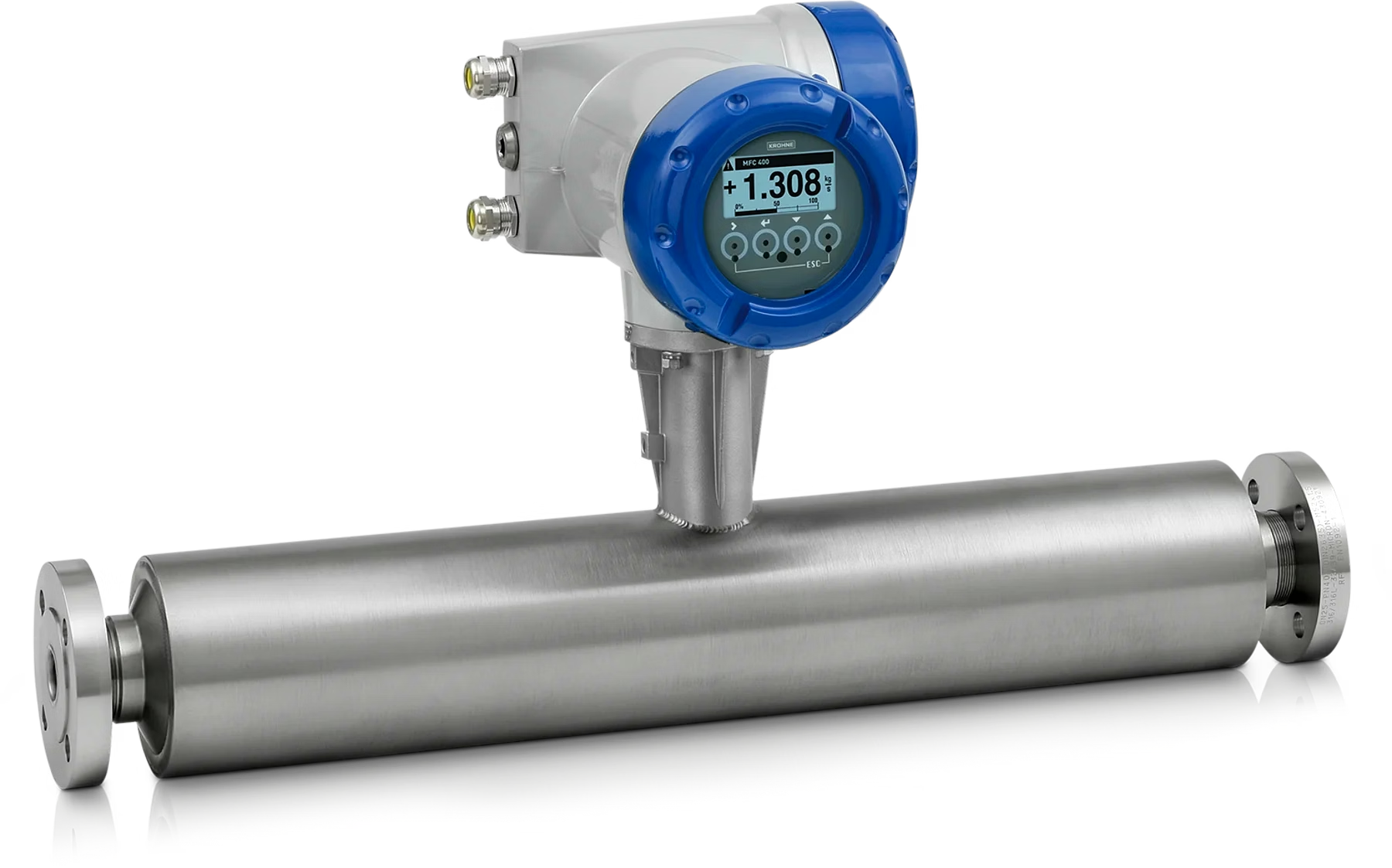
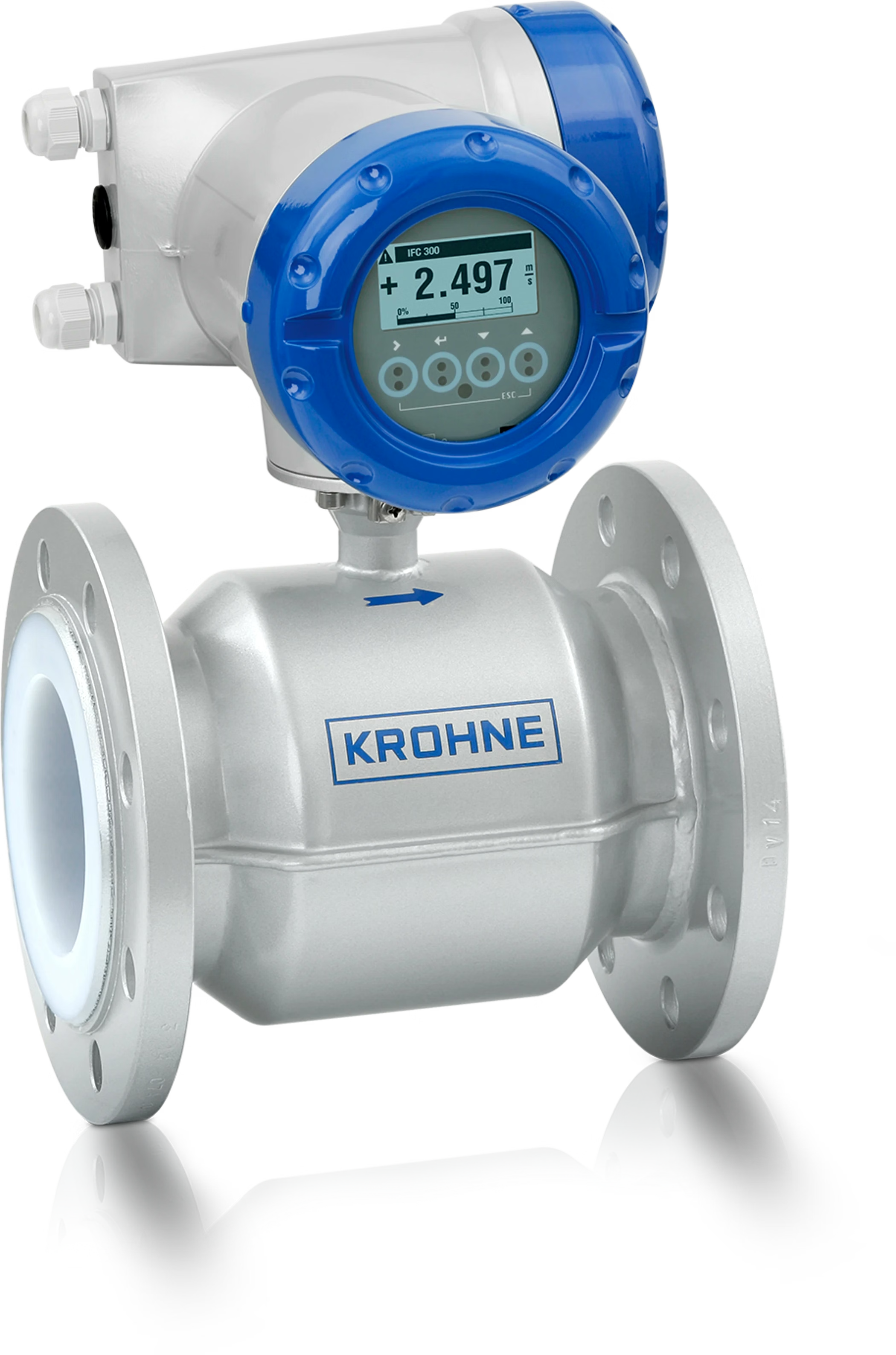
Electromagnetic Flow Meter is used to measure flow of conductive liquid in pipeline. Accurate measurement.
The electromagnetic flowmeter uses Faraday's Law of electromagnetic induction to measure the process flow. When an electrically conductive fluid flows in the pipe, an electrode voltage E is induced between a pair of electrodes placed at right angles to the direction of magnetic field.
An electromagnetic flow meter, also known as a mag meter, measures the flow rate of electrically conductive fluids using electromagnetic induction. It works by inducing a voltage in the fluid as it passes through a magnetic field, and this voltage is proportional to the fluid's velocity.
Electromagnetic flow meters, which are most commonly installed into pipes, consist of a tube with coils that generate a magnetic field and electrodes that detect voltage induced by the moving fluid. As a conductive fluid flows through a pipe of diameter (D) and through a magnetic field density (B) generated by the coils, the amount of voltage (E) developed across the electrodes – as predicted by Faraday’s Law – will be proportional to the velocity (V) of the liquid. Because the magnetic field density and the pipe diameter are fixed values, they can be combined into a calibration factor (K), and the equation reduces to:
E = KV
The velocity differences at different points of the flow profile are compensated for by a signal-weighing factor. Compensation is also provided by shaping the magnetic coils such that the magnetic flux will be greatest where the signal weighing factor is lowest.
Manufactures determine each magmeter’s K factor by water calibration of each flow tube. The K value thus obtained is valid for any other conductive liquid and is linear over the entire flow meter range. For this reason, flow tubes are usually calibrated at only one velocity. Magmeters can measure flow in both directions, as reversing direction will change the polarity but not the magnitude of the signal.
The K value obtained by water testing might not be valid for non-Newtonian fluids (with velocity-dependent viscosity) or magnetic slurries (those containing magnetic particles). These types of fluids can affect the density of the magnetic field in the tube. In-line calibration and special compensating designs should be considered for both of these fluids.
Brand: forbes marshall, e+h
Country Of Origin: India
Electromagnetic Flow Meter is used to measure flow of conductive liquid in pipeline. Accurate measurement.
The electromagnetic flowmeter uses Faraday's Law of electromagnetic induction to measure the process flow. When an electrically conductive fluid flows in the pipe, an electrode voltage E is induced between a pair of electrodes placed at right angles to the direction of magnetic field.
An electromagnetic flow meter, also known as a mag meter, measures the flow rate of electrically conductive fluids using electromagnetic induction. It works by inducing a voltage in the fluid as it passes through a magnetic field, and this voltage is proportional to the fluid's velocity.
Electromagnetic flow meters, which are most commonly installed into pipes, consist of a tube with coils that generate a magnetic field and electrodes that detect voltage induced by the moving fluid. As a conductive fluid flows through a pipe of diameter (D) and through a magnetic field density (B) generated by the coils, the amount of voltage (E) developed across the electrodes – as predicted by Faraday’s Law – will be proportional to the velocity (V) of the liquid. Because the magnetic field density and the pipe diameter are fixed values, they can be combined into a calibration factor (K), and the equation reduces to:
E = KV
The velocity differences at different points of the flow profile are compensated for by a signal-weighing factor. Compensation is also provided by shaping the magnetic coils such that the magnetic flux will be greatest where the signal weighing factor is lowest.
Manufactures determine each magmeter’s K factor by water calibration of each flow tube. The K value thus obtained is valid for any other conductive liquid and is linear over the entire flow meter range. For this reason, flow tubes are usually calibrated at only one velocity. Magmeters can measure flow in both directions, as reversing direction will change the polarity but not the magnitude of the signal.
The K value obtained by water testing might not be valid for non-Newtonian fluids (with velocity-dependent viscosity) or magnetic slurries (those containing magnetic particles). These types of fluids can affect the density of the magnetic field in the tube. In-line calibration and special compensating designs should be considered for both of these fluids.