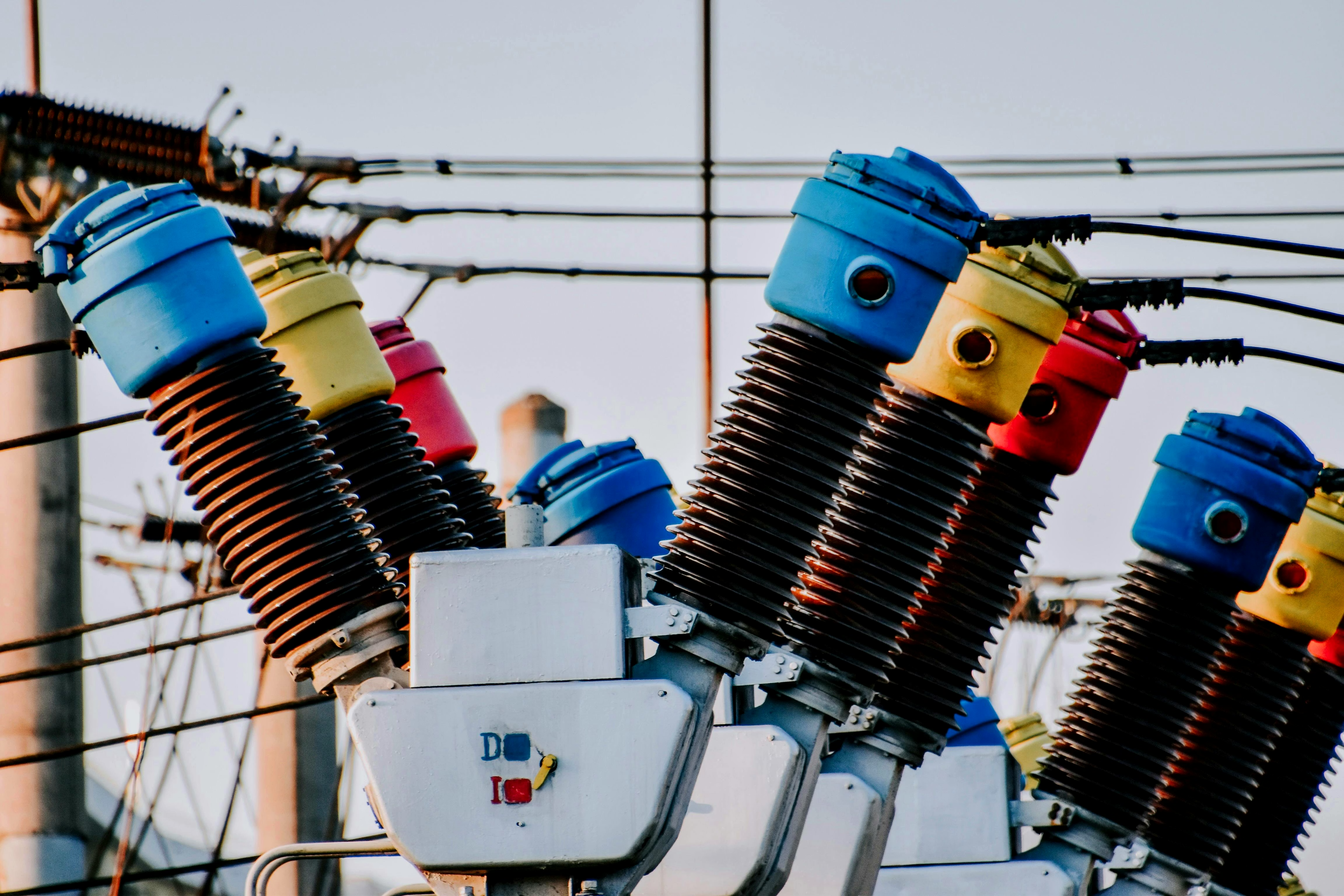
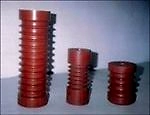
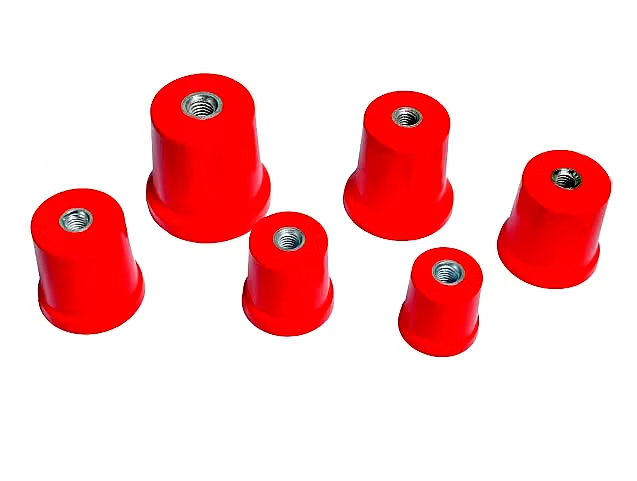
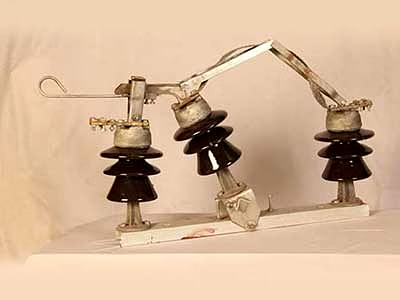
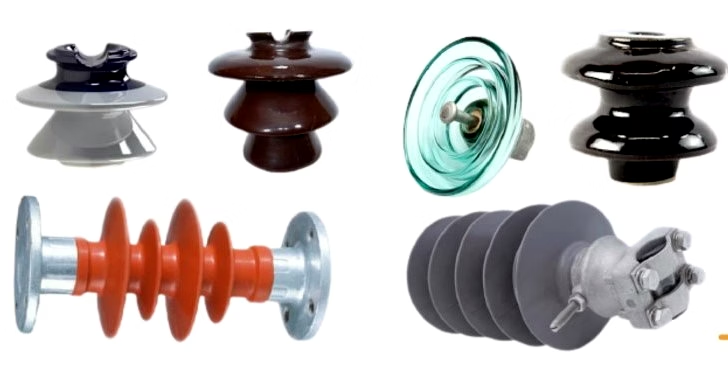
Electrical insulators, available in Ceramic and Polymer variants, are essential components used to prevent the flow of electric current in high-tension (HT) and low-tension (LT) overhead power lines. These insulators provide optimal electrical insulation and mechanical support ensuring safety and reliability in electrical transmission and distribution systems. The ceramic insulators are known for their high mechanical strength and resistance to weathering, while polymer insulators offer advantages such as lightweight design and superior resistance to vandalism and pollution. These insulators are designed for durability in external environments, resistance to electrical stress, and ease of installation, making them ideal for utility companies, power distribution industries, and electrical contractors working on overhead power line infrastructure.
Key Features
| Features | Description |
|---|---|
| Material Type | Ceramic and Polymer |
| Application | HT (High Tension) and LT (Low Tension) overhead power lines |
| Electrical Insulation | Prevents electric current flow between conductors and poles |
| Mechanical Strength | High mechanical strength to withstand environmental stresses |
| Weather Resistance | Resistant to UV radiation, moisture, pollution, and temperature variations |
| Weight | Polymer insulators are lightweight compared to ceramic |
| Durability | Long service life suitable for outdoor installation |
| Installation | Designed for easy mounting on overhead line structures |
| Vandalism Resistance | Polymer insulators resist damage and vandalism better than ceramic |
| Maintenance | Requires minimal maintenance due to robust materials |
| Attributes | Description |
|---|---|
| Voltage Rating | Ranges from low tension (up to 1 kV) to high tension levels (up to 33 kV and beyond) |
| Creepage Distance | Optimized based on voltage and environmental conditions |
| Operating Temperature Range | -40°C to +120°C |
| Standards Compliance | Conforms to IEC 61109, IS 3639, and IS 2071 for insulator quality |
| Dimensions | Varies by model and design; available in disc, pin, and post configurations |
| Material Composition | Ceramic (porcelain) or polymer housing with fiberglass core |
| Color | Typically white or gray for ceramic; black for polymer |
| Mechanical Load Capacity | Designed to handle mechanical loads due to conductor tension and wind |
*Disclaimer: The above description has been AI-generated and has not been audited or verified for accuracy. It is recommended to verify product details independently before making any purchasing decisions.
Ceramic insulators offer high mechanical strength, excellent heat resistance, and longer proven service life; however, they are heavier and more brittle. Polymer insulators are lightweight, have superior resistance against vandalism, and perform better in polluted environments but may have shorter service life under extreme UV exposure.
The insulators are designed specifically for voltage ratings corresponding to HT or LT lines. Proper selection based on voltage level, mechanical load, and environmental conditions is critical to ensure safety and performance.
These insulators comply with IEC 61109 for composite insulators, IS 3639 for high voltage porcelain insulators, and IS 2071 for testing procedures, aligning with Indian regulatory requirements.
Ceramic insulators require regular inspection for cracks or chips but are generally low maintenance. Polymer insulators require monitoring for housing degradation, especially UV-induced aging, but are resistant to contamination and vandalism.
Yes, both ceramic and polymer insulators are designed for outdoor use with resistant materials. Polymer insulators particularly perform well in polluted or coastal areas due to hydrophobic surfaces reducing contamination build-up.
Country Of Origin: India
Ceramic and Polymer electrical insulators preventing the flow of electric current. Used in HT/LT overhead lines
Inclusive of all taxes
You Save: 0
Vadodara , India
Service Provider , Manufacturer, Contractor, Exporter, Wholesaler