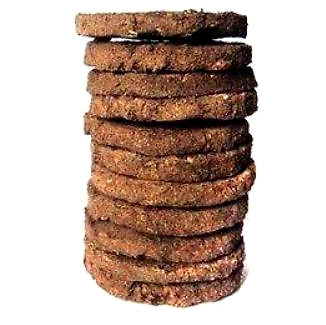
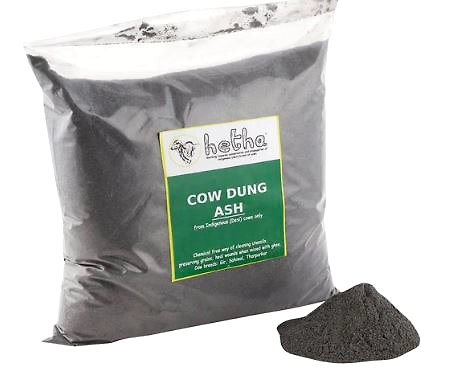
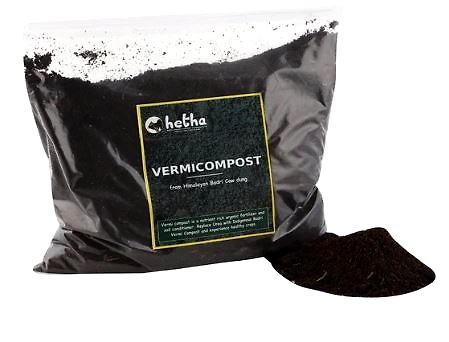
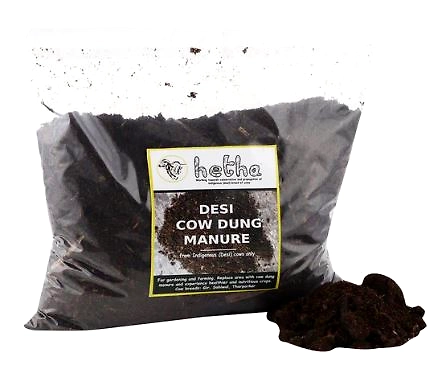
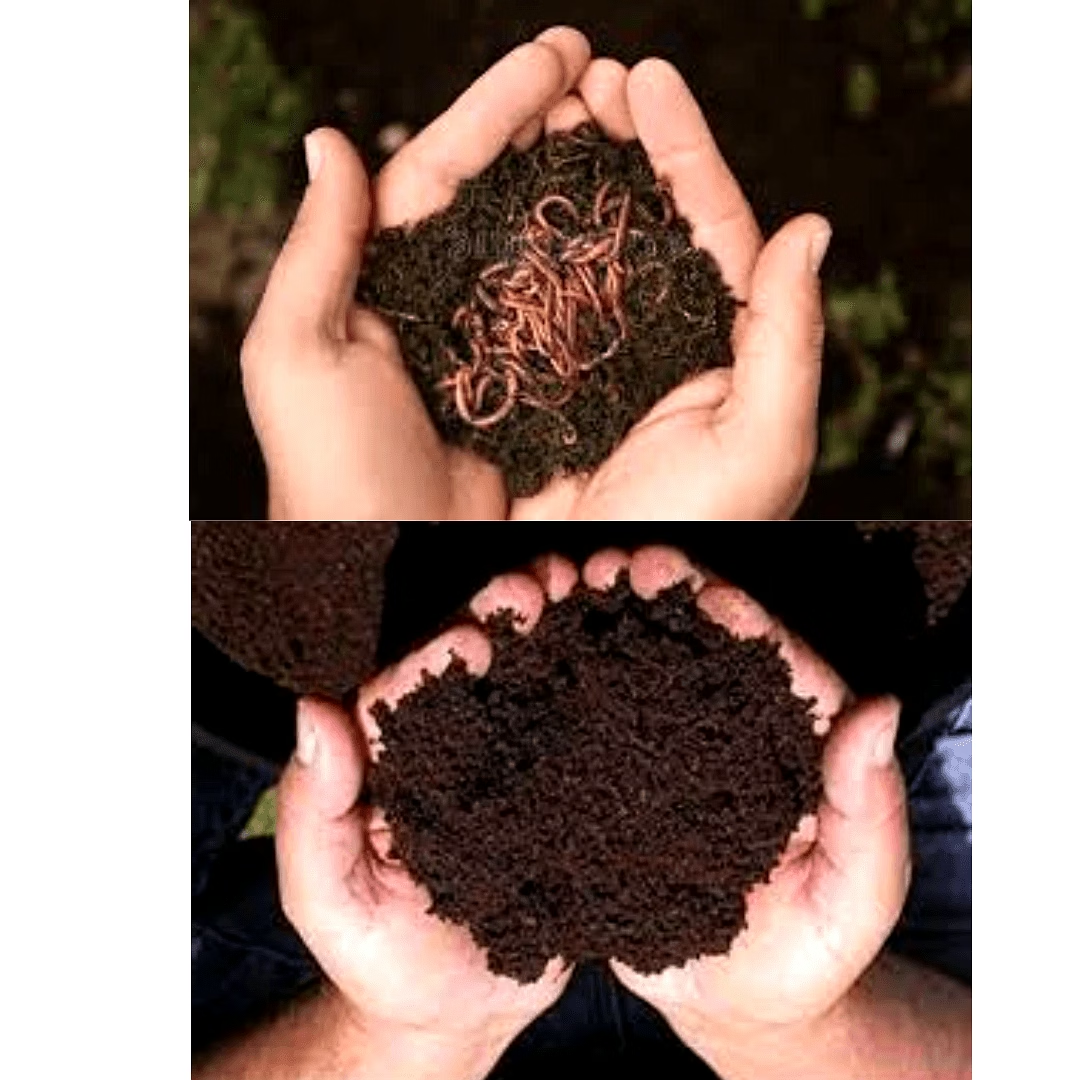
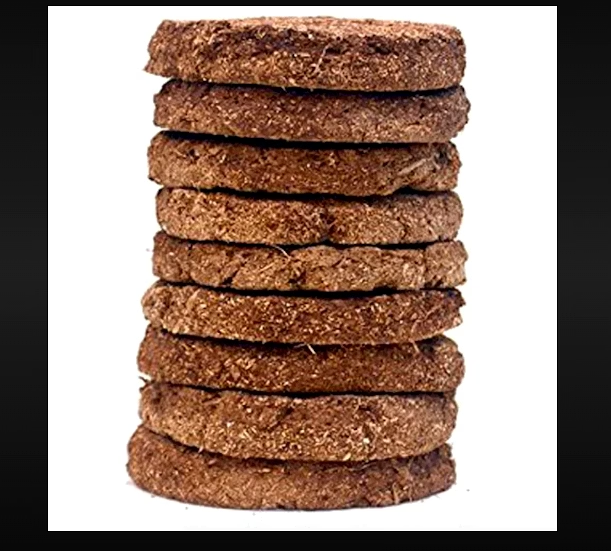
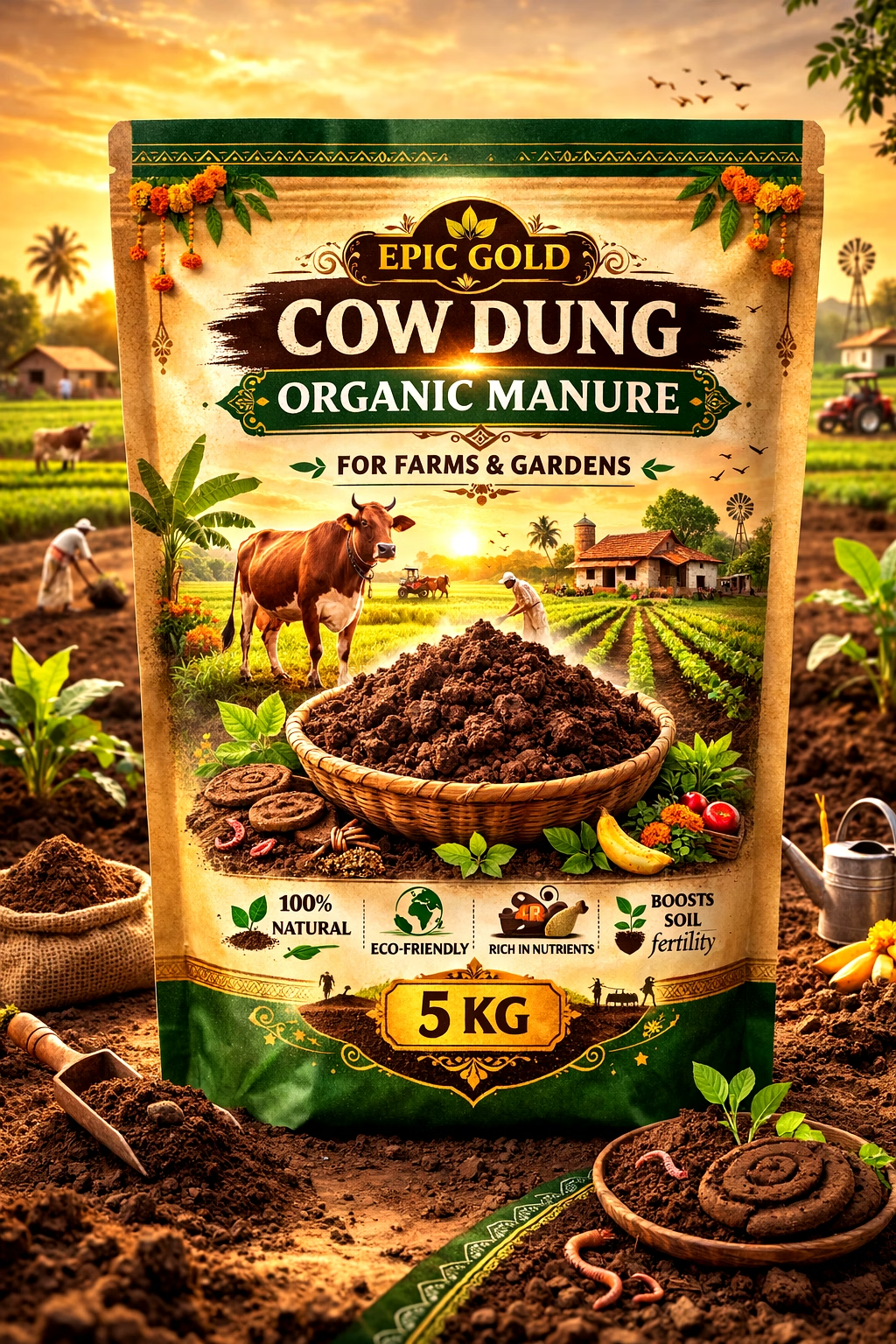
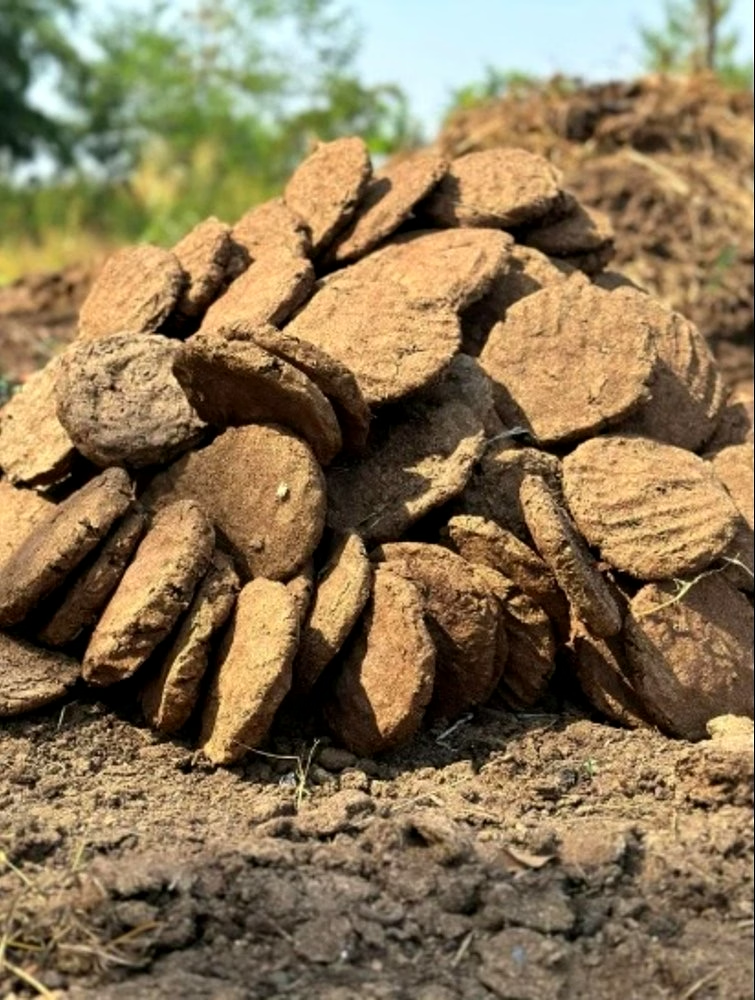
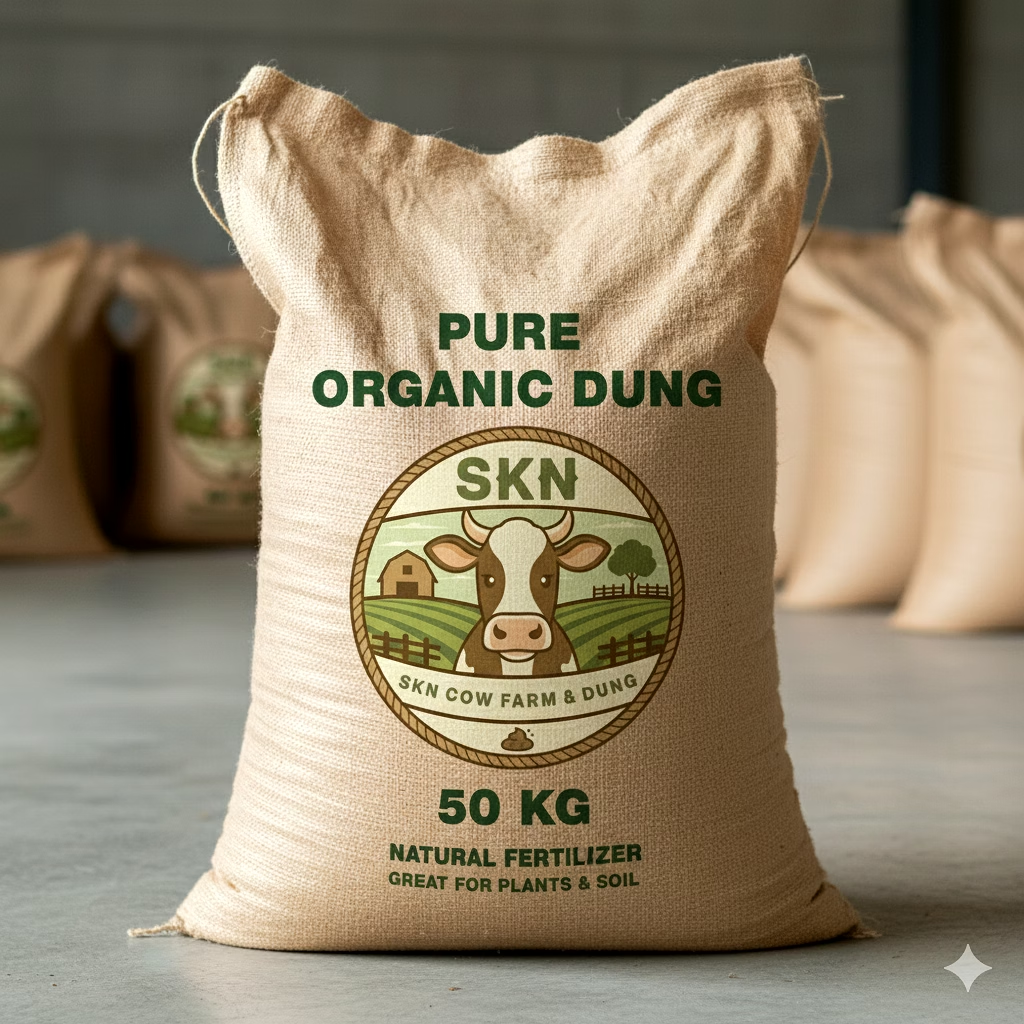
Dung is an organic waste product primarily composed of the fecal matter of herbivorous animals such as cows, horses, buffaloes, and goats. It is widely used in various agricultural and industrial applications due to its nutrient-rich composition and biodegradability. Dung acts as a natural fertilizer that enriches soil fertility by providing essential nutrients like nitrogen, phosphorus, and potassium, fostering healthier crop growth. Additionally, it can be composted and processed into biogas, serving as an eco-friendly energy source. In the B2B sector, raw or processed dung is in demand by agricultural businesses, organic farms, biogas plants, and manufacturers of natural fertilizers and soil conditioners. This product is often supplied in bulk, available as fresh dung, dried cakes, or pelletized forms depending on the client requirements. It offers a sustainable alternative to chemical fertilizers, promoting environmental conservation and improved soil health.
Key Features
| Features | Description |
|---|---|
| Source | Fecal matter of herbivorous animals such as cows, buffaloes, horses, and goats |
| Composition | Rich in organic matter with essential nutrients: nitrogen, phosphorus, and potassium |
| Forms Available | Fresh dung, dried dung cakes, pelletized dung |
| Primary Uses | Natural fertilizer, soil conditioner, composting material, biogas production |
| Packaging | Bulk supply in bags, pallets, or loose depending on buyer requirements |
| Sustainability | 100% organic, biodegradable, eco-friendly fertilizer alternative |
| Shelf Life | Varies; dried and pelletized forms have longer shelf life compared to fresh dung |
| Application Method | Direct soil application, compost mixing, or biogas plant feedstock |
| Attributes | Description |
|---|---|
| Moisture Content | Approximately 70-80% in fresh dung, reduced in dried forms |
| Nitrogen Content (N) | Generally ranges between 0.5% to 2% depending on animal source |
| Phosphorus Content (P2O5) | Typically 0.2% to 1% |
| Potassium Content (K2O) | Ranges from 0.5% to 1.5% |
| pH Level | Usually neutral to slightly alkaline (6.5-8) |
| Bulk Density | Varies depending on moisture and form; approx 600-800 kg/m³ for dried dung |
| Packaging Weight | Available in 25 kg to 1 ton bulk bags |
| Origin | Farm or dairy-based supply, fresh from livestock |
*Disclaimer: The above description has been AI-generated and has not been audited or verified for accuracy. It is recommended to verify product details independently before making any purchasing decisions.
Bulk supply options include fresh dung, dried dung cakes, and pelletized dung tailored to specific client needs.
Fresh dung is often composted before use to reduce pathogens, but dried and pelletized forms can be applied directly as a soil conditioner.
Yes, herbivorous animal dung is a preferred organic feedstock for biogas production due to its high organic content.
Cow dung generally has a nitrogen content of about 0.5-1.5%, while buffalo and horse dung may vary slightly but stay within similar nutrient ranges.
Dung is packaged in 25 kg bags, large sacks, or bulk pallets based on buyer requirements to ensure ease of transport and storage.
Country Of Origin: India