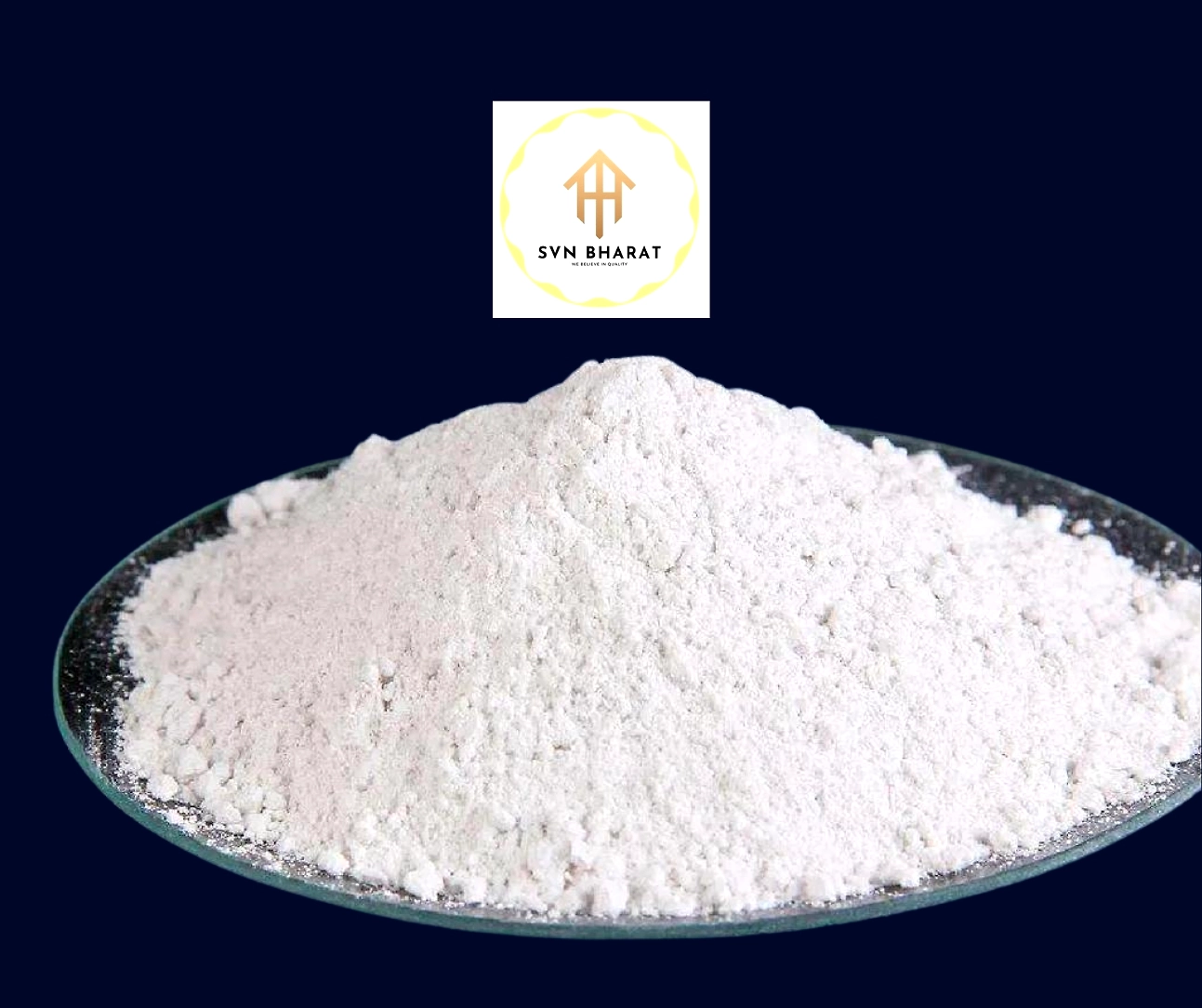
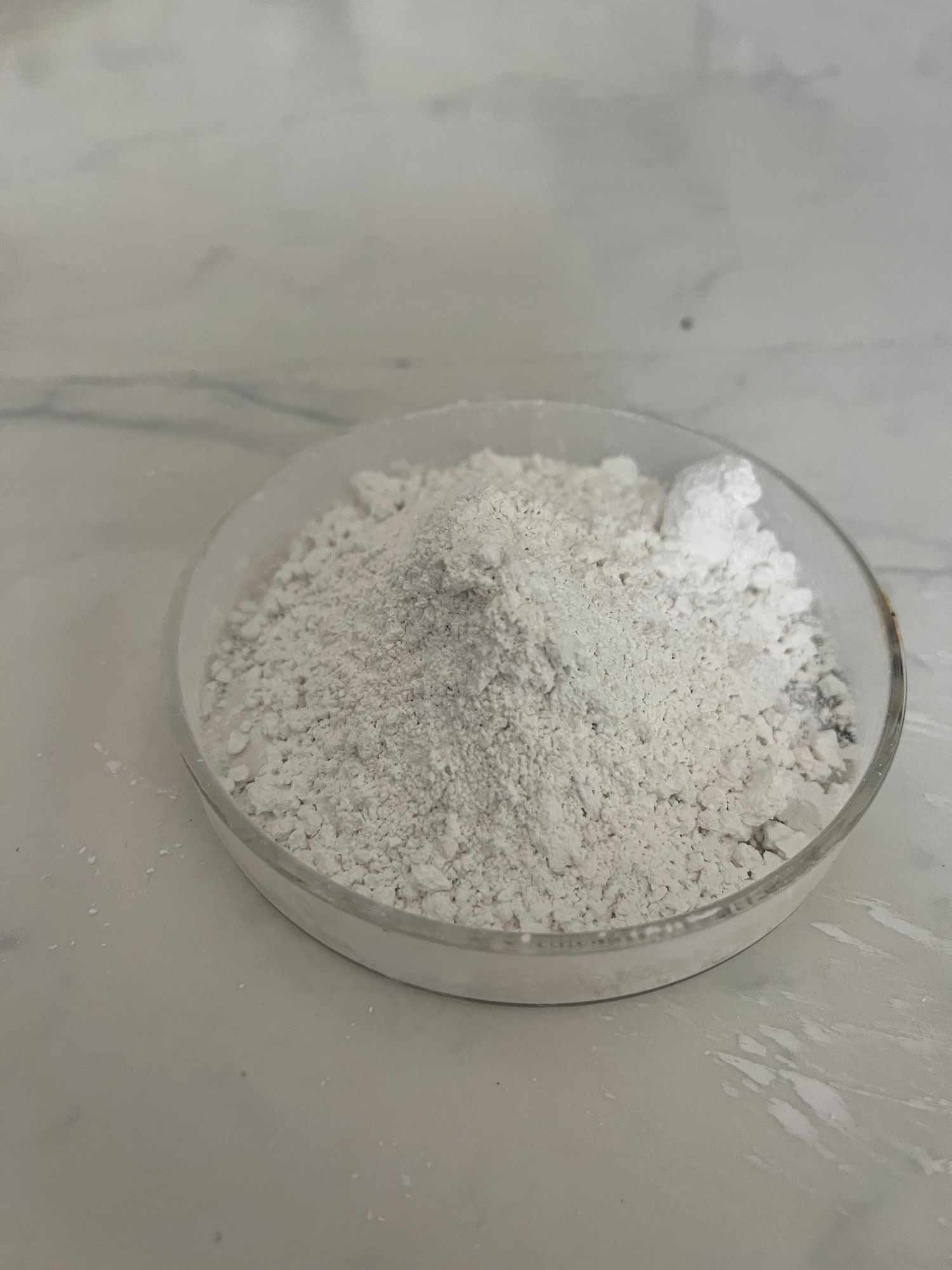
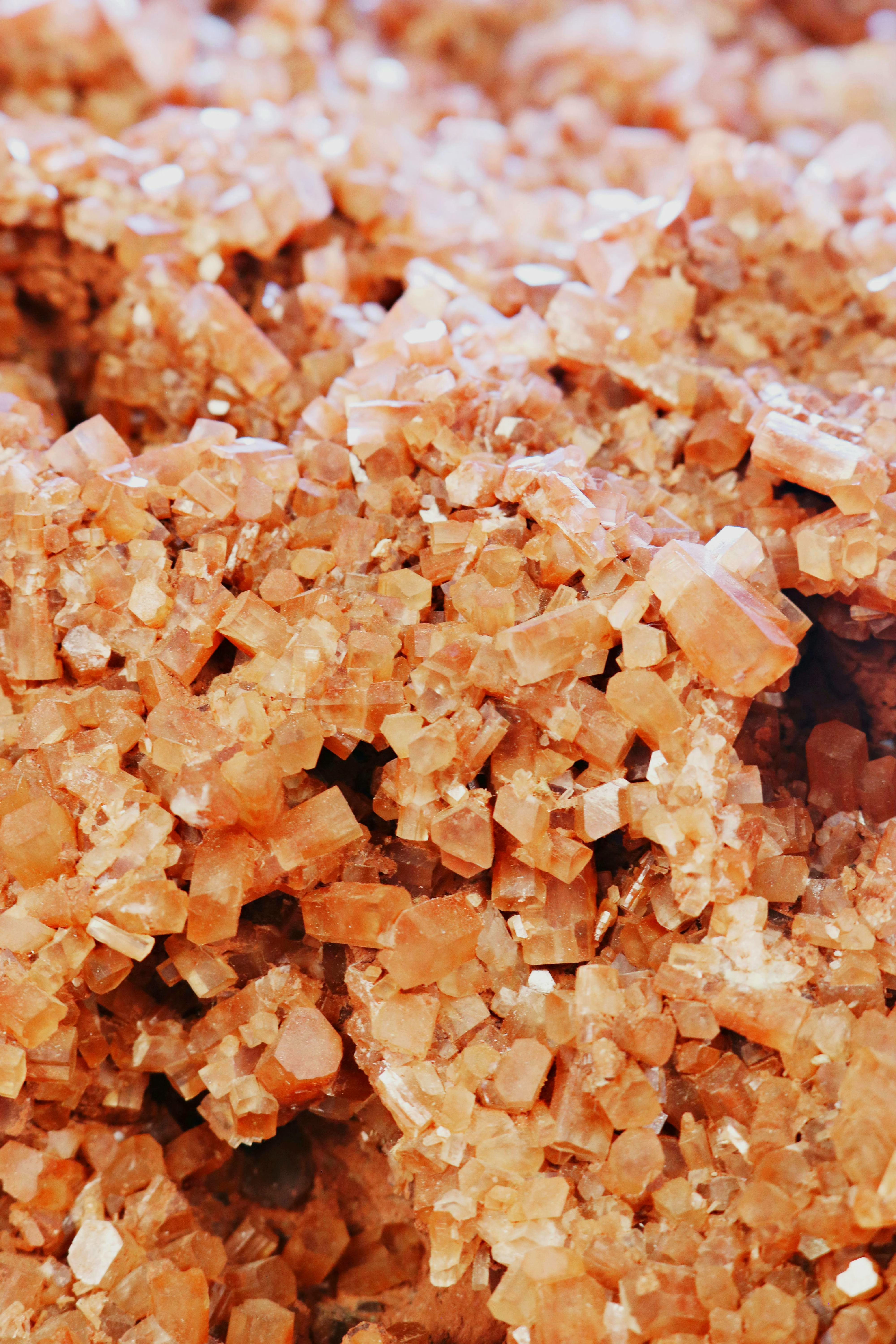
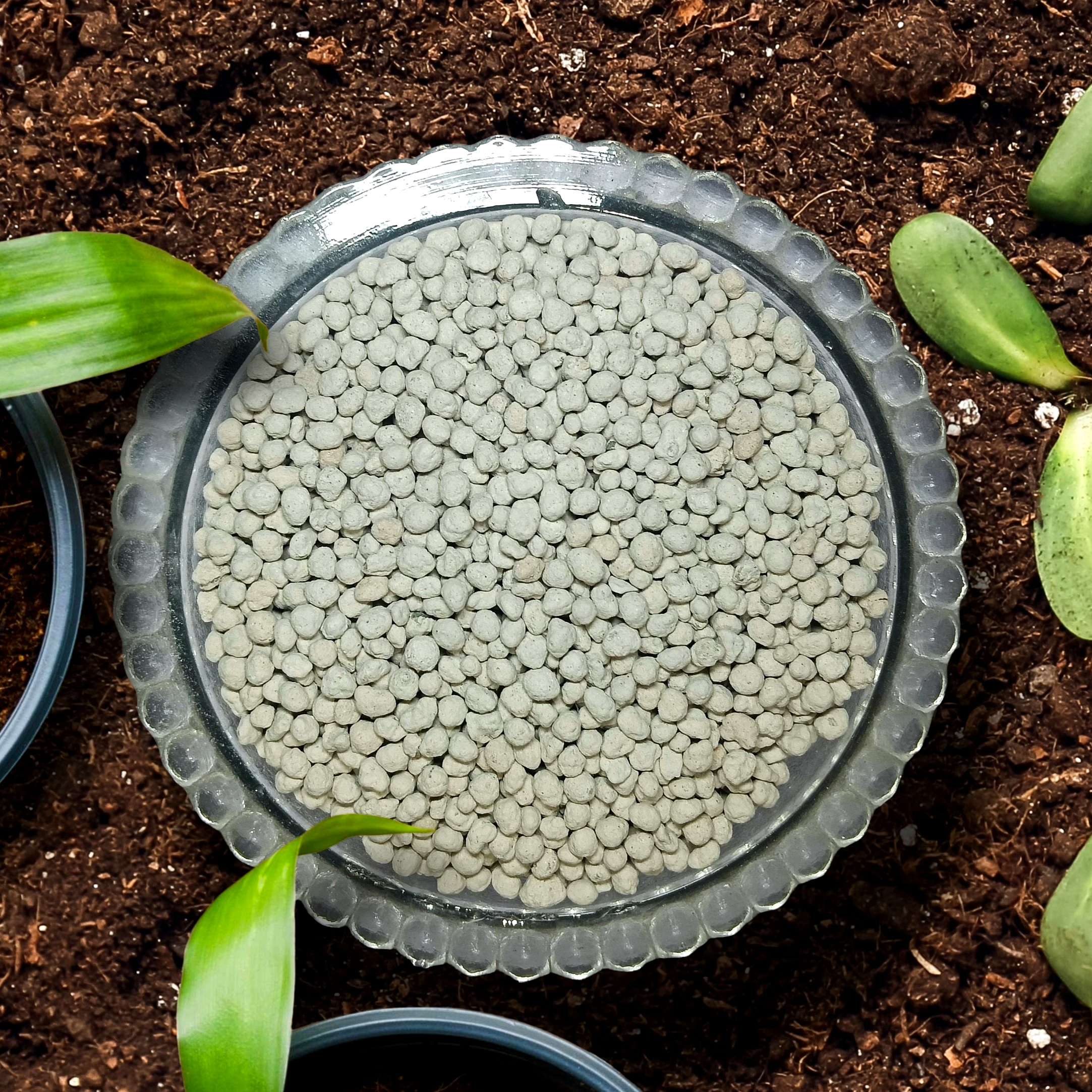
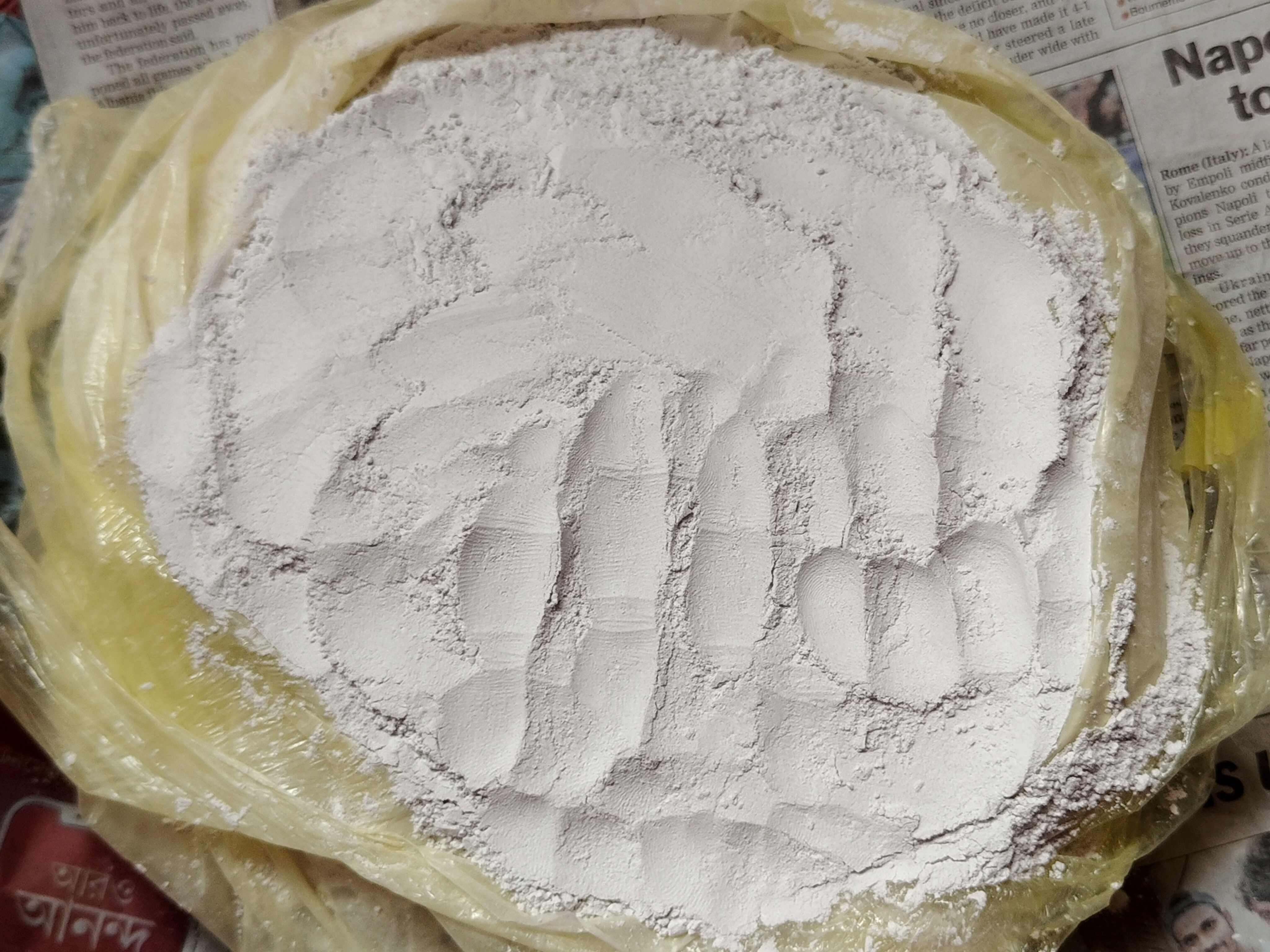
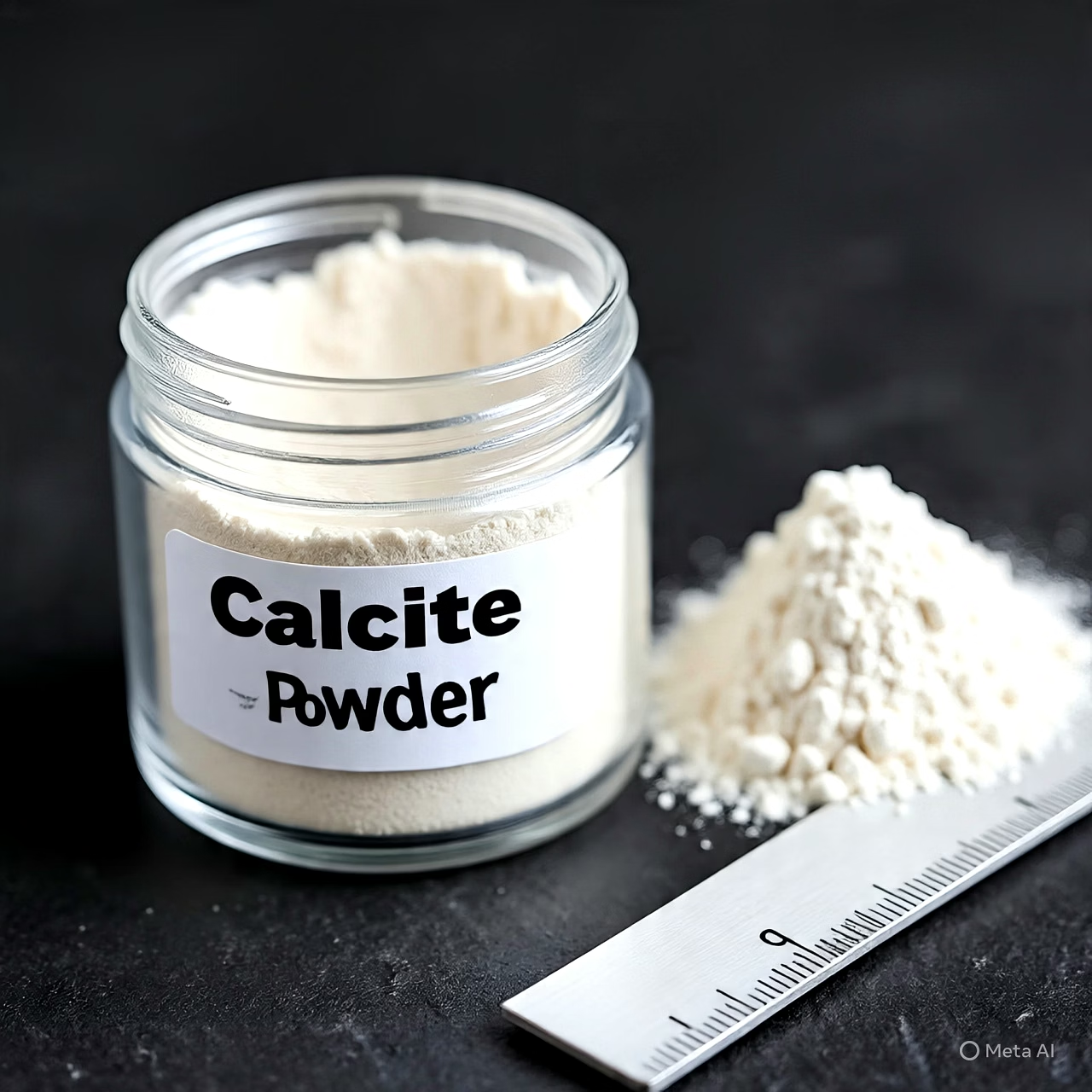
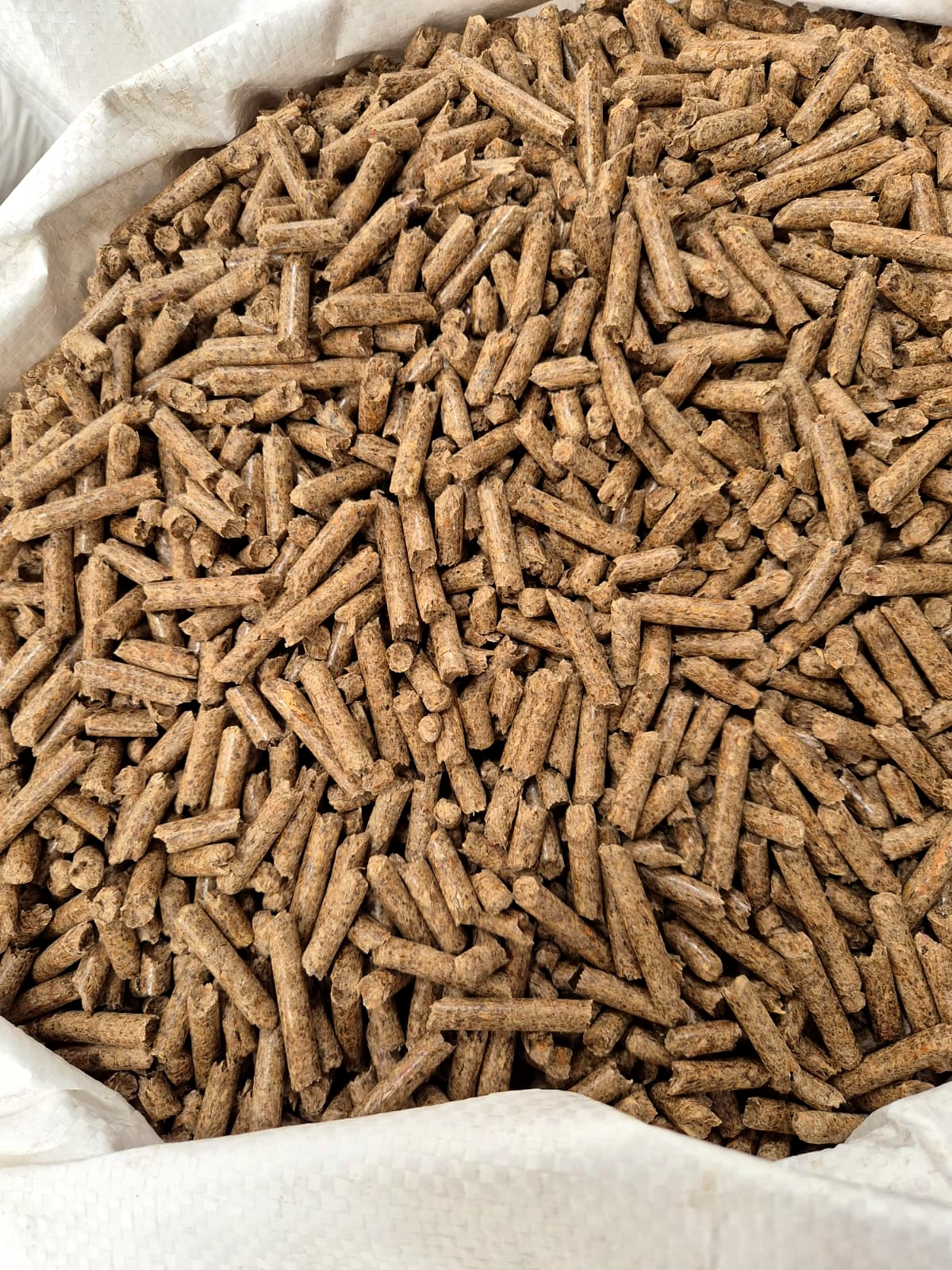
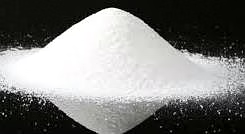
Dolomite Powder is a high-purity naturally occurring mineral composed of calcium and magnesium carbonates (CaMg(CO₃)₂), processed through advanced crushing, grinding, and micronizing methods. It features a typical calcium carbonate content ranging from 30–35% and magnesium carbonate content between 18–22%, combined with minimal impurities such as silica, iron oxide, and alumina. The fine, white to off-white powder exhibits excellent physical properties, including moderate hardness (3.5–4 Mohs), alkaline pH (9–10), and a specific gravity of approximately 2.8–2.9. Insoluble in water, dolomite powder reacts specifically with acids, making it highly functional across various industrial sectors. In industrial applications, dolomite powder excels as a white extender pigment in paints and coatings, enhancing weather resistance and opacity. It is a vital filler material in plastics and polymers, contributing significantly to stiffness and dimensional stability in PVC and rubber products. In ceramics, it functions as a flux, improving vitrification for wall and floor tiles and sanitary ware manufacturing. The glass industry utilizes dolomite as a source of magnesium and calcium to increase product durability while reducing production costs. Construction industries leverage dolomite as an additive in ready-mix concrete, asphalt, and wall putty to provide volume and improve surface finish. In agriculture, it acts as a soil conditioner, pH regulator, and source of essential magnesium for crops. The steel and metallurgy sector employs dolomite as a flux to remove impurities such as sulfur and phosphorus during steelmaking, improving metal quality. Its versatility and purity make this dolomite powder a premium industrial mineral suitable for B2B applications requiring consistent quality and specific mineral properties.
Key Features
| Features | Description |
|---|---|
| Chemical Composition | Calcium Carbonate 30–35%, Magnesium Carbonate 18–22%, Silica 0.5–2.5%, Iron Oxide <0.5%, Alumina <0.2%, Loss on Ignition 44–48% |
| Physical Form | Fine white to off-white or greyish powder |
| Hardness | 3.5–4 on Mohs scale |
| Specific Gravity | ~2.8–2.9 |
| pH Level | Alkaline pH between 9 and 10 |
| Particle Size | Available in multiple grades, from 10 microns to 300 mesh |
| Solubility | Insoluble in water; reactive with acids |
| Applications | Paints & Coatings, Plastics & Polymers, Ceramics, Glass Industry, Construction, Agriculture, Steel & Metallurgy |
| Industrial Benefits | Improves weather resistance, dimensional stability, vitrification, durability, and soil conditioning |
| Impurity Levels | Low levels of impurities ensuring high purity |
| Attributes | Description |
|---|---|
| Chemical Formula | CaMg(CO₃)₂ |
| Calcium Carbonate Content | 30–35% |
| Magnesium Carbonate Content | 18–22% |
| Silica Content | 0.5–2.5% |
| Iron Oxide Content | <0.5% |
| Alumina Content | <0.2% |
| Loss on Ignition | 44–48% |
| Color | White to off-white or greyish |
| Physical Form | Fine powder |
| Hardness | 3.5–4 Mohs |
| Specific Gravity | 2.8–2.9 |
| pH | 9–10 (Alkaline) |
| Particle Size Range | 10 microns to 300 mesh |
| Solubility | Insoluble in water, reactive with acids |
*Disclaimer: The above description has been AI-generated and has not been audited or verified for accuracy. It is recommended to verify product details independently before making any purchasing decisions.
The dolomite powder is available in particle sizes ranging from 10 microns to 300 mesh. Finer particle sizes improve dispersion in paints and coatings for better opacity, whereas coarser grades are preferred in construction applications for bulk filling and improved surface texture.
The 18–22% magnesium carbonate content in dolomite acts as a flux during steelmaking, helping to remove sulfur and phosphorus impurities and improving the quality of the final steel product.
Yes, it is well-suited for agriculture as a soil conditioner and pH regulator. The magnesium content supplies essential nutrients to plants, improving soil fertility and promoting healthy crop growth.
The dolomite powder contains low impurity levels with silica ranging from 0.5–2.5%, iron oxide below 0.5%, and alumina less than 0.2%, ensuring high purity and suitability for sensitive industrial processes.
The alkaline nature of the dolomite powder (pH 9-10) makes it effective as a pH regulator in agriculture and construction, neutralizing acidic soils and improving the chemical stability of concrete mixes.
Country Of Origin: India
Dolomite Powder is a naturally occurring double carbonate of calcium and magnesium, with the chemical formula CaMg(CO₃)₂. It is processed by crushing, grinding, and micronizing dolomite rock.
🔬 Chemical Composition
Component Typical Range (%)
Calcium Carbonate (CaCO₃) 30–35%
Magnesium Carbonate (MgCO₃) 18–22%
Silica (SiO₂) 0.5–2.5%
Iron Oxide (Fe₂O₃) <0.5%
Alumina (Al₂O₃) <0.2%
Loss on Ignition (LOI) 44–48%
⚙️ Physical Properties
Property Description
Color White to off-white or greyish
Form Fine powder
Hardness 3.5–4 on Mohs scale
Specific Gravity ~2.8–2.9
pH ~9–10 (alkaline)
Solubility Insoluble in water; reacts with acids
Particle Size Varies by grade (10 microns to 300 mesh)
Industrial Applications
1. Paints & Coatings
Acts as a white extender pigment.
Improves weather resistance and opacity.
2. Plastics & Polymers
Filler for PVC, rubber, and other thermoplastics.
Enhances stiffness and dimensional stability.
3. Ceramics
Used in wall and floor tiles, sanitary ware.
Acts as a flux and improves vitrification.
4. Glass Industry
Source of magnesium and calcium.
Increases durability and reduces production cost.
5. Construction
Used in ready-mix concrete, asphalt, wall putty.
Provides bulk and improves finish.
6. Agriculture
Soil conditioner and pH regulator.
Source of magnesium for plants.
7. Steel & Metallurgy
Acts as a flux in steelmaking.
Removes impurities like sulfur and phosphorus.