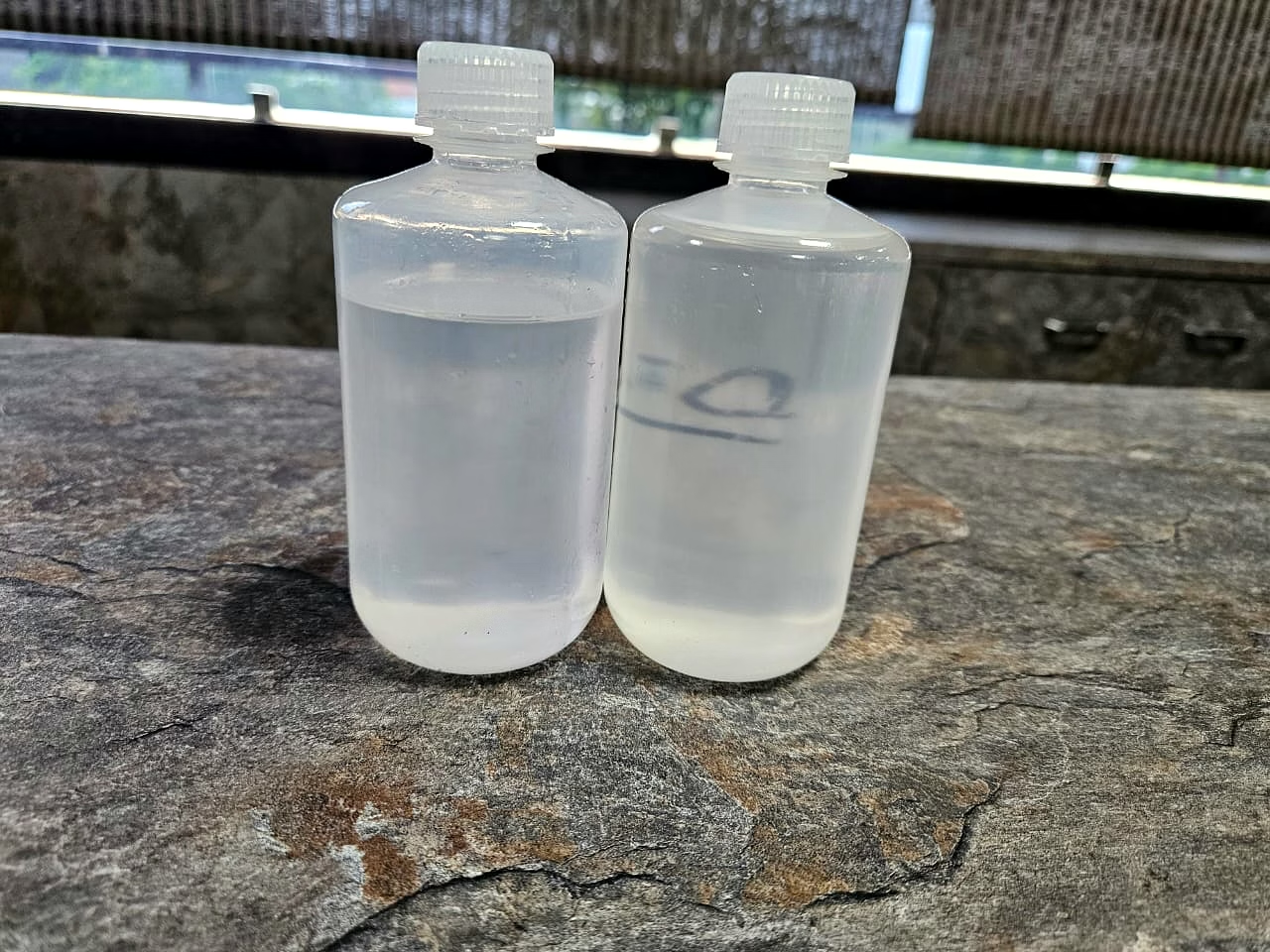
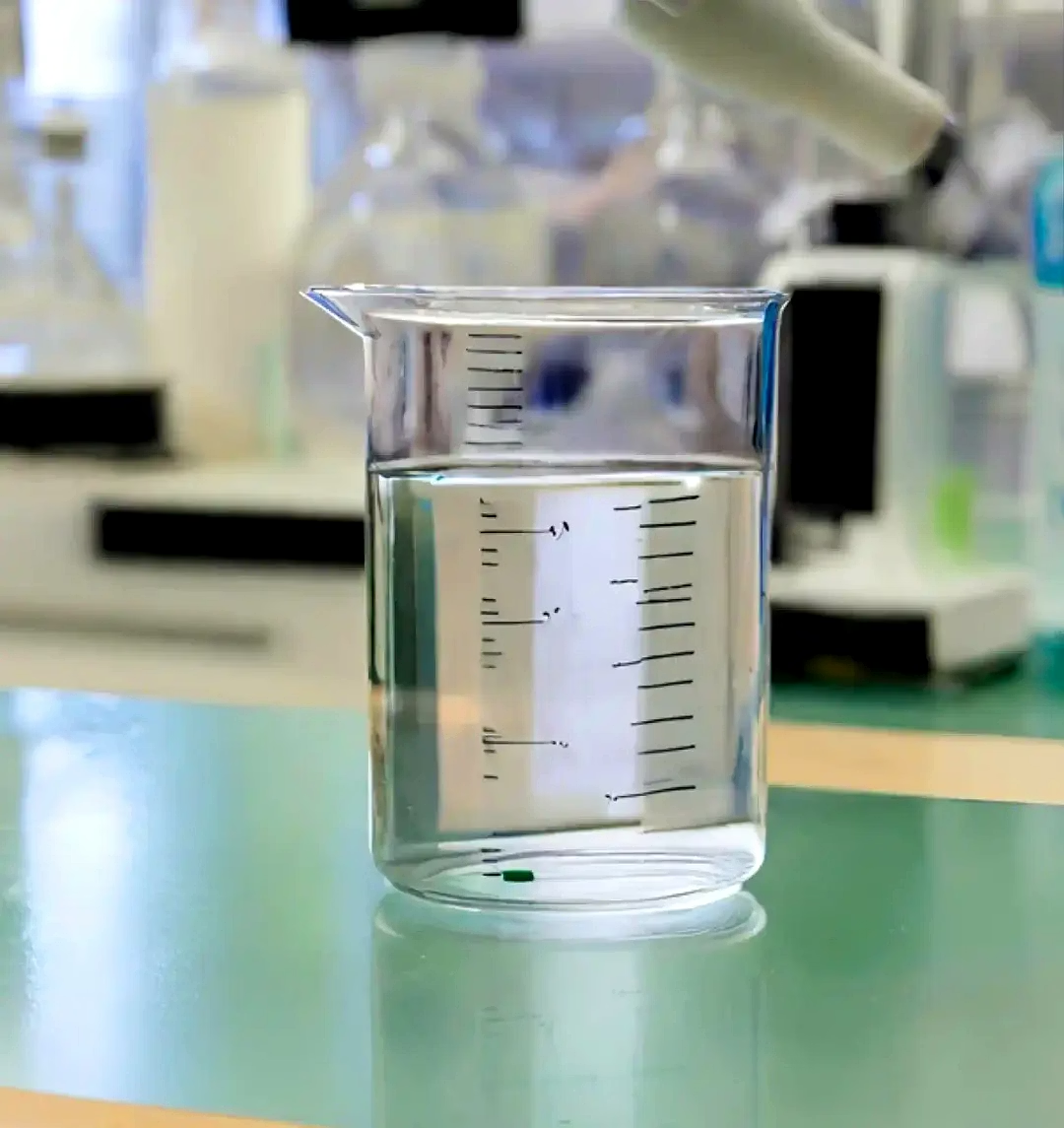
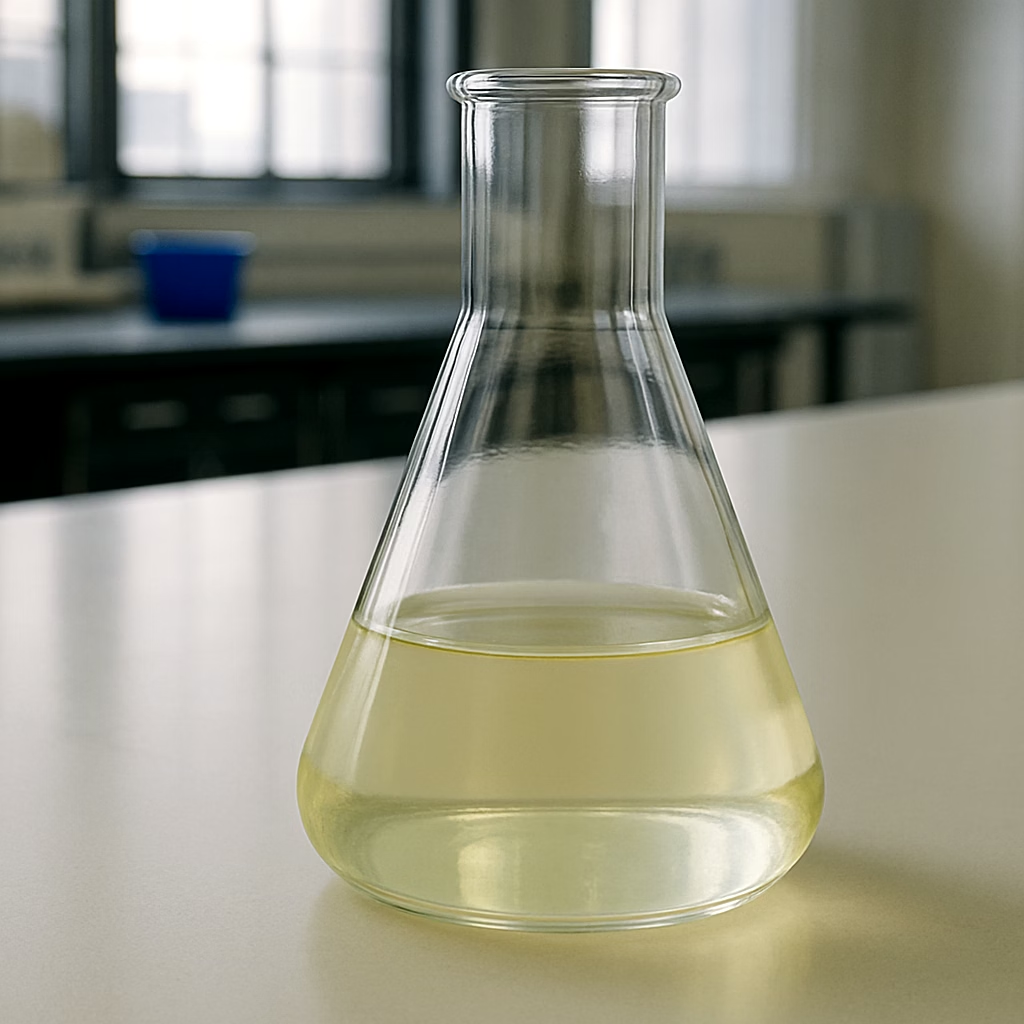
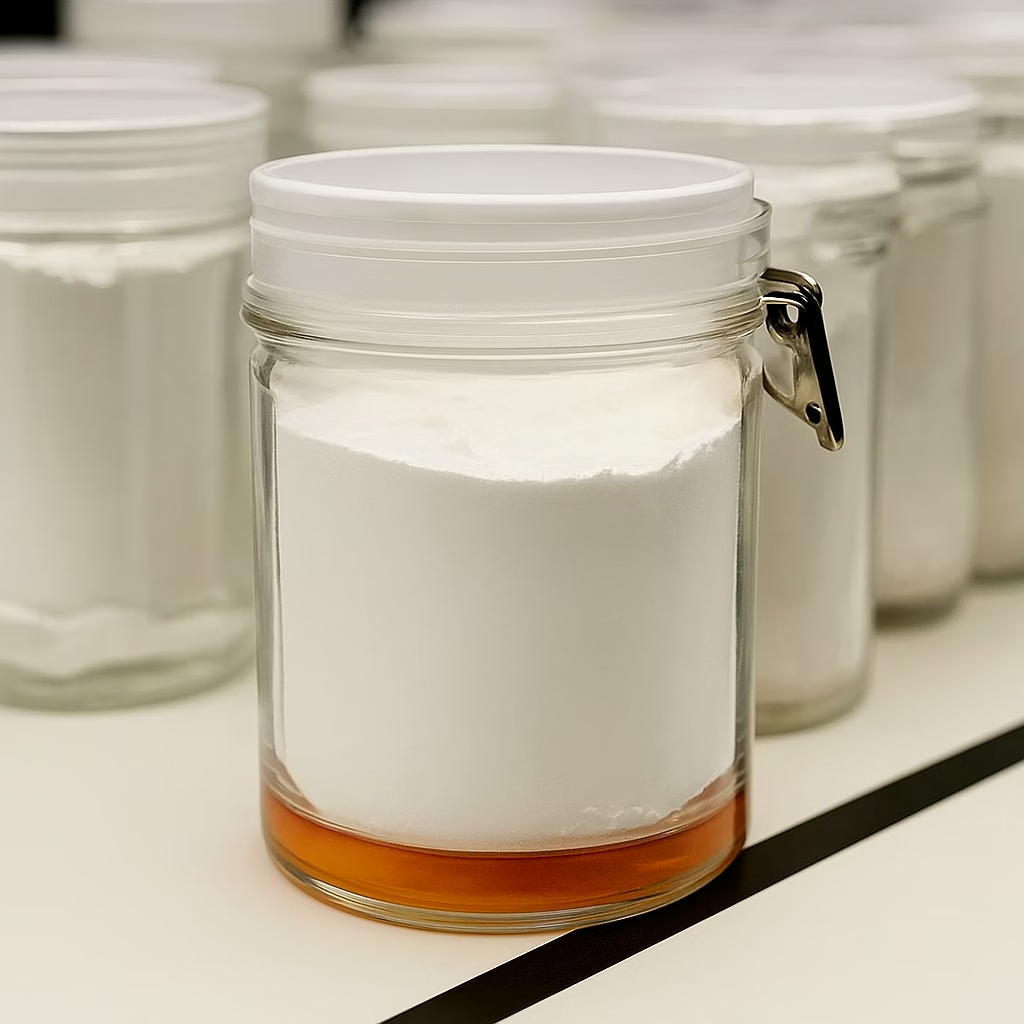
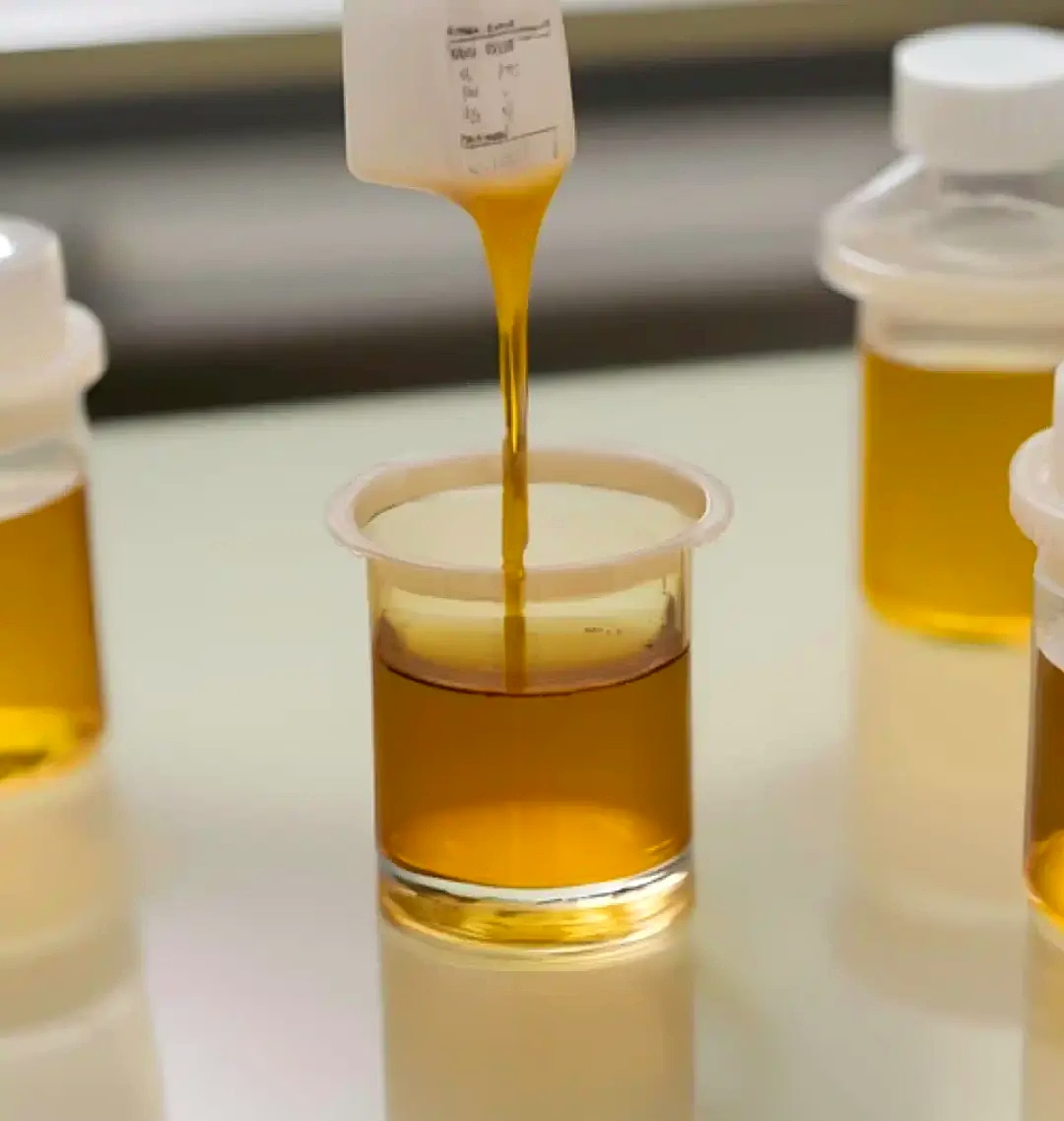
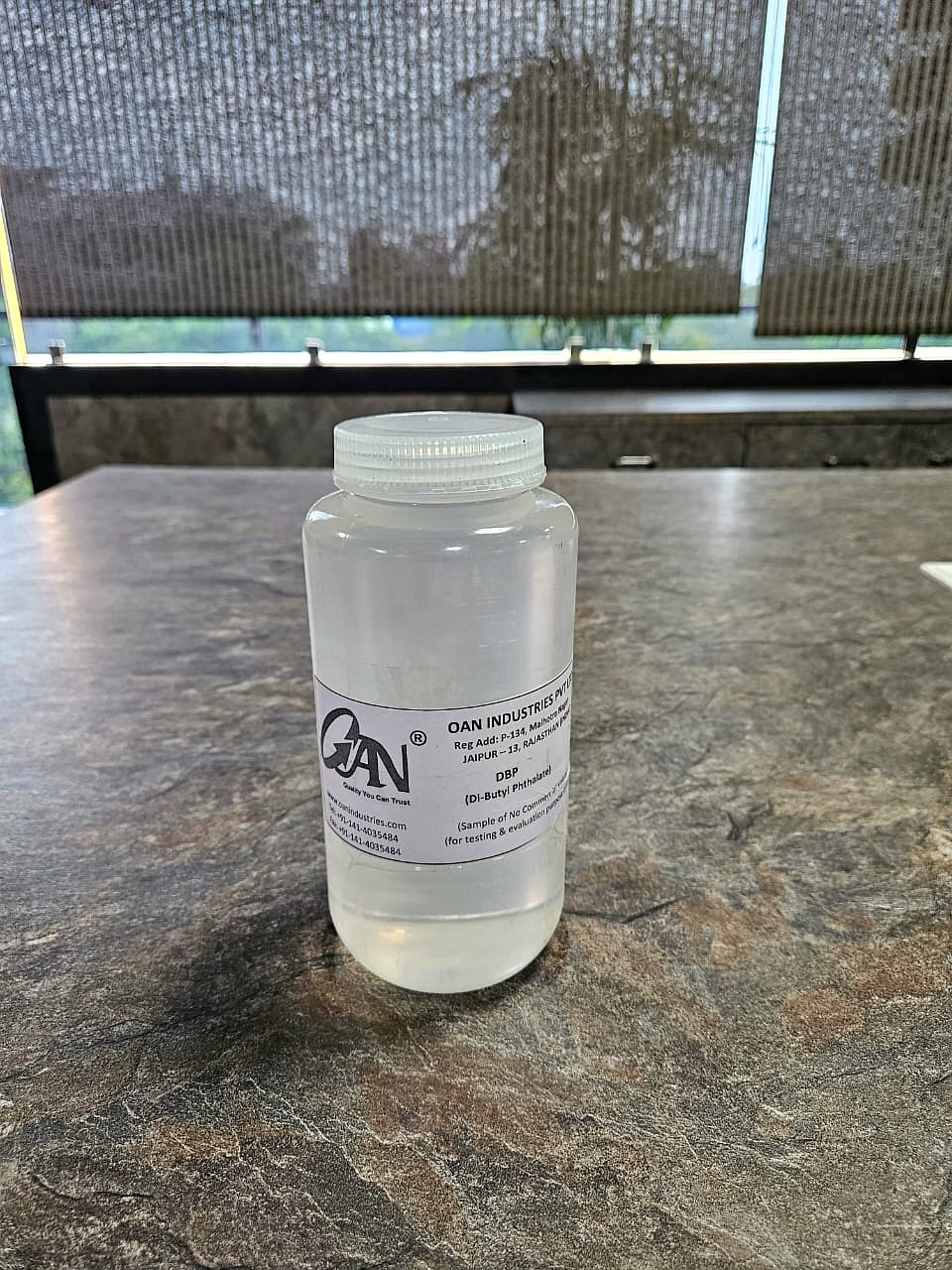
Dibutyl Phthalate (DBP) is a high-performance plasticizer widely used in industries requiring enhanced flexibility, durability, and workability of polymer products. This colorless, oily liquid is specifically formulated to improve softness and elasticity in PVC, synthetic rubber, adhesives, resins, and coatings. DBP excels in PVC processing by providing superior plasticizing effects, making films more pliable and resilient under thermal and mechanical stress. It also plays a critical role in printing inks and sealants by ensuring smooth application, uniform film formation, and excellent adhesion. In personal care products such as nail polishes and perfumes, DBP acts as an effective binding and solvent agent, enhancing product stability and appearance. With excellent solvating properties and compatibility with a wide range of polymers and resins, DBP is ideal for industrial manufacturing environments prioritizing performance and quality. It offers solid thermal stability but requires cautious handling and storage in compliance with current environmental and safety regulations to mitigate health risks and ensure regulatory adherence.
Key Features
| Features | Description |
|---|---|
| Form | Colorless oily liquid |
| Primary Use | Plasticizer for PVC, synthetic rubber, adhesives, and resins |
| Application Areas | PVC processing, printing inks, sealants, personal care formulations |
| Performance | Enhances flexibility, durability, softness, and elasticity of polymers |
| Compatibility | Compatible with most resins and polymers |
| Thermal Stability | Good thermal stability for industrial processing |
| Solvating Properties | Excellent solvent capabilities for inks and coatings |
| Personal Care Use | Acts as binding agent in nail polishes and perfumes |
| Handling Precautions | Requires compliance with regulatory and safety guidelines |
| Storage | Proper storage needed to maintain product integrity and safety |
| Attributes | Description |
|---|---|
| Chemical Name | Dibutyl Phthalate |
| Abbreviation | DBP |
| CAS Number | 84-74-2 |
| Appearance | Colorless oily liquid |
| Purity | Industrial grade (typically >99%) |
| Density | 1.045 g/cm³ at 20°C |
| Flash Point | >160°C |
| Boiling Point | 340°C |
| Solubility | Insoluble in water, soluble in organic solvents |
| Regulatory Status | Subject to regulatory restrictions in certain applications |
*Disclaimer: The above description has been AI-generated and has not been audited or verified for accuracy. It is recommended to verify product details independently before making any purchasing decisions.
DBP improves the softness and elasticity of PVC by embedding itself within the polymer matrix, reducing intermolecular forces and enhancing flexibility and durability without compromising thermal stability.
Yes, DBP is used as a binding agent in nail polishes and perfumes, but it must be formulated in accordance with regulatory limits and safety guidelines to minimize exposure risks.
Industries must ensure proper ventilation, avoid prolonged skin exposure, use personal protective equipment, and store DBP in tightly sealed containers away from heat and ignition sources while adhering to environmental and occupational safety standards.
DBP is compatible with most resins and polymers commonly used in industrial applications such as PVC and synthetic rubbers, but compatibility with specialty polymers should be confirmed through testing.
In printing inks, DBP acts as a solvent and plasticizer that improves smooth application, enhances film formation, and increases adhesion to substrates, resulting in higher quality printed materials.
Country Of Origin: India
Dibutyl Phthalate (DBP) is a versatile plasticizer used to enhance flexibility, durability, and workability in plastics, adhesives, resins, and coatings. It is widely applied in PVC processing, printing inks, sealants, and personal care formulations.
DBP is a colorless, oily liquid with excellent solvating properties, making it ideal for a wide range of industrial and commercial uses. It improves the softness and elasticity of polymers, especially in PVC and synthetic rubber applications. In inks and coatings, DBP ensures smooth application and consistent film formation. It also serves as a binding agent in cosmetics like nail polishes and perfumes. The product offers good thermal stability and is compatible with most resins and polymers. While effective, DBP should be handled with care due to regulatory considerations and safety guidelines. Proper storage and use ensure compliance with environmental and health standards in manufacturing environments.