
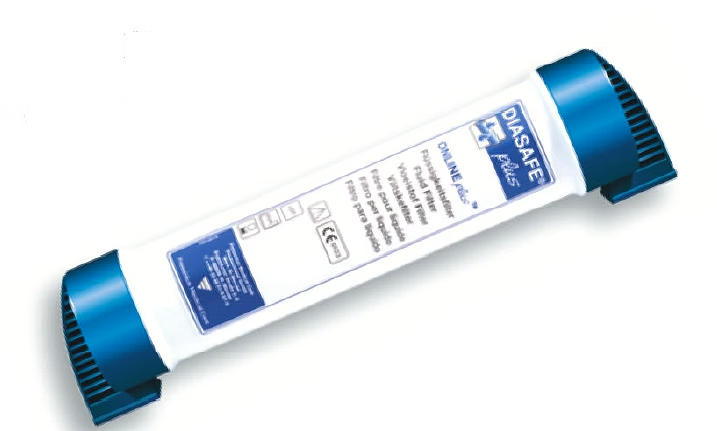
The DIASAFE plus filter, located at the end of the water treatment chain, ensures the safe production of ultrapure dialysis fluid. This is attributed to the excellent endotoxin retention capabilities of its Fresenius Polysulfone fibres.
The quality and purity of the dialysis fluid are of major concern in modern-day renal replacement therapies, as large volumes of dialysis fluid come into contact with the patient’s bloodstream during each treatment. Bacterial endotoxins present in contaminated dialysis fluid may elicit undesirable acute reactions and influence the long-term outcome of patients on chronic haemodialysis.
Although water used for the production of dialysis fluid is treated by a series of purification steps, it still may not meet
the stringent requirements on bacterial contamination levels laid down by various regulatory bodies.
By the application of special filters that are highly efficient in retaining bacterial contaminations, the required purity grades of dialysis fluid can be achieved easily.
The DIASAFE plus filter, located at the end of the water treatment chain, ensures the safe production of ultrapure dialysis fluid. This is attributed to the excellent endotoxin retention capabilities of its Fresenius Polysulfone fibres.
The quality and purity of the dialysis fluid are of major concern in modern-day renal replacement therapies, as large volumes of dialysis fluid come into contact with the patient’s bloodstream during each treatment. Bacterial endotoxins present in contaminated dialysis fluid may elicit undesirable acute reactions and influence the long-term outcome of patients on chronic haemodialysis.
Although water used for the production of dialysis fluid is treated by a series of purification steps, it still may not meet
the stringent requirements on bacterial contamination levels laid down by various regulatory bodies.
By the application of special filters that are highly efficient in retaining bacterial contaminations, the required purity grades of dialysis fluid can be achieved easily.

