


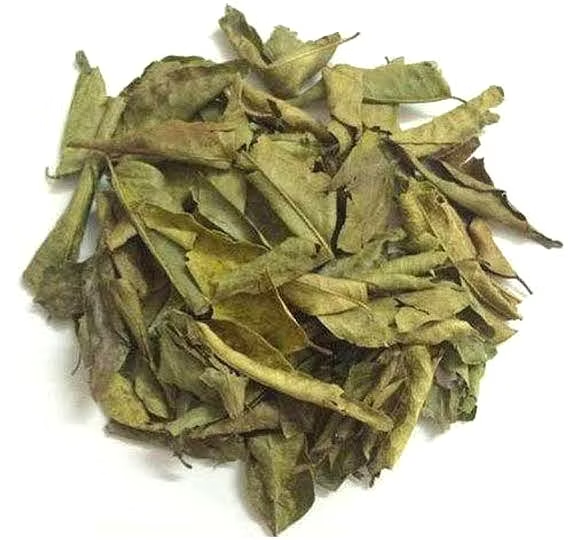
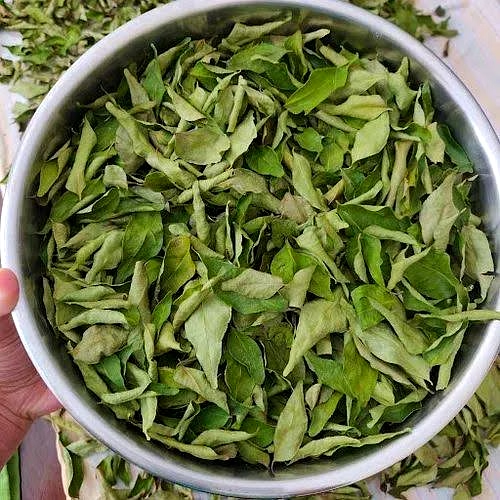
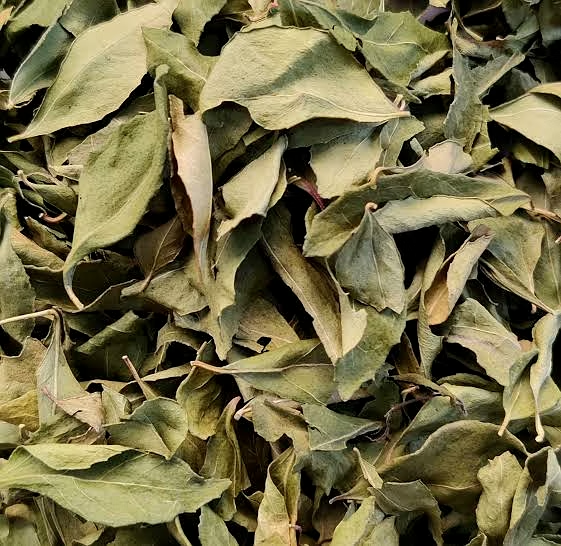
Curry Leaves, or Kadi Patta, are an essential ingredient in South Indian and Sri Lankan cuisines, known for their aromatic and flavorful properties. These vibrant green leaves not only enhance the taste of dishes like curries, rice, stews, and soups but also serve several health benefits owing to their rich antioxidant content. Whether used fresh, dried, or in powdered form, curry leaves impart a unique depth to any culinary creation. They are often utilized at the beginning of cooking to infuse oils or ghee, ensuring that their flavors permeate throughout the dish. Beyond their culinary applications, curry leaves are also recognized in Ayurvedic practices for their potential health benefits, including digestion support, blood sugar control, and promoting hair health. Their versatility makes them a staple in kitchens and a sought-after ingredient among health-conscious consumers.
Key Features
| Features | Description |
|---|---|
| Primary Use | Enhances flavor in South Indian and Sri Lankan dishes |
| Forms Available | Fresh, Dried, Powdered, Extract |
| Nutritional Benefits | Rich in antioxidants and potential health benefits |
| Culinary Applications | Ideal for curries, rice dishes, soups, and chutneys |
| Cultural Significance | Widely used in Ayurvedic medicine for health improvement |
| Attributes | Description |
|---|---|
| Common Name | Curry Leaves |
| Scientific Name | Murraya koenigii |
| Origin | South India and Sri Lanka |
| Taste Profile | Slightly bitter with a strong aromatic flavor |
| Color | Vibrant green |
| Shelf Life (Fresh) | Approximately 1 week in refrigeration |
| Shelf Life (Dried) | Up to 6 months when stored in a cool, dry place |
| Packaging Options | Bulk quantities available for B2B customers |
| Health Benefits | Supports digestion, aids in blood sugar control, promotes hair health |
*Disclaimer: The above description has been AI-generated and has not been audited or verified for accuracy. It is recommended to verify product details independently before making any purchasing decisions.
Curry leaves are best used to enhance the flavor of curries, rice dishes, soups, stews, and chutneys. They should be added at the beginning of cooking to allow their flavors to infuse into the oil or ghee.
Yes, curry leaves are rich in antioxidants and have been traditionally used in Ayurveda for benefits such as improved digestion, blood sugar regulation, and hair health.
Curry leaves are available in fresh, dried, and powdered forms. Fresh leaves are typically used in cooking, dried leaves provide a more concentrated flavor, while powdered curry leaves can be used as a spice in recipes.
Fresh curry leaves should be stored in refrigeration where they can last up to one week. For longer shelf life, they can be dried or frozen.
Curry leaves are predominantly used in South Indian and Sri Lankan cuisines, but their unique flavor can be appreciated in various culinary traditions worldwide.
Country Of Origin: India
Curry leaves are aromatic leaves, often used in South Indian and Sri Lankan cuisine, and also known as "Kadi Patta." They are a vital ingredient for adding depth and complexity to various dishes, especially curries, rice, and soups. While the leaves are edible, many people discard them after cooking, as they primarily add flavor and aroma rather than being the focus of the dish.
Uses:
Culinary: Widely used in South Indian cuisine, especially in curries, rice dishes, soups, stews, and chutneys.
Flavor Enhancer: Adds depth and complexity to dishes, often used at the beginning of cooking to infuse flavor into the oil or ghee.
Medicinal: Traditionally used in Ayurveda for various health benefits.
Benefits:
Antioxidant Rich: Curry leaves are a good source of antioxidants.
Potential Health Benefits: May offer benefits for digestion, blood sugar control, and hair health.
Form:
Fresh: Available as fresh, vibrant green leaves.
Dried: Also available in dried form, which intensifies the fragrance.
Powder: Curry leaves powder can be made from dried leaves.
Extract: Curry leaf extract is also available in tablet form.

