• Key Features & Attributes
  • Ratings & Reviews
  • Know your Supplier
  • Product description from supplier

Curcuma caesia

Inclusive of all taxes

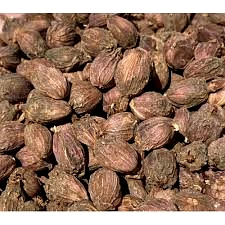
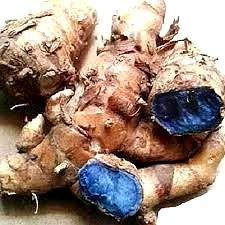
Curcuma caesia, commonly known as black turmeric, is a potent medicinal rhizome used extensively in traditional medicine for its wide-ranging therapeutic properties. This rare plant's rhizome is recognized for its effectiveness in treating respiratory conditions such as asthma and bronchitis, neurological disorders including epilepsy, as well as dermatological and inflammatory ailments like wounds, leprosy, rheumatoid arthritis, leukoderma, and allergies. The rhizome undergoes a specialized preparation process involving boiling until it softens and changes color from blue to dark or pale brown, which enhances its medicinal potency and aroma. Scientific studies on its volatile oil have identified approximately 30 compounds, with camphor (28%) and ar-turmerone (12%) being the predominant bioactive constituents, contributing to its anti-inflammatory, analgesic, antioxidant, and antimicrobial effects. Curcuma caesia is highly valued for its unique chemical profile including diphenylalkanoids, terpenoids, flavonoids, steroids, and alkaloids, making it a versatile herbal ingredient for pharmaceutical, nutraceutical, and therapeutic applications in modern herbal formulations and traditional healing practices.

Key Features

Features Description
Common Name Black Turmeric
Scientific Name Curcuma caesia
Part Used Rhizome
Traditional Uses Treatment of asthma, cancer, wounds, allergies, toothache, leprosy, bronchitis, epilepsy, hemorrhoids, leukoderma, rheumatoid arthritis
Preparation Method Boiled rhizomes until soft and color changes from blue to dark or pale brown
Volatile Oil Composition Contains camphor (28%), ar-turmerone (12%), (Z)-ocimene (8%), ar-curcumene (7%), 1,8-cineole (5%)
Phytochemical Constituents Diphenylalkanoids, allylbenzene derivatives, terpenoids, flavonoids, steroids, alkaloids
Therapeutic Properties Anti-inflammatory, analgesic, antioxidant, antimicrobial
Cultivation Practice Similar to common turmeric, rhizomes harvested and processed with washing and boiling
Applications Traditional medicine, pharmaceutical formulations, herbal remedies, nutraceuticals
Attributes Description
Botanical Family Zingiberaceae
Rhizome Color Change Blue to dark/pale brown post-boiling
Major Essential Oil Components Camphor, ar-turmerone, (Z)-ocimene, ar-curcumene, 1,8-cineole
Harvesting Stage Fully matured rhizomes
Form Fresh or processed rhizomes
Origin/Source Cultivated similarly to common turmeric
Shelf Life Dependent on processing and storage, generally 6-12 months when dried
Packaging Hermetically sealed packaging recommended for preserving quality

*Disclaimer: The above description has been AI-generated and has not been audited or verified for accuracy. It is recommended to verify product details independently before making any purchasing decisions.

Be the first to write a review

The rhizomes are washed thoroughly and boiled in water until softened and their inner color changes from blue to dark or pale brown, which helps release the volatile oils and enhances medicinal potency.

Major components include camphor (28%), ar-turmerone (12%), (Z)-ocimene (8%), ar-curcumene (7%), and 1,8-cineole (5%), contributing to its therapeutic properties.

It is traditionally used to treat asthma, cancer, wounds, allergies, toothache, leprosy, bronchitis, epilepsy, hemorrhoids, leukoderma, and rheumatoid arthritis.

Yes, Curcuma caesia is cultivated and harvested similarly to common turmeric, making it adaptable for integration in existing turmeric cultivation farms.

Storing dried rhizomes in hermetically sealed, moisture-free, and cool packaging helps preserve their essential oils and medicinal quality for up to 6-12 months.

  • Incorporation Type

  • GST

  • GST Registration Date

  • Number of Employees

  • Import Export Code (IEC)

  • Year of Establishment

  • Nature of Business

  • GlobalLinker Member Since

Country Of Origin: India

Curcuma caesia, also known as black turmeric, is a plant with various traditional medicinal uses. Its rhizome, the most important part, is used to treat a range of ailments, including asthma, cancer, wounds, allergies, toothache, leprosy, bronchitis, epilepsy, hemorrhoids, leukoderma, and rheumatoid arthritis


The cultivation and harvest practices are similar to that of common turmeric.[3] In the fields, the rhizomes are washed thoroughly and are placed in a wide mouthed cauldron. The water is poured in the cauldron such that the rhizomes are completely covered. The cauldron is covered with a lid, and the rhizomes are boiled for about 30 minutes until foam oozes out with a strong odour. The rhizomes are taken out when the water is reduced to one-third of the original and they are soft and their inner portion has turned from blue to dark or pale brown.

The research on the volatile rhizomes oil of Curcuma caesia resulted in the identification of 30 components, representing 97% of the oil, with camphor (28%), ar-turmerone (12%), (Z)-ocimene (8%), ar-curcumene (7%), 1,8-cineole (5%), elemene (5%), borneol (4%), bornyl acetate (3%) and curcumene (3%) as the major constituents.[citation needed] Other research demonstrated diphenylalkanoids, allylbenzene derivatives, terpenoids, flavonoids, steroids, and alkaloids as major constituents


Food And Beverage

Flavours And Aromatics

Curcuma Caesia

Black Turmeric

Medicinal Rhizome

Anti-inflammatory Herb

Traditional Medicine Rhizomes

Herbal Turmeric

Natural Remedies Turmeric

Therapeutic Plants

Pharmaceutical Turmeric Extract

Curcuma caesia

Inclusive of all taxes

You Save: 0

Send Inquiry
winina global traders

Kakinada , India

Service Provider , Exporter, Importer, Startup

  • Secure
    Transaction

  • Free
    Delivery

  • Day
    Dispatch

Report a problem with this product