


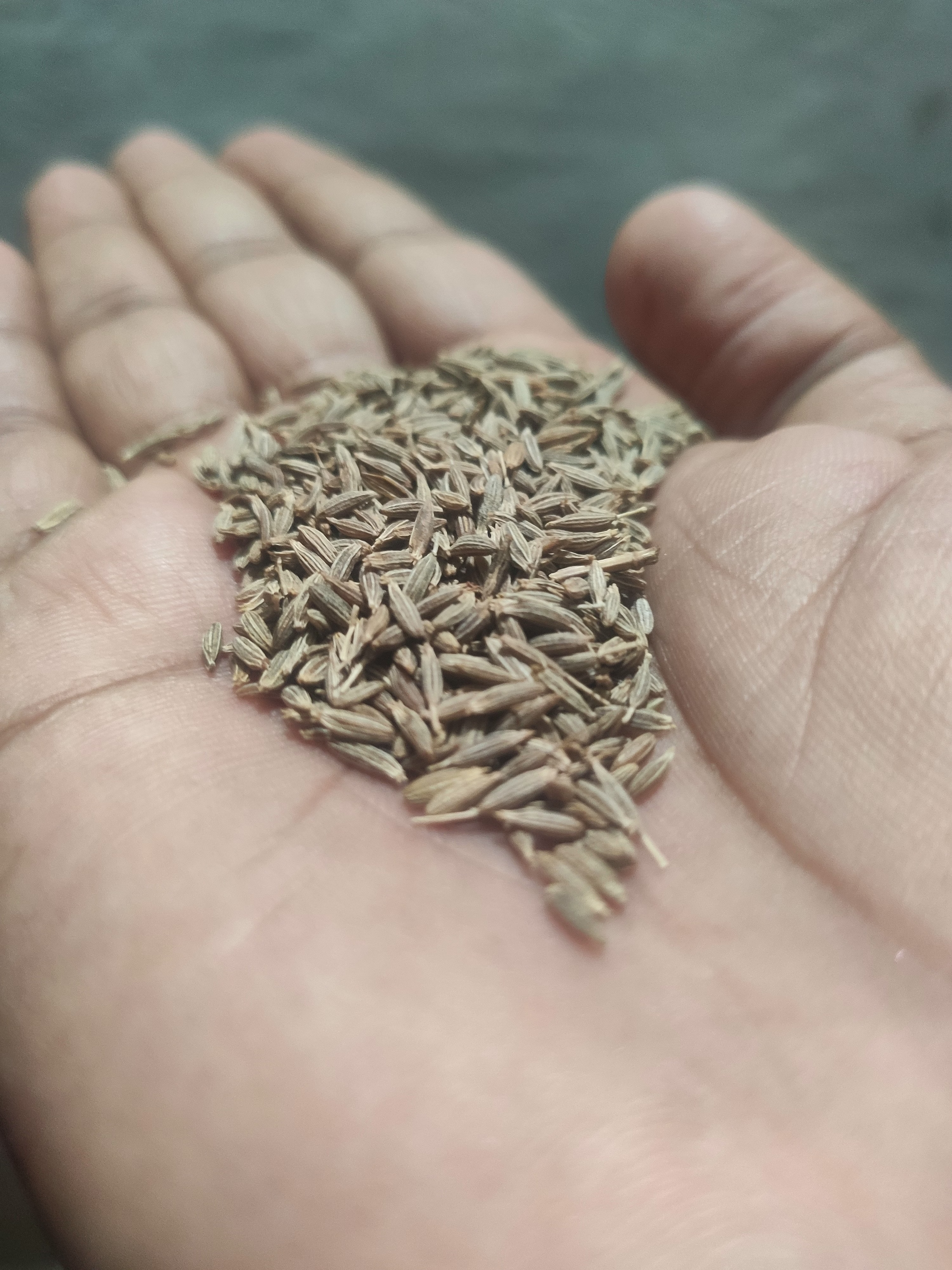
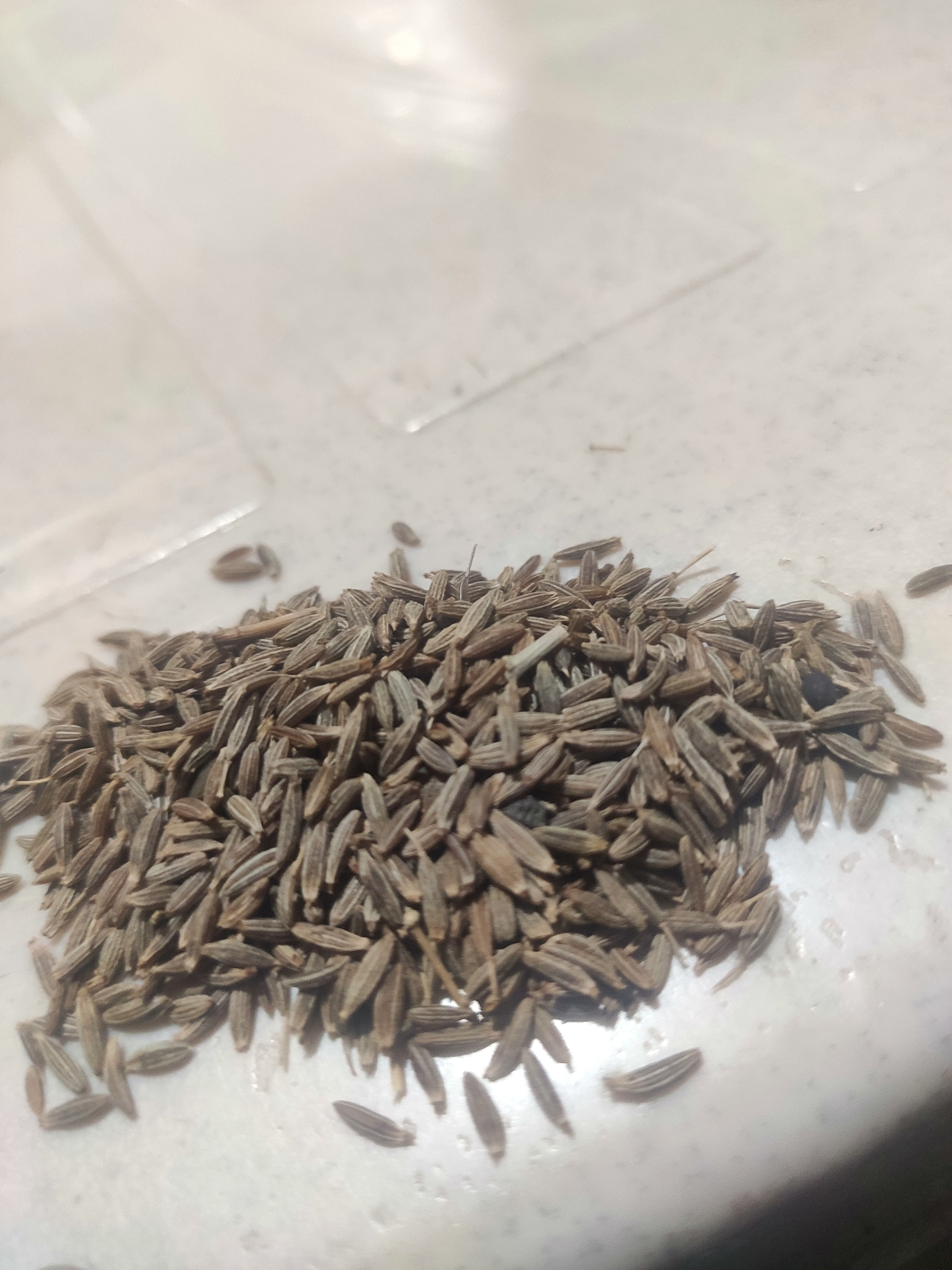
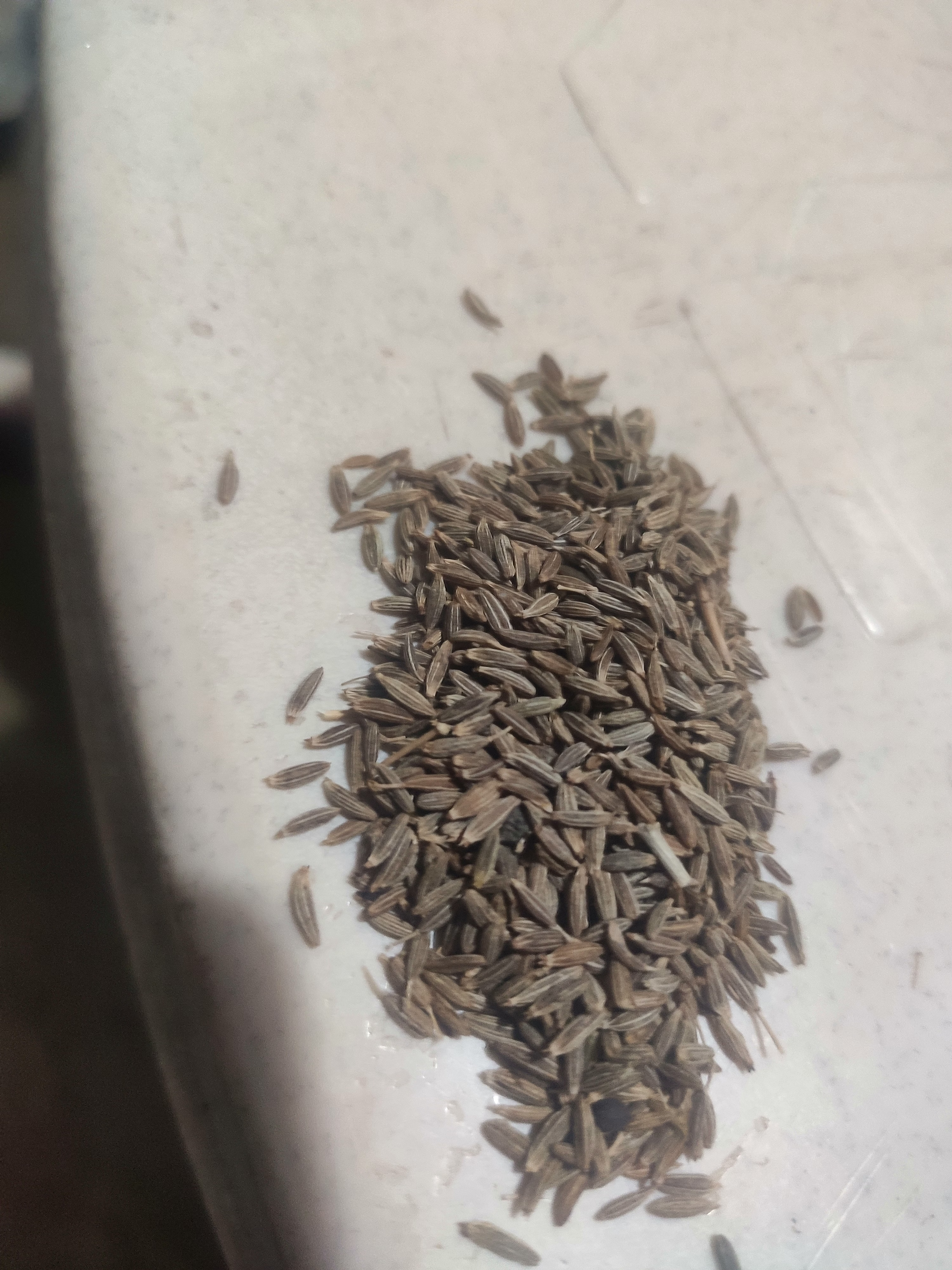
Cumin seeds, known scientifically as Cuminum cyminum, are small, elongated, and yellowish-brown seeds that pack a warm, earthy flavor with a slightly bitter touch. These aromatic seeds are not just a kitchen staple but a key ingredient in traditional Asian and Middle Eastern cuisines. Their unique flavor profile and strong aroma enhance a variety of dishes, including curries, stews, and an array of spice blends. Renowned for their health benefits and aromatic properties, cumin seeds are extensively cultivated in regions like India, making them both a versatile and sought-after spice in the culinary world.
Key Features
| Features | Description |
|---|---|
| Appearance | Small, elongated, yellowish-brown seeds |
| Flavor | Warm, earthy, slightly bitter with a hint of sweetness |
| Aroma | Strong, characteristic aroma that enhances dishes |
| Usage | Can be used whole or ground, ideal for curries, stews, and spice blends |
| Origin | Believed to have originated in the East Mediterranean region; widely cultivated in India |
| Attributes | Description |
|---|---|
| Scientific Name | Cuminum cyminum |
| Color | Yellowish-brown |
| Form | Available as whole seeds or ground powder |
| Culinary Uses | Popular in Asian and Middle Eastern cuisines |
| Storage | Store in a cool, dry place to maintain freshness and aroma |
*Disclaimer: The above description has been AI-generated and has not been audited or verified for accuracy. It is recommended to verify product details independently before making any purchasing decisions.
Cumin seeds can be used whole or ground, and are commonly added to curries, stews, spice blends, and many traditional dishes in Asian and Middle Eastern cuisine.
Cumin seeds should be stored in a cool, dry place in an airtight container to maintain their potency and aromatic qualities.
The best quality cumin seeds are primarily cultivated in regions such as India, recognized for their distinct flavor and aroma.
Yes, cumin seeds are known for various health benefits including aiding digestion and possessing antioxidant properties.
Country Of Origin: India
Cumin seeds are small, elongated, yellowish-brown, aromatic seeds with a warm, earthy flavor and a slightly bitter taste. They are the dried, ripe fruit of the Cuminum cyminum plant, a member of the parsley family. Cumin seeds can be used whole or ground and are a popular spice in many cuisines worldwide, especially in Asian and Middle Eastern dishes.
Key characteristics of cumin seeds:
Appearance: Small, elongated, yellowish-brown seeds.
Flavor: Warm, earthy, and slightly bitter with a hint of sweetness.
Aroma: Strong, aromatic, and characteristic.
Uses: Whole seeds or ground powder, added to various dishes like curries, stews, and spice blends.
Origin: Believed to have originated in the East Mediterranean region and is now widely cultivated in countries like India
Cumin seeds are small, elongated, yellowish-brown, aromatic seeds with a warm, earthy flavor and a slightly bitter taste. They are the dried, ripe fruit of the Cuminum cyminum plant, a member of the parsley family. Cumin seeds can be used whole or ground and are a popular spice in many cuisines worldwide, especially in Asian and Middle Eastern dishes.
Key characteristics of cumin seeds:
Appearance: Small, elongated, yellowish-brown seeds.
Flavor: Warm, earthy, and slightly bitter with a hint of sweetness.
Aroma: Strong, aromatic, and characteristic.
Uses: Whole seeds or ground powder, added to various dishes like curries, stews, and spice blends.
Origin: Believed to have originated in the East Mediterranean region and is now widely cultivated in countries like India
Inclusive of all taxes
You Save: 0

Vapi INA , India
Service Provider , Professional Services, Contractor, Distributor, Exporter, Wholesaler, Startup
