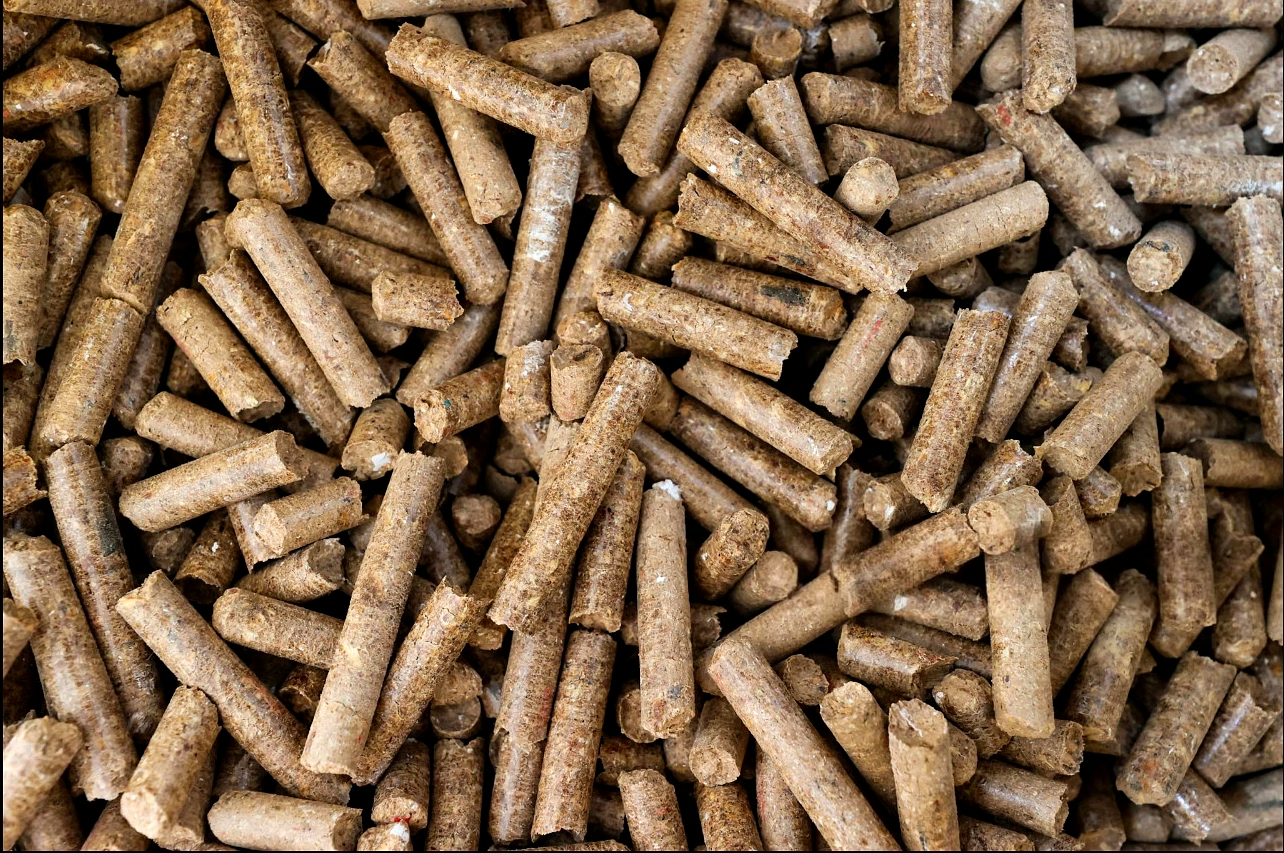
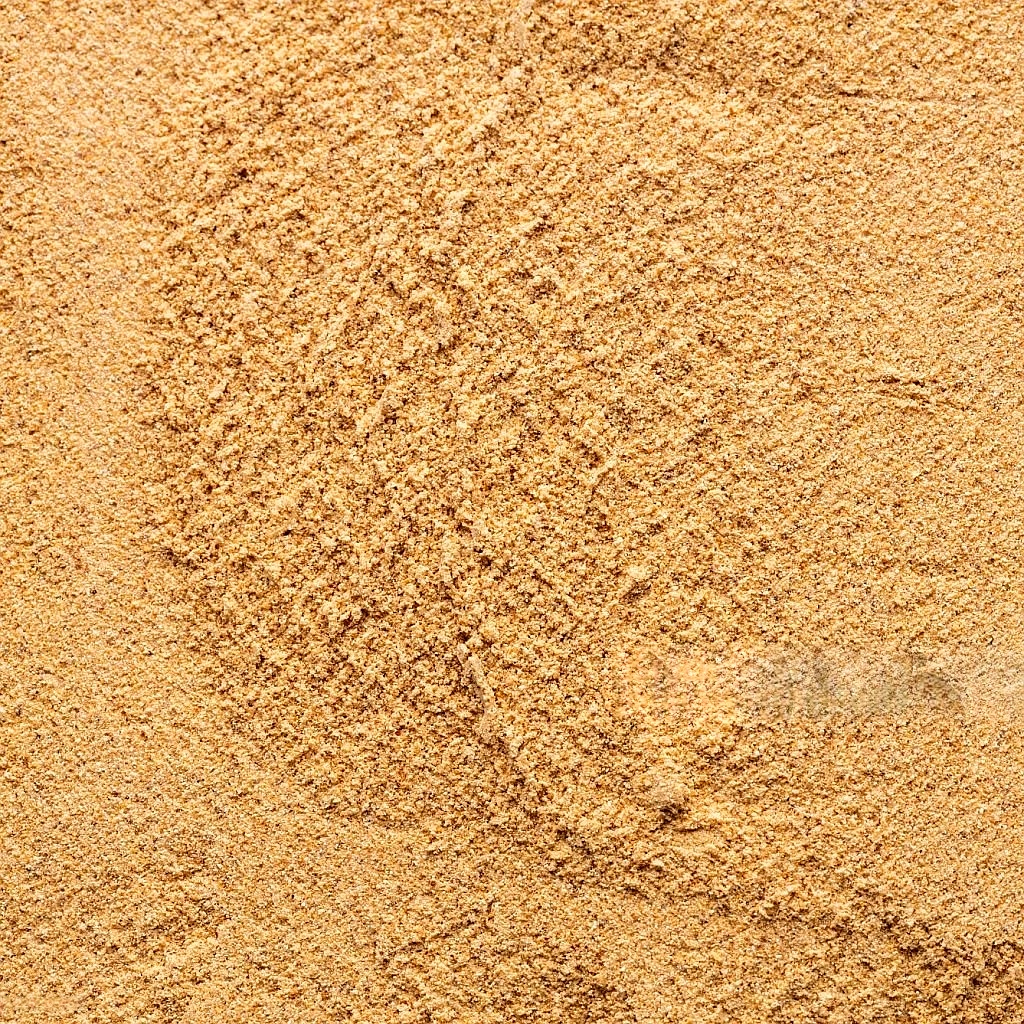
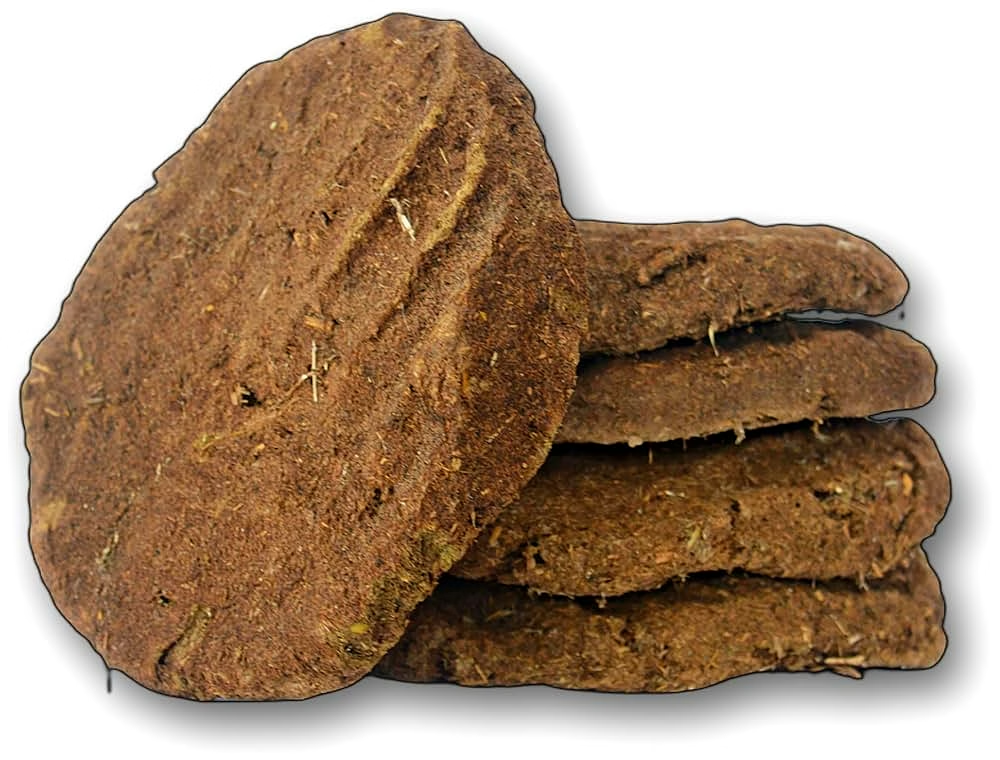
Cow dung is a highly versatile and nutrient-rich organic byproduct derived from cattle, widely used in agriculture, sustainable energy, and traditional applications. It undergoes various processing methods like natural decomposition, solar drying, and anaerobic digestion to enhance its beneficial properties. Available in multiple forms such as liquid slurries, dried cakes or powders, and pressed bricks, cow dung serves diverse functional roles. It acts as a rapid-acting bio-fertilizer improving soil fertility and crop yield, functions as an antiseptic agent promoting plant health, and works as an eco-friendly fuel source or insulating material in sustainable building practices. Additionally, cow dung plays a crucial role in biogas production for clean energy and in preparing Panchgavya, a traditional bio-enhancer for crop immunity and growth. Through vermicomposting, it is converted into premium-grade organic compost, enriching soils for gardening and farming. Its multi-faceted applications and eco-friendly nature make cow dung an indispensable organic resource for businesses engaged in agriculture, renewable energy, and sustainable industry supply chains.
Key Features
| Features | Description |
|---|---|
| Nutrient Content | Rich in nitrogen, phosphorus, and potassium essential for soil fertility |
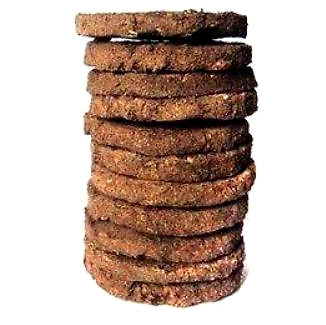
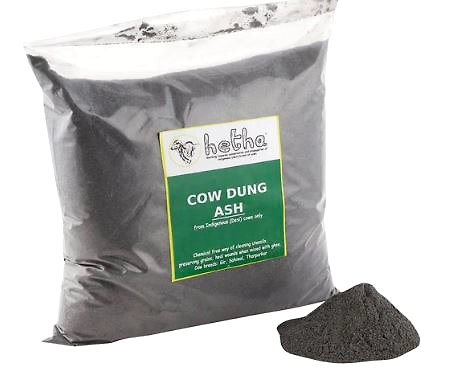
| Forms Available | Liquid slurries, dried cakes/powders, pressed bricks |
| Primary Uses | Bio-fertilizer, biogas production, fuel, soil conditioner, insulation |
| Processing Methods | Natural decomposition, solar drying, anaerobic digestion |
| Functional Properties | Fertilizing, antiseptic, heat insulating |
| Sustainability | Eco-friendly, renewable organic resource |
| Additional Applications | Used in Panchgavya and vermicomposting |
| Attributes | Description |
|---|---|
| Source | Cattle excrement from healthy cows |
| Moisture Content | Varies with form - liquid slurries (high moisture), dried cakes (low moisture) |
| Nutrient Composition | Contains NPK (Nitrogen, Phosphorus, Potassium) in balanced proportions |
| Processing Type | Natural drying, aerobic or anaerobic treatments |
| Packaging Options | Bulk, compressed bricks, powdered packs |
| Shelf Life | Depends on processing and storage conditions; up to 1 year for dried forms |
| Use Environment | Suitable for agricultural fields, biogas plants, and sustainable building sites |
*Disclaimer: The above description has been AI-generated and has not been audited or verified for accuracy. It is recommended to verify product details independently before making any purchasing decisions.
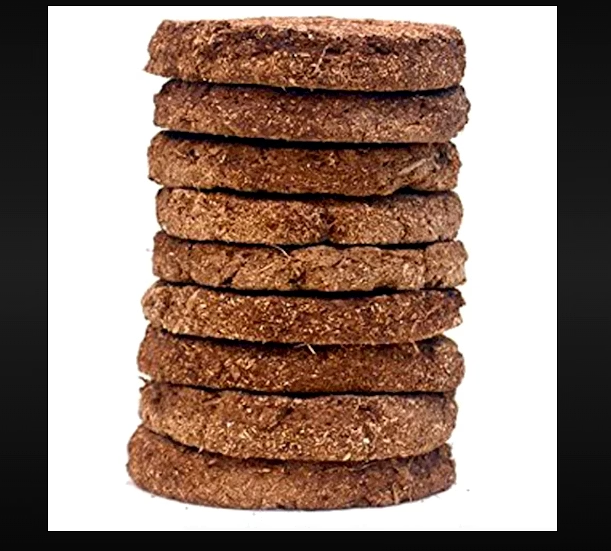
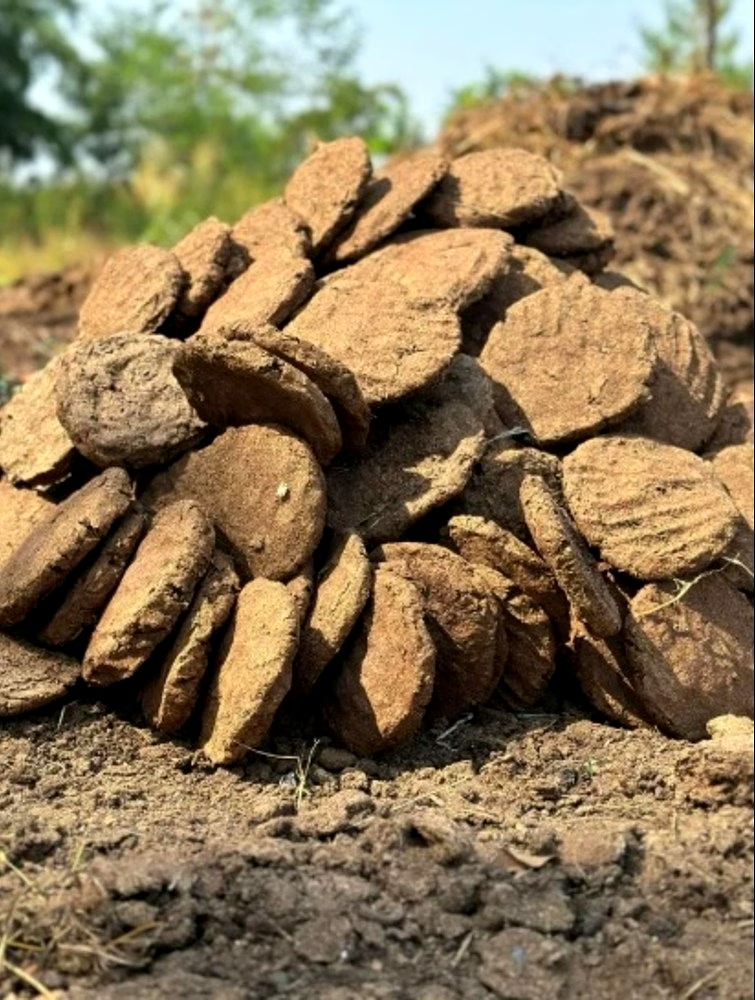
Dried cow dung cakes have lower moisture content making them easier to store and handle, act as slow-release fertilizers, and are also used as bio-fuel, while liquid slurry acts as a rapid-acting bio-fertilizer but requires quick application due to high moisture.
Natural decomposition and solar drying preserve most nutrients, making dung suitable for fertilization; anaerobic digestion enhances biogas yield but can reduce certain nutrients making the digestate more suited for energy production rather than direct soil application.
Cow dung requires partial anaerobic digestion as preprocessing in biogas plants to convert organic matter into methane gas. Raw dung should be free from contaminants and of appropriate moisture content for optimal biogas yield.
Testing nutrient composition (NPK levels), moisture content, free from pathogens, heavy metals or chemical residues, and adherence to organic certification standards ensure product safety and effectiveness.
Yes, dried cow dung cakes and powdered forms can be packed in moisture-proof, airtight packaging suitable for export, while bulk liquid slurry is generally transported locally due to weight and spoilage risks.
Country Of Origin: India
The refinement process involves natural decomposition, solar drying, or anaerobic digestion to isolate beneficial components from the raw material. Cow dung can be found in various forms, including:
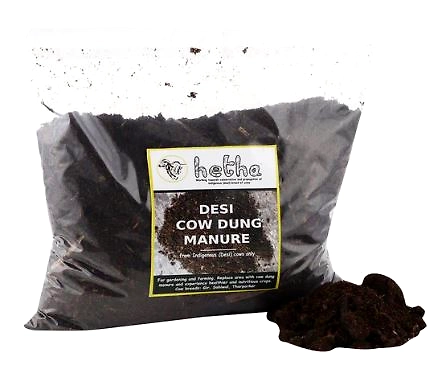
Liquid Slurries: Used as rapid-acting bio-fertilizers.
Dried Cakes/Powders: Used primarily for fuel or soil conditioning.
Pressed Bricks: Used in sustainable building and insulation.
Cow dung is recognized for its diverse functional properties, which include antiseptic, fertilizing, and heat-insulating effects, depending on the diet of the cattle and the processing method used.
Common Examples of Use:
Biogas: For clean energy and electricity generation.
Panchgavya: A traditional bio-enhancer used for crop immunity and growth.
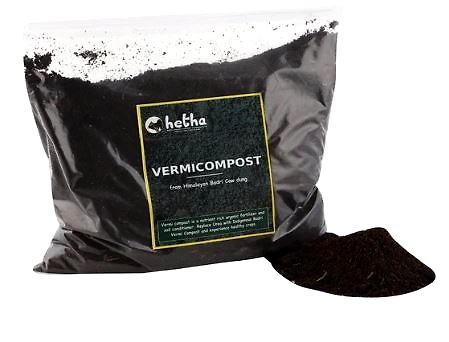
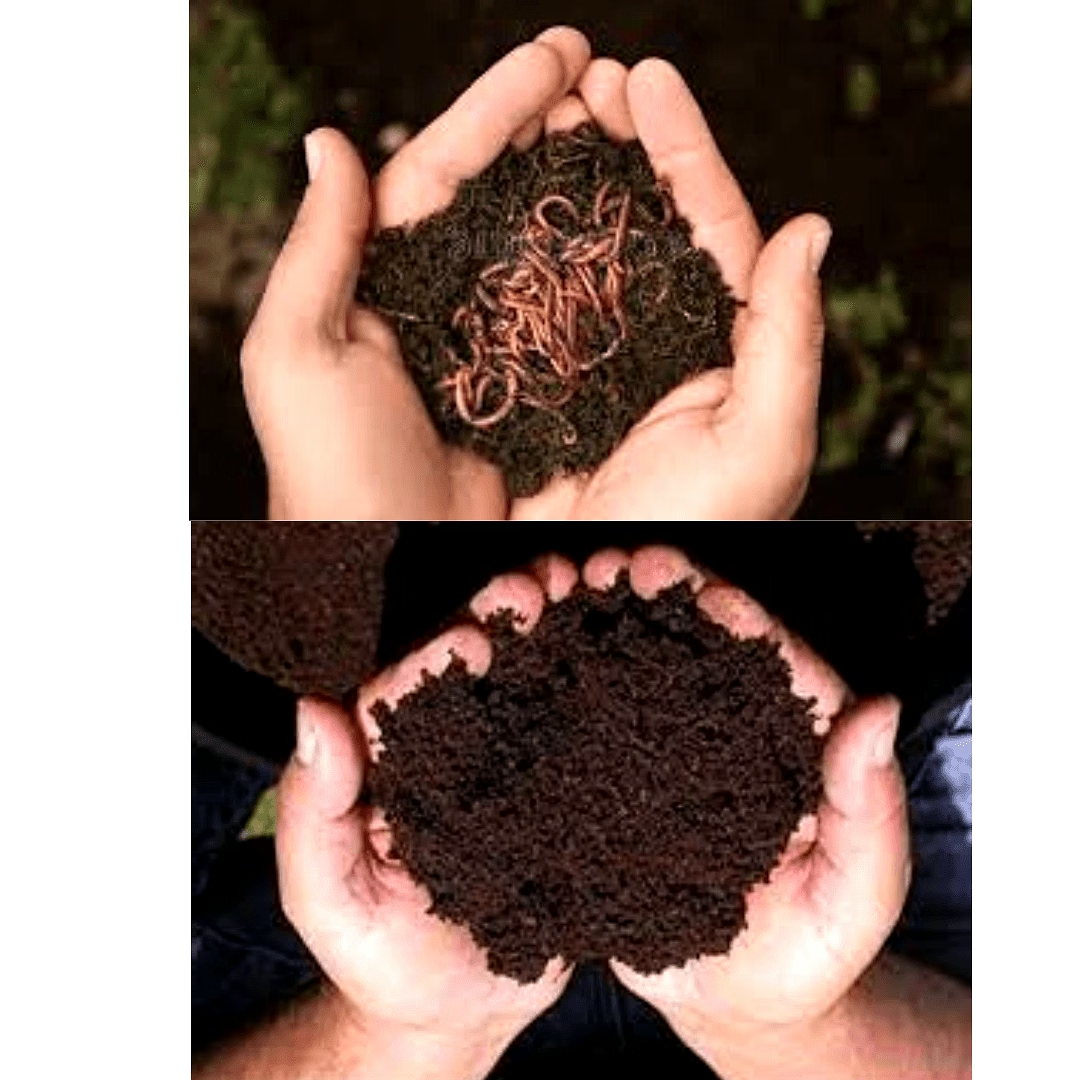
Vermicompost: Using earthworms to convert dung into high-grade "black gold" for gardening.
Inclusive of all taxes
You Save: 0
Jaipura , India
Manufacturer, Retailer, Brand Owner, Exporter, Wholesaler, Startup
GST- 08abmfr4050q1zi