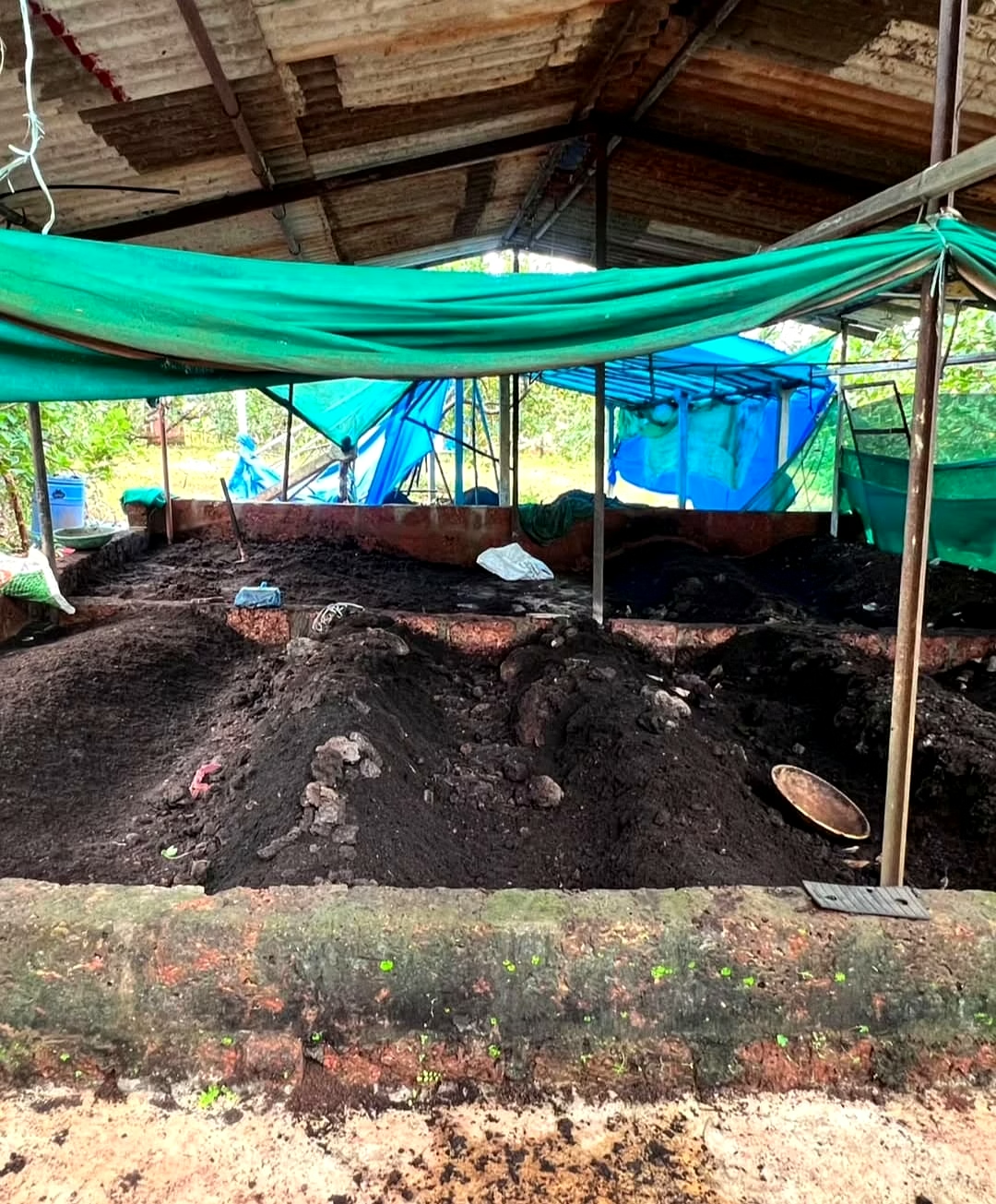
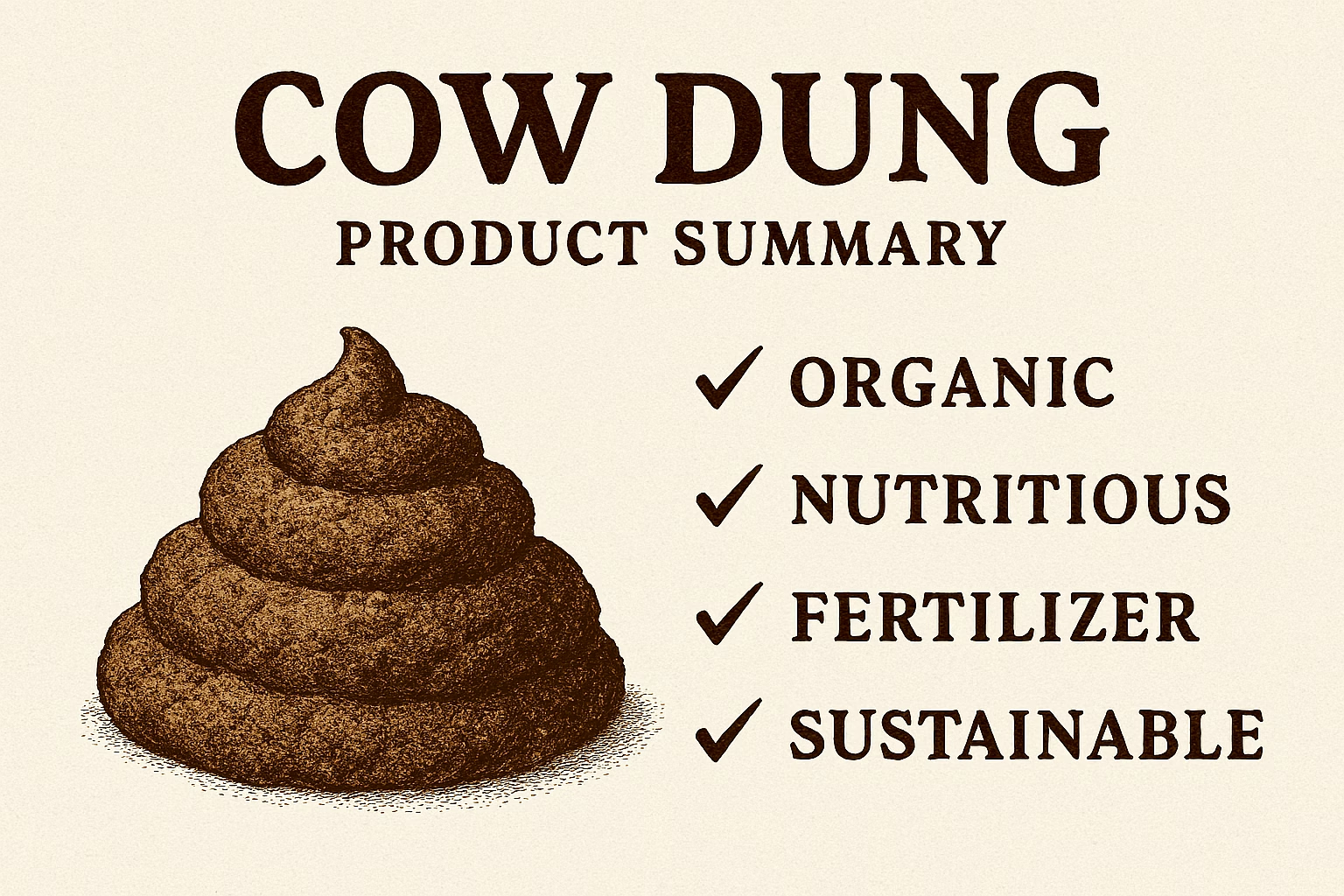
Cow dung is a versatile and nutrient-rich agro commodity highly valued in agriculture and energy sectors. It serves as an excellent natural fertilizer, enhancing soil fertility by supplying essential nutrients like nitrogen, phosphorus, and potassium. This organic input improves soil structure and stimulates beneficial microbial activity, promoting sustainable farming practices. Beyond fertilization, cow dung is widely used in vermicomposting and organic farming as a compost base, enriching soil health through increased organic matter retention and improved water holding capacity. In the realm of renewable energy, cow dung is an essential feedstock for biogas production via anaerobic digestion, generating methane that can be utilized for cooking and electricity generation, providing an eco-friendly alternative to fossil fuels. Additionally, cow dung holds cultural and ritual significance where dung cakes are traditionally burned in ceremonies for purification purposes. It also has applications in Ayurveda, where it is believed to possess medicinal properties used in various traditional remedies. By integrating cow dung into agricultural and energy workflows, farms and enterprises can reduce dependence on chemical fertilizers and fossil fuels, promoting environmentally sustainable and economically viable solutions.
Key Features
| Features | Description |
|---|---|
| Nutrient Content | Rich in nitrogen, phosphorus, and potassium essential for plant growth |
| Soil Fertility Enhancement | Improves soil structure and microbial activity for better crop yields |
| Compost Base | Ideal for vermicomposting and organic farming systems |
| Biogas Production | Anaerobic digestion produces methane for clean energy |
| Cultural Uses | Used in traditional ceremonies and rituals as dung cakes |
| Ayurvedic Applications | Utilized in traditional medicine due to believed medicinal properties |
| Eco-Friendly | Reduces reliance on chemical fertilizers and fossil fuels |
| Soil Health Benefits | Increases organic matter and water retention capacity |
| Attributes | Description |
|---|---|
| Source | Collected fresh from cow farms or rural households |
| Physical Form | Moist, fibrous organic material, available as fresh dung or dried cakes |
| Nutrient Composition | Approx. 0.5-1.5% Nitrogen, 0.2-0.5% Phosphorus, 0.5-1.0% Potassium |
| Moisture Content | Typically 40-60% moisture in fresh form |
| Packaging | Available in bulk quantities or compressed into cakes |
| Shelf Life | Best used fresh or dried; long-term storage requires controlled drying |
| Usage Modes | Direct application to soil, composting, anaerobic digestion, ritual burning |
| Environmental Impact | Biodegradable, low carbon footprint, enhances sustainability |
*Disclaimer: The above description has been AI-generated and has not been audited or verified for accuracy. It is recommended to verify product details independently before making any purchasing decisions.
Cow dung introduces beneficial microorganisms and organic matter that create a conducive environment for soil microbes, enhancing nutrient cycling and soil fertility.
Cow dung typically yields about 30-40 cubic meters of biogas per ton under optimal anaerobic digestion conditions, providing a sustainable energy source.
Yes, fresh or dried cow dung can be applied directly, but composting or vermicomposting improves nutrient availability and reduces potential pathogens.
Cow dung should be stored in a dry, ventilated area to prevent nutrient loss and microbial degradation; drying into dung cakes is common for longer shelf life.
Absolutely, cow dung is a preferred organic input that supports sustainable agriculture by naturally enriching soil without synthetic chemicals.
Natural fertilizer: Improves soil fertility, structure, and microbial activity
Compost base: Used in vermicomposting and organic farming systems
Biogas production: Anaerobic digestion of dung generates methane for cooking and electricity
Ritual use: Dung cakes burned in ceremonies, symbolizing purification
Ayurveda: Believed to have medicinal properties and used in traditional remedies
Eco-friendly: Reduces reliance on chemical fertilizers and fossil fuels
Soil health: Enhances organic matter and water retention capacity