• Key Features & Attributes
  • Ratings & Reviews
  • Know your Supplier
  • Product description from supplier

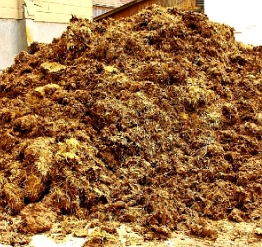
Cow Dung

Inclusive of all taxes

Cow dung, also known as cow manure, is the nutrient-rich, undigested residue derived from a cow's digestive system, predominantly consisting of organic compounds and minerals. Its color varies from greenish to blackish, intensifying upon air exposure. This product is highly valued in agriculture due to its natural fertilization properties that enhance soil fertility, structure, and moisture retention through vital nutrients such as nitrogen, phosphorus, and potassium. Beyond fertilization, cow dung's anaerobic digestion produces biogas, an eco-friendly renewable energy source suitable for cooking, heating, and power generation. Additionally, cow dung functions as a natural pest repellent, effectively reducing reliance on synthetic pesticides. Its traditional application as a building material when combined with clay or straw provides insulating and water-resistant benefits for floors and walls. Cow dung maintains cultural and religious importance in many societies, especially in Hindu rituals and traditional medicine, attributed to its antiseptic and purifying characteristics. Moreover, it facilitates organic waste management through composting, promoting sustainable agricultural practices and waste degradation. Cow dung also serves as a versatile raw material in paper manufacturing. Hence, this organic product is essential for businesses involved in sustainable agriculture, renewable energy, eco-friendly construction, and traditional cultural practices, offering multiple practical and economic applications.

Key Features

Features Description
Nutrient Content Rich in nitrogen, phosphorus, and potassium for enhanced soil fertility
Biogas Production Suitable for anaerobic digestion to generate renewable biogas energy
Pest Repellent Natural insect and pest deterrent reducing chemical pesticide use
Building Material Usage Used with clay or straw as natural insulating and waterproof coating
Cultural & Medicinal Use Utilized in Hindu rituals and traditional medicine for antiseptic properties
Composting & Waste Management Promotes decomposition and production of organic fertilizer
Color Range Varies from greenish to blackish, darkens on exposure to air
Organic Raw Material Can be processed for eco-friendly paper manufacturing
Attributes Description
Source Extracted from bovine digestive system
Form Fresh or partially dried organic matter
Moisture Content Varies depending on processing, generally high in fresh form
Typical Color Greenish to blackish
Nutrient Composition Nitrogen (N): ~0.5-2%, Phosphorus (P2O5): ~0.2-0.5%, Potassium (K2O): ~0.5-1%
Applications Fertilizer, biogas production, pest control, building material, rituals, composting, paper raw material
Packaging Available in bulk, bags, or as processed pellets depending on supplier
Shelf Life Best used fresh or within a few weeks; can be composted for longer storage
Storage Requirements Cool, dry place away from direct sunlight to maintain quality
Environmental Impact Biodegradable and sustainable organic waste with low ecological footprint

*Disclaimer: The above description has been AI-generated and has not been audited or verified for accuracy. It is recommended to verify product details independently before making any purchasing decisions.

Be the first to write a review

The application rate of cow dung varies with crop type and soil condition, generally ranging from 10 to 30 tons per hectare to enrich soil nutrient content effectively.

Yes, fresh cow dung is suitable for direct anaerobic digestion; however, mixing with other substrates may optimize biogas yield and digestion efficiency.

Composting cow dung typically requires 4 to 8 weeks under controlled environmental conditions to stabilize organic matter and eliminate pathogens.

When properly mixed with clay, straw, or similar materials, cow dung provides natural insulation and moisture resistance, making it viable for sustainable building solutions.

Store cow dung in a cool, dry, and shaded area in airtight containers or covered piles to minimize nutrient leaching and retain its fertilizing properties.

Cow dung is generally accepted in organic farming systems, but it must be properly composted and free from synthetic additives to meet organic certification standards.

  • Incorporation Type

  • GST

  • GST Registration Date

  • Number of Employees

  • Import Export Code (IEC)

  • Year of Establishment

  • Nature of Business

  • GlobalLinker Member Since

Cow dung, also known as cow manure, is the undigested residue of plant matter that has passed through a cow's digestive system. This fecal matter is rich in minerals and organic compounds, making it a valuable resource for various applications, especially in agriculture. Cow dung's color can range from greenish to blackish and often darkens when exposed to air.
  • Natural Fertilizer: It's a rich source of nutrients like nitrogen, phosphorus, and potassium, improving soil fertility, structure, and water retention.
  • Biogas Production: Anaerobic digestion of cow dung produces biogas, a renewable energy source for cooking, heating, and electricity generation.
  • Pest Repellent: Some traditional methods use cow dung to deter pests and insects, reducing the need for chemical pesticides.
  • Building Material: Cow dung, when mixed with other materials like clay or straw, has been used as a natural, insulating, and sometimes waterproof coating for floors and walls in traditional building methods.
  • Traditional Medicine & Rituals: In some cultures, particularly Hindu, it holds religious significance and is used in rituals and traditional medicine, believed to have antiseptic and purifying properties.
  • Waste Management: Cow dung can be used for composting, aiding in waste degradation and producing valuable organic fertilizer.
  • Other uses: Cow dung can also be used as a raw material for making paper, 
  • In essence, cow dung serves as a valuable and versatile resource, especially in the context of sustainable living and agriculture, providing nutrients, energy, and traditional solutions


Agriculture

Agricultural Waste

Animal Waste

Cattle Manure

Cow Dung

Cow Manure

Organic Fertilizer

Biogas Substrate

Natural Pest Repellent

Eco-friendly Building Material

Compost Cow Dung

Sustainable Agriculture Manure

Cow Dung

Inclusive of all taxes

You Save: 0

Send Inquiry
Natural Spices Venture LLP

Pune , India

Manufacturer, Retailer, Brand Owner, Distributor, Exporter, Wholesaler, Women Entrepreneur, Startup

GST- 27AAWFN9193M1Z0

  • Secure
    Transaction

  • Free
    Delivery

  • Day
    Dispatch

Report a problem with this product