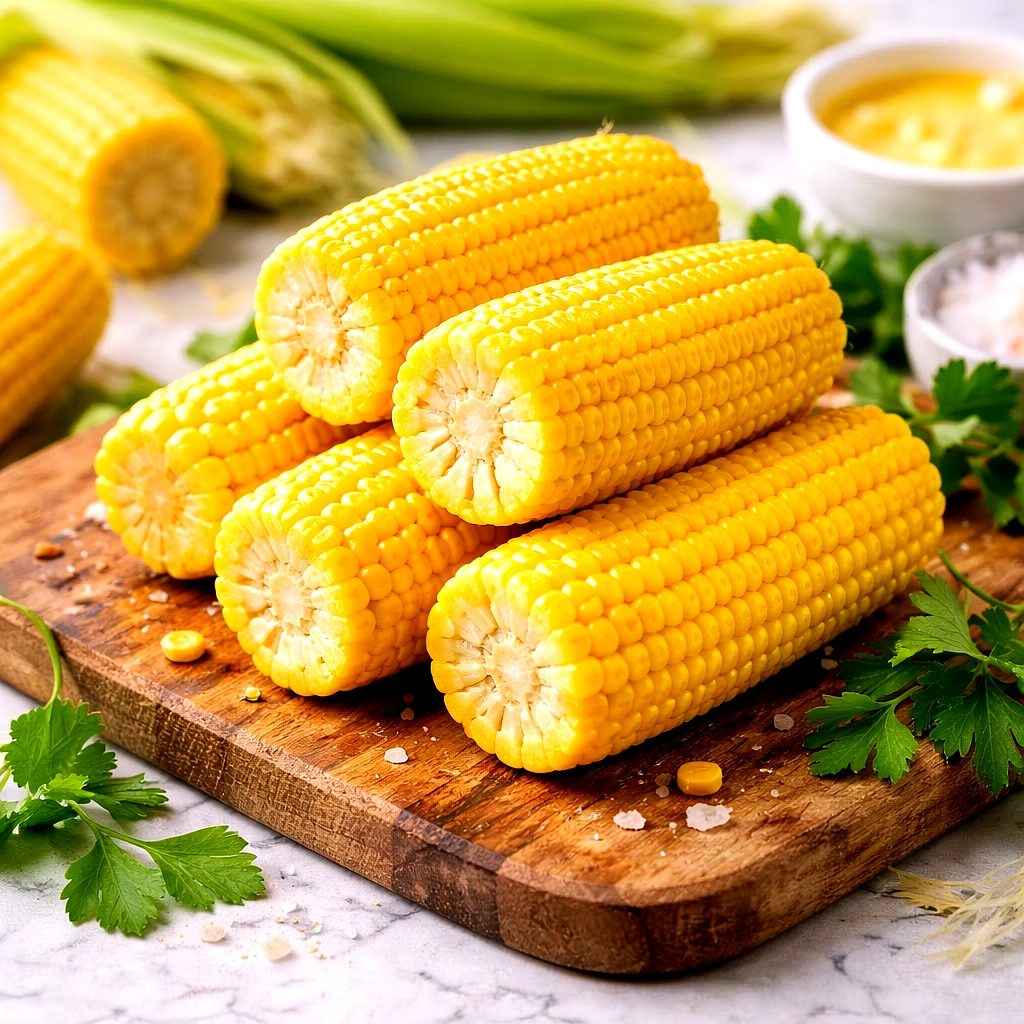
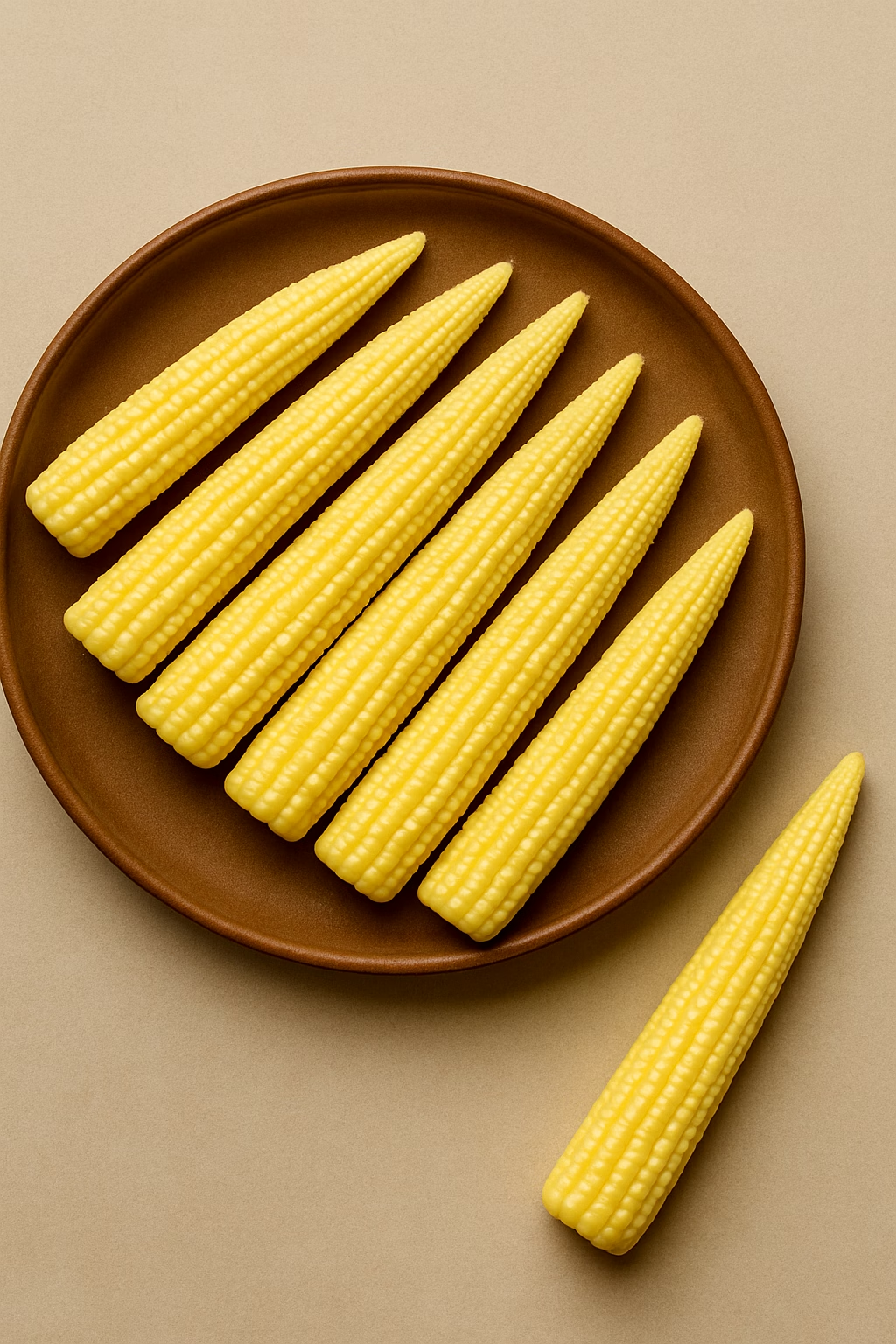
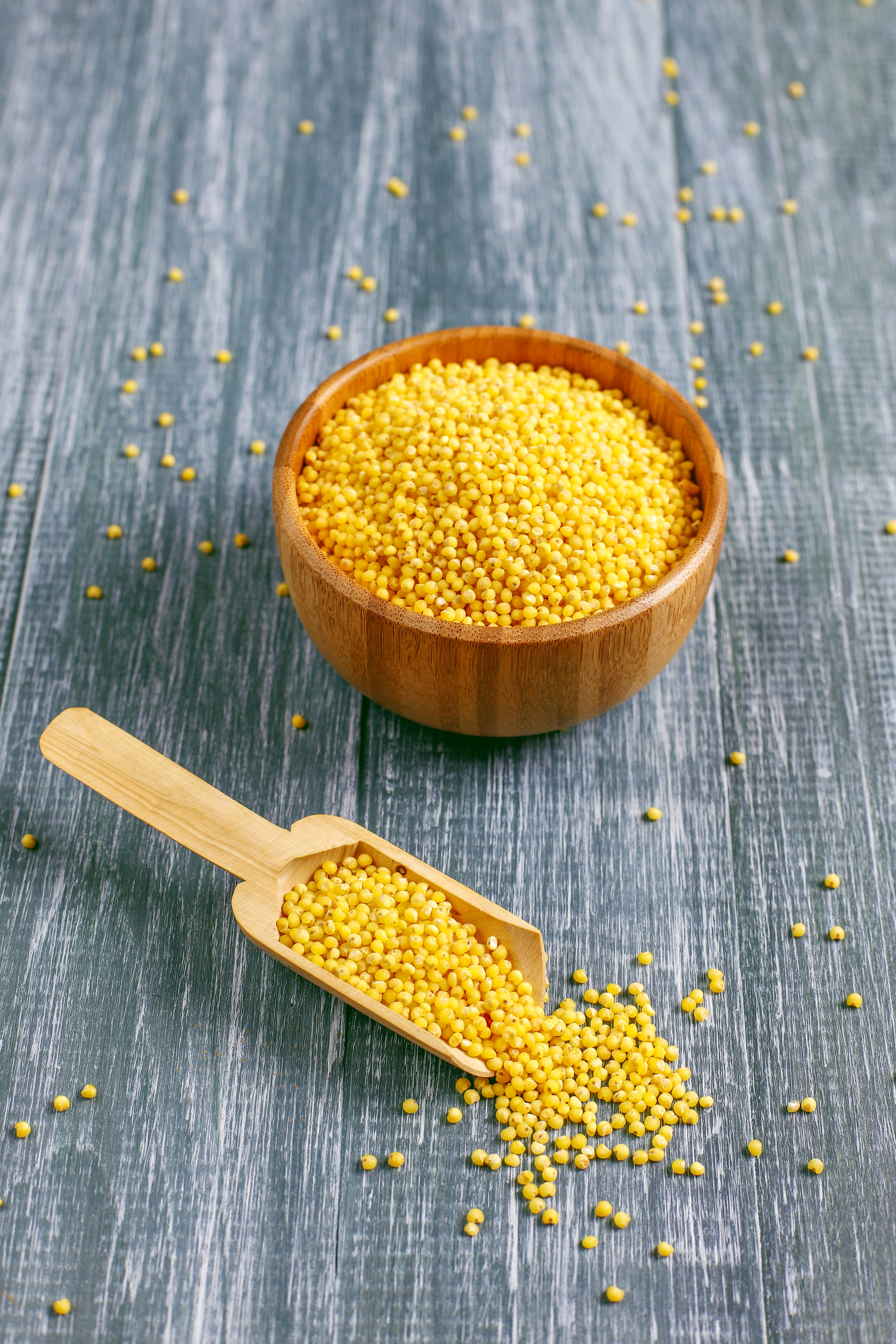
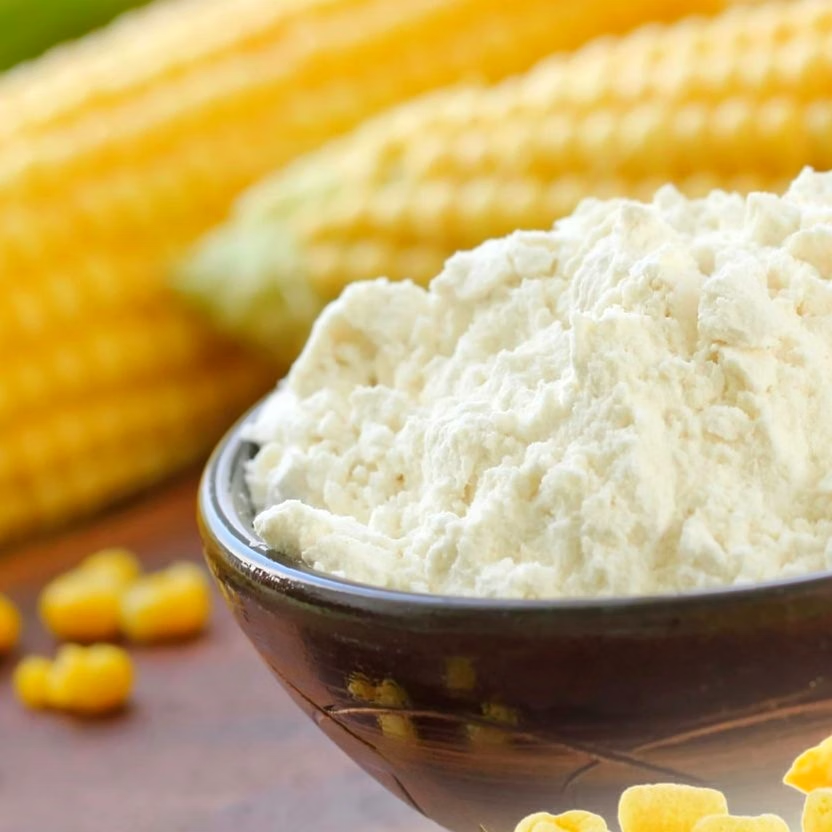
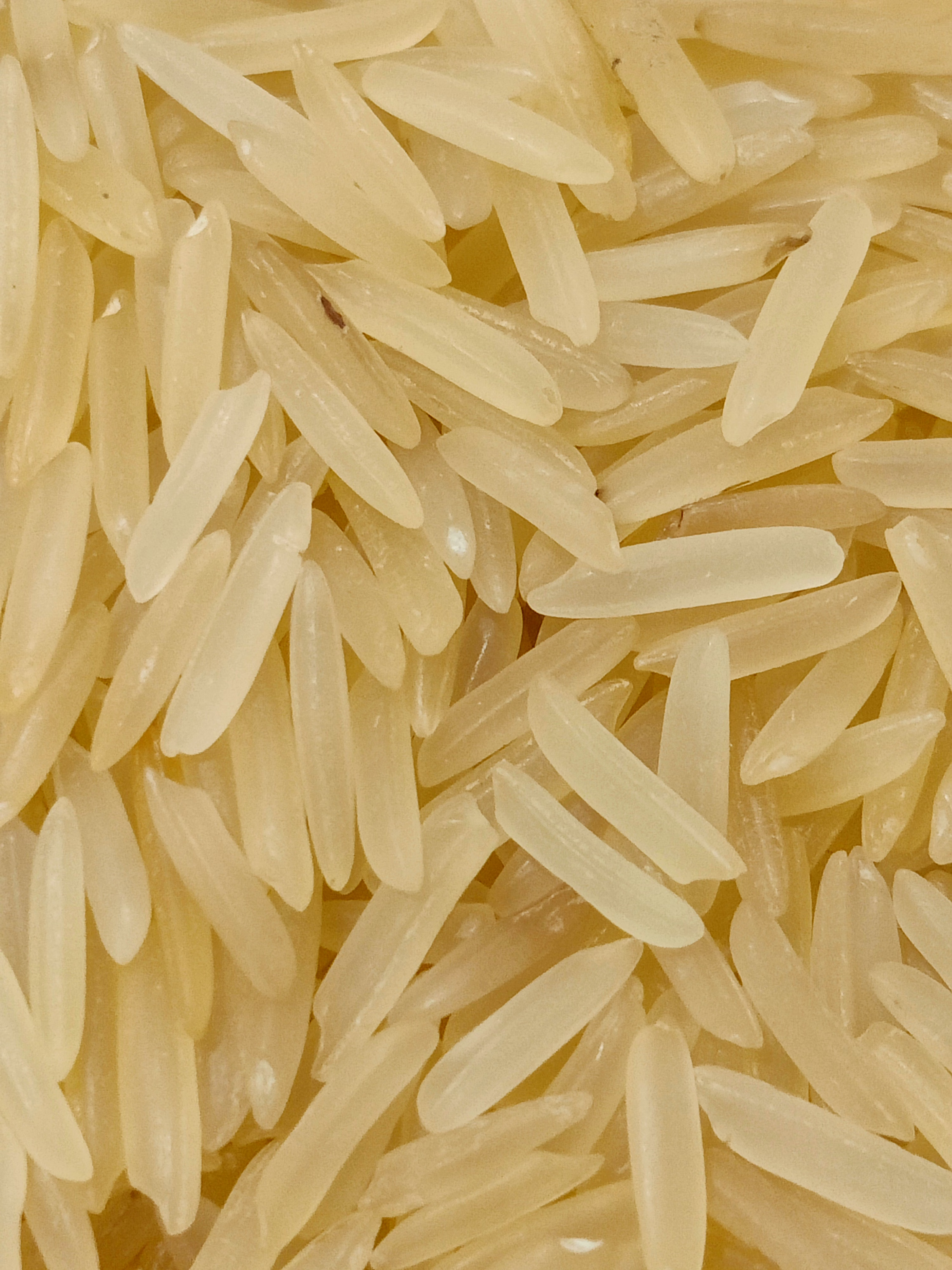
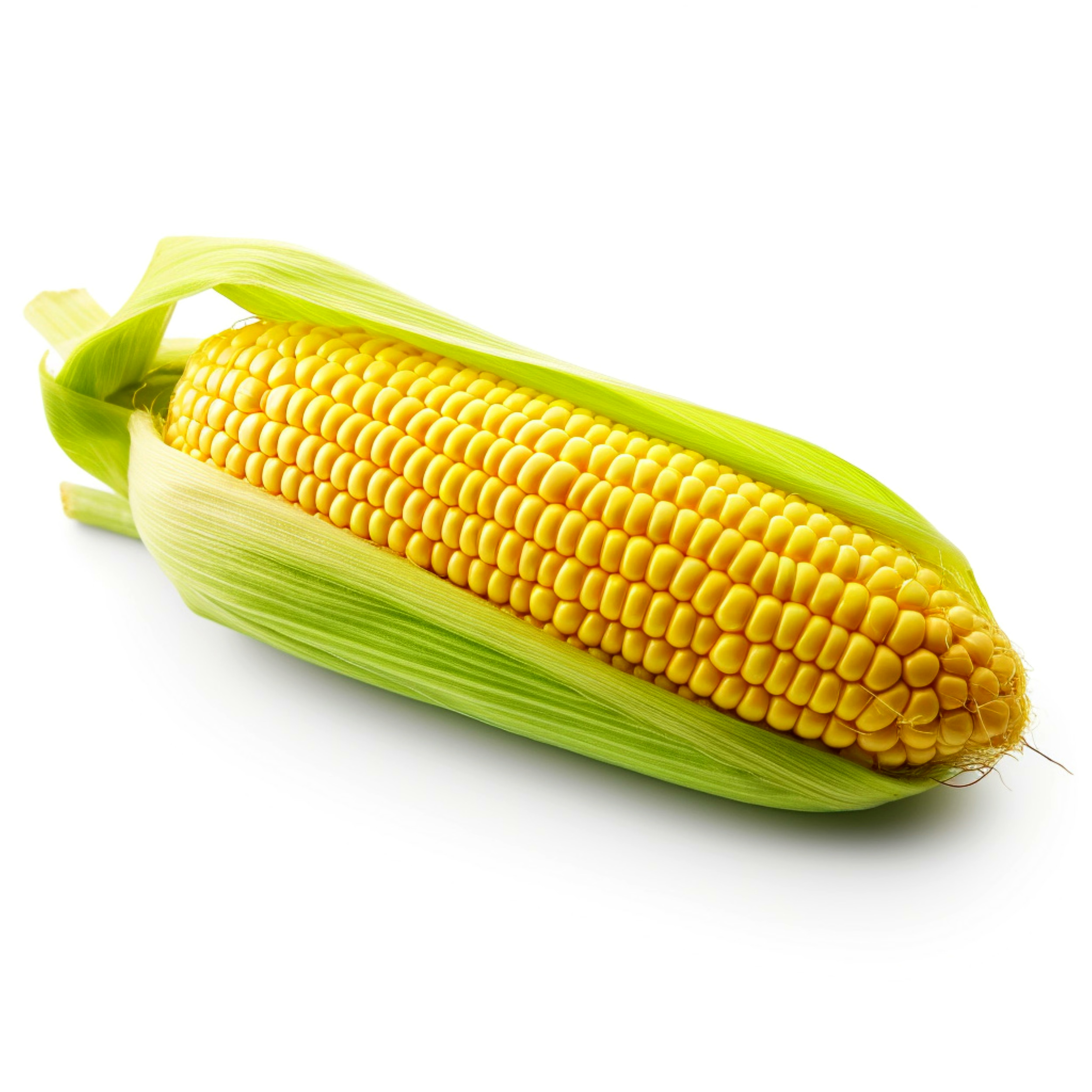
Our premium-grade Corn, available in both white and yellow varieties, is specifically cultivated to meet diverse industrial and food production requirements. White Corn is prized for its mild flavor and soft texture, making it ideal for manufacturing high-quality corn flour, tortillas, snacks, and breakfast cereals. It offers a consistent light color which enhances product appeal. Yellow Corn, enriched with natural beta-carotene, boasts a sweeter taste and is predominantly utilized in producing nutrient-rich cornmeal, grits, animal feed, and a variety of processed food products. Both types are harvested under stringent quality controls to ensure high carbohydrate content, essential vitamins, and minerals, making them a reliable choice for food processors, feed manufacturers, and industrial applications requiring versatile grain inputs.
Key Features
| Features | Description |
|---|---|
| Variety | Available in white and yellow corn varieties to suit different industrial and food processing needs |
| Flavor Profile | White corn has a mild, subtle flavor; yellow corn is naturally sweet with rich beta-carotene content |
| Applications | White corn is ideal for tortillas, flour, snacks, and cereals; yellow corn for cornmeal, grits, livestock feed, and processed foods |
| Nutrient Content | High in carbohydrates with essential vitamins like beta-carotene (Vitamin A precursor) especially in yellow corn |
| Color and Texture | White corn has a light color and soft texture, preferred for delicate food products |
| Quality Standards | Harvested and processed under strict quality controls ensuring purity and consistency |
| Versatility | Suitable for both food-grade applications and industrial uses including feed production |
| Shelf Life | Long shelf life when stored properly, maintaining grain integrity and nutrient value |
| Attributes | Description |
|---|---|
| Grain Type | White Corn / Yellow Corn |
| Moisture Content | Typically less than 14% |
| Carbohydrate Content | 70-75% |
| Protein Content | 8-10% |
| Beta-carotene Content | Significant in yellow corn, low in white corn |
| Color | Creamy white to pale yellow (white corn); deep yellow (yellow corn) |
| Packaging | Bulk bags, sacks, or pallets based on order size |
| Origin | Sourced from verified growers following sustainable practices |
| Storage Conditions | Cool, dry place away from direct sunlight |
| Intended Use | Food processing, animal feed manufacturing, industrial grain applications |
*Disclaimer: The above description has been AI-generated and has not been audited or verified for accuracy. It is recommended to verify product details independently before making any purchasing decisions.
Our yellow corn is naturally richer in beta-carotene and sugars, providing enhanced nutritional value and palatability for livestock feed, making it more beneficial compared to white corn which has a milder flavor and lower beta-carotene content.
Yes, our white corn is specifically selected for its soft texture and mild flavor, making it highly suitable for direct processing into corn flour, tortillas, and snack products with minimal additional treatment.
We recommend storing the corn in a cool, dry environment away from direct sunlight to preserve moisture levels below 14% and prevent microbial growth, thus maintaining the grain’s nutritional value and shelf life.
Our current supply includes conventionally grown corn sourced from vetted, sustainable farms, but we can cater to organic corn requirements upon request depending on volume and certification.
We implement rigorous quality checks to ensure that beta-carotene levels in yellow corn remain within a high and consistent range to meet nutritional standards required by the food and feed industries.
Country Of Origin: India
White and yellow corn are versatile grains used in food and industrial products. White corn has a mild flavor, ideal for flour, tortillas, and snacks. Yellow corn is sweeter, rich in beta-carotene, and commonly used for animal feed, cornmeal, and processed food products.
ChatGPT said:
White and yellow corn are highly versatile cereal grains cultivated worldwide for both human consumption and industrial use. White corn has a subtle flavor and is commonly used in making tortillas, corn flour, snacks, and cereals. It is preferred for its light color and soft texture. Yellow corn, richer in beta-carotene (a source of vitamin A), has a naturally sweet taste and is widely used for cornmeal, grits, livestock feed, and processed foods. Both types are rich in carbohydrates and essential nutrients, making them important staples in food production and nutritional diets across the globe.