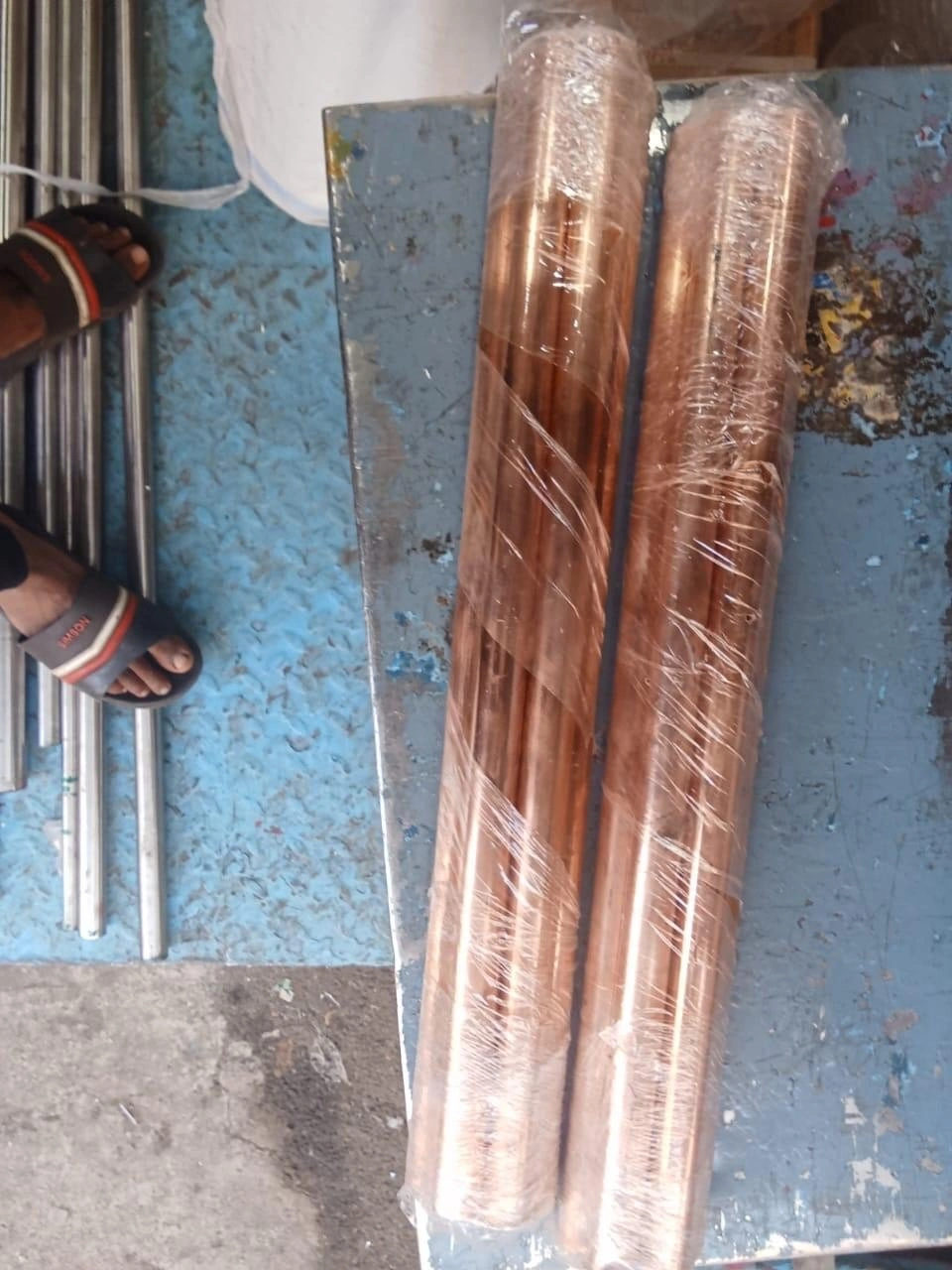
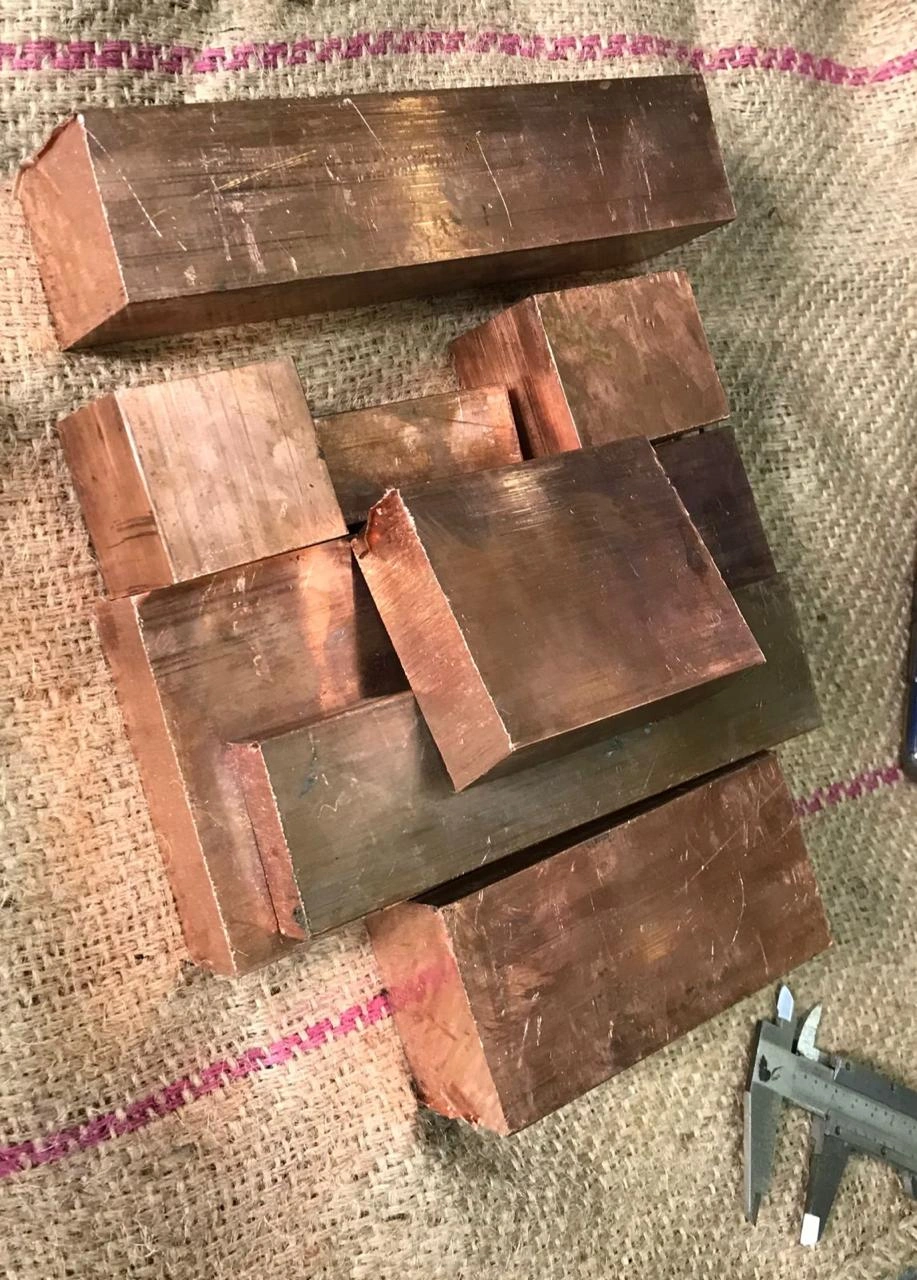
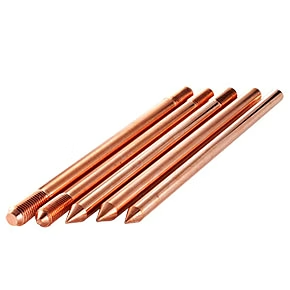
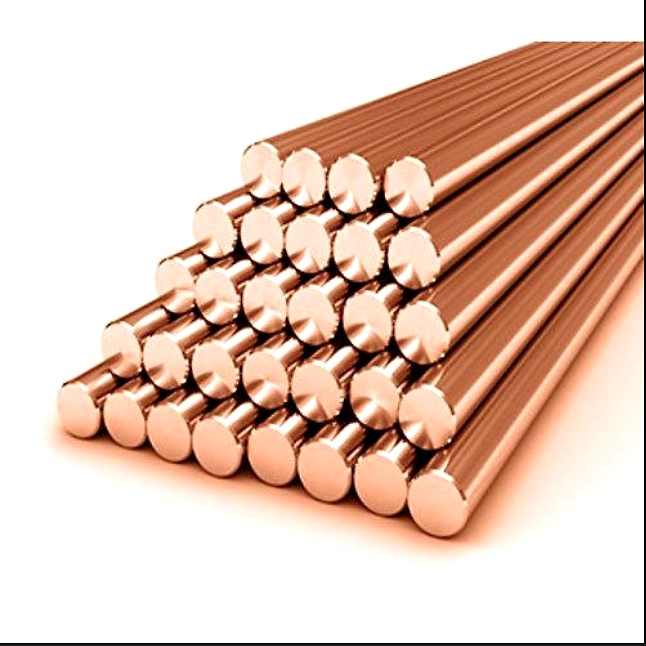
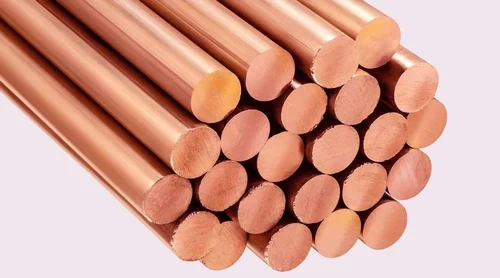
Copper bars are a fundamental component widely utilized across various industries due to their exceptional properties. Known for being one of the first metals harnessed by early humans, copper offers remarkable ductility, outstanding thermal and electrical conductivity, and a high degree of natural corrosion resistance. These qualities make copper bars highly adaptable and ideal for applications requiring bendability and formability, ensuring precise dimensional control with good crack resistance. In particular, copper bars play a crucial role in earthing and grounding applications in the electrical industry, as well as in power distribution systems. Their extensive uses include installation in switchboards and many industrial electrical frameworks, making them essential for ensuring efficient performance and reliability in electrical systems. The durability and versatility of copper bars make them indispensable elements in modern electrical installations, aligning with the rigorous demands of various sectors, from construction to manufacturing.
Key Features
| Features | Description |
|---|---|
| Material | 100% Copper |
| Electrical Conductivity | Excellent thermal and electrical conductivity for optimum performance |
| Corrosion Resistance | High natural corrosion resistance ensuring longevity |
| Ductility | Superior ductility allowing easy bending and shaping |
| Dimensional Control | Excellent dimensional control for precise applications |
| Applications | Widely used in grounding, earthing, switchboards and electrical installations |
| Crack Resistance | Good crack resistance for durability under stress |
| Attributes | Description |
|---|---|
| Dimension | Available in various lengths and widths based on requirements |
| Thickness | Standard thickness options available to suit various applications |
| Finish | Smooth finish for enhanced conductivity |
| Purity Level | High purity level ensuring superior performance |
| Weight | Varies by dimension and thickness |
| Standard Compliance | Manufactured to meet international standards |
*Disclaimer: The above description has been AI-generated and has not been audited or verified for accuracy. It is recommended to verify product details independently before making any purchasing decisions.
Copper bars are commonly used in electrical installations, construction, manufacturing, and telecommunications, particularly for grounding and earthing applications.
Copper bars offer significantly higher electrical conductivity compared to aluminum bars, making them a more efficient choice for power applications.
Yes, copper bars have a high natural resistance to corrosion, making them suitable for long-term use in various environmental conditions.
Copper bars typically have a high purity level, often above 99%, ensuring maximum performance in electrical applications.
Absolutely! Copper bars can be easily recycled without any loss in performance, making them an environmentally friendly choice.
Country Of Origin: India
Copper bar is a widely used product across many industries. One of the first metals used by early humans, copper offers good ductility, very high thermal and electrical conductivity, and high natural corrosion resistance. Copper bar is easy to bend and form, with excellent dimensional control and good crack resistance.
Copper bars are essential elements in any earthing and grounding applications as well as in power applications. Their uses are wide and are often found switchboards and industrial electrical'installations.
Copper bars - Maltep
Maltep