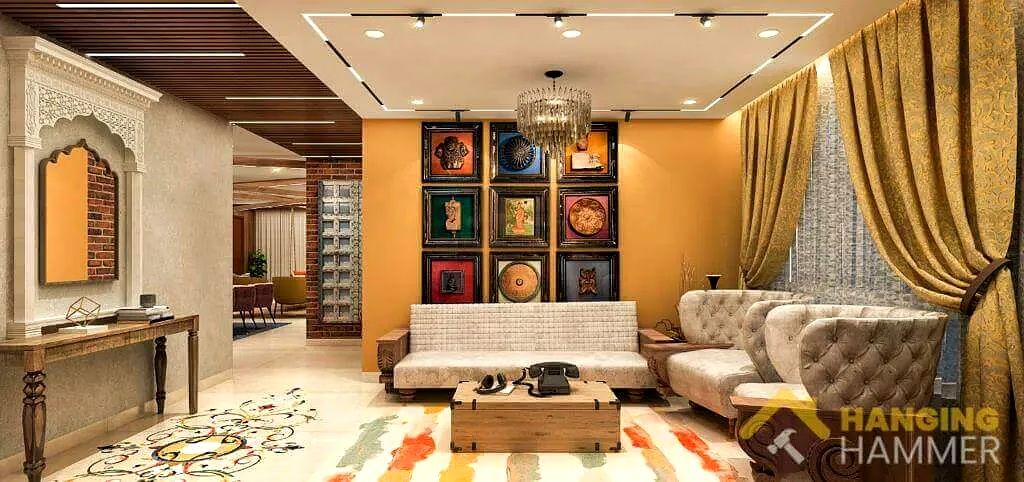
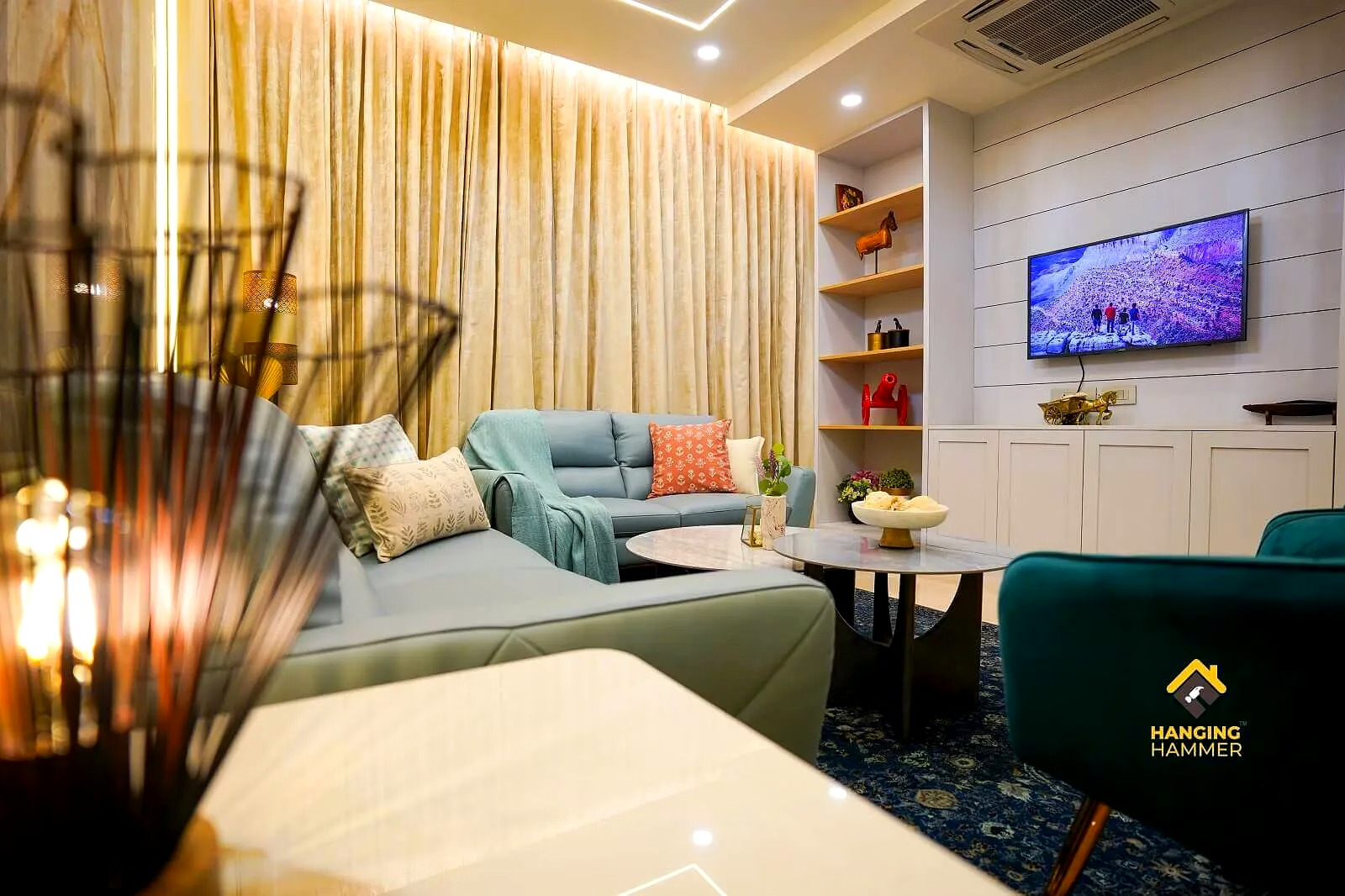
Contemporary Design represents the forefront of interior design trends, characterized by its clean lines, simplicity, and sophisticated aesthetic. This style expertly blends modern minimalism with traditional elements, creating fluid and adaptable spaces that are both comfortable and functional. Utilizing a neutral color palette accented with bold tones, it highlights the harmonious use of high-end materials like metal and natural wood. The design philosophy prioritizes uncluttered environments that foster a serene ambiance, while simultaneously embracing evolving trends that keep interiors fresh and relevant. Ideal for businesses looking to craft stylish, versatile spaces that resonate with modern sensibilities, Contemporary Design offers a seamless integration of elegance and practicality.
Key Features
| Features | Description |
|---|---|
| Design Style | Blends modern and traditional elements |
| Lines | Clean and simple |
| Space Utilization | Uncluttered and fluid spaces |
| Color Palette | Neutral basis with bold accents |
| Materials Used | High-end metals and natural wood |
| Comfort | Focus on functionality and comfort |
| Trend Adaptability | Ever-evolving style reflecting current trends |
| Attributes | Description |
|---|---|
| Primary Colors | Neutrals such as white, beige, gray |
| Accent Colors | Bold tones like deep blues, reds, or greens |
| Material Composition | Combination of metal, wood, glass, and natural fibers |
| Design Period | Current and evolving |
| Functional Features | Ergonomic furniture and optimized layout |
| Typical Spaces | Residential and commercial interiors |
| Key Elements | Minimalism, balance, and comfort |
*Disclaimer: The above description has been AI-generated and has not been audited or verified for accuracy. It is recommended to verify product details independently before making any purchasing decisions.
Contemporary Design integrates sleek modern features such as clean lines and minimalistic furniture with traditional textures and materials like natural wood, creating a harmonious and timeless aesthetic.
The style emphasizes high-end and natural materials including metals, natural woods, glass, and fibers, blending durability with sophisticated visual appeal.
Yes, Contemporary Design is highly adaptable, making it ideal for commercial environments where functionality and modern aesthetics are crucial.
It achieves this by adopting a neutral and simple base, allowing for easy incorporation of bold accents and materials that reflect current design innovations.
Comfort is fundamental, with layouts and furniture designed ergonomically to optimize the user's experience while maintaining sleekness and simplicity.
Contemporary interior design refers to a style that reflects current trends and is fluid and ever-evolving. It's defined by clean lines, simple and uncluttered spaces, and a neutral color palette often accented with bold choices. Key characteristics include a mix of modern and traditional elements, high-end and natural materials like metal and wood, and a focus on comfort and functionality.