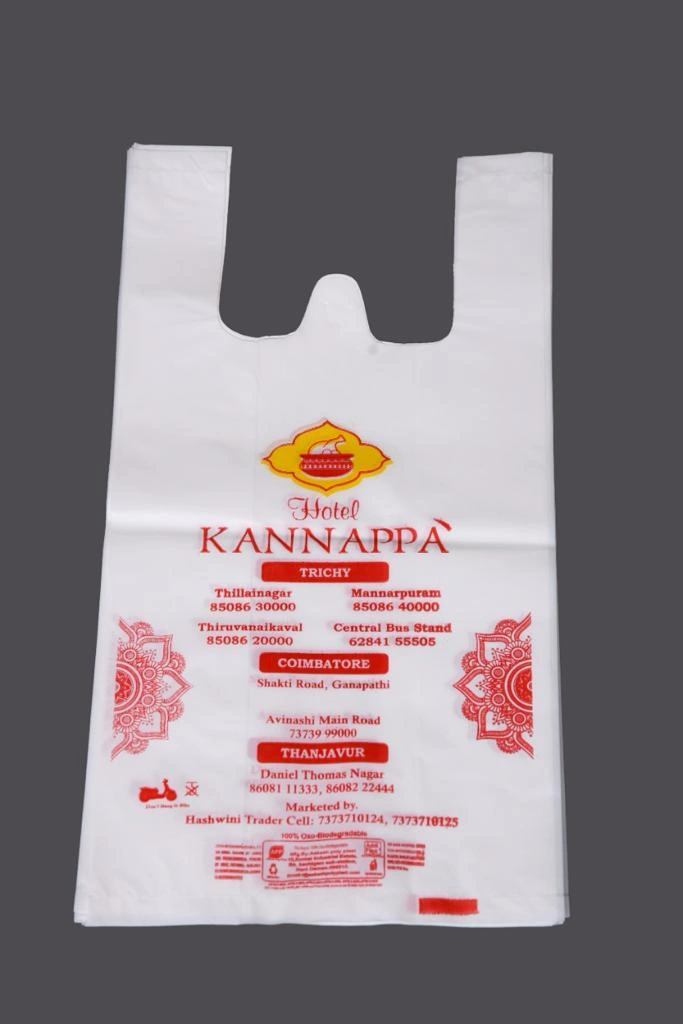
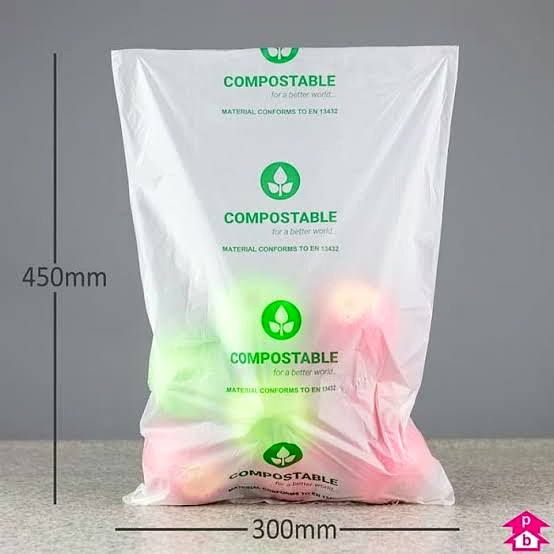
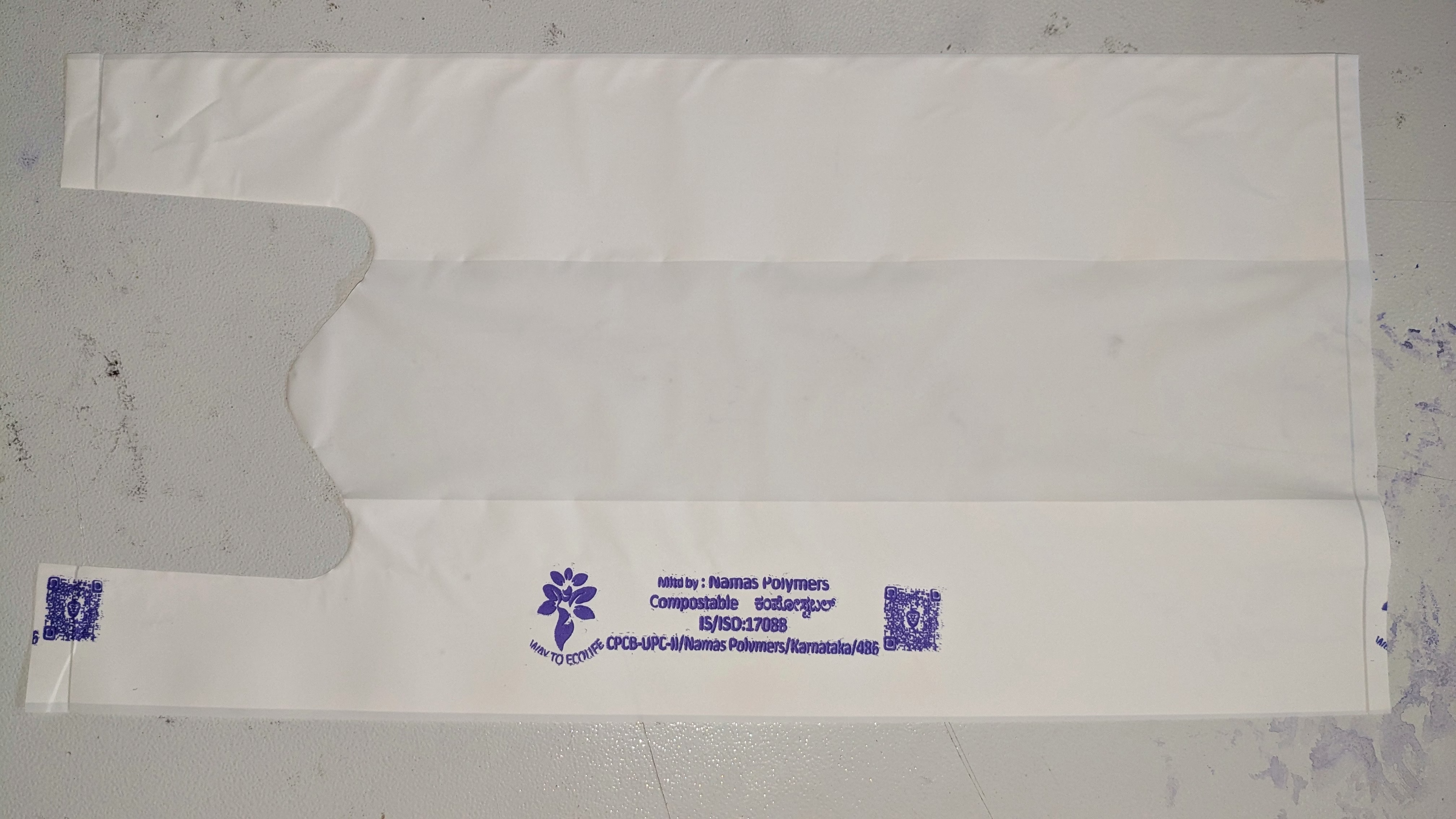
The Compostable Carry Bag is an eco-friendly alternative for various carrying needs, made entirely from plant-based materials. This 100% compostable and biodegradable carry bag is designed to decompose under composting conditions, enriching the soil instead of harming the environment like traditional plastic bags. Tested according to IS - ISO 17088 standards by CIPET and certified by CPCB, these bags ensure safety and compliance with sustainable practices. Available in multiple sizes—10"x12", 11"x14", 13"x16", 16"x20", and 20"x24"—and featuring a milky white color, these bags are perfect for waste collection of food scraps and yard waste, promoting a more environmentally friendly waste management system. By switching to compostable bags, businesses can contribute to the reduction of plastic pollution while maintaining functionality and efficiency.
Key Features
| Features | Description |
|---|---|
| Material | 100% plant-based, compostable and biodegradable material |
| Test Certification | IS - ISO 17088 tested by CIPET and CPCB certified |
| Sizes Available | 10"x12", 11"x14", 13"x16", 16"x20", 20"x24" |
| Color | Milky white color |
| Environmental Impact | Breaks down into natural elements, enriching soil and reducing landfill waste |
| Attributes | Description |
|---|---|
| Bag Type | Carry bag |
| Biodegradability | 100% compostable and biodegradable |
| Usage | Ideal for collecting food scraps and yard waste |
| Safety Standards | Toxic free and environmentally safe |
| Product Lifespan | Designed to decompose under composting conditions |
*Disclaimer: The above description has been AI-generated and has not been audited or verified for accuracy. It is recommended to verify product details independently before making any purchasing decisions.
The Compostable Carry Bag is made from plant-based materials, such as cornstarch, potato starch, or PLA, making it 100% compostable and biodegradable.
These bags are IS - ISO 17088 tested by CIPET and certified by CPCB, ensuring that they meet safety and environmental standards.
These compostable bags are ideal for collecting food scraps and yard waste, promoting sustainable waste management.
The Compostable Carry Bags are available in sizes 10"x12", 11"x14", 13"x16", 16"x20", and 20"x24".
Using compostable bags enriches the soil as they decompose under composting conditions, reducing landfill waste and minimizing plastic pollution.
Brand: namas
Country Of Origin: India
Our Compostable Carry Bags are made from 100% biodegradable, plant-based materials such as PLA and cornstarch. These toxin-free bags are ISO 17088 tested by CIPET and CPCB certified, offering a sustainable and durable solution for carrying groceries, food, and general items. Designed to break down naturally, they help reduce plastic waste and enrich the environment.
Features:Compostable Carry Bags offer a safe and sustainable alternative to conventional plastic bags. Made from renewable resources such as cornstarch, PLA, and other plant-derived materials, they are designed to break down under composting conditions—leaving behind zero toxic residue.
Certified & Tested for Environmental SafetyBacked by IS/ISO 17088 certification and tested by CIPET, these carry bags are approved by CPCB and meet the highest standards for compostability. Whether you're a retailer or consumer, these certifications ensure your commitment to the environment is validated and trustworthy.
Durable, Versatile & PracticalThese bags are built to handle everyday use while remaining fully compostable. From grocery shopping to food delivery, their strength and versatility make them a smart choice for eco-conscious businesses and individuals alike.
Available in Multiple Sizes & Milky White FinishOur compostable carry bags come in a range of sizes including 10x12, 11x14, 13x16, 16x20, and 20x24 inches. The clean, milky white color gives a premium feel while reflecting the product’s purity and safety.
For a Cleaner, Greener FutureSay goodbye to single-use plastics and join the movement toward sustainability. These compostable carry bags decompose into water, CO₂, and biomass—helping to restore and nourish the planet instead of polluting it.