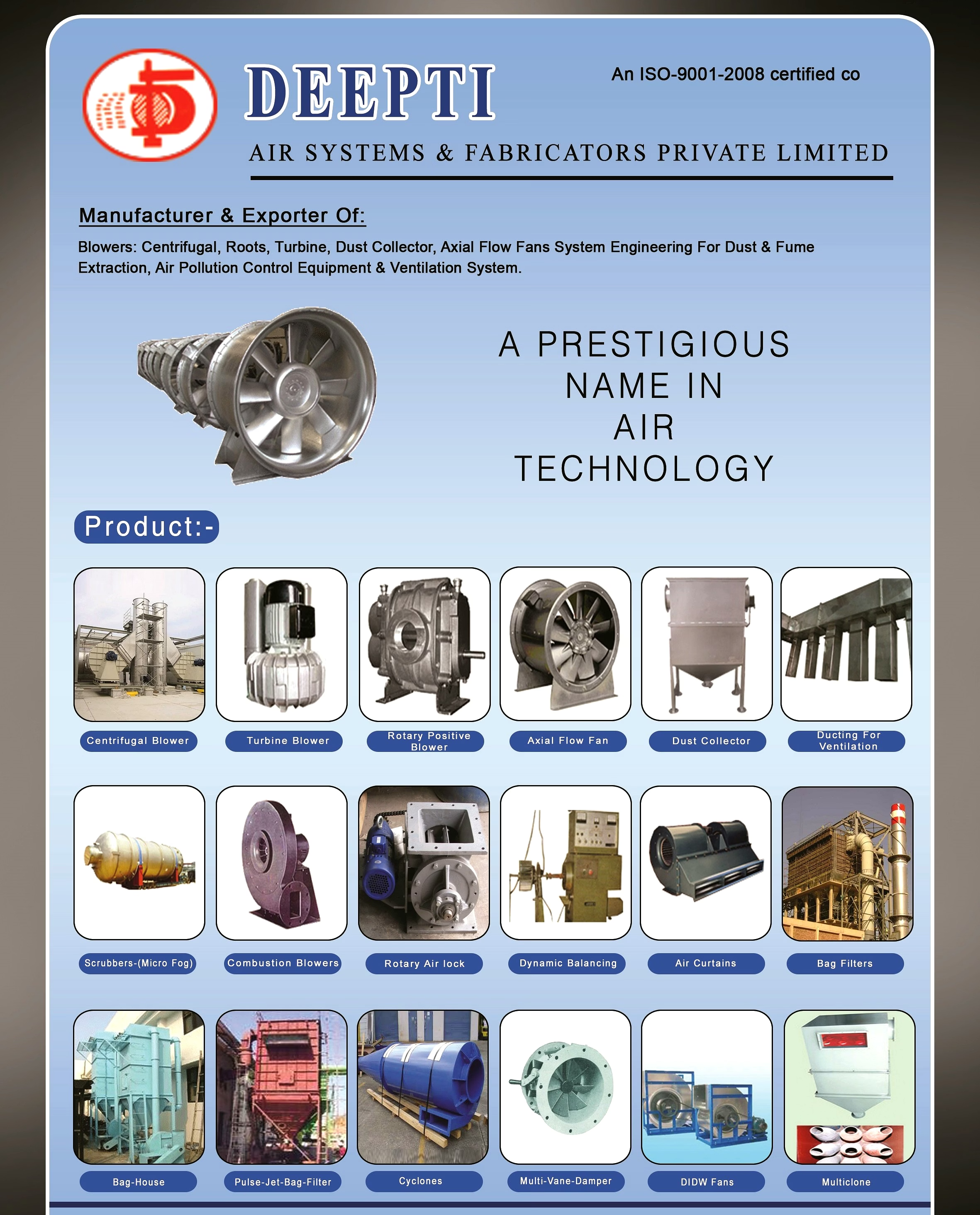
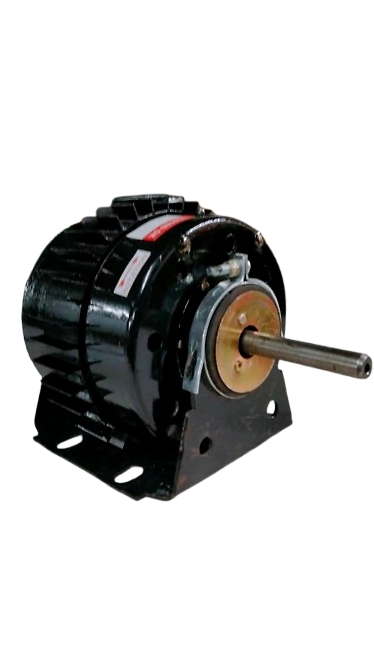
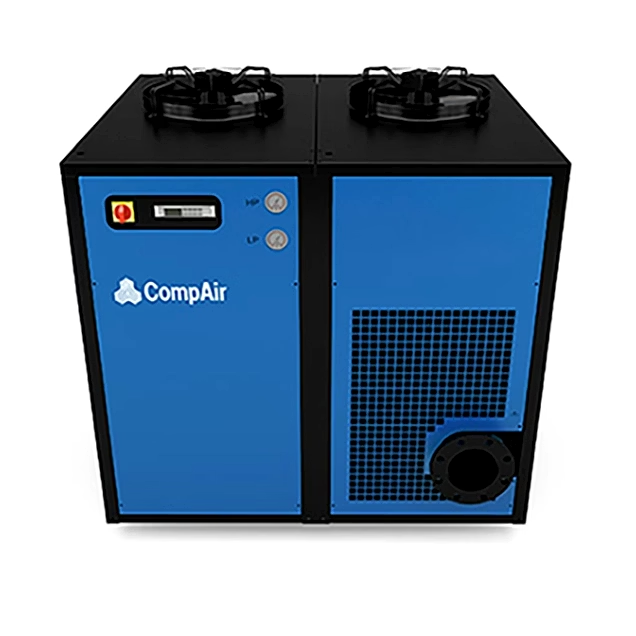
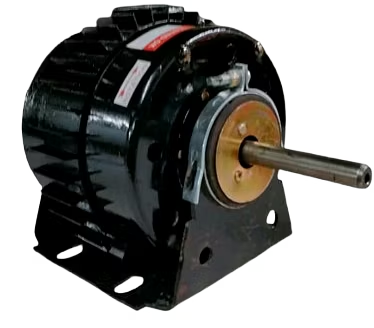
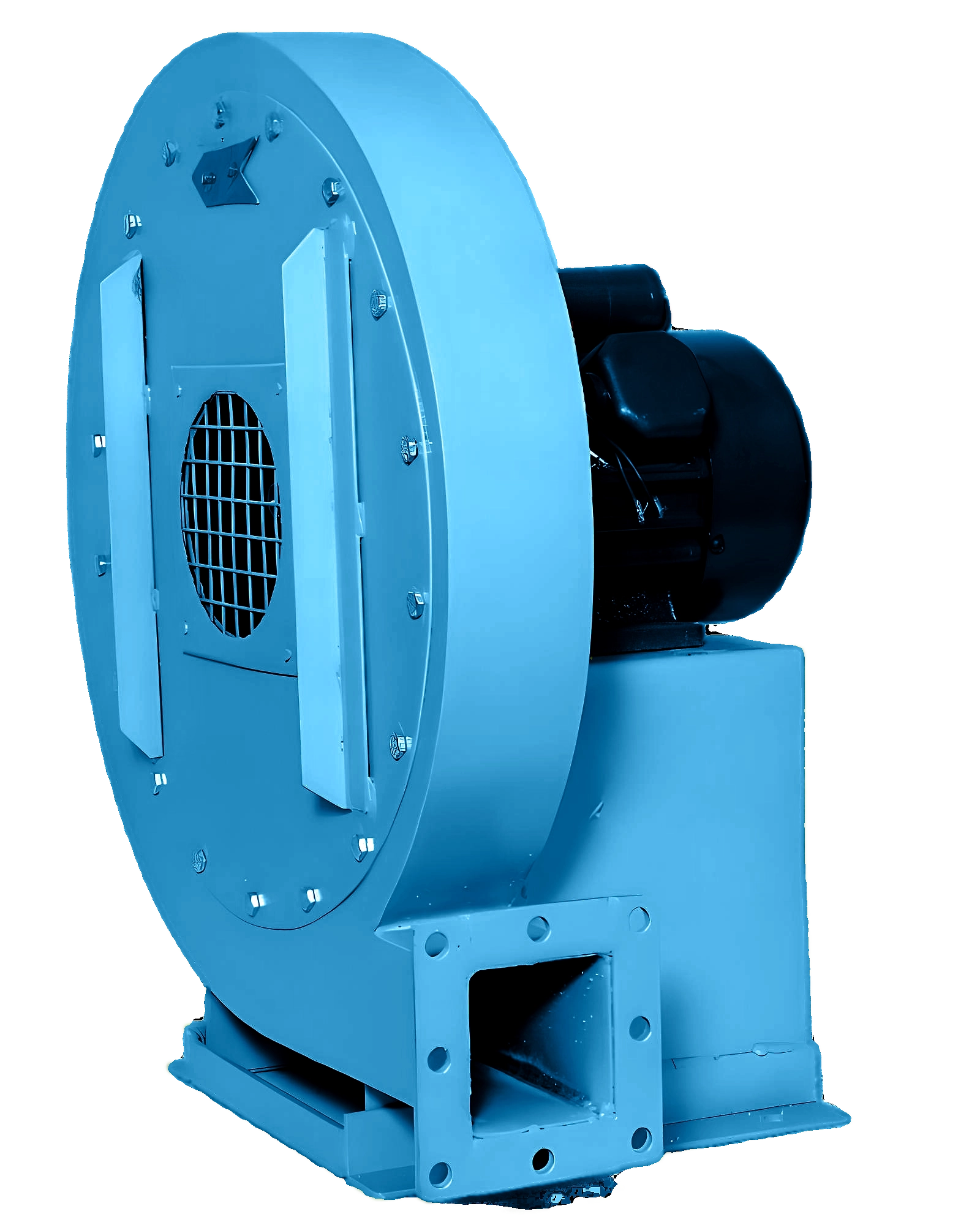
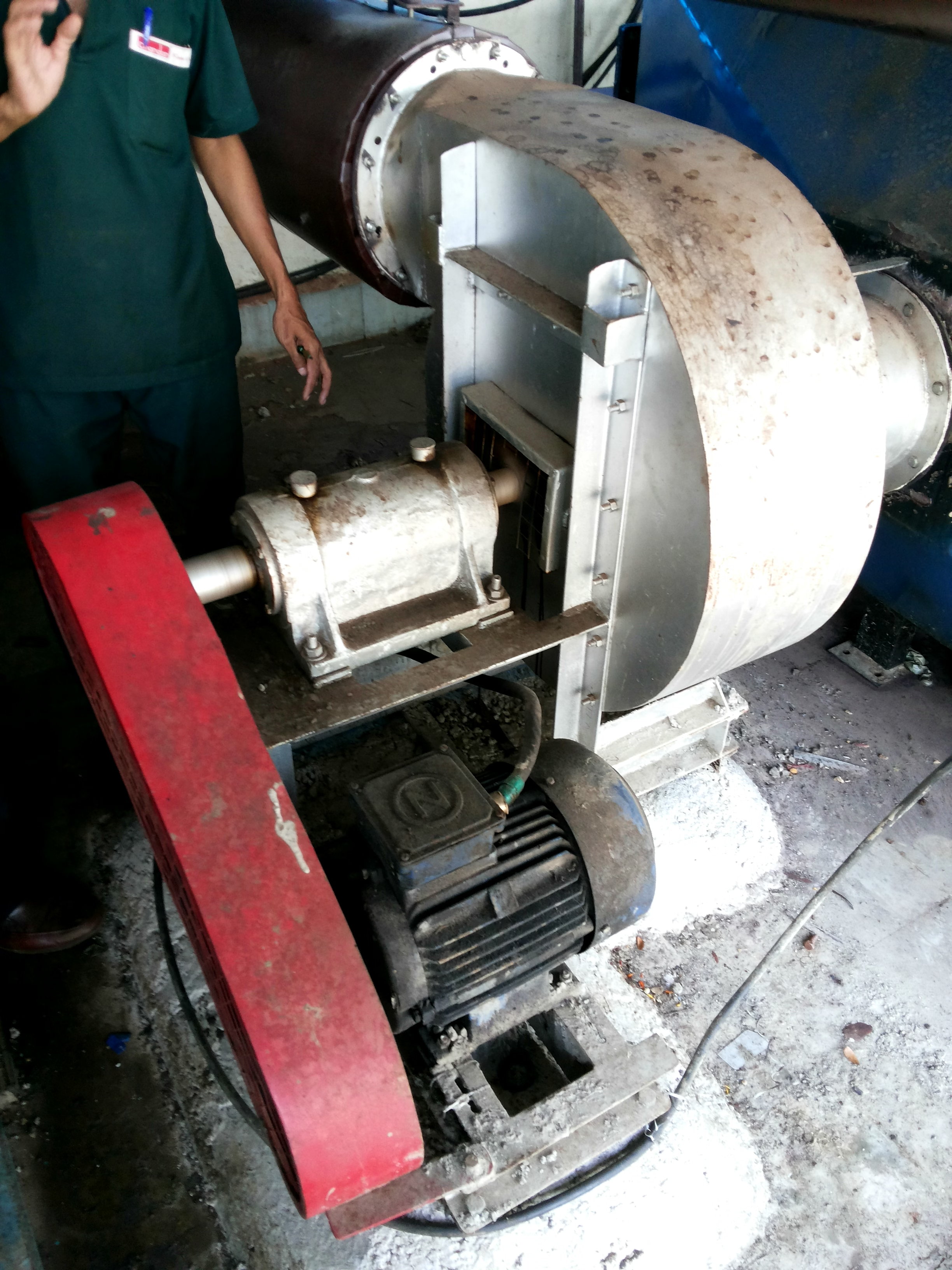
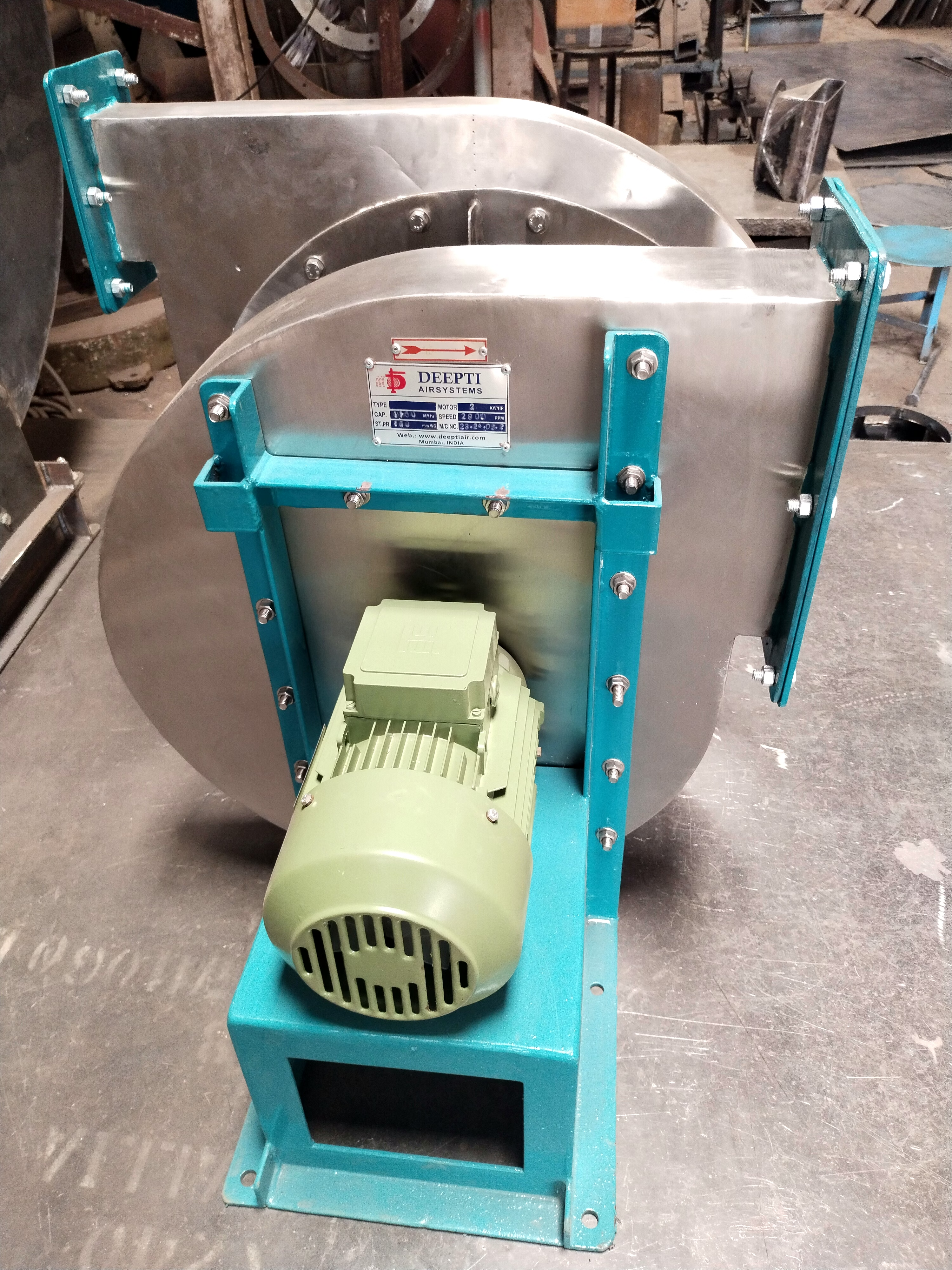
The Combustion Blower is a centrifugal blower specifically engineered to deliver air pressures up to 2,100 mm H2O, making it ideal for combustion applications requiring precise air supply management. It efficiently generates the necessary airflow capacity and pressure by utilizing impeller blades designed to accelerate air velocity towards rotor edges, converting dynamic pressure into static pressure within the blower's scroll. This product is essential for industries needing reliable draft for combustion systems, ensuring optimal fuel combustion and energy efficiency. Maintaining blade cleanliness is crucial as fouling can reduce blower capacity by increasing air friction. It is recommended to incorporate appropriate filtering systems at air inlets to avoid contamination. For applications demanding pressures beyond the blower’s capabilities, combustion blowers can be configured in series, where multiple blowers are connected to cumulatively increase output pressure, suitable for advanced industrial requirements. The motor rating must be matched to capacity demands, prioritizing airflow rate over pressure for optimal performance, with electrical load monitoring facilitating maintenance and operational efficiency.
Key Features
| Features | Description |
|---|---|
| Maximum Air Pressure Capacity | Up to 2,100 mm H2O |
| Blower Type | Centrifugal blower |
| Airflow Mechanics | Creates draft via blade convergence at shaft; dynamic pressure peaks at blade edges |
| Pressure Enhancement Method | Blowers can be connected in series for increased pressure |
| Fouling Control | Requires blade cleanliness and recommends inlet air filtration |
| Motor Rating Consideration | Motor rated to satisfy capacity and pressure requirements, with capacity prioritized |
| Industry Application | Suitable for industrial combustion air supply |
| Monitoring | Electrical load checks on engines to assess blower health |
| Attributes | Description |
|---|---|
| Air Pressure Range | Up to 2,100 mm H2O |
| Blower Configuration | Single or series setup for increased pressure |
| Air Velocity Distribution | Slower velocity at shaft, higher at impeller edges |
| Application | Combustion systems requiring controlled air supply |
| Maintenance Requirement | Regular cleaning of blower blades to prevent fouling |
| Filter Recommendation | Adoption of filtering systems at air inlets |
| Suitable Motor Rating | Dependent on blower capacity and pressure requirements |
| Dynamic to Static Pressure Conversion | Occurs in blower scroll at blade edges exit |
*Disclaimer: The above description has been AI-generated and has not been audited or verified for accuracy. It is recommended to verify product details independently before making any purchasing decisions.
This centrifugal combustion blower can deliver air pressures up to 2,100 mm H2O.
Yes, blowers can be configured in series to sum their individual pressures and achieve higher air pressure outputs.
Fouling on the blades increases air friction, reducing blower airflow capacity and overall efficiency.
It is recommended to install proper filtration systems at the air inlet to prevent contamination and fouling.
The motor selection should prioritize airflow capacity over pressure to ensure adequate blower performance.
Electrical load checks on the blower motor can help monitor its operating condition and detect fouling or mechanical issues.
Country Of Origin: India
Centrifugal blowers are capable of developing air pressures up to
2,100 mm H2O. Obviously the higher the pressure or the blower
capacity, the more expensive the blower. Choosing the most ade
quate blower is important as for the rating the motor needs to satisfy
the required features (capacity and pressure). The capacity is more
influent than the pressure.
Above the pressure limiting value mentioned above piston compres
sors or rotary pumps are necessary.
A centrifugal blower creates some draft (negative pressure) where
the blades converge towards the rotating and support shaft. The air
velocity is slower at the shaft and higher at the impeller or rotor
edges where blades diverge. The dynamic pressure (function of
speed) is maximum where the air leaves the blade edges and is con
verted into static pressure in the scroll of the blower.
The blades of the combustion air blower must be kept clean: fouling
accumulating on the surface of the blades increases the friction of
air and consequently decreases the capacity of the blowers. The phe
nomenon may also be controlled by means of checks of the electrical
load of the engines. In industrial applications and some particular cir
cumstances, we recommend that some proper filtering systems be
adopted on the air inlets of the blowers.
In some cases, in order to obtain higher air pressures, blowers in
series are used. In this application, the air inlet of the downstream
blower is connected to the pressing mouth of the upstream blower, so
as to obtain a system where the supplied pressure is equal to the
sum of the pressures generated by the single blowers.
Centrifugal blowers are capable of developing air pressures up to
2,100 mm H2O. Obviously the higher the pressure or the blower
capacity, the more expensive the blower. Choosing the most ade
quate blower is important as for the rating the motor needs to satisfy
the required features (capacity and pressure). The capacity is more
influent than the pressure.
Above the pressure limiting value mentioned above piston compres
sors or rotary pumps are necessary.
A centrifugal blower creates some draft (negative pressure) where
the blades converge towards the rotating and support shaft. The air
velocity is slower at the shaft and higher at the impeller or rotor
edges where blades diverge. The dynamic pressure (function of
speed) is maximum where the air leaves the blade edges and is con
verted into static pressure in the scroll of the blower.
The blades of the combustion air blower must be kept clean: fouling
accumulating on the surface of the blades increases the friction of
air and consequently decreases the capacity of the blowers. The phe
nomenon may also be controlled by means of checks of the electrical
load of the engines. In industrial applications and some particular cir
cumstances, we recommend that some proper filtering systems be
adopted on the air inlets of the blowers.
In some cases, in order to obtain higher air pressures, blowers in
series are used. In this application, the air inlet of the downstream
blower is connected to the pressing mouth of the upstream blower, so
as to obtain a system where the supplied pressure is equal to the
sum of the pressures generated by the single blowers.