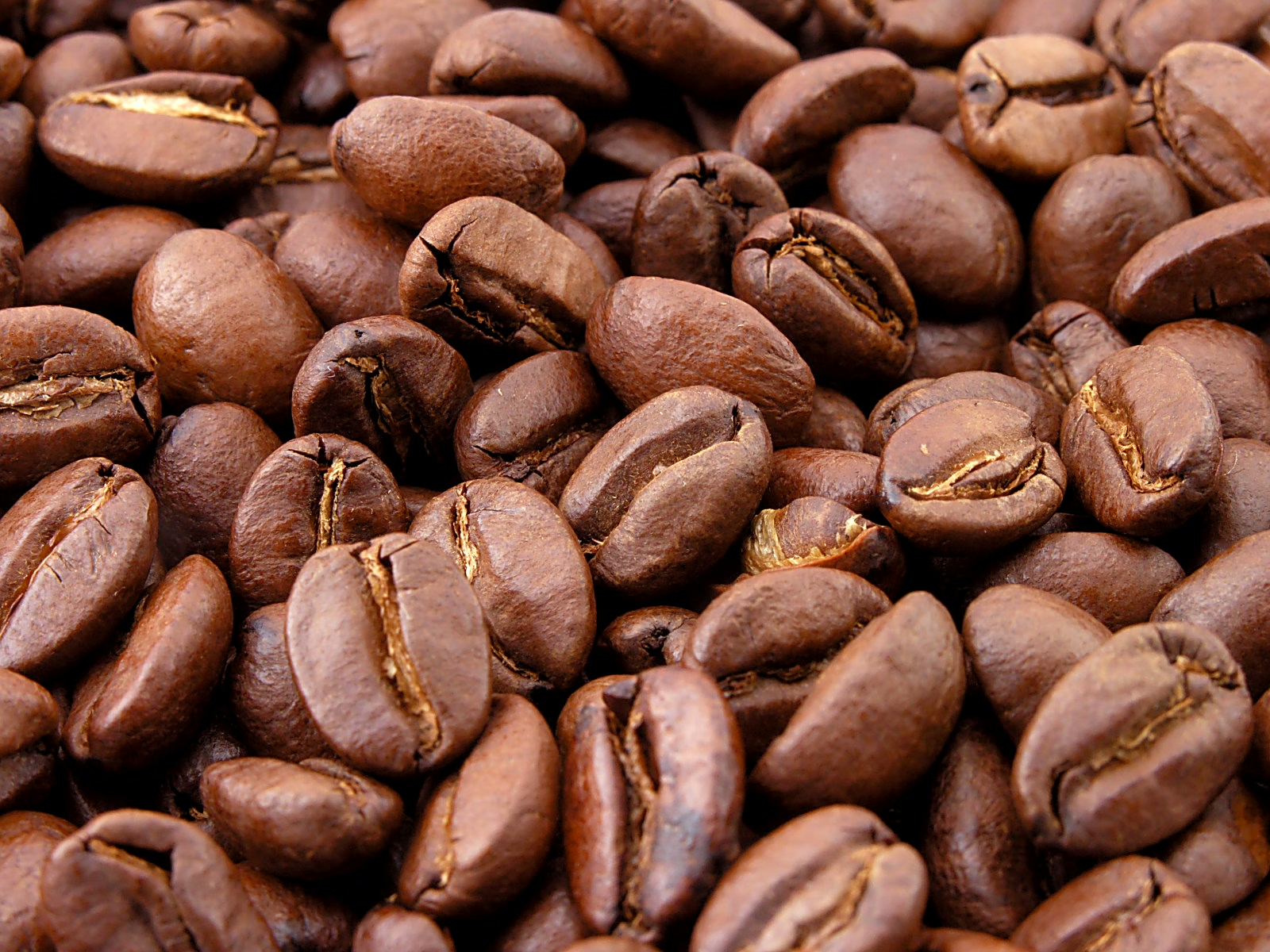
Coffee beans are the foundation of premium coffee roasting, blending, and beverage manufacturing. This product is suitable for B2B buyers looking for green or specialty coffee bean procurement options with a focus on quality, origin, and certification-driven sourcing. The most important selection factors for coffee beans are variety, origin, roast level, and processing method, as these directly influence aroma, body, acidity, crema, and overall cup profile. For specialty coffee applications, 100% Arabica beans are preferred for their sweetness, smooth body, and complex flavor notes. Robusta beans are commonly used in espresso blends when higher caffeine content, stronger bitterness, and thicker crema are required. Buyers sourcing coffee beans for commercial use often evaluate beans by origin traceability and lot type, such as single-origin or microlot, which provide distinct terroir characteristics and more consistent flavor identity. This product also aligns with current certification-driven buying decisions in 2026. Rainforest Alliance certification supports sustainability and conservation goals by emphasizing biodiversity protection and farmer livelihoods. Fair Trade certification helps protect smallholder farmers through minimum pricing and social responsibility standards. Single-origin and microlot coffees are valued for their unique terroir and harvest-specific flavor expression, while Regenerative Organic sourcing is increasingly important for long-term soil health, carbon sequestration, and ecosystem restoration. Coffee beans sourced for B2B supply are ideal for roasters, cafés, distributors, hospitality providers, and private label beverage brands that need export-ready bulk quantities, consistent bean quality, and documentation for international trade. Whether the requirement is for specialty roasting, espresso blends, or retail packaging, coffee beans remain one of the most important raw materials in the global beverage supply chain.
Key Features
| Features | Description |
|---|---|
| Bean Variety | Available sourcing preference for Arabica, Robusta, or blended lots depending on flavor and caffeine requirements. |
| Origin Traceability | Supports single-origin and microlot sourcing for distinct terroir-driven flavor profiles. |
| Roast Compatibility | Suitable for commercial roasting across light, medium, and dark roast applications. |
| Processing Importance | Bean quality can be evaluated by washed, natural, or honey processing methods. |
| Certification Options | Supports Rainforest Alliance, Fair Trade, and Regenerative Organic sourcing requirements. |
| B2B Supply Use | Ideal for roasters, wholesalers, cafés, hospitality businesses, and private label brands. |
| Attributes | Description |
|---|---|
| Product Type | Coffee Beans |
| Store Name | PATEL GLOBAL EXIM |
| MOQ | 1 Ton |
| Market Segment | B2B |
| Bean Variety Options | Arabica, Robusta, or Blend |
| Origin Type | Single-Origin / Microlot available |
| Certification Support | Rainforest Alliance, Fair Trade, Regenerative Organic |
| Primary Use | Commercial roasting, blending, espresso preparation, wholesale supply |
*Disclaimer: The above description has been AI-generated and has not been audited or verified for accuracy. It is recommended to verify product details independently before making any purchasing decisions.
Arabica beans are typically selected for specialty coffee because they offer sweeter, more complex flavor profiles, while Robusta beans are preferred in blends for stronger caffeine content, greater bitterness, and thicker crema in espresso applications.
Single-origin and microlot lots provide better traceability and a more distinct terroir-based flavor profile, which is especially valuable for roasters and brands that want to market origin-specific coffee with consistent cup character.
Rainforest Alliance, Fair Trade, and Regenerative Organic are highly relevant in 2026 because they address sustainability, farmer livelihood protection, and soil health restoration, all of which are important for responsible sourcing.
Processing methods such as washed, natural, or honey influence sweetness, acidity, body, and clarity in the cup. Buyers often choose processing style based on the flavor profile they want to create in roasting or blending.
Bulk coffee beans are commonly purchased by roasters, cafés, distributors, hotels, restaurants, and private label beverage brands that require consistent supply and export-ready sourcing.
Country Of Origin: India