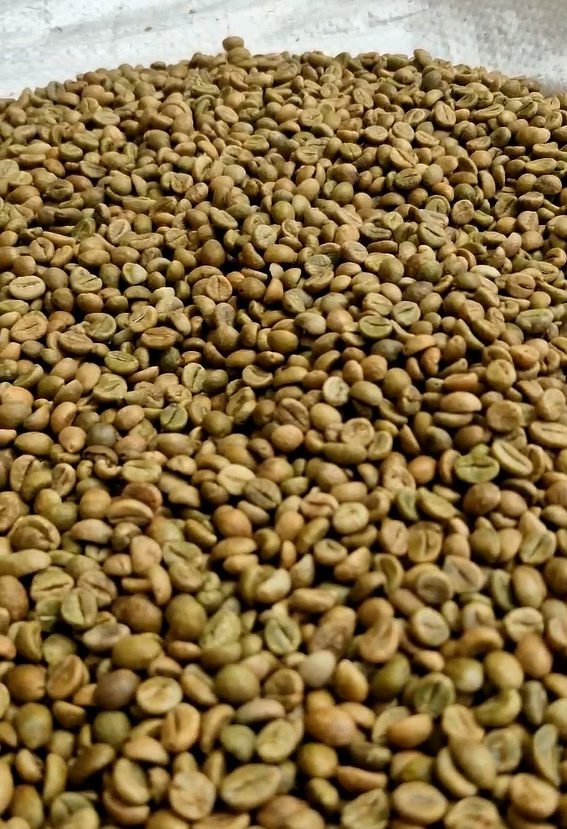
Our Indian Robusta Coffee (Coffea canephora) is a premium-grade coffee known for its strong, bitter, and earthy flavor profile combined with distinct grainy or nutty undertones. Sourced from specific regions in India, these smaller, rounder green beans feature a pale green to brownish-green raw coloration and are cherished for their robust caffeine content ranging between 2.2% and 2.7%, higher than Arabica beans. The coffee aroma is earthy and woody, with less acidity and fruity notes, making it a preferred choice for manufacturers crafting espresso blends, instant coffees, filter coffee products mainly in South India and the Middle East, as well as iced coffee and ready-to-drink (RTD) coffee beverages. This Robusta coffee comes in carefully graded beans based on screen size (13, 15, 16, 18), moisture content (optimal at 10%-12%), and defect count to ensure consistent quality. Processing options include dry/natural sun-dried cherries for a bold taste profile or wet/washed processing for a cleaner, premium blend experience. The versatility and high caffeine hit make this Indian Robusta coffee an excellent ingredient for businesses in the coffee production, beverage manufacturing, and hospitality sectors seeking a bold and authentic coffee solution.
Key Features
| Features | Description |
|---|---|
| Scientific Name | Coffea canephora |
| Common Name | Robusta Coffee |
| Origin | India |
| Taste Profile | Strong, bitter, earthy with grainy or nutty notes |
| Caffeine Content | 2.2%–2.7%, higher than Arabica |
| Bean Shape | Smaller, rounder beans with a straight crease |
| Raw Colour | Pale green to brownish-green |
| Aroma | Earthy, woody, less acidic and less fruity than Arabica |
| Grades & Screening | Screen sizes 13, 15, 16, 18; defect count and moisture control |
| Ideal Moisture Content | 10%–12% |
| Processing Types | Dry/Natural (sun-dried), Wet/Washed |
| Primary Uses | Espresso blends, instant coffee, filter coffee, iced coffee, RTD beverages |
| Attributes | Description |
|---|---|
| Screen Size | 13, 15, 16, 18 (larger screen size indicates better grade) |
| Defect Count | Controlled to ensure quality standards |
| Moisture Content | 10%-12% ideal for freshness and shelf life |
| Processing Method | Dry/Natural or Wet/Washed to suit flavor profiles |
| Bean Shape | Smaller and rounder with a straight crease |
| Caffeine Percentage | 2.2% - 2.7% |
| Raw Bean Colour | Pale green to brownish-green prior to roasting |
| Flavor Notes | Earthy, woody with grainy or nutty undertones |
| Aroma | Less acidic and less fruity compared to Arabica beans |
*Disclaimer: The above description has been AI-generated and has not been audited or verified for accuracy. It is recommended to verify product details independently before making any purchasing decisions.
The Indian Robusta coffee beans are graded based on screen sizes 13, 15, 16, and 18. Larger screen size correlates with bigger bean size and is generally considered higher quality, offering better flavor consistency and value for espresso and premium coffee blends.
Dry/Natural processing sun-dries the coffee cherries, yielding a bolder, earthier taste, while Wet/Washed processing produces a cleaner flavor and higher quality beans, ideal for premium blends with less bitterness and balanced aroma.
The ideal moisture content for Indian Robusta coffee beans lies between 10% and 12%, ensuring optimal freshness, shelf life, and reducing the risk of mold or quality degradation during storage.
Indian Robusta coffee contains between 2.2%–2.7% caffeine, which is higher than the caffeine level in Arabica beans. This makes it suitable for manufacturers targeting stronger coffee beverages such as espresso, instant coffee, and RTD products that demand a robust caffeine kick.
Indian Robusta coffee is widely used in South Indian filter coffee along with Middle Eastern coffee styles, as well as in iced coffee and ready-to-drink (RTD) beverages that emphasize strong flavors and higher caffeine content.
Country Of Origin: India
Basic Information
Feature Description
Grades & Classification
Processing Types
Uses
Stay informed with the latest market trends, quality guides, and industry analysis