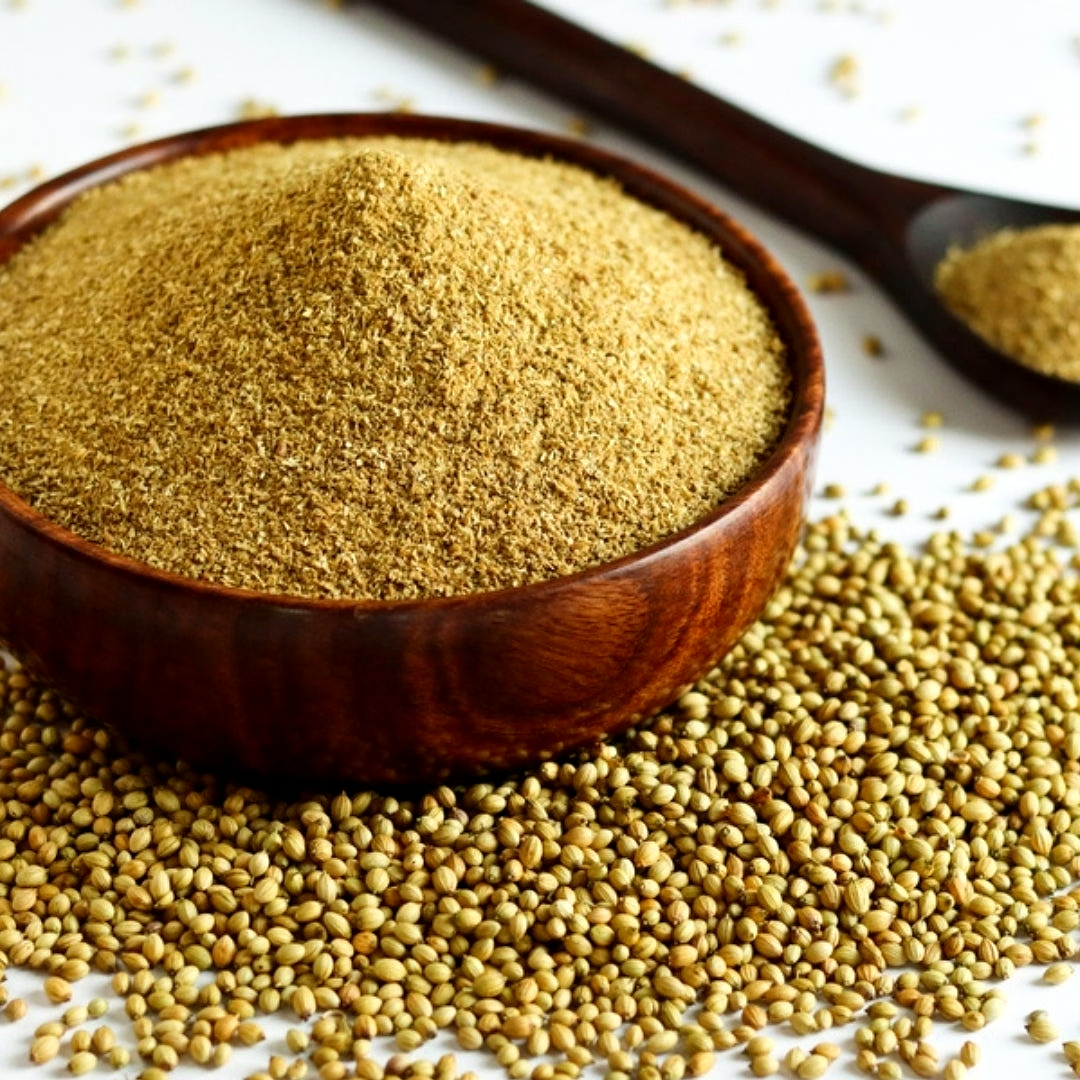
Cocopeat, also known as coir pith or coir dust, is a highly absorbent and organic growing medium derived from the husk of coconuts. It is widely used in agriculture, horticulture, and hydroponics as a sustainable alternative to soil. This fine natural fiber helps retain moisture, improves soil aeration, and promotes healthy root development. Ideal for nurseries, plantations, and potted plants, cocopeat enhances nutrient retention and reduces water consumption. It is free from pathogens and weed seeds, making it a clean and eco-friendly substrate for seed germination, soil conditioner, and potting mix. Its lightweight nature and biodegradability support sustainable farming practices and commercial cultivation requirements.
Key Features
| Features | Description |
|---|---|
| Source Material | Natural coconut husk fibers |
| Absorption Capacity | Holds up to 8-9 times its weight in water |
| Texture | Fine, soft, and spongy |
| pH Range | 5.5 to 6.5, suitable for most plants |
| Usage | Seed germination, soil amendment, hydroponic growth medium |
| Eco Friendly | 100% biodegradable and renewable |
| Pathogen Free | No weed seeds, fungi, or harmful microbes |
| Improves Soil Aeration | Enhances root respiration and growth |
| Water Retention | Reduces irrigation frequency & conserves water |
| Attributes | Description |
|---|---|
| Moisture Content | 10-15% |
| Bulk Density | 100-120 kg/m³ |
| Particle Size | Fine dust up to 2-3 mm |
| Salt Content | Low (washed and treated) |
| Packaging Options | Compressed blocks, loose fill in bags |
| Shelf Life | Up to 2 years if kept dry |
| Storage Conditions | Cool, dry, and ventilated place |
| Color | Natural brown |
| Country of Origin | India (Kerala, Tamil Nadu) and other coconut producing regions |
*Disclaimer: The above description has been AI-generated and has not been audited or verified for accuracy. It is recommended to verify product details independently before making any purchasing decisions.
The cocopeat undergoes thorough washing and treatments such as buffering and neutralizing to reduce salt content, making it safe for sensitive plant species.
Yes, cocopeat can be used as a standalone medium especially in hydroponic setups or seedling nurseries, but for best results in soil-based agriculture, it is often mixed with soil or fertilizer mixes.
Due to its high water retention capacity, cocopeat reduces the frequency of irrigation by holding water near plant roots, which conserves water and sustains moisture for longer periods.
Yes, cocopeat is entirely organic, free of harmful chemicals or synthetic fertilizers, and compliant with organic farming standards.
Cocopeat is available in compressed blocks and loose fill bags suitable for easy transportation and storage, catering to different scale farming needs.