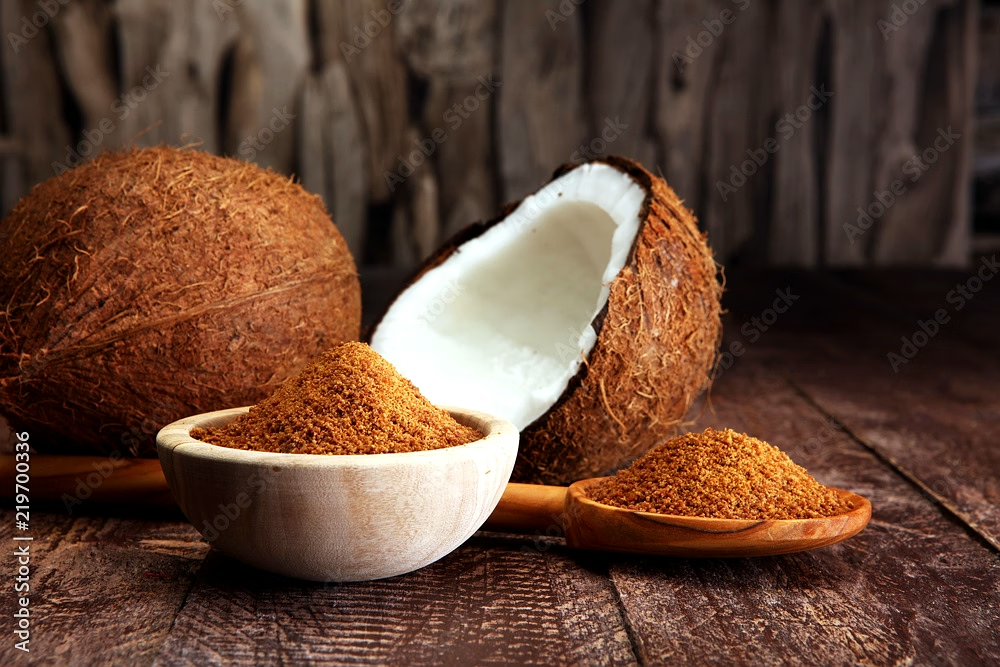
Coconut sugar is a natural sweetener produced by extracting and evaporating the sap from the flower buds of the coconut palm tree. This product offers a minimally processed alternative to conventional refined white sugar, maintaining essential minerals and natural nutrients throughout its production process. Rich in potassium, magnesium, zinc, iron, and prebiotic inulin, coconut sugar provides not only sweetness but also nutritional benefits that contribute to metabolism regulation and immune system support. With its distinctive caramel-like flavor profile, coconut sugar adds a subtle depth to culinary applications without overpowering the dish. Notably, it has a low glycemic index, which leads to slower glucose absorption in the bloodstream, supporting blood sugar management for diabetic and health-conscious consumers. Despite these advantages, coconut sugar remains calorie-dense and contains natural sugars; therefore, it is recommended that it be consumed judiciously. This makes coconut sugar an ideal sweetening ingredient for businesses focusing on health-oriented products or natural food items, appealing to consumers seeking wholesome and functional sweetener options.
Key Features
| Features | Description |
|---|---|
| Source | Sap from coconut palm flower buds |
| Processing | Minimally processed, retaining natural nutrients |
| Nutritional Content | Contains potassium, magnesium, zinc, iron, and inulin |
| Glycemic Index | Low glycemic index, slower sugar absorption |
| Flavor Profile | Subtle caramel-like taste |
| Health Benefits | Supports metabolism, immunity, and overall well-being |
| Usage | Suitable as a natural sweetener for food and beverage applications |
| Caloric Content | High in calories, recommended for moderate consumption |
| Suitability | Ideal for health-conscious and diabetic-friendly product formulations |
| Attributes | Description |
|---|---|
| Physical Form | Granulated powder |
| Color | Light to medium brown |
| Origin | Derived from coconut palm (Cocos nucifera) |
| Moisture Content | Typically less than 3% |
| Shelf Life | 12 to 24 months when stored properly |
| Packaging | Bulk or retail packaging options available |
| Certifications | Organic and Non-GMO options available depending on supplier |
| Sugar Content | Primarily sucrose with small amounts of glucose and fructose |
| Solubility | Good solubility in liquids for beverage uses |
*Disclaimer: The above description has been AI-generated and has not been audited or verified for accuracy. It is recommended to verify product details independently before making any purchasing decisions.
Coconut sugar has a significantly lower glycemic index than regular white sugar, resulting in slower absorption of sugar into the bloodstream, which helps reduce blood sugar spikes.
Coconut sugar contains essential minerals such as potassium, magnesium, zinc, iron, and prebiotic fiber inulin, which contribute to metabolism regulation and immune support.
While coconut sugar has a lower glycemic index and is a better alternative to refined sugar, it still contains natural sugars and should be used in moderation even in diabetic-friendly products.
Coconut sugar typically has a shelf life ranging from 12 to 24 months when stored in a cool, dry environment, away from moisture and direct sunlight.
Yes, coconut sugar can generally be used as a one-to-one replacement for white sugar, offering a slight caramel flavor that enhances many recipes.
Country Of Origin: India
Coconut sugar is a natural sweetener derived from the sap of coconut palm flowers and is considered a less-processed alternative to refined white sugar. It contains trace amounts of minerals like potassium, magnesium, zinc, iron, and inulin (a prebiotic fiber), as well as antioxidants that help support metabolism, immunity, and overall well-being. Coconut sugar has a lower glycemic index compared to regular sugar, resulting in a slower release of sugars and reduced spikes in blood glucose levels, making it a better option for those managing blood sugar. While it also provides subtle caramel-like flavor and some nutritional advantages, coconut sugar is still high in calories and sugars and should be consumed in moderation despite its benefits.