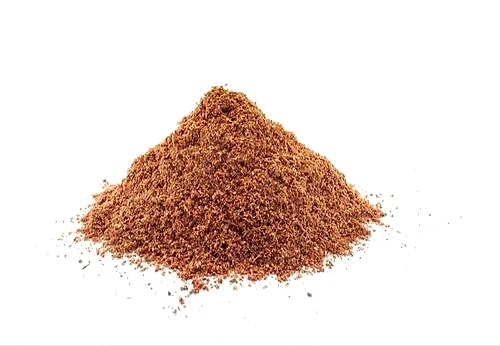
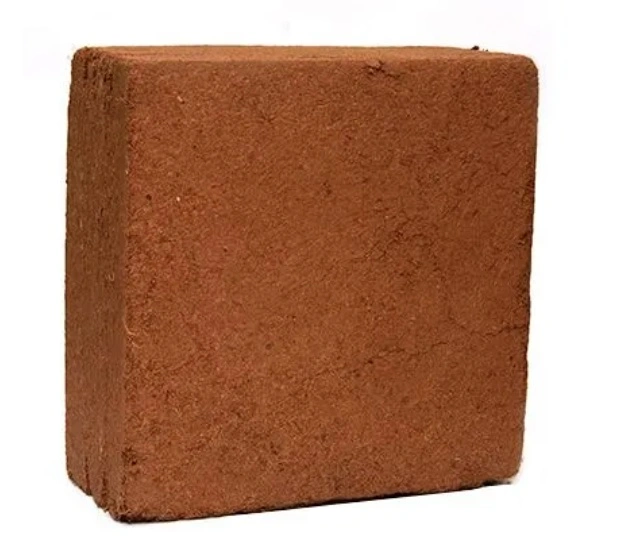
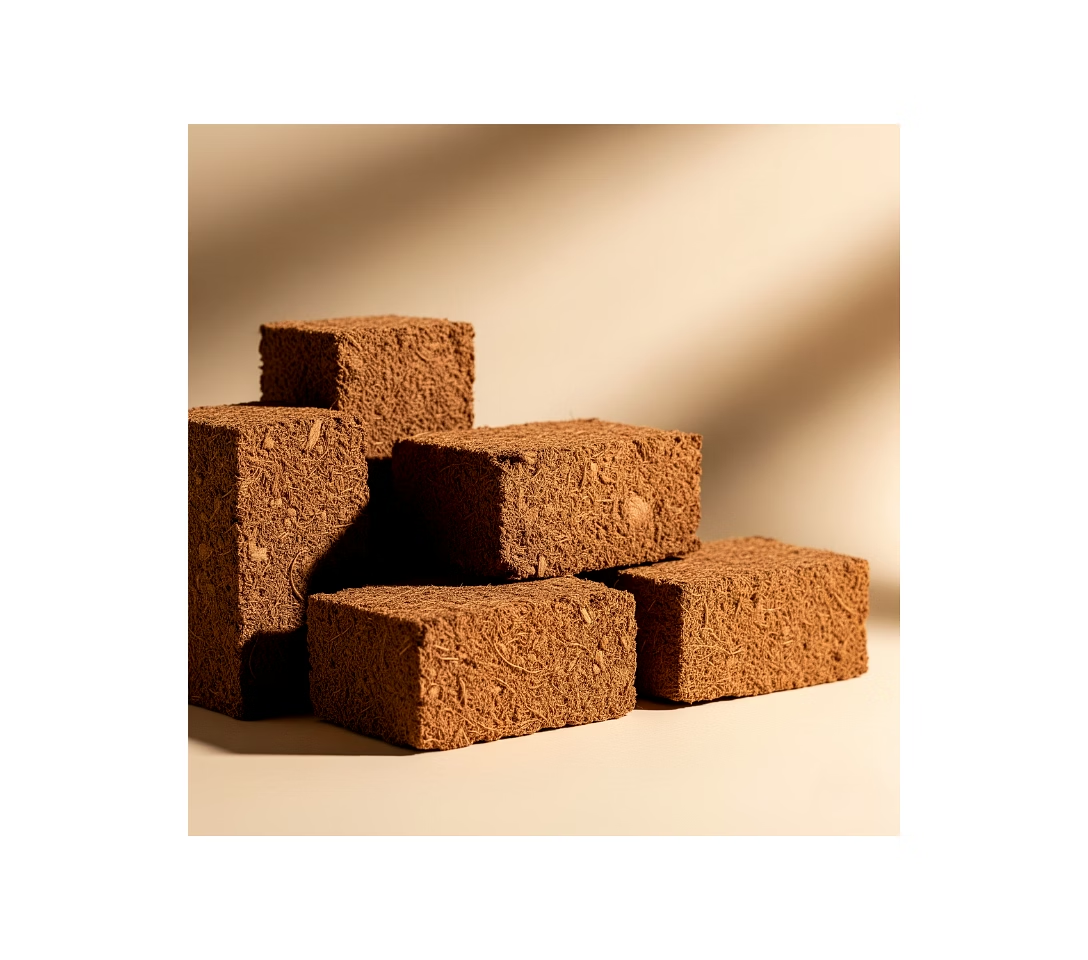
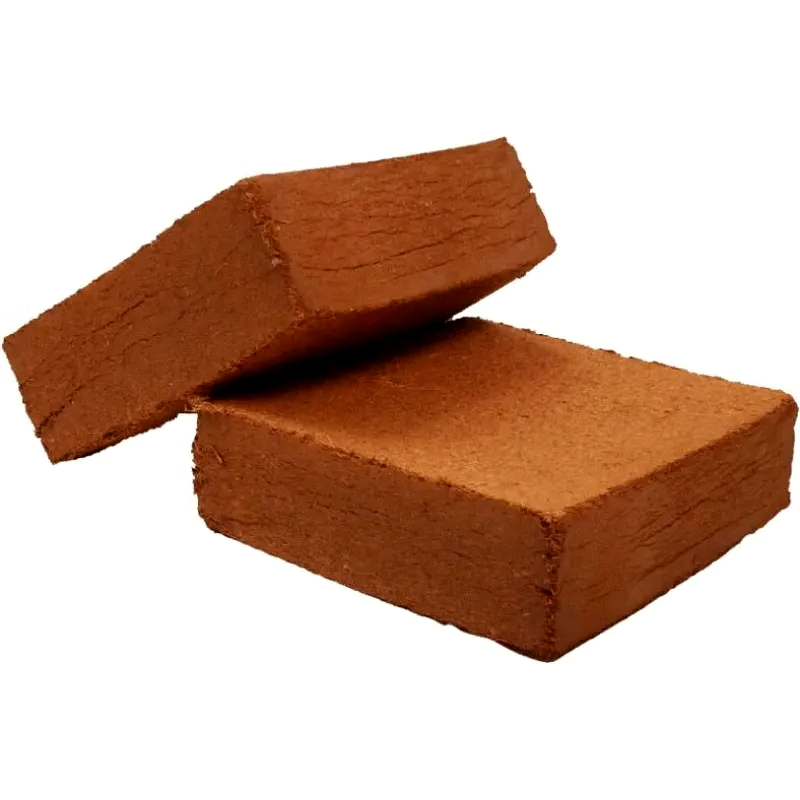
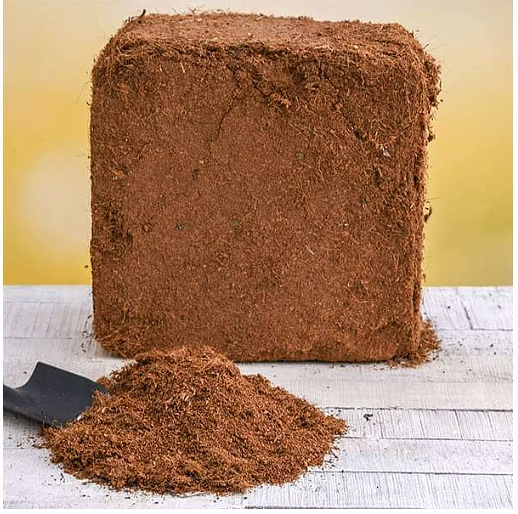
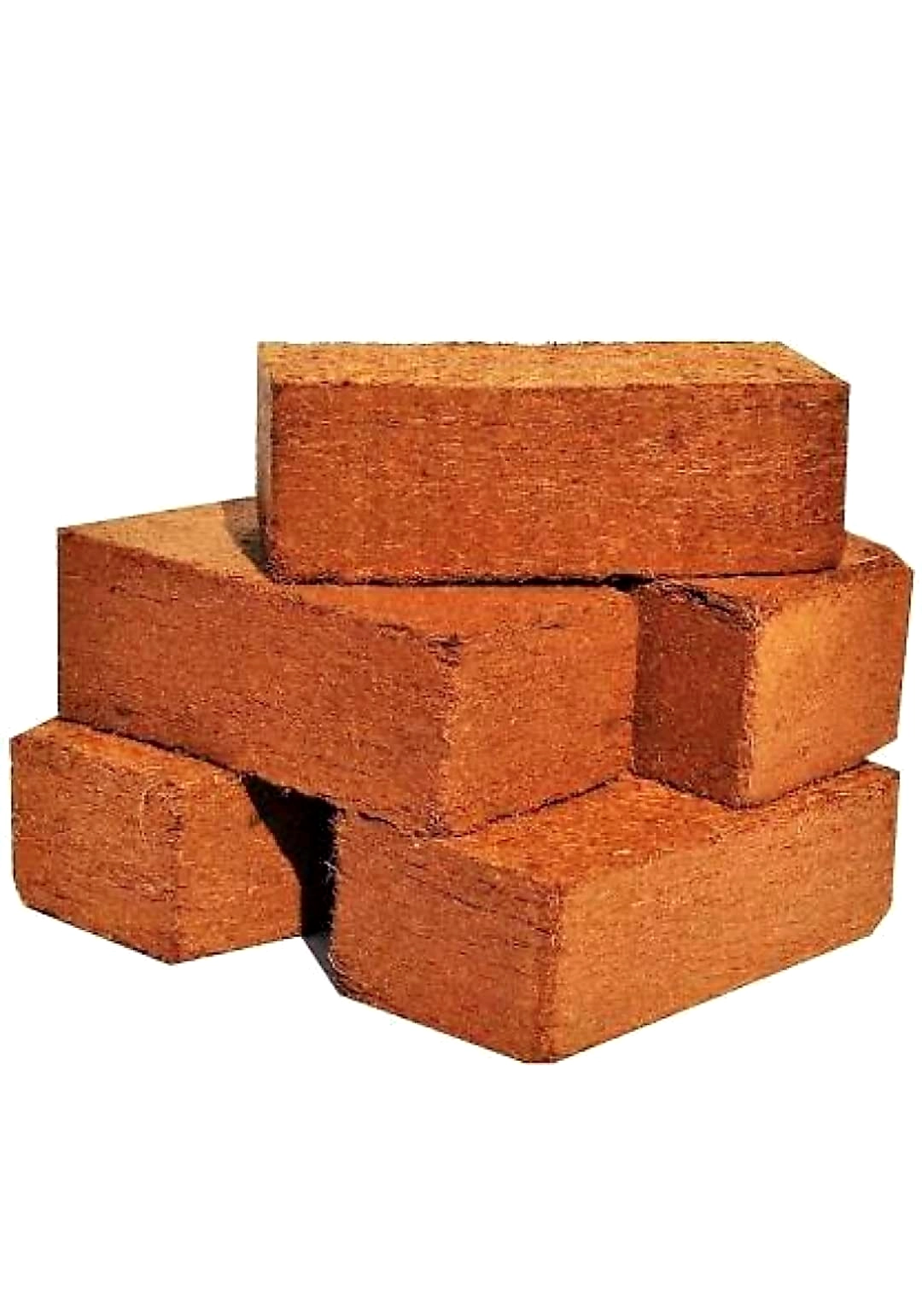
Coco Peat, also known as coir pith or coco soil, is a spongy, lightweight, and non-fibrous material derived from the coconut husk after extracting the coir fibres. It acts as an eco-friendly and sustainable growing medium widely used in horticulture and agriculture. Known for its impressive moisture retention and high cation exchange capacity, Coco Peat improves soil aeration and buffering capacity, promoting healthy root development and nutrient uptake in various plants. It is pH tolerant and can effectively buffer water-soluble nutrients, making it highly beneficial for controlled soil conditions. Reusable for up to 5 years, this biodegradable substrate is ideal for nurseries, landscaping, hydroponics, and seed starting applications, enhancing growth while reducing environmental impact.
Key Features
| Features | Description |
|---|---|
| Material Type | Non-fibrous, spongy coconut husk byproduct |
| Moisture Retention | High moisture holding capacity |
| Cation Exchange Capacity | High, facilitates nutrient exchange |
| Soil Aeration | Improves air circulation around plant roots |
| pH Tolerance | Mostly tolerant to pH variations |
| Sustainability | Eco-friendly and biodegradable |
| Reusability | Can be reused up to 5 years |
| Buffering Capacity | Improves soil buffering and nutrient retention |
| Weight | Lightweight and easy to handle |
| Attributes | Description |
|---|---|
| Source | Coconut Husk |
| Texture | Spongy and corky |
| Color | Light brown |
| Bulk Density | Approximately 100-130 kg/m³ |
| pH Range | 5.5 to 6.8 |
| Moisture Content | 10-15% |
| Cation Exchange Capacity | 80-100 meq/100g |
| Decomposition Rate | Slow, biodegradable |
| Shelf Life | Up to 5 years with proper storage |
| Common Uses | Horticulture, Hydroponics, Seed germination, Soil amendment |
*Disclaimer: The above description has been AI-generated and has not been audited or verified for accuracy. It is recommended to verify product details independently before making any purchasing decisions.
Coco Peat's spongy and porous structure allows better air circulation around plant roots, reducing the risk of root rot and promoting healthy root development compared to denser traditional soils.
Yes, Coco Peat can be reused up to 5 years if properly cleaned and stored, maintaining its moisture retention and aeration properties without significant breakdown.
Absolutely, Coco Peat is widely used as a growing medium in hydroponics due to its excellent water retention, aeration capabilities, and nutrient buffering capacity.
Coco Peat is mostly tolerant to pH variations, generally ranging from 5.5 to 6.8, suitable for most horticultural plants.
Being a biodegradable and renewable resource derived from coconut husks, Coco Peat reduces reliance on peat moss and synthetic soil conditioners, promoting eco-friendly and sustainable farming practices.
Brand: voltex
Country Of Origin: India
What is Coco Peat?
Coco Peat is the non-fibrous, spongy, light weight, corky material that holds together the coir fibre in coconut husk. It was in early 90’s that the horticultural use of coco peat was discovered and the material demand has been in the rise ever since. Coco Peat has taken the market by storm, ever since. The extraction of coconut fibre from coconut husk leaves behind the spongy material that binds the coconut fibre together in the husk – The Coco Peat or The Coco Soil.
Advantages of Coco Peat