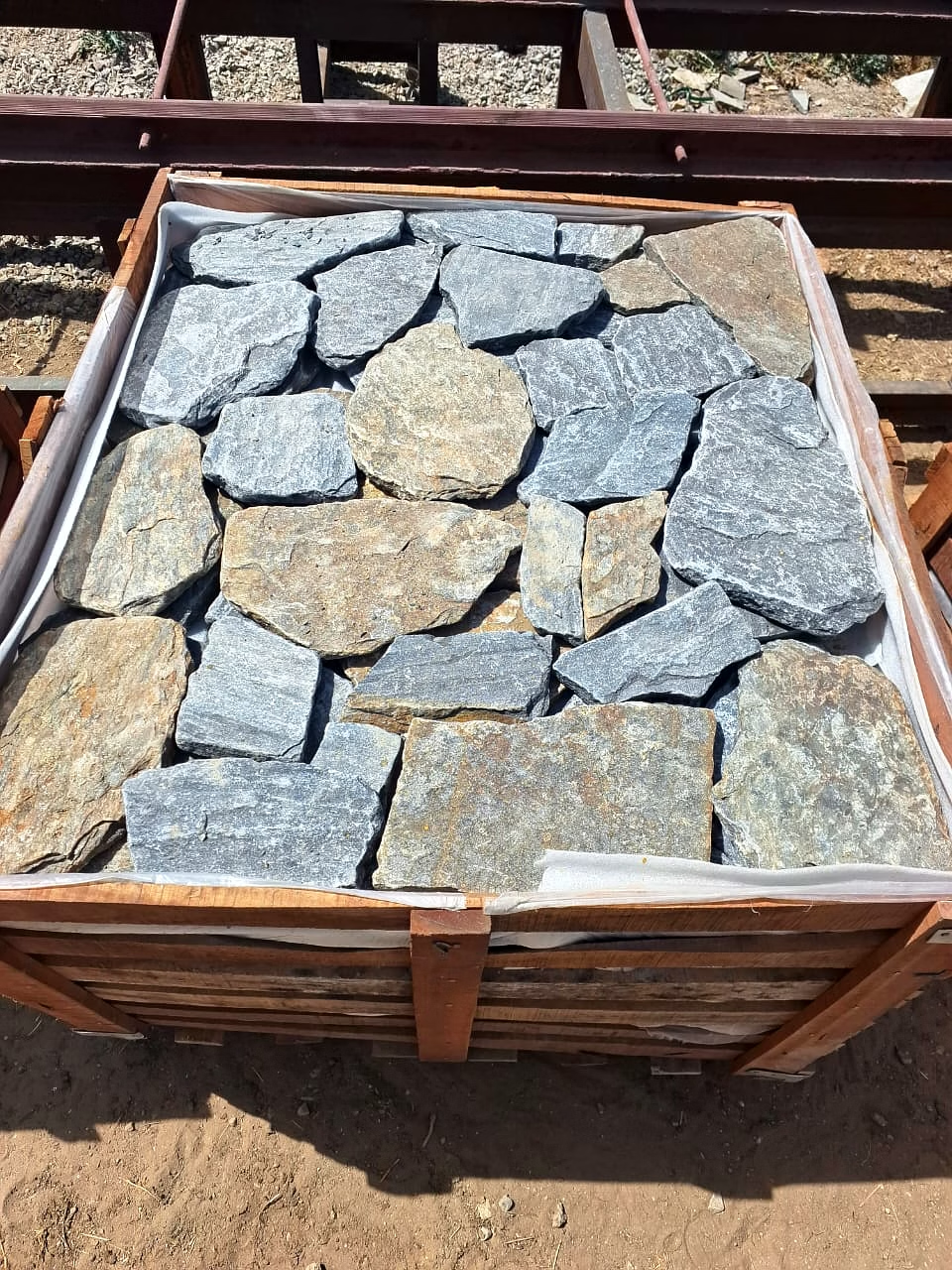
Cobblestone is a robust natural building material composed of naturally rounded cobble-sized stones, widely used in the construction of pavement roads, streets, and architectural structures. Unlike setts or Belgian blocks, which are quarried and precisely shaped into uniform blocks, true cobblestones retain their organic, irregular shapes and sizes, offering a unique, historic aesthetic and durable surface. Ideal for decorative and functional paving applications, cobblestones provide excellent water drainage, high traction, and long-lasting wear resistance, making them suitable for heavy traffic areas as well as pedestrian zones. Their natural variation in size and texture lends a distinct charm to urban landscapes, heritage restoration, and landscaping projects, blending traditional craftsmanship with natural stone strength.
Key Features
| Features | Description |
|---|---|
| Material Type | Natural cobble-sized stones |
| Shape | Naturally rounded and irregular |
| Primary Use | Pavement roads, streets, and building surfaces |
| Durability | High wear resistance suitable for heavy traffic |
| Drainage | Excellent water drainage due to stone gaps |
| Aesthetic Appeal | Rustic and historic look for streets and landscapes |
| Difference from Setts | Not quarried or shaped; maintains natural form |
| Slip Resistance | Natural texture provides enhanced traction |
| Installation | Laid in sand or mortar beds for stability |
| Attributes | Description |
|---|---|
| Stone Size | Typically 60mm to 200mm diameter |
| Stone Type | Natural aggregate, typically granite or basalt |
| Color | Varies naturally with stone source; mostly grey, brown, or mixed tones |
| Weight per Piece | Approximately 2 to 5 kg depending on size |
| Application Areas | Road pavements, pedestrian zones, building facades, landscaping |
| Installation Method | Manual laying on compacted base with sand or mortar |
| Maintenance | Low maintenance; periodic cleaning and resealing if required |
| Packaging | Bulk supply in bags or loose in containers |
| Environmental Impact | Eco-friendly, natural and recyclable material |
*Disclaimer: The above description has been AI-generated and has not been audited or verified for accuracy. It is recommended to verify product details independently before making any purchasing decisions.
Cobblestones are naturally rounded stones that retain their irregular shape, whereas Belgian blocks or setts are quarried, cut, and shaped into uniform rectangular blocks.
Yes, cobblestones have high durability and wear resistance suitable for heavy traffic areas when properly installed.
Absolutely, cobblestones are versatile natural stones used both for paving and as decorative elements in building facades.
Cobblestones are typically laid manually on a compacted base with sand or mortar beds to ensure stability and longevity.
The natural gaps between rounded cobblestones allow effective water drainage, preventing water accumulation on paved surfaces.
Cobblestone is a natural building material based on cobble-sized stones, and is used for pavement roads, streets, and buildings. Setts, also called Belgian blocks, are often referred to as "cobbles", although a sett is distinct from a cobblestone by being quarried and shaped into a regular form, while cobblestones are naturally occurring rounded forms less uniform in size.