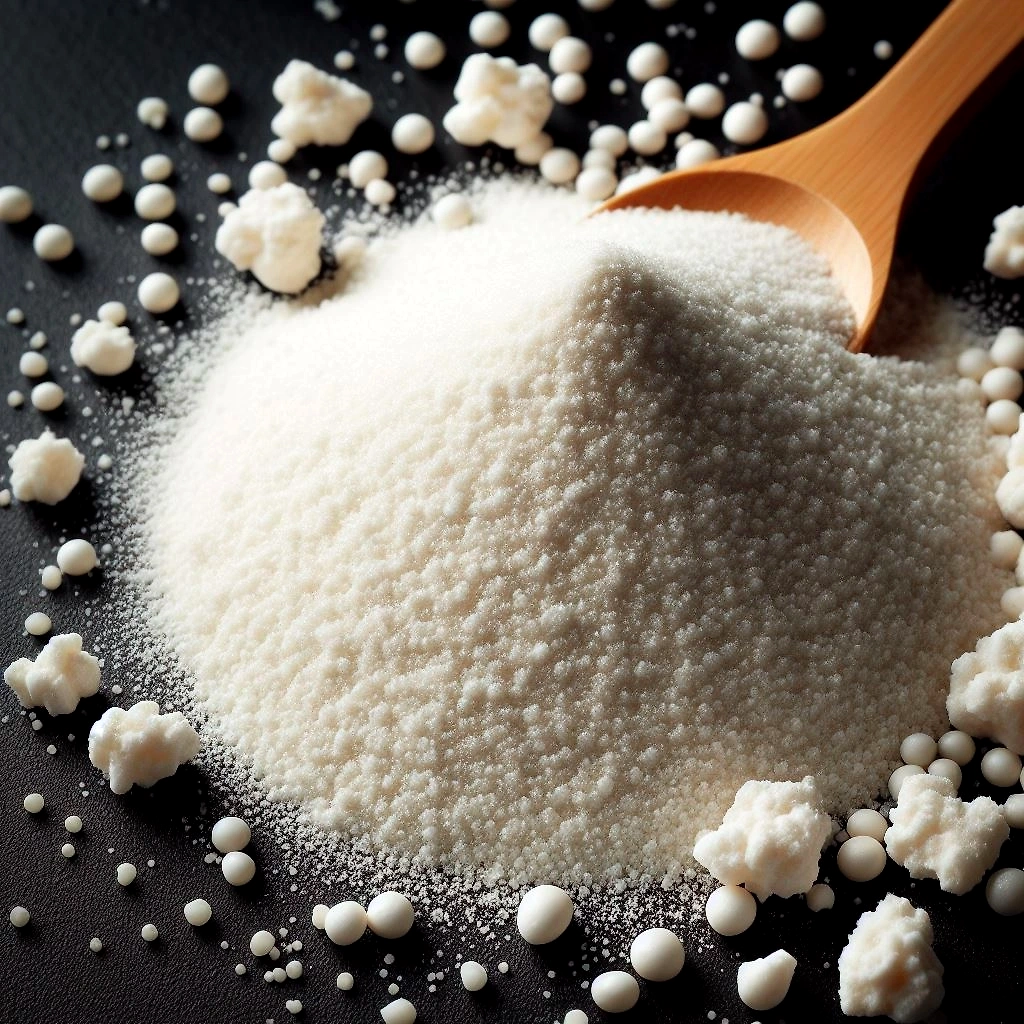
Chitosan is a versatile and eco-friendly biopolymer derived from the shells of crustaceans such as crabs and shrimp. As an off-white, fine, and odorless powder, it is celebrated for its exceptional properties and applications across various industries, including pharmaceuticals, agriculture, and food processing. The extraction process involves the de-acetylation of chitin, making it a sustainably sourced material that boasts biodegradability and non-toxicity. Chitosan’s unique characteristics include its ability to form gels, encapsulate nutrients, and act as a natural preservative, enhancing its utility as a functional ingredient. With its remarkable capabilities, Chitosan is revolutionizing product formulations and contributing to innovative solutions in the B2B marketplace.
Key Features
| Features | Description |
|---|---|
| Source | Derived from crab and shrimp shells |
| Appearance | Off-white, fine, and odorless powder |
| Biopolymer Type | Biodegradable and non-toxic |
| Production Process | Obtained through the de-acetylation of chitin |
| Applications | Used in pharmaceuticals, agriculture, food processing, and cosmetics |
| Functional Properties | Forms gels, nutrient encapsulation, and natural preservation |
| Attributes | Description |
|---|---|
| Chemical Structure | C6H11NO4 |
| Molecular Weight | Approximately 161.16 g/mol |
| Solubility | Soluble in acidic solutions |
| pH Range | 4.0 to 6.0 |
| Shelf Life | 2 years when stored under cool, dry conditions |
| Color | Off-white |
| Odor | Odorless |
*Disclaimer: The above description has been AI-generated and has not been audited or verified for accuracy. It is recommended to verify product details independently before making any purchasing decisions.
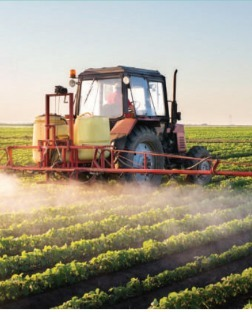
Chitosan is utilized in various industries, including pharmaceuticals for drug delivery, agriculture as a natural pesticide, food processing for preservation, and cosmetics for skincare formulations.
Yes, Chitosan is considered safe for consumption in appropriate amounts, and it is widely used in food products and dietary supplements.
Chitosan is extracted by de-acetylating chitin, a process that involves removing the acetyl groups from the chitin structure, transforming it into a more reactive biopolymer.
Yes, Chitosan has excellent antimicrobial properties, making it an effective natural preservative in food products to extend shelf life.
Chitosan offers mucoadhesive properties, controlled release, and the ability to enhance the solubility of poorly water-soluble drugs, ensuring improved bioavailability.
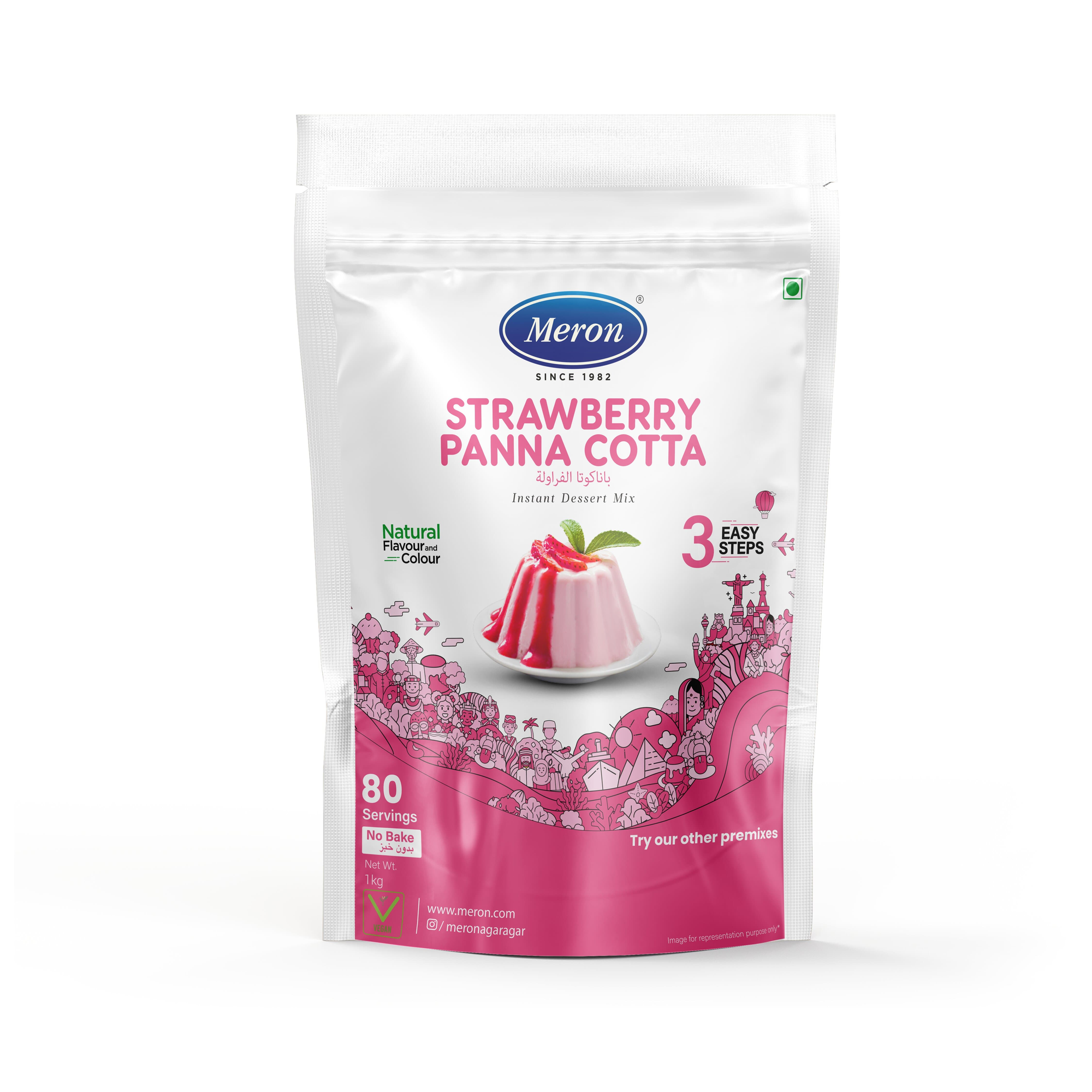
Brand: meron
Country Of Origin: India
Chitin is one of the most abundant natural biopolymers and naturally occurring polysaccharide without amino sugars in the world. Chitosan is an off-white, fine and odorless powder that is derived from crab and shrimp shells.
Chitosan is obtained by de-acetylation of chitin.
Chitin is one of the most abundant natural biopolymers and naturally occurring polysaccharide without amino sugars in the world. Chitosan is an off-white, fine, and odorless powder that is derived from crab and shrimp shells.
Chitin is the second most abundant natural biopolymer in the world, behind only cellulose. It is also the most abundant naturally occurring polysaccharide that contains amino sugars. Chitin occurs as a component of crustacean shells, insect exoskeletons, fungal cell walls, microfauna and plankton. Chitosan is obtained by de-acetylation of chitin.