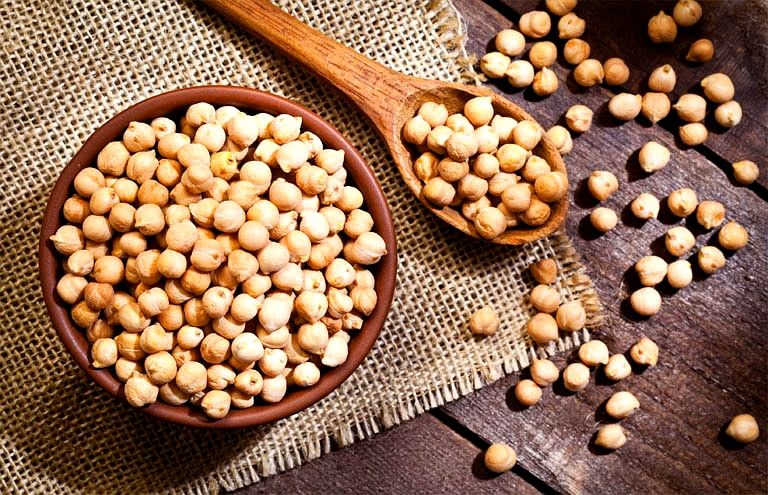
Chickpeas, also known as garbanzo beans, are a type of legume that is native to the Mediterranean region and the Middle East. They are a popular food in many parts of the world, and are known for their nutty flavor and versatility. Chickpeas are a good source of protein, fiber, vitamins, and minerals, making them a nutritious addition to any diet.
**Chickpeas**, also known as garbanzo beans, are a type of legume that is native to the Mediterranean region and the Middle East. They are a popular food in many parts of the world, and are known for their nutty flavor and versatility. Chickpeas are a good source of protein, fiber, vitamins, and minerals, making them a nutritious addition to any diet.
**Description:**
* **Shape:** Round and slightly irregular, with a small beak at one end.
* **Size:** Varies depending on the variety, but typically about 1/4 inch in diameter.
* **Color:** Can range from cream to beige to light brown.
* **Texture:** Smooth and slightly bumpy.
* **Flavor:** Nutty and slightly earthy.
* **Taste:** Mild and slightly sweet.
**Varieties:**
There are two main types of chickpeas:
* **Kabuli chickpeas:** These are the larger, lighter-colored chickpeas that are commonly found in supermarkets. They have a mild flavor and smooth texture, making them ideal for hummus and other dips.
* **Desi chickpeas:** These are the smaller, darker-colored chickpeas that are more commonly used in Indian and Middle Eastern cuisine. They have a stronger flavor and more assertive texture, making them well-suited for curries and stews.
**Nutritional Value:**
Chickpeas are a good source of:
* **Protein:** One cup of cooked chickpeas contains about 15 grams of protein.
* **Fiber:** One cup of cooked chickpeas contains about 12 grams of fiber.
* **Iron:** One cup of cooked chickpeas contains about 4 milligrams of iron.
* **Folate:** One cup of cooked chickpeas contains about 400 micrograms of folate.
* **Potassium:** One cup of cooked chickpeas contains about 500 milligrams of potassium.
**Exporting Chickpeas:**
Chickpeas are a major export crop for many countries, including India, Australia, and Canada. When exporting chickpeas, it is important to meet the quality and safety standards of the importing country. Some of the key factors to consider include:
* **Moisture content:** The moisture content of chickpeas should be between 8% and 10%.
* **Foreign material:** Chickpeas should be free of foreign material, such as stones, dirt, and insects.
* **Damage:** Chickpeas should be free from damage, such as splits, cracks, and discoloration.
* **Pesticides:** Chickpeas should be free of pesticide residues that exceed the maximum allowable limits.
By meeting these standards, you can ensure that your chickpeas are of high quality and safe for consumption.
**Additional Information:**
* Chickpeas are a versatile ingredient that can be used in a variety of dishes, such as salads, soups, stews, dips, and falafel.
* Chickpeas are a good source of plant-based protein, making them a popular choice for vegetarians and vegans.
* Chickpeas are a low-glycemic index food, which means they can help to regulate blood sugar levels.
Chickpeas, also known as garbanzo beans, are a type of legume that is native to the Mediterranean region and the Middle East. They are a popular food in many parts of the world, and are known for their nutty flavor and versatility. Chickpeas are a good source of protein, fiber, vitamins, and minerals, making them a nutritious addition to any diet.
**Chickpeas**, also known as garbanzo beans, are a type of legume that is native to the Mediterranean region and the Middle East. They are a popular food in many parts of the world, and are known for their nutty flavor and versatility. Chickpeas are a good source of protein, fiber, vitamins, and minerals, making them a nutritious addition to any diet.
**Description:**
* **Shape:** Round and slightly irregular, with a small beak at one end.
* **Size:** Varies depending on the variety, but typically about 1/4 inch in diameter.
* **Color:** Can range from cream to beige to light brown.
* **Texture:** Smooth and slightly bumpy.
* **Flavor:** Nutty and slightly earthy.
* **Taste:** Mild and slightly sweet.
**Varieties:**
There are two main types of chickpeas:
* **Kabuli chickpeas:** These are the larger, lighter-colored chickpeas that are commonly found in supermarkets. They have a mild flavor and smooth texture, making them ideal for hummus and other dips.
* **Desi chickpeas:** These are the smaller, darker-colored chickpeas that are more commonly used in Indian and Middle Eastern cuisine. They have a stronger flavor and more assertive texture, making them well-suited for curries and stews.
**Nutritional Value:**
Chickpeas are a good source of:
* **Protein:** One cup of cooked chickpeas contains about 15 grams of protein.
* **Fiber:** One cup of cooked chickpeas contains about 12 grams of fiber.
* **Iron:** One cup of cooked chickpeas contains about 4 milligrams of iron.
* **Folate:** One cup of cooked chickpeas contains about 400 micrograms of folate.
* **Potassium:** One cup of cooked chickpeas contains about 500 milligrams of potassium.
**Exporting Chickpeas:**
Chickpeas are a major export crop for many countries, including India, Australia, and Canada. When exporting chickpeas, it is important to meet the quality and safety standards of the importing country. Some of the key factors to consider include:
* **Moisture content:** The moisture content of chickpeas should be between 8% and 10%.
* **Foreign material:** Chickpeas should be free of foreign material, such as stones, dirt, and insects.
* **Damage:** Chickpeas should be free from damage, such as splits, cracks, and discoloration.
* **Pesticides:** Chickpeas should be free of pesticide residues that exceed the maximum allowable limits.
By meeting these standards, you can ensure that your chickpeas are of high quality and safe for consumption.
**Additional Information:**
* Chickpeas are a versatile ingredient that can be used in a variety of dishes, such as salads, soups, stews, dips, and falafel.
* Chickpeas are a good source of plant-based protein, making them a popular choice for vegetarians and vegans.
* Chickpeas are a low-glycemic index food, which means they can help to regulate blood sugar levels.