• Key Features & Attributes
  • Ratings & Reviews
  • Know your Supplier
  • Product description from supplier

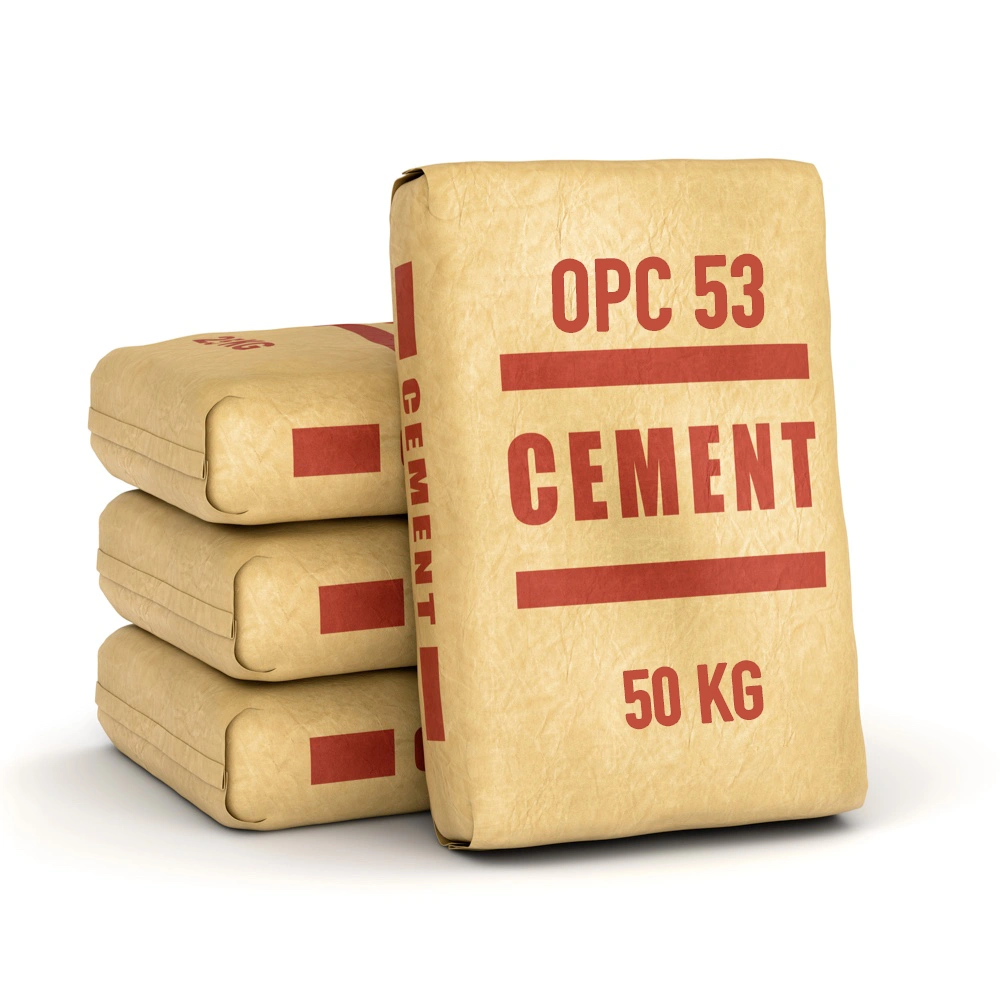
Cement

Inclusive of all taxes

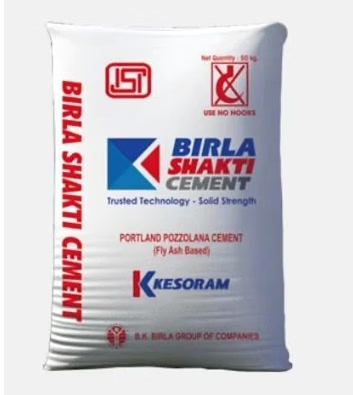
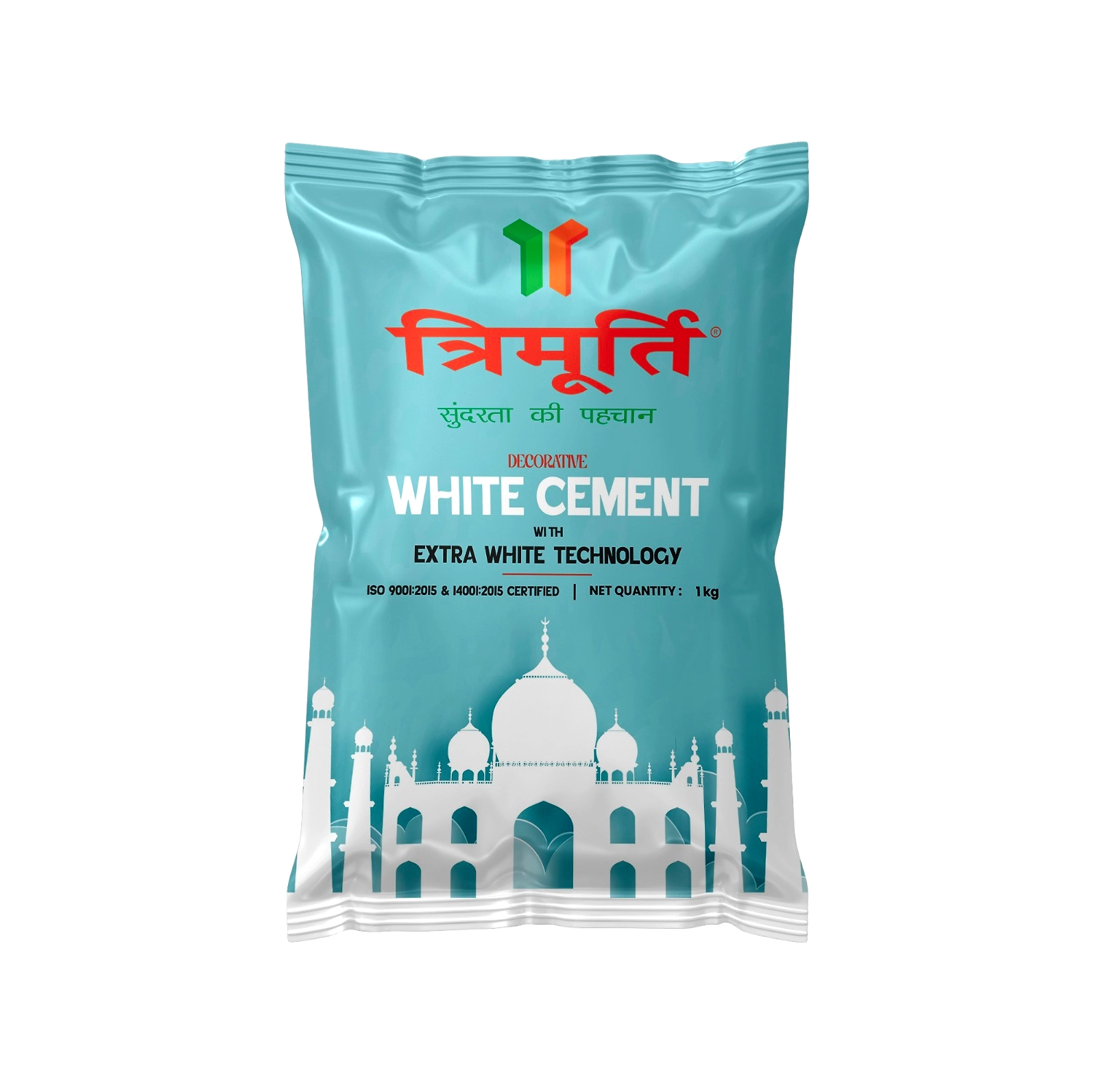
Cement is a fundamental building material used in construction, renowned for its ability to set, harden, and bond with various materials. As a versatile binder, cement is primarily utilized in combination with aggregates, such as sand and gravel, to create robust structures. When mixed with fine aggregates, it forms mortar, essential for masonry applications, while its combination with sand and gravel results in concrete, the most ubiquitous construction material on Earth. Cement can be categorized into hydraulic and non-hydraulic types, with hydraulic cement being able to set in wet conditions, making it ideal for diverse construction projects, including foundations, walls, and infrastructure. Our high-quality cement ensures superior performance, adhering meticulously to various aggregates, thus enhancing structural integrity and longevity.

Key Features

Features Description
Type Hydraulic and non-hydraulic variants
Application Used for bonding aggregates in concrete and mortar
Setting Time Varies based on type and conditions of use
Durability Highly durable and resistant to weathering
Sustainability Environmentally friendly options available
Storage Stored in a cool, dry area to maintain quality
Attributes Description
Composition Lime, silica, alumina, and iron oxide
Common Uses Concrete production, masonry, and infrastructure projects
Color Gray or white, depending on composition
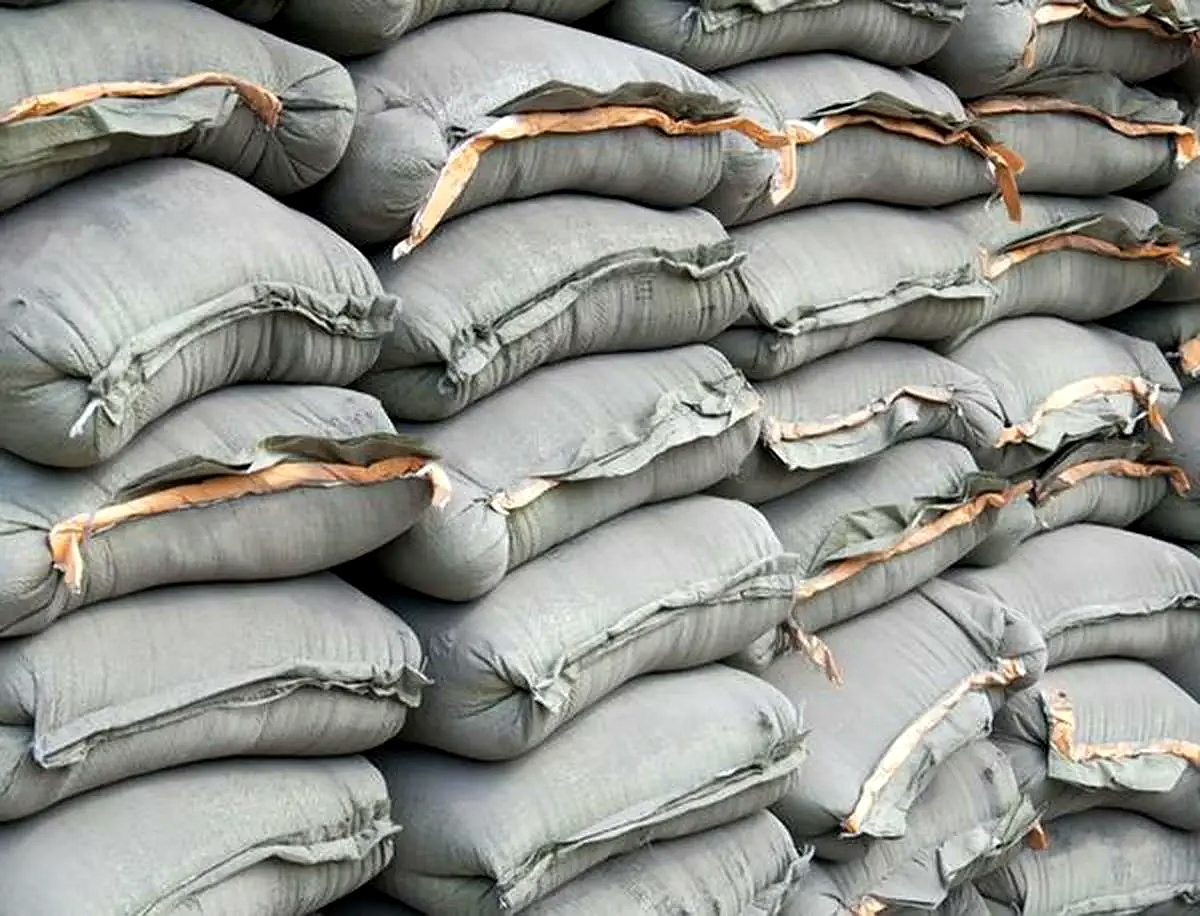
Packaging Available in bulk, bags, and other formats
Shelf Life Best used within 6 months of production
Water Requirement Determined by mix design for optimal strength

*Disclaimer: The above description has been AI-generated and has not been audited or verified for accuracy. It is recommended to verify product details independently before making any purchasing decisions.

Be the first to write a review

The main types of cement available include hydraulic cement, which can set in the presence of water, and non-hydraulic cement, which requires dry conditions to set.

Cement should be stored in a cool, dry environment, away from moisture and contaminants to maintain its quality and effectiveness.

Setting time is crucial as it determines how quickly the cement can be maneuvered during construction. The timing can vary based on environmental conditions and the specific type of cement used.

Yes, cement can be recycled to some extent in the production of new cement or as a material for various construction applications.

While mixing cement, it's important to follow the specified ratios of water, aggregates, and cement to ensure the final product achieves maximum strength and durability.

  • Incorporation Type

  • GST

  • GST Registration Date

  • Number of Employees

  • Import Export Code (IEC)

  • Year of Establishment

  • Nature of Business

  • GlobalLinker Member Since

Country Of Origin: India

A cement is a binder, a chemical substance used for construction that sets, hardens, and adheres to other materials to bind them together. Cement is seldom used on its own, but rather to bind sand and gravel (aggregate) together. Cement mixed with fine aggregate produces mortar for masonry, or with sand and gravel, produces concrete. Concrete is the most widely used material in existence and is behind only water as the planet's most-consumed resource.

Cements used in construction are usually inorganic, often lime or calcium silicate based, which can be characterized as hydraulic or the less common non-hydraulic, depending on the ability of the cement to set in the presence of water (see hydraulic and non-hydraulic lime plaster).

Construction And Renovation

Cement

Binder

Hydraulic Cement

Non-hydraulic Cement

Concrete

Mortar

Building Construction

Aggregate Binder

Cement

Inclusive of all taxes

You Save: 0

Send Inquiry
sri kirthika international

Salem , India

Manufacturer, Exporter

  • Secure
    Transaction

  • Free
    Delivery

  • Day
    Dispatch

Report a problem with this product