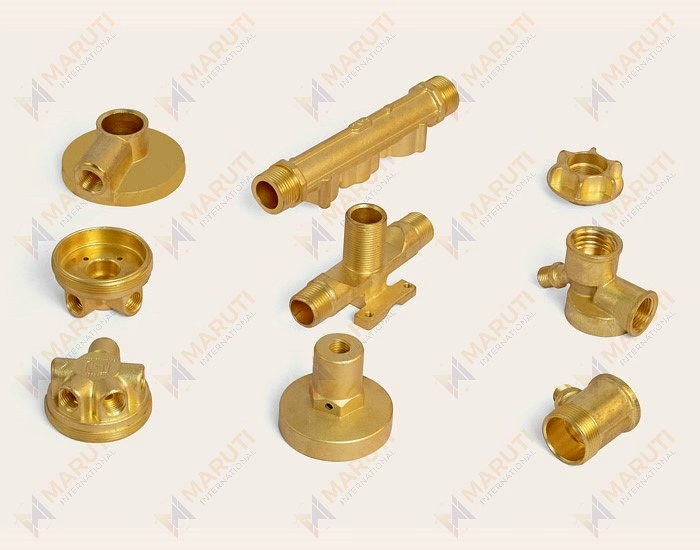
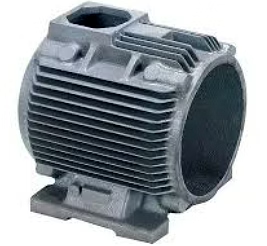
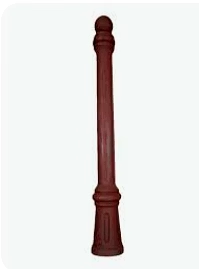
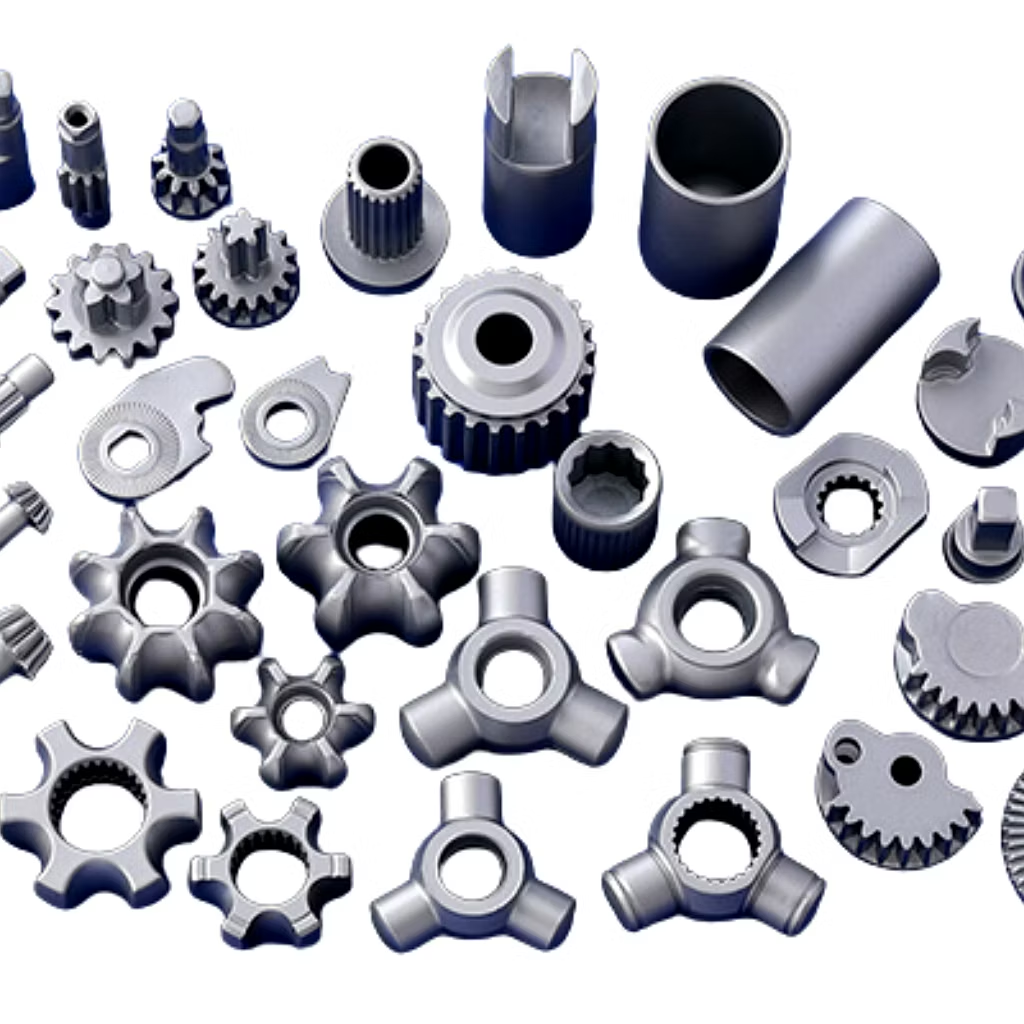
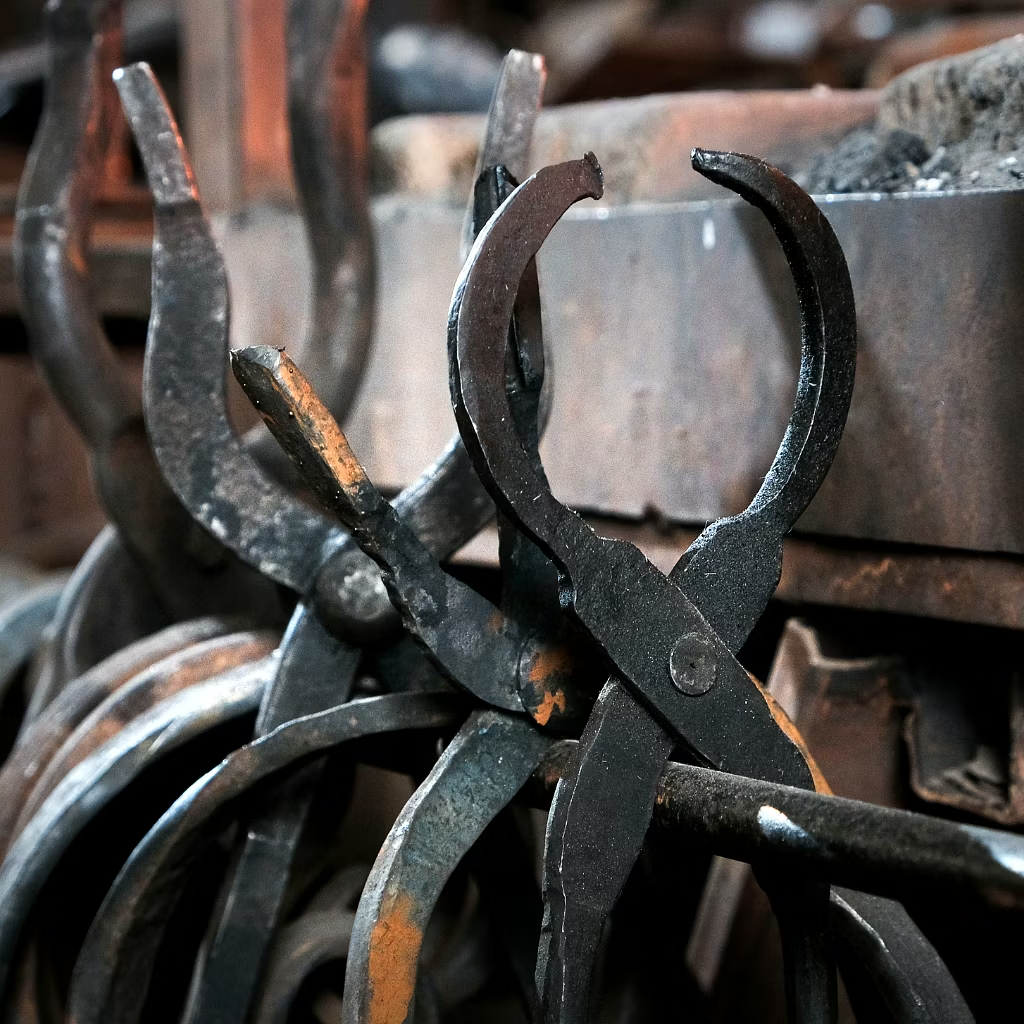
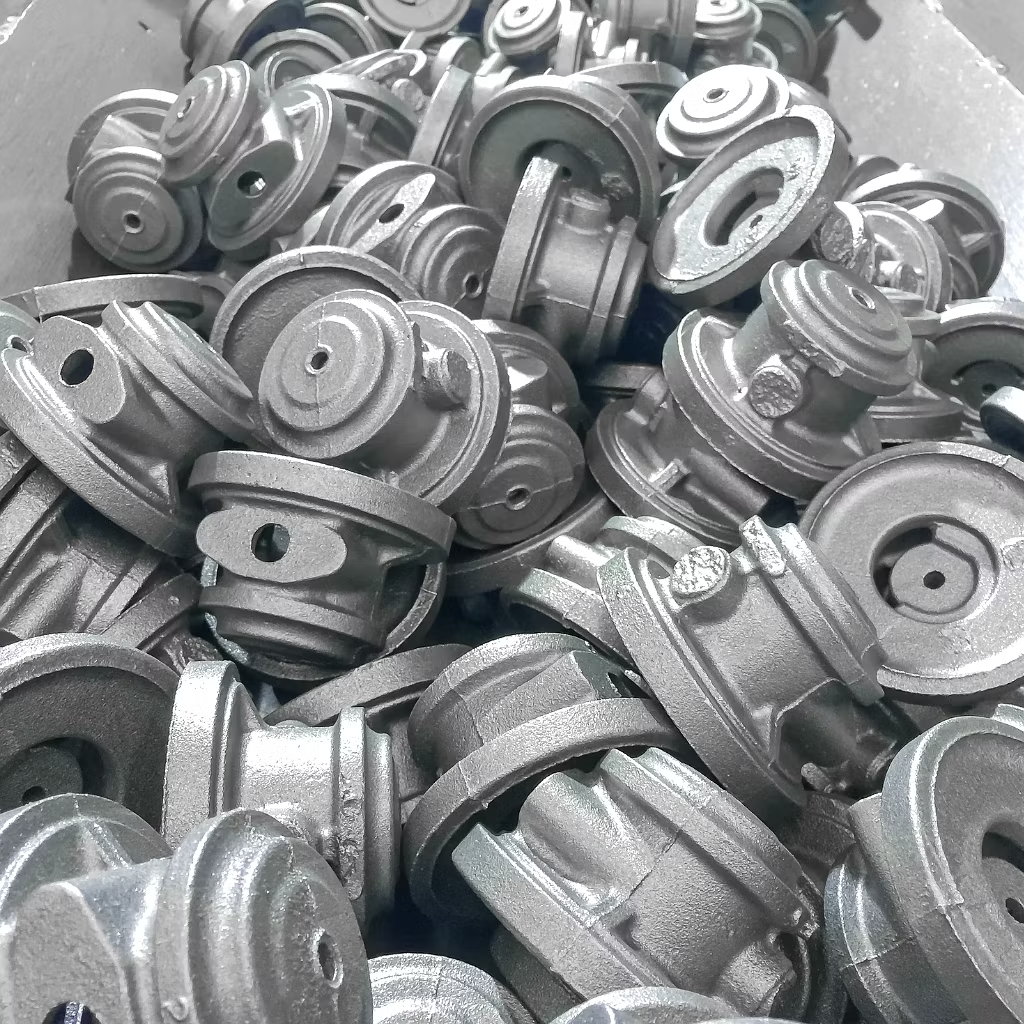
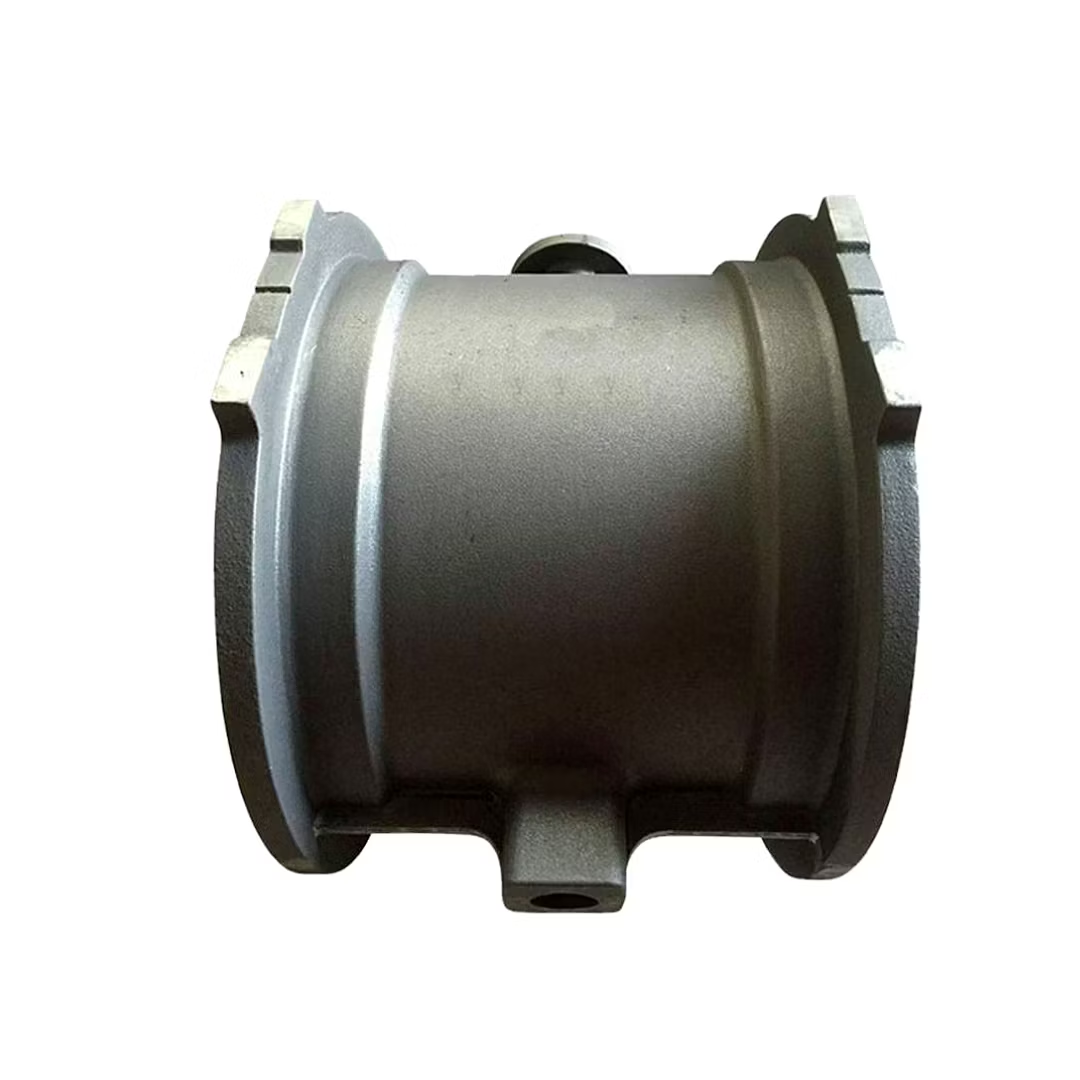
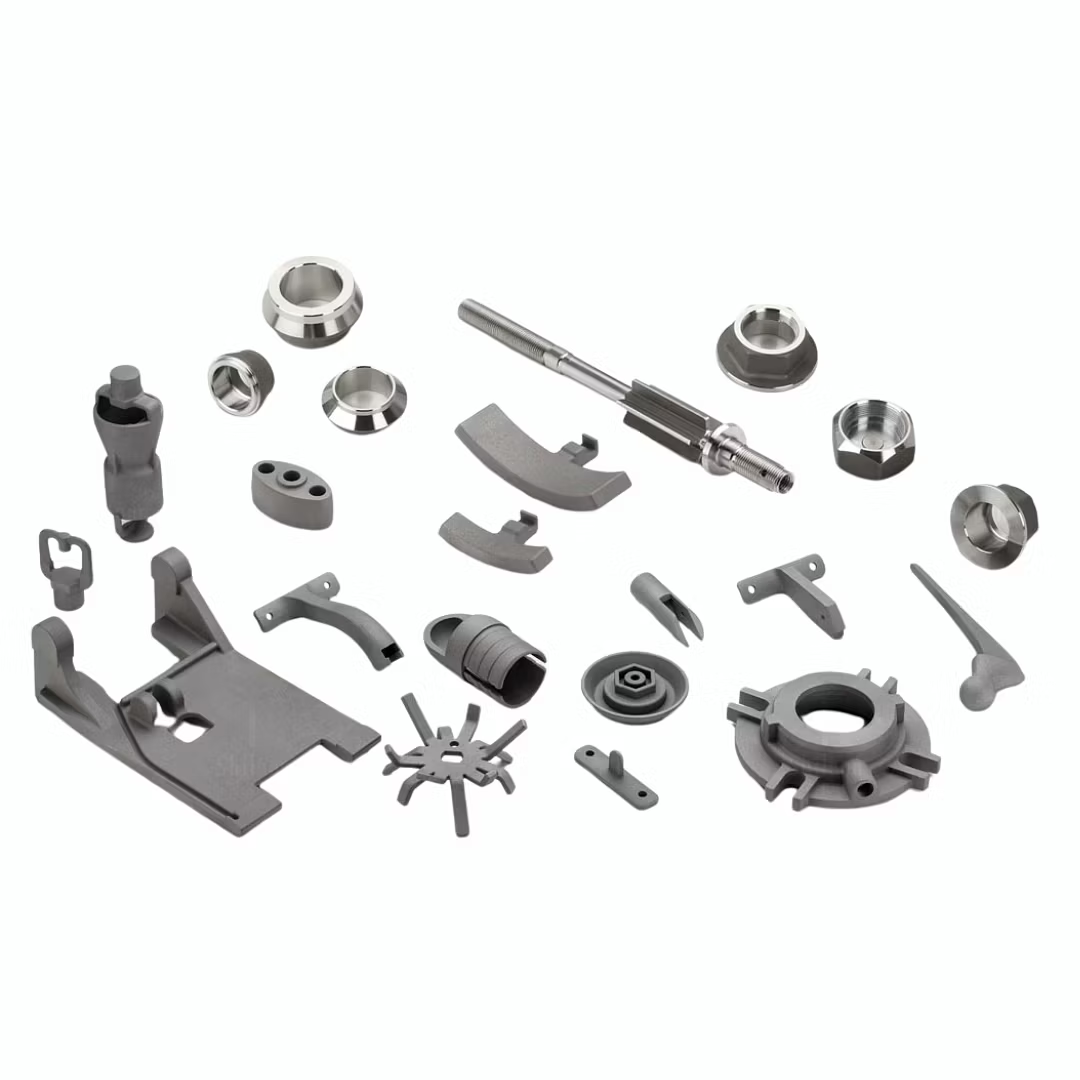
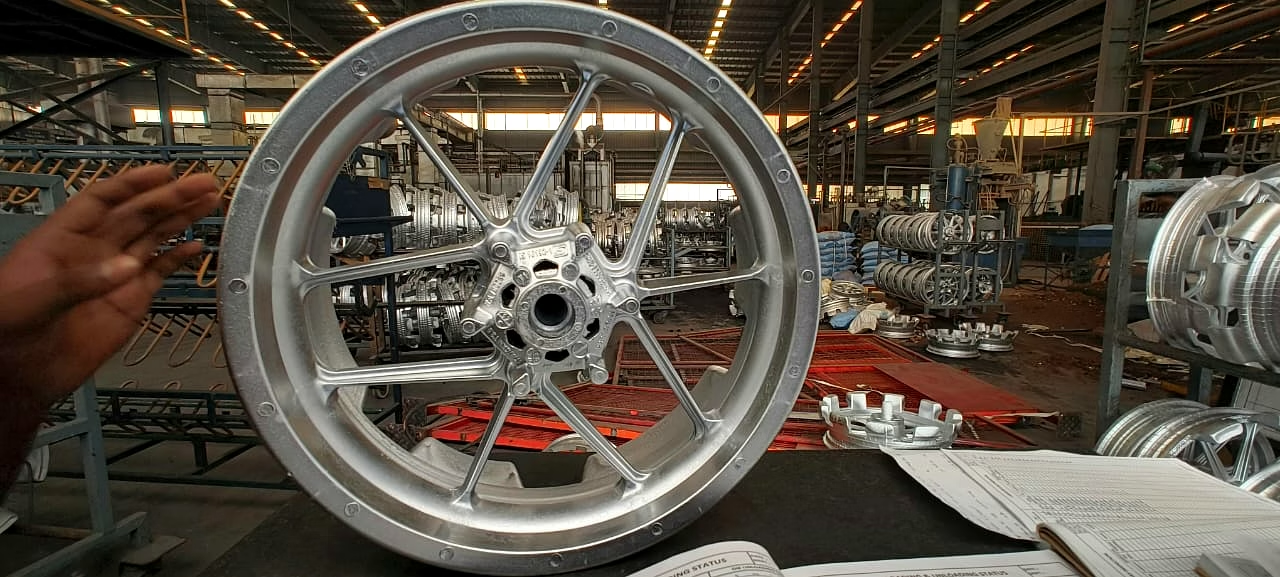
Casting is a manufacturing process widely used in various industries to form complex metal components by pouring molten metal into a mold. This method enables the production of intricate shapes that would be difficult to achieve through other manufacturing processes. Casting is essential in automotive, aerospace, construction, and machinery sectors, offering high precision and durability for metal parts. The process involves melting metal alloys and pouring them into pre-designed molds, where the metal solidifies to take the desired shape. Key advantages of casting include cost-effectiveness for large-scale production, versatility in design, and the ability to produce parts with superior mechanical properties tailored for specific industrial applications.
Key Features
| Features | Description |
|---|---|
| Process Type | Metal Casting |
| Material Used | Various Metal Alloys (Steel, Aluminum, Iron, etc.) |
| Shape Complexity | Enables intricate and complex component designs |
| Industries Served | Automotive, Aerospace, Construction, Machinery |
| Production Volume | Suitable for both small and large scale production |
| Durability | Produces durable and high-strength metal parts |
| Cost Efficiency | Economical for mass production |
| Precision | High dimensional accuracy achievable |
| Attributes | Description |
|---|---|
| Casting Method | Sand casting, Die casting, Investment casting, etc. depending on requirements |
| Typical Metal Types | Steel, Aluminum, Cast Iron, Bronze, Copper |
| Mold Material | Sand, Metal Dies, Ceramic |
| Typical Part Sizes | Small to large scale components, customizable |
| Finish Quality | Varies by casting type and post-processing applied |
| Tolerance Levels | Generally within ±0.5% depending on method |
| Heat Treatment | Can be applied post-casting for enhanced properties |
*Disclaimer: The above description has been AI-generated and has not been audited or verified for accuracy. It is recommended to verify product details independently before making any purchasing decisions.
This casting process supports various metal alloys including steel, aluminum, cast iron, bronze, and copper, depending on the specific industrial requirement.
The casting service includes multiple methods such as sand casting, die casting, and investment casting to cater to different design complexities and production volumes.
Yes, casting is particularly suitable to create complex and intricate metal parts that would be challenging to form using other manufacturing methods.
The casting process is widely employed in automotive, aerospace, construction, and heavy machinery industries for manufacturing durable metal components.
Yes, depending on the casting method used, high dimensional precision and tolerances typical within ±0.5% can be achieved.
Country Of Origin: India