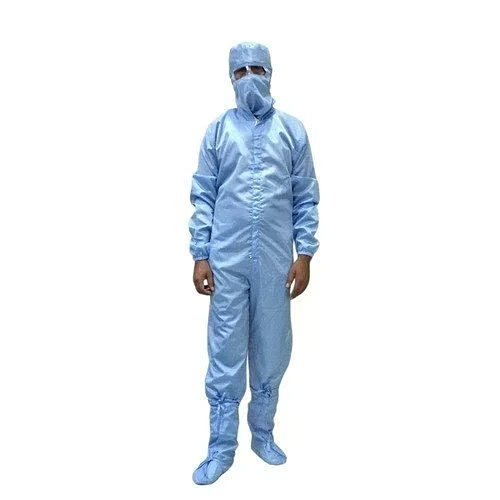
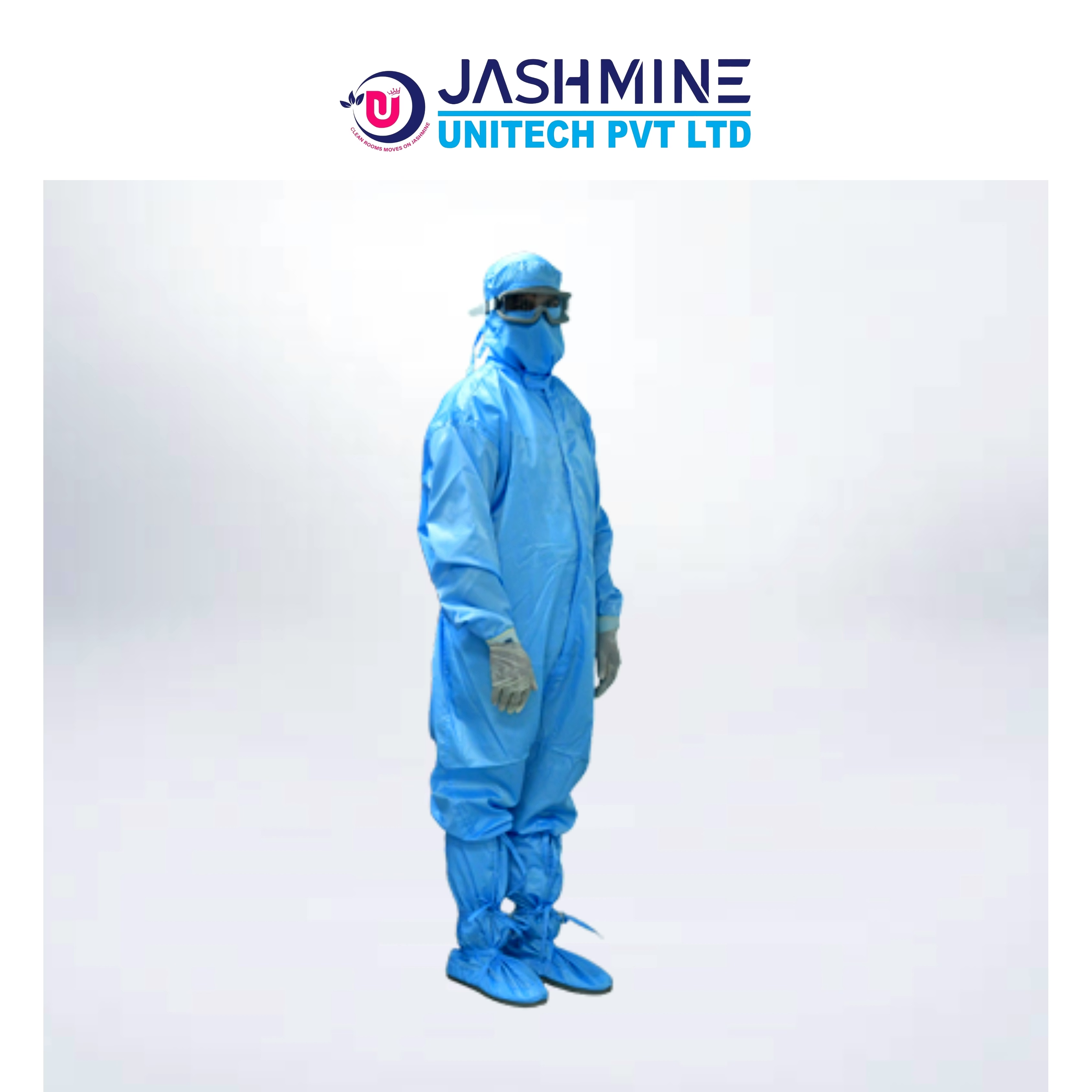
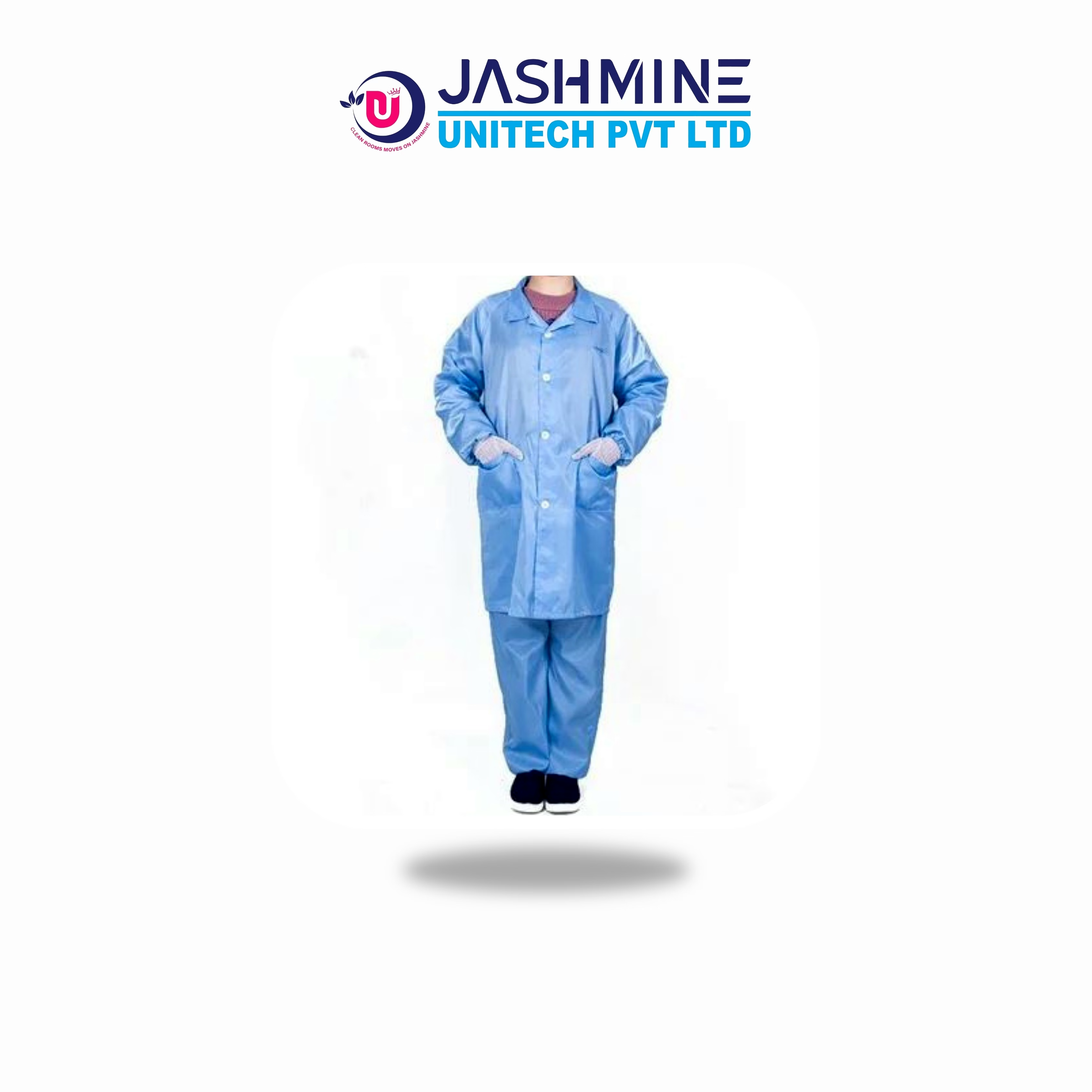
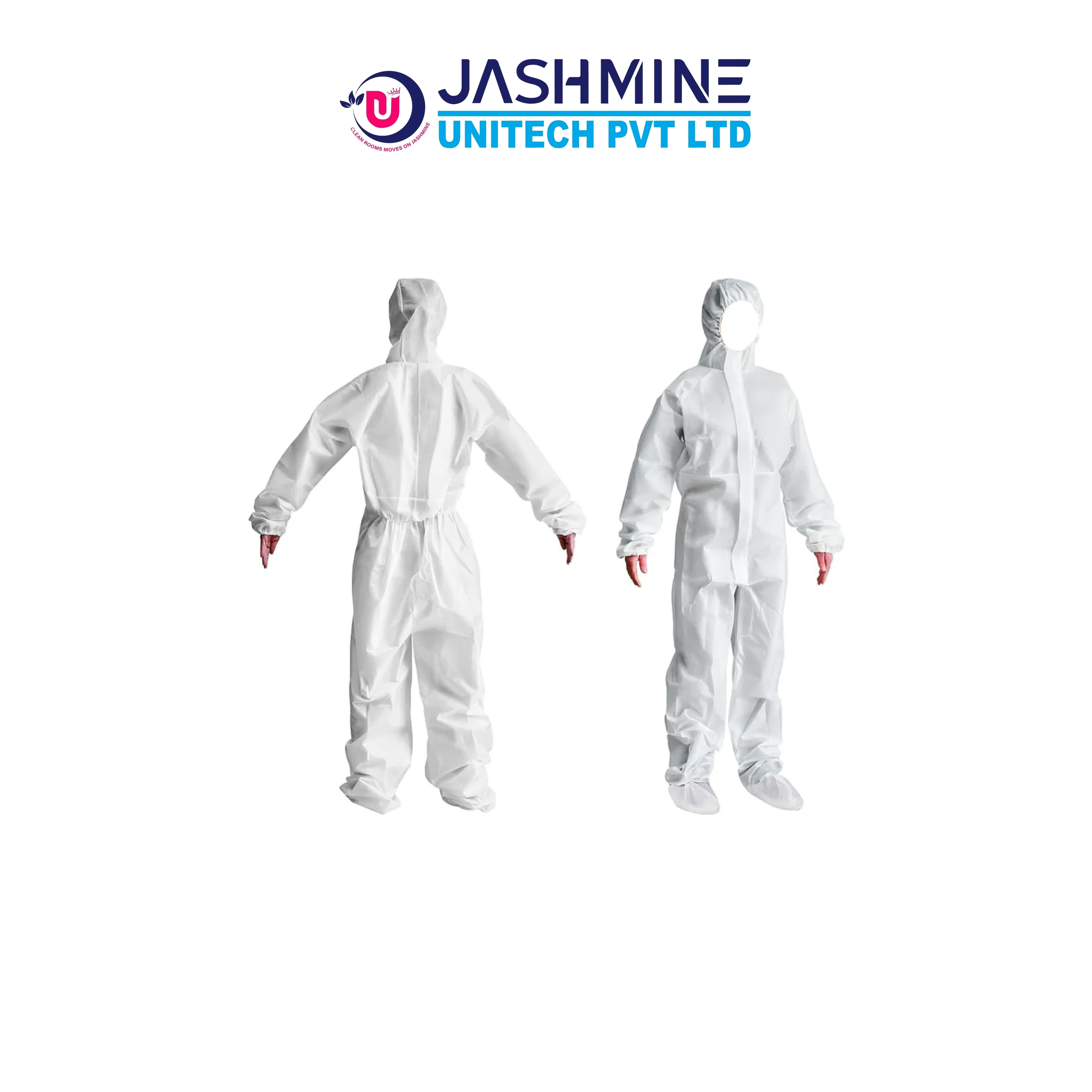
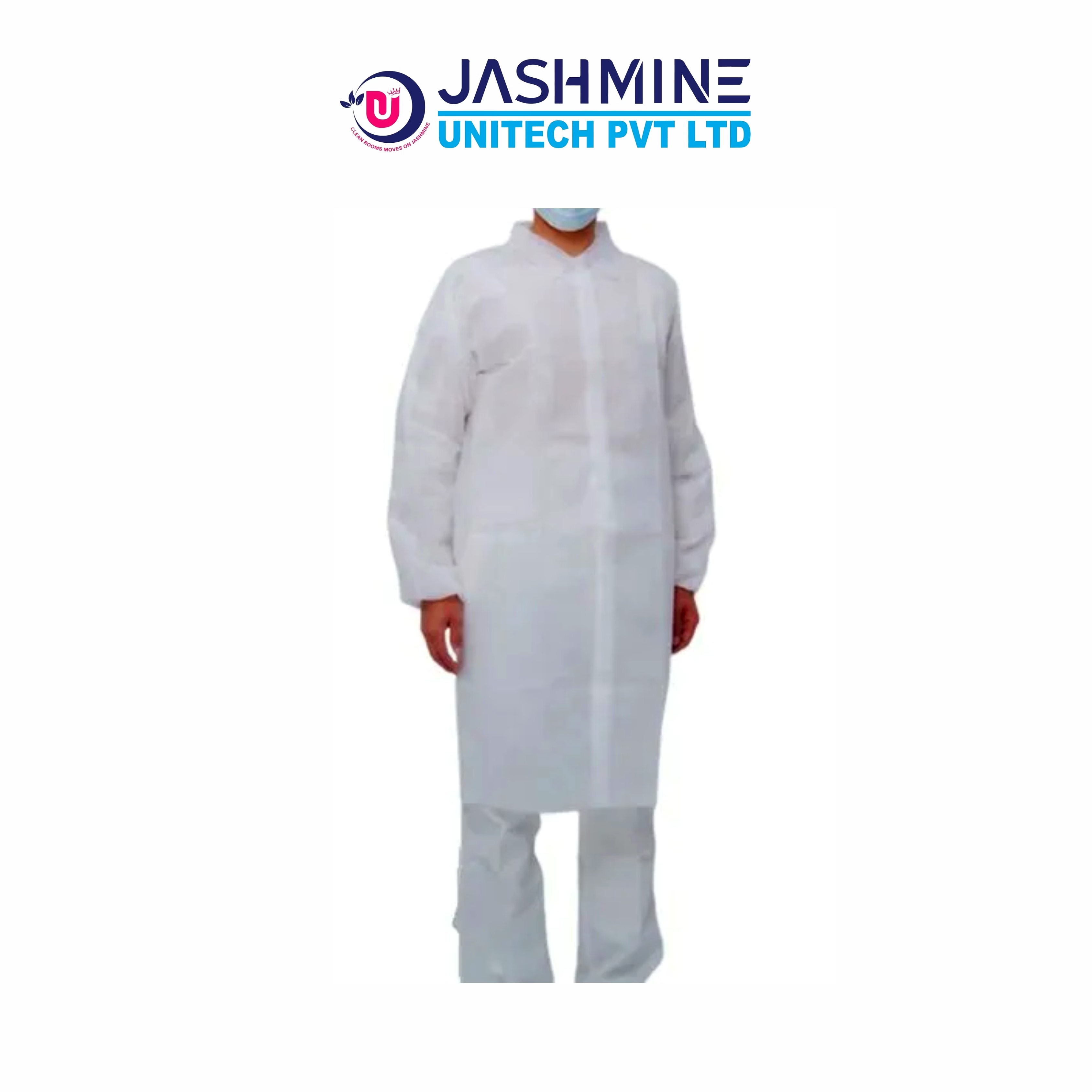
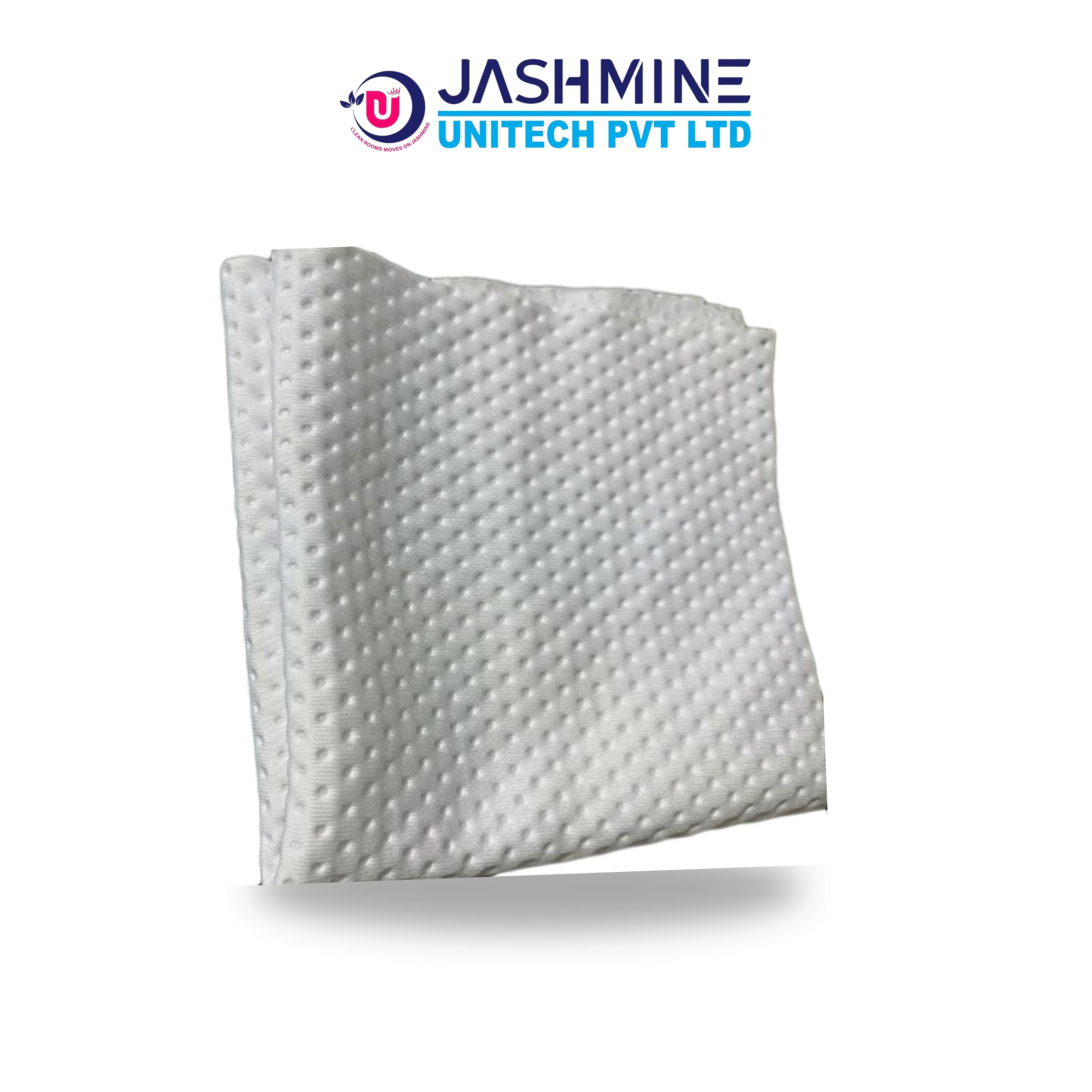
Cleanroom antistatic garments are specially designed clothing used in controlled environments, such as laboratories, electronics manufacturing, and pharmaceutical production, where the presence of static electricity or particulate contamination can be harmful. These garments are made with materials that minimize the buildup of static charges, preventing electrostatic discharge (ESD) that could damage sensitive equipment or compromise product quality.
Key Features:
ESD Protection: These garments are made from fabrics or materials with conductive or dissipative fibers, which allow static charges to safely dissipate, protecting sensitive components.
Contamination Control: The garments are designed to minimize particle shedding, ensuring that no foreign particles are introduced into the cleanroom environment.
Materials: Typically made from polyester, cotton blends, or conductive fibers that are treated to be antistatic or woven with carbon fibers for ESD protection.
Fit and Comfort: Designed for comfort and flexibility, cleanroom antistatic garments come in various styles like coveralls, smocks, jackets, and pants, often with elastic cuffs, adjustable closures, and breathable materials to ensure comfort during long periods of use.
Compliance: Many cleanroom garments meet specific cleanliness and ESD standards (e.g., ISO 14644, ANSI/ESD S20.20) required for specific industries.
Applications:
Electronics Manufacturing: To protect against ESD that can damage microchips or circuit boards.
Pharmaceutical and Biotech: To prevent contamination of sterile environments.
Medical Device Manufacturing: To ensure product quality and safety.
Laboratories: To maintain clean, controlled work environments.
These garments are a vital component of maintaining both cleanliness and safety standards in sensitive environments, helping to ensure that production processes run smoothly without any electrical interference or contamination.
Cleanroom antistatic garments are specially designed clothing used in controlled environments, such as laboratories, electronics manufacturing, and pharmaceutical production, where the presence of static electricity or particulate contamination can be harmful. These garments are made with materials that minimize the buildup of static charges, preventing electrostatic discharge (ESD) that could damage sensitive equipment or compromise product quality.
Key Features:
ESD Protection: These garments are made from fabrics or materials with conductive or dissipative fibers, which allow static charges to safely dissipate, protecting sensitive components.
Contamination Control: The garments are designed to minimize particle shedding, ensuring that no foreign particles are introduced into the cleanroom environment.
Materials: Typically made from polyester, cotton blends, or conductive fibers that are treated to be antistatic or woven with carbon fibers for ESD protection.
Fit and Comfort: Designed for comfort and flexibility, cleanroom antistatic garments come in various styles like coveralls, smocks, jackets, and pants, often with elastic cuffs, adjustable closures, and breathable materials to ensure comfort during long periods of use.
Compliance: Many cleanroom garments meet specific cleanliness and ESD standards (e.g., ISO 14644, ANSI/ESD S20.20) required for specific industries.
Applications:
Electronics Manufacturing: To protect against ESD that can damage microchips or circuit boards.
Pharmaceutical and Biotech: To prevent contamination of sterile environments.
Medical Device Manufacturing: To ensure product quality and safety.
Laboratories: To maintain clean, controlled work environments.
These garments are a vital component of maintaining both cleanliness and safety standards in sensitive environments, helping to ensure that production processes run smoothly without any electrical interference or contamination.
Inclusive of all taxes
You Save: 0
Krishnagiri , India
Manufacturer, Brand Owner, Distributor, Exporter, Importer, Wholesaler, Startup
GST- 33AAGCJ5177Q1ZX