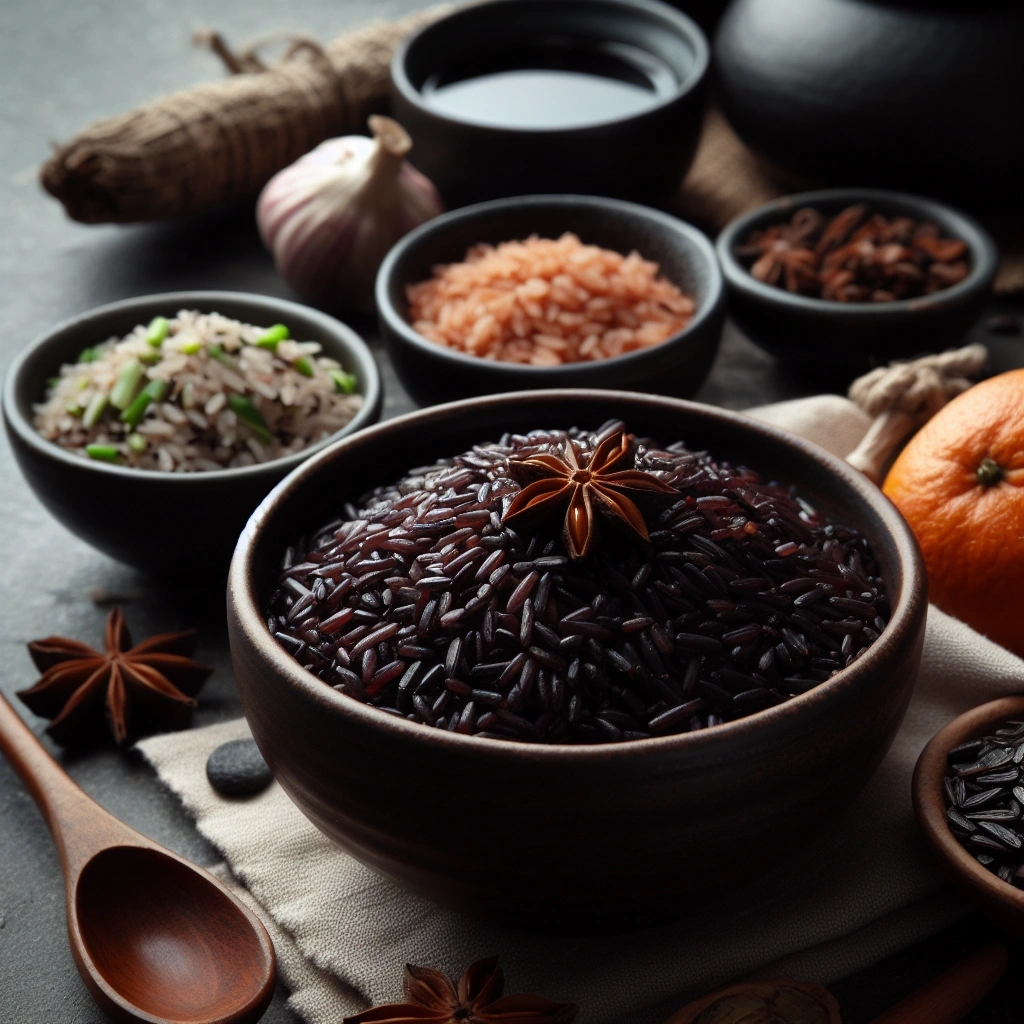
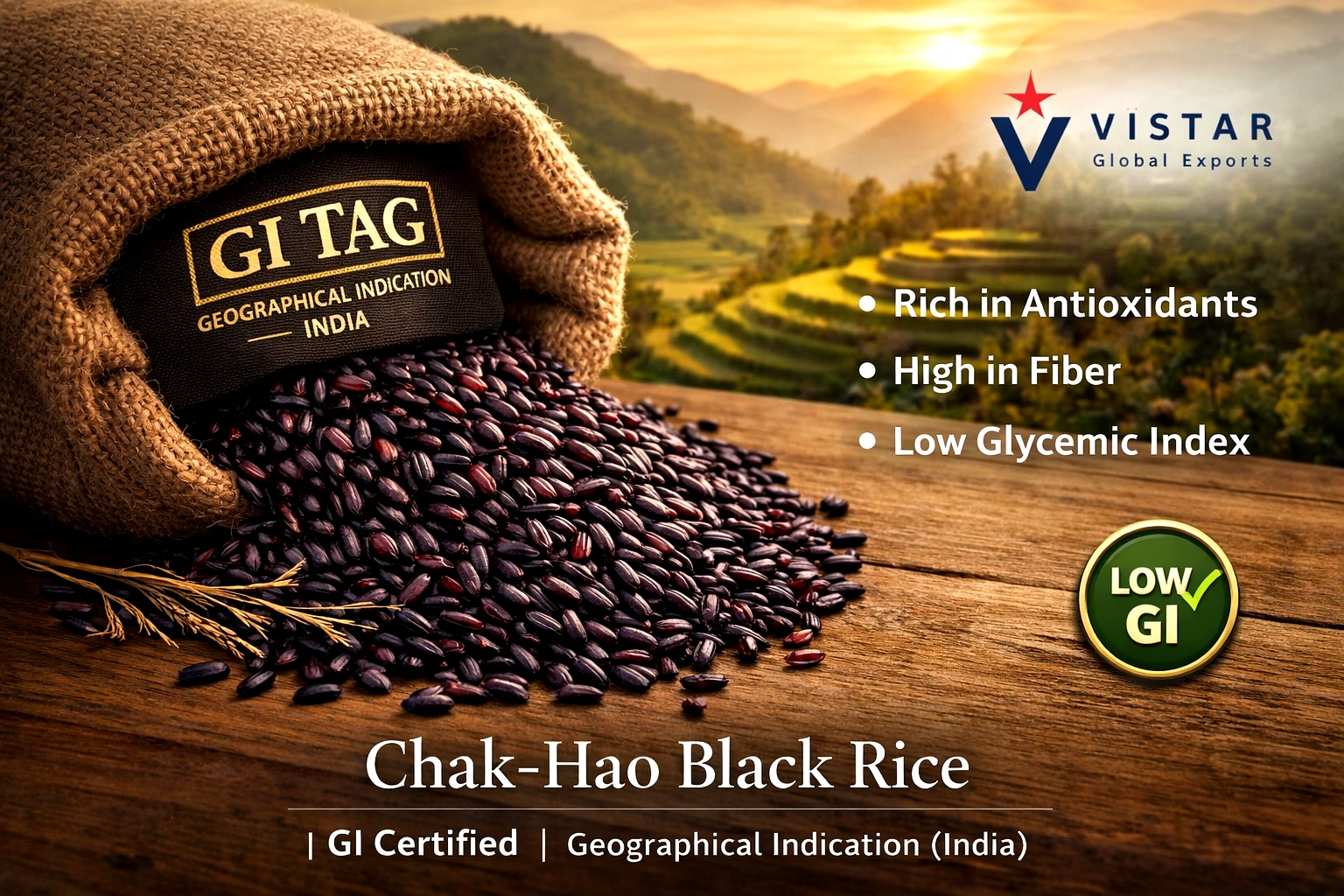
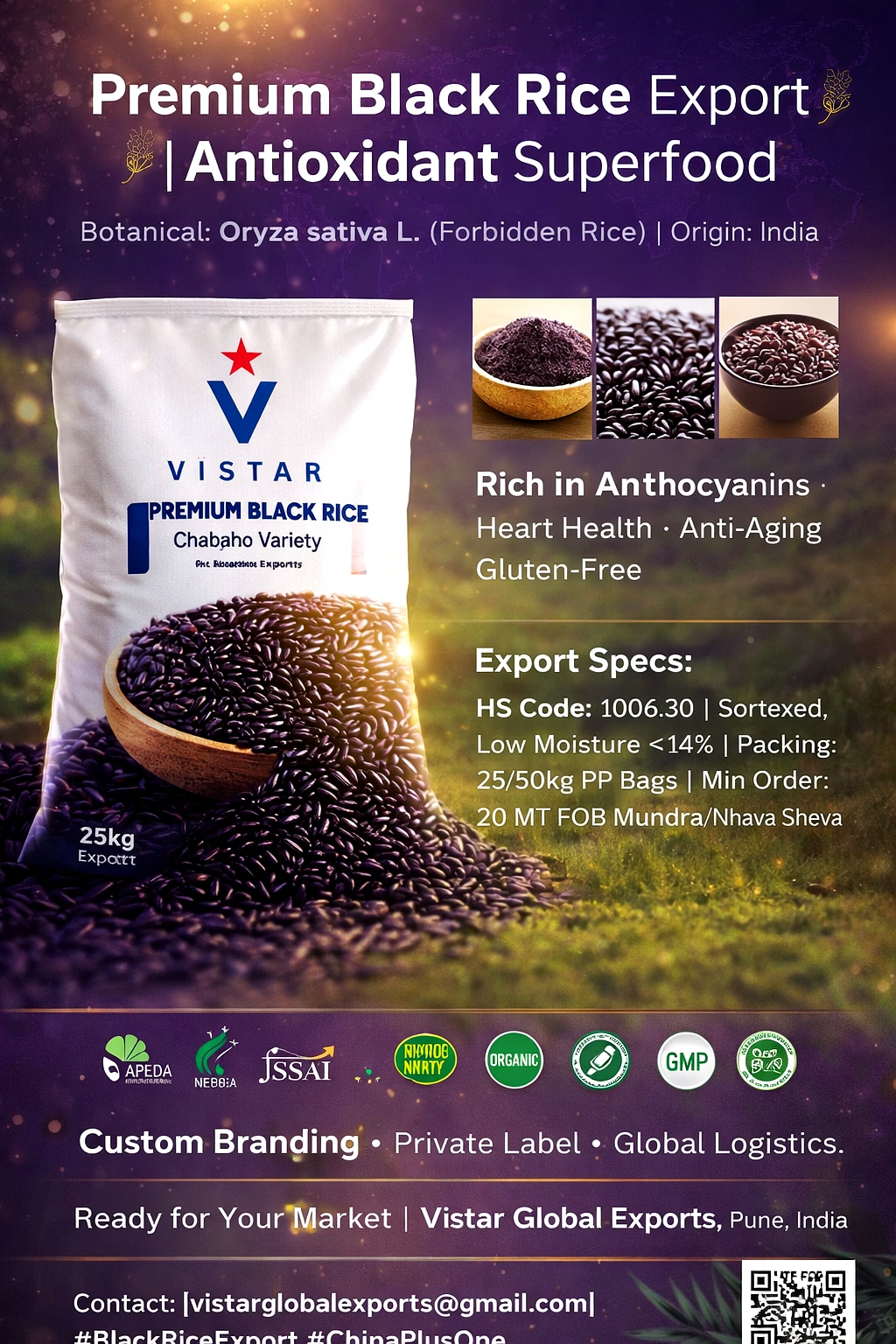
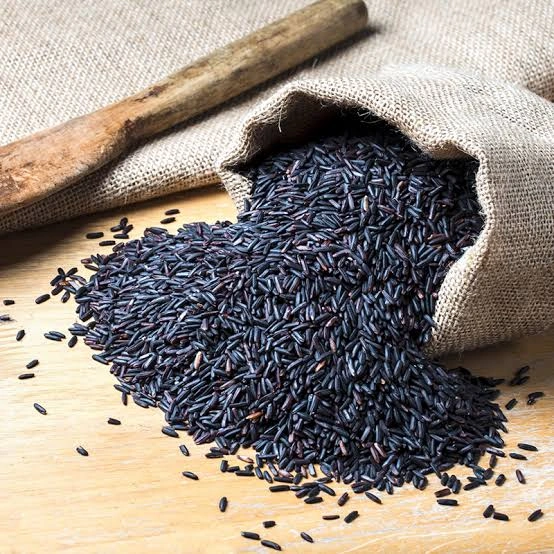
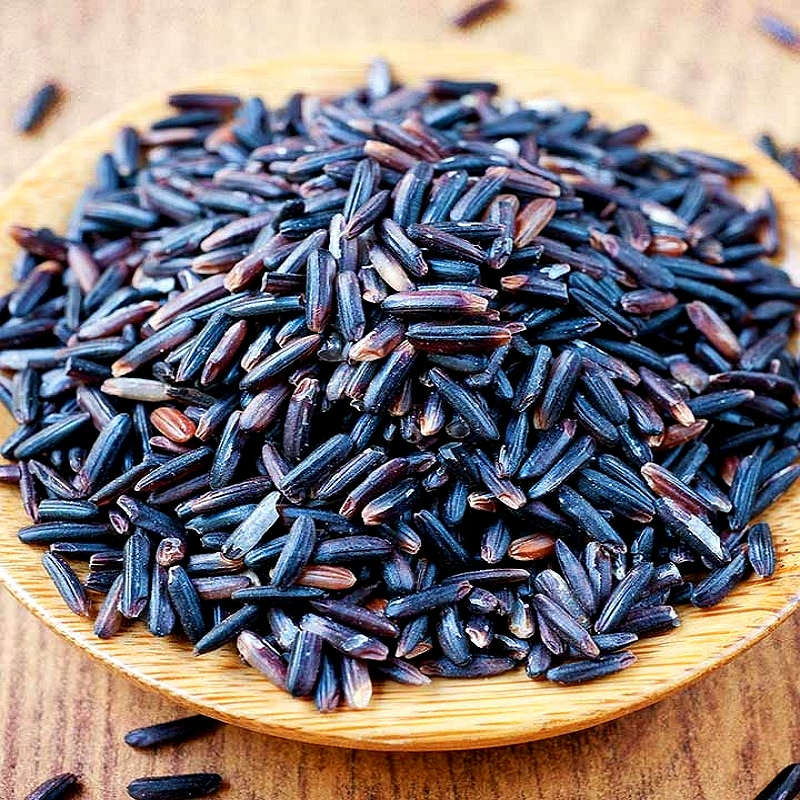
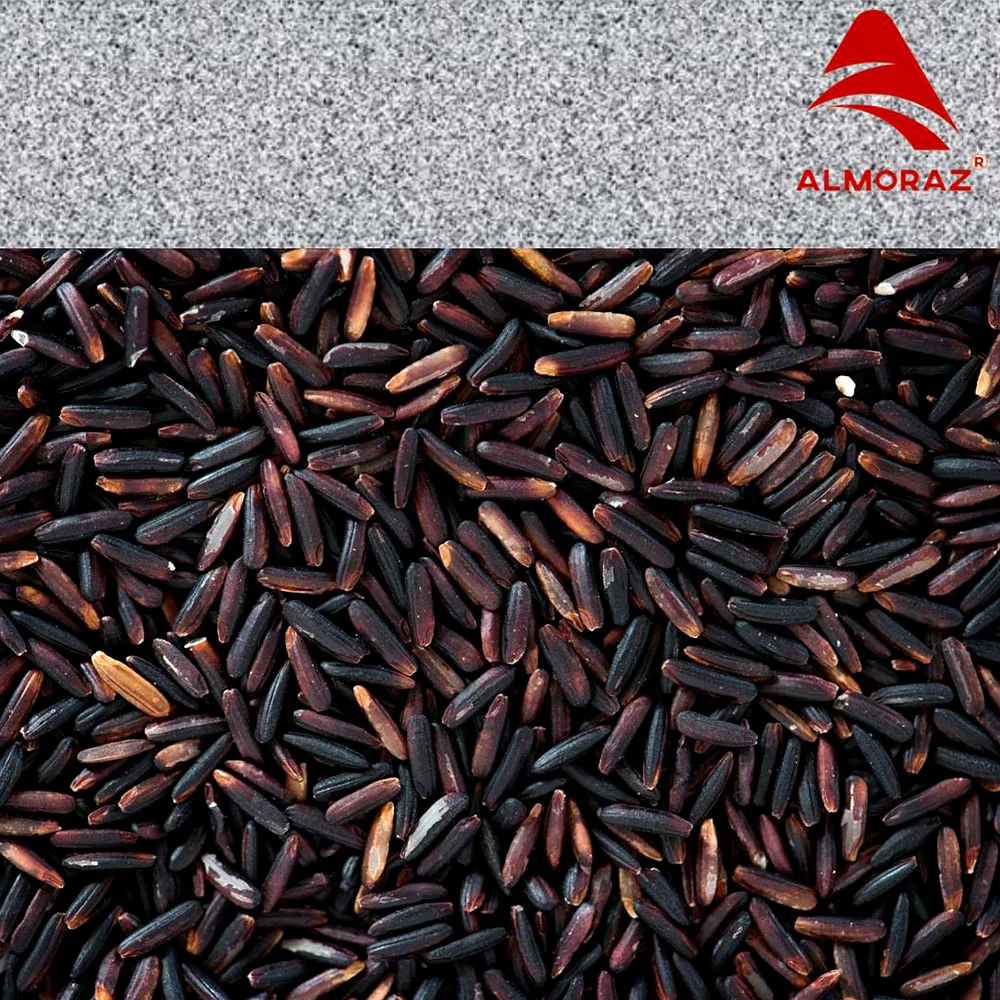
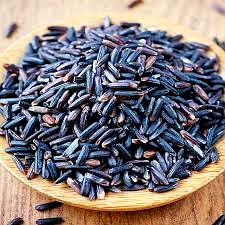
Black rice, commonly referred to as forbidden rice, is a highly nutritious ancient grain notable for its deep purple-black color derived from rich anthocyanin antioxidants. This specialty rice offers a unique nutty and earthy flavor profile combined with a chewy texture, making it a versatile ingredient for numerous culinary applications including salads, stir-fries, and desserts. Packed with dietary fiber, high-quality protein, iron, magnesium, and essential minerals, black rice supports cardiovascular health, aids blood sugar regulation, and promotes digestive wellness. Its powerful antioxidant content helps combat oxidative stress and inflammation. Traditionally prized in ancient China as a royal delicacy, this grain's health benefits extend to modern dietary needs, making it an ideal product for health-focused food manufacturers, specialty food suppliers, and restaurants aiming to create nutrient-dense, flavorful dishes. Due to its longer cooking time, pre-soaking is recommended to ensure optimal texture and culinary results.
Key Features
| Features | Description |
|---|---|
| Color | Deep purple-black color from anthocyanins |
| Flavor Profile | Slightly nutty and earthy flavor with chewy texture |
| Nutritional Content | Rich in fiber, protein, iron, magnesium, and antioxidants |
| Health Benefits | Supports heart health, blood sugar regulation, and digestive health |
| Culinary Uses | Versatile use in salads, stir-fries, side dishes, and desserts |
| Cooking Recommendation | Pre-soaking recommended to reduce cooking time |
| Historical Significance | Known as 'forbidden rice' in ancient China, reserved for royalty |
| Antioxidant Properties | Contains anthocyanins that reduce inflammation and oxidative stress |
| Attributes | Description |
|---|---|
| Grain Type | Whole grain rice |
| Color | Deep purple-black |
| Cultivation | Ancient grain, non-GMO |
| Protein Content | Approx. 8-9 grams per 100 grams |
| Fiber Content | Approx. 4-5 grams per 100 grams |
| Minerals | Contains iron, magnesium, and other essential minerals |
| Antioxidants | High in anthocyanins |
| Cooking Time | 45-60 minutes (soaking reduces time) |
| Texture After Cooking | Chewy and slightly sticky |
| Origin | Varies, typically Asia (China, Indonesia, Thailand) |
*Disclaimer: The above description has been AI-generated and has not been audited or verified for accuracy. It is recommended to verify product details independently before making any purchasing decisions.
Black rice should be stored in a cool, dry, and airtight container away from direct sunlight to maintain its anthocyanin antioxidants and prevent spoilage.
Soaking black rice for 30-60 minutes can reduce cooking time and soften the grain without significantly depleting its antioxidant levels.
Yes, black rice is naturally gluten-free, making it suitable for gluten-sensitive consumers and allergen-friendly food manufacturing.
Yes, black rice’s unique texture and rich nutrient content make it an excellent ingredient for ready-to-eat meals, snacks, and health bars targeting premium market segments.
Black rice generally absorbs more water and yields a chewier texture; it often yields slightly less fluffy output than white rice, requiring recipe adjustments for portioning.
Country Of Origin: India
Black rice, also known as forbidden rice, is a type of rice distinguished by its deep purple-black color, which comes from the antioxidant anthocyanin. This ancient grain is packed with nutrients and offers various health benefits, including being a good source of fiber, protein, and essential minerals.
Color:
Black rice gets its unique color from anthocyanins, the same antioxidants found in blueberries and blackberries.
Flavor:
It has a slightly nutty and earthy flavor with a chewy texture.
Nutritional Value:
Black rice is a good source of fiber, protein, iron, magnesium, and other essential nutrients. It is also a good source of antioxidants, which can help protect the body against damage from free radicals.
History:
Historically, black rice was reserved for royalty in ancient China and was known as "forbidden rice".
Health Benefits:
Antioxidant Powerhouse:
Black rice is rich in anthocyanins, which are powerful antioxidants that can help reduce inflammation and oxidative stress.
Heart Health:
The antioxidants and fiber in black rice may contribute to heart health by helping to lower cholesterol and improve blood pressure.
Digestive Health:
Black rice is a good source of fiber, which can promote healthy digestion and regularity.
Blood Sugar Control:
Studies suggest that black rice may help regulate blood sugar levels, making it a good option for people with diabetes or those looking to manage their blood sugar.
Culinary Uses:
Versatile Ingredient:
Black rice can be used in a variety of dishes, including salads, stir-fries, side dishes, and even desserts.
Cooking Time:
Black rice generally takes longer to cook than white or brown rice. It is often recommended to soak it before cooking to reduce the cooking time.