• Key Features & Attributes
  • Ratings & Reviews
  • Know your Supplier
  • Product description from supplier

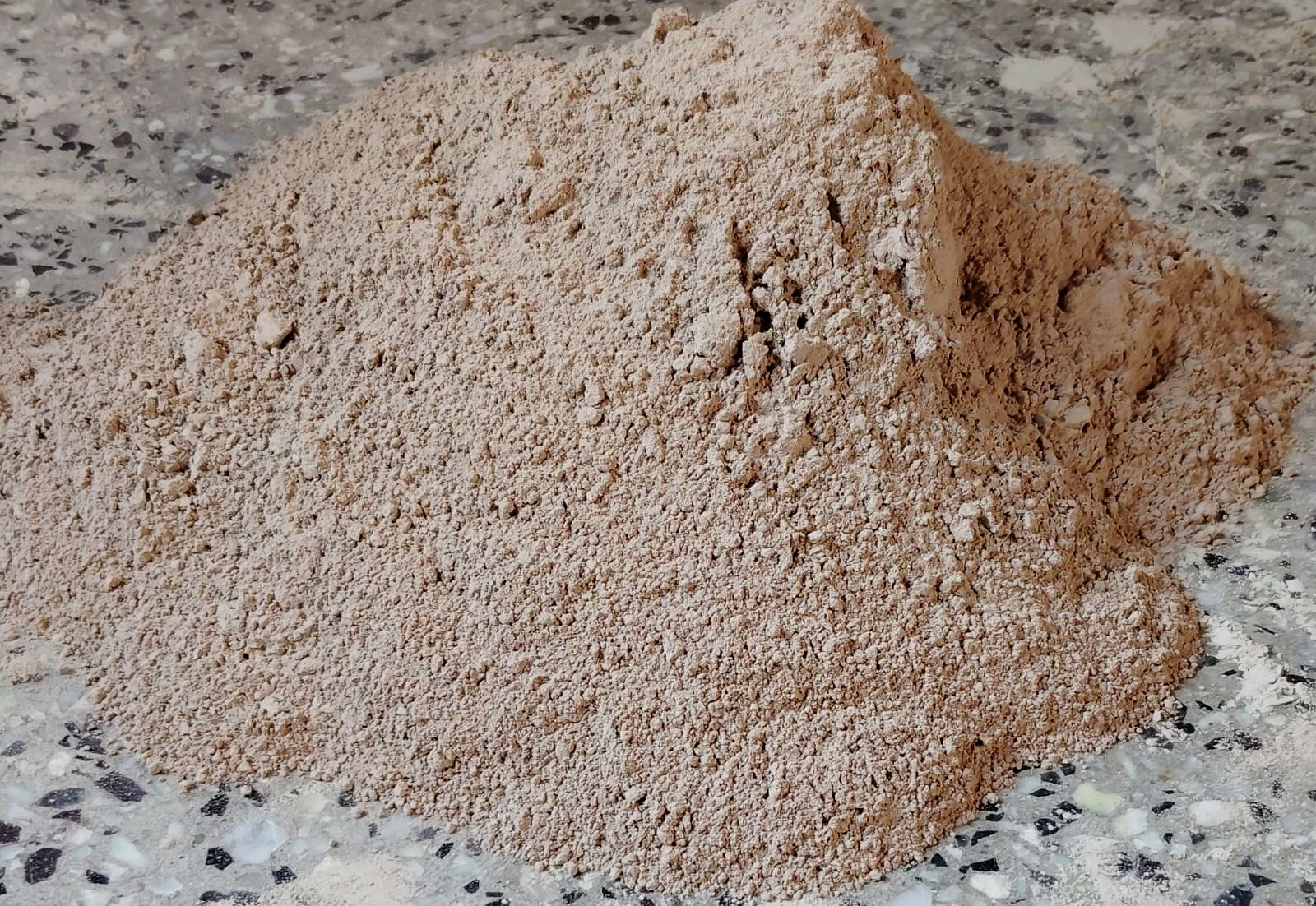
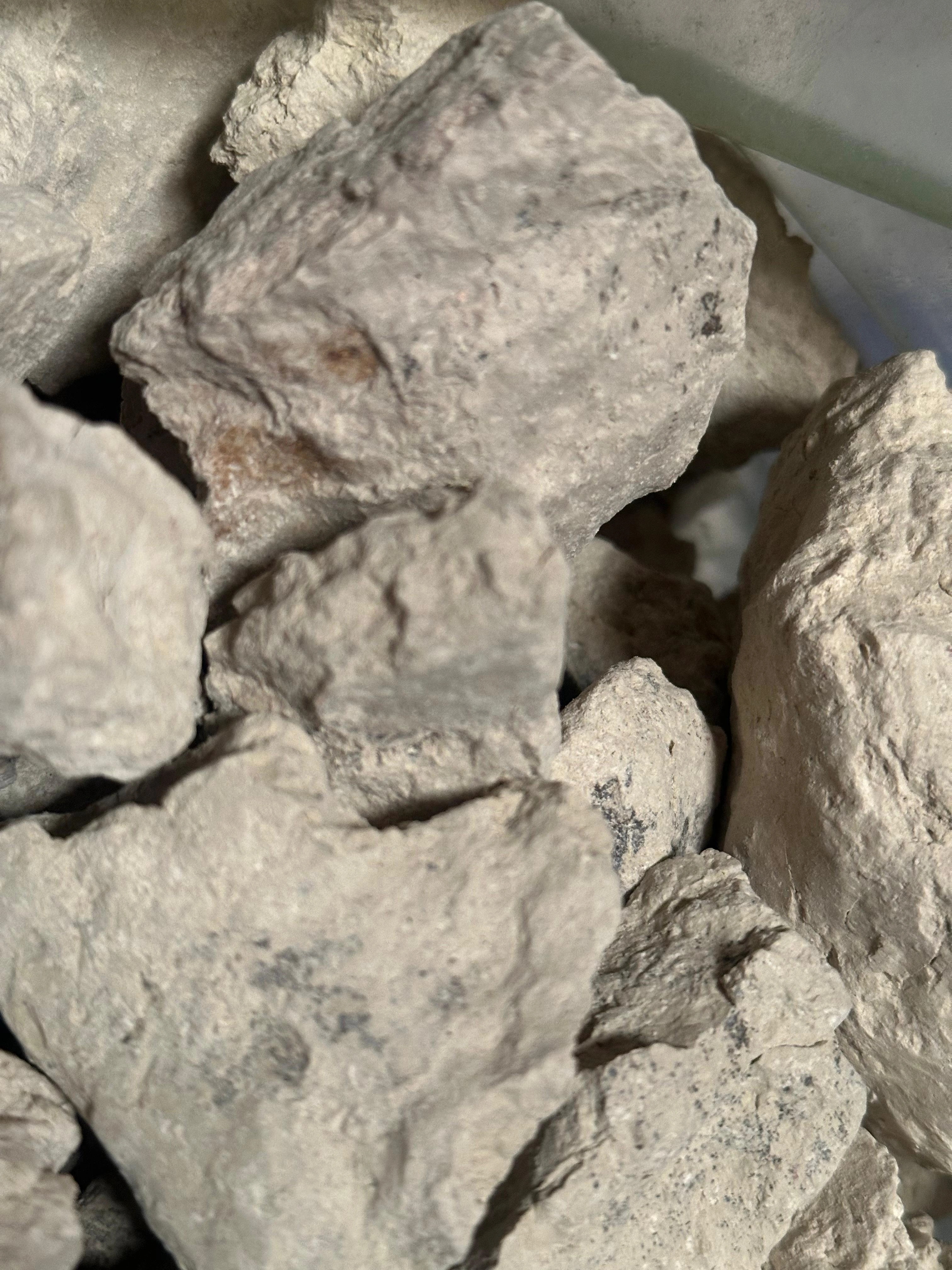
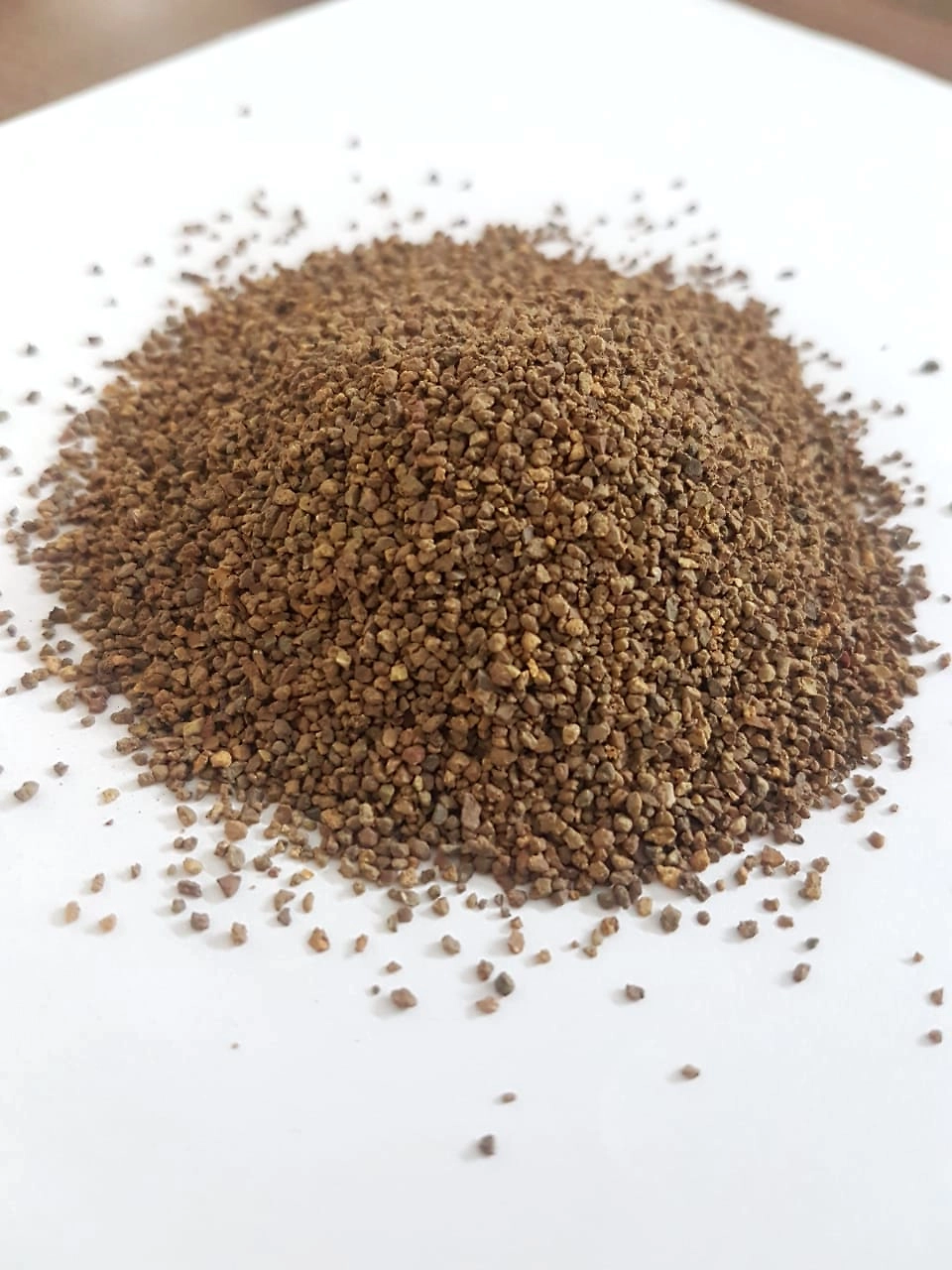
BENTONITE

Inclusive of all taxes

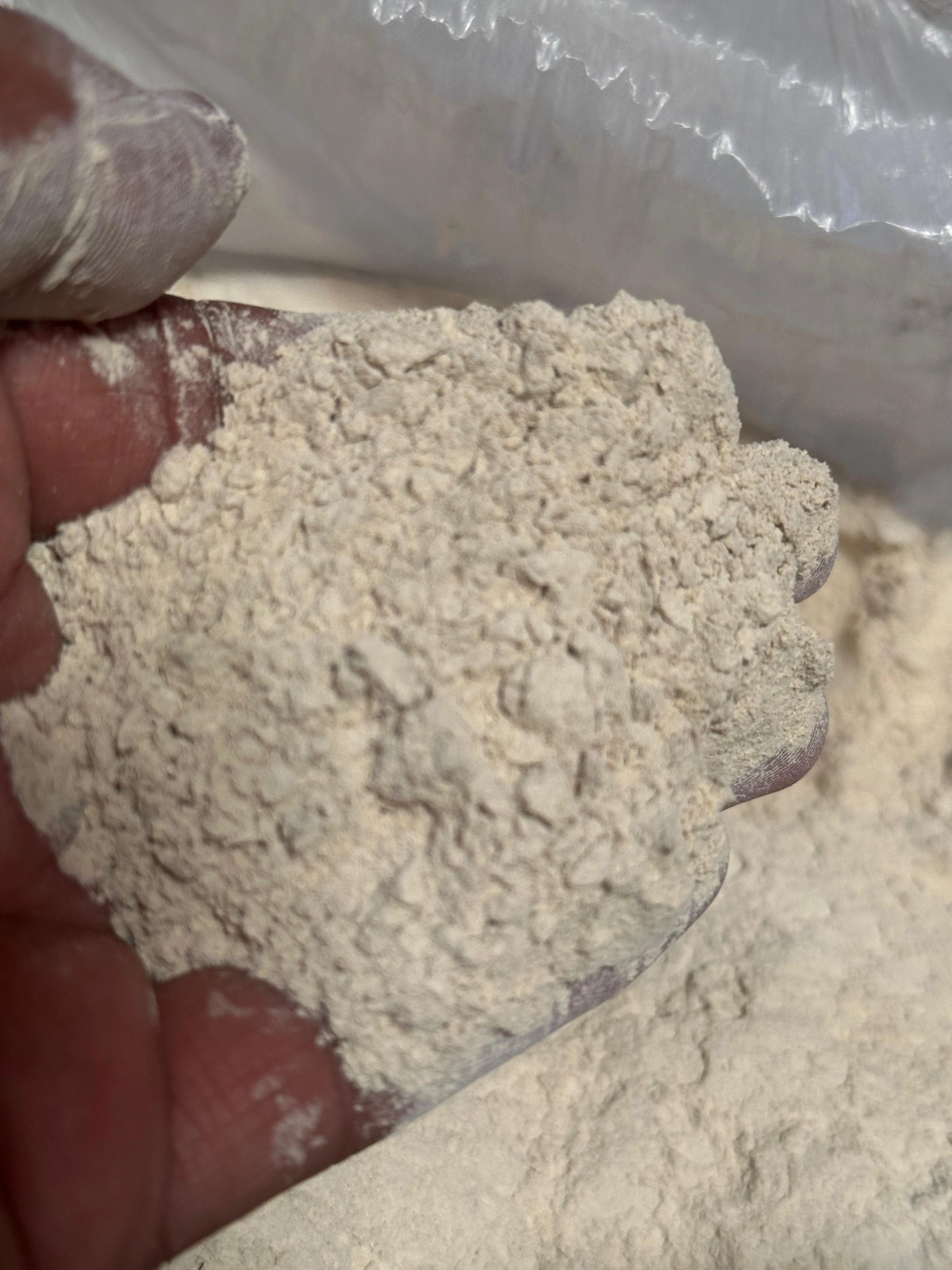
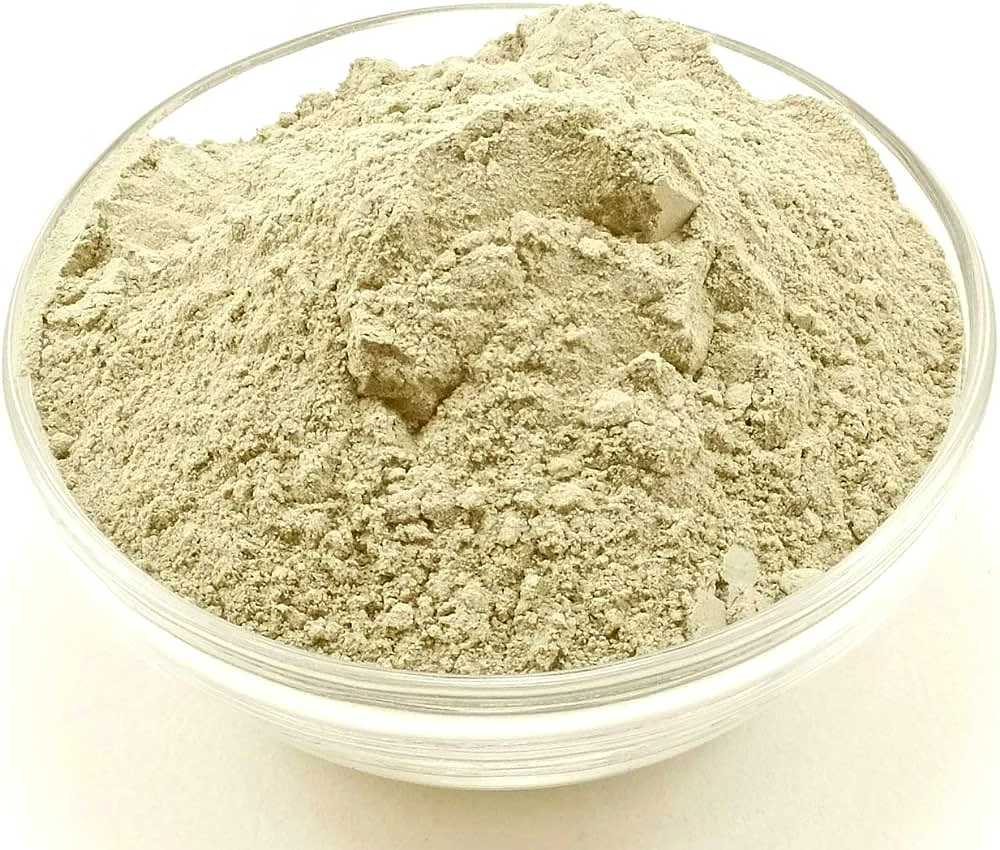
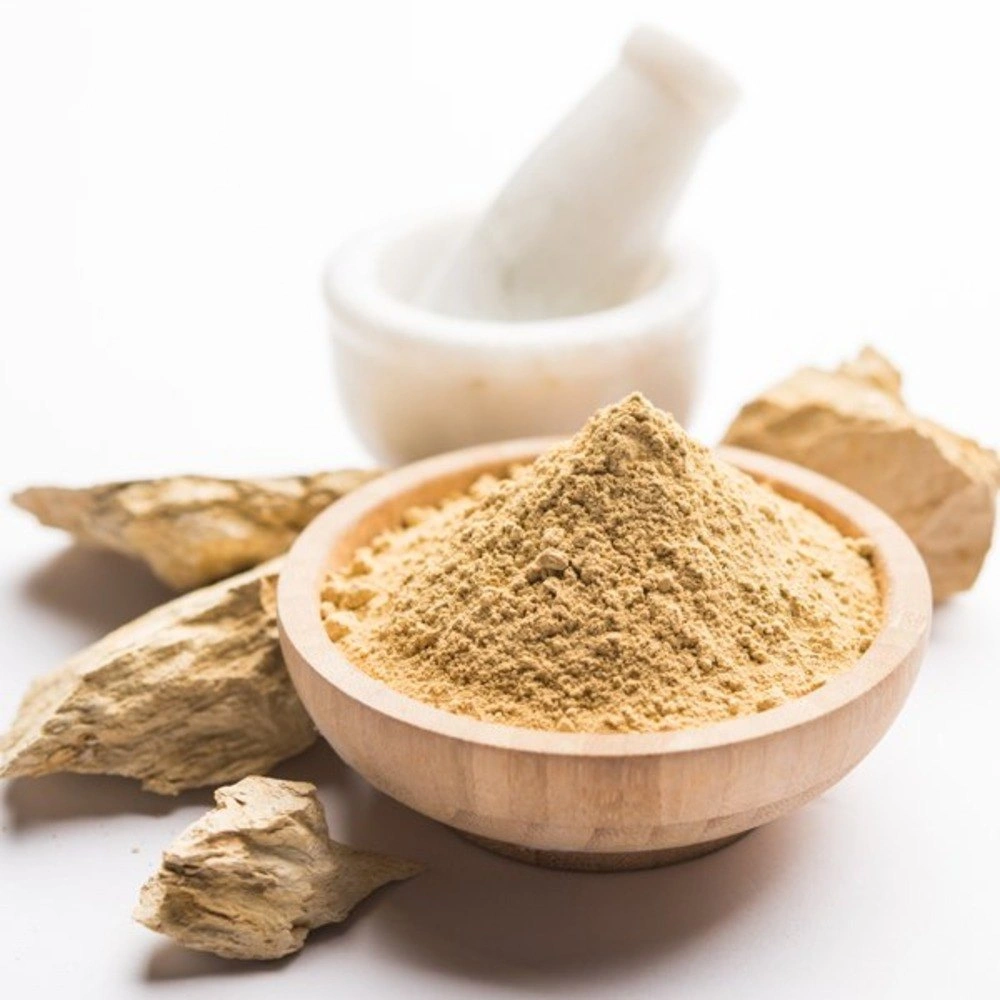
Bentonite is a highly absorbent aluminium phyllosilicate clay, predominantly composed of montmorillonite, and is widely utilized across various industries. This natural clay material is created primarily from the weathering of volcanic ash, particularly when exposed to moisture. The classification of bentonite is typically based on its dominant element, including sodium (Na), calcium (Ca), and potassium (K), leading to distinct types of bentonite, each with unique properties and applications. Sodium bentonite is especially noted for its swelling capabilities, making it ideal for use in drilling fluids, while calcium bentonite is recognized for its binding properties in foundry sands. Additionally, the term

Key Features

Features Description
Composition Primarily montmorillonite, an absorbent aluminium phyllosilicate clay.
Formation Forms from weathering of volcanic ash in the presence of water.
Types Includes sodium bentonite, calcium bentonite, and potassium bentonite.
Industrial Usage Used in various applications such as drilling fluids, sealing agents, and in the manufacturing of pet litter.
Classification Categorized based on dominant elements: Sodium (Na), Calcium (Ca), and Potassium (K).
Attributes Description
Chemical Composition Al2Si4O10(OH)2·nH2O
Moisture Content Typically between 10-20%.
Swelling Capacity High for sodium bentonite.
Viscosity Varies based on concentration, significant for drilling applications.
Applications Drilling fluids, sealants, absorbents, and foundry sands.

*Disclaimer: The above description has been AI-generated and has not been audited or verified for accuracy. It is recommended to verify product details independently before making any purchasing decisions.

Be the first to write a review

Bentonite clay is commonly used in drilling fluids, as a sealing agent, in foundry sands, as an absorbent material in various products, and in applications such as pet litter.

The properties of Bentonite such as swelling capacity and viscosity vary according to its dominant element; sodium bentonite has high swelling capabilities, while calcium bentonite is known for its excellent binding properties.

Bentonite typically forms from the weathering of volcanic ash, particularly in the presence of water, which activates its absorbent and swelling properties.

Yes, Bentonite is classified mainly into sodium bentonite and calcium bentonite, each serving different industrial purposes.

K-bentonites are significant in stratigraphy and tephrochronology as they help in identifying volcanic ash-fall beds dominated by illite.

  • Incorporation Type

  • GST

  • GST Registration Date

  • Number of Employees

  • Import Export Code (IEC)

  • Year of Establishment

  • Nature of Business

  • GlobalLinker Member Since

Country Of Origin: India

Bentonite is an absorbent aluminium phyllosilicate clay consisting mostly of montmorillonite.


The different types of bentonite are each named after the respective dominant element, such as potassium(K), sodium (Na), calcium(Ca), and aluminium (Al). Experts debate a number of nomenclatorial problems with the classification of bentonite clays. Bentonite usually forms from weathering of volcanic ash most often in the presence of water. However, the term bentonite, as well as a similar clay called tonstein, has been used to describe clay beds of uncertain origin. pls vist our website www.nupurmineral.com 

Bentonite usually forms from weathering of volcanic ash most often in the presence of water. However, the term bentonite, as well as a similar clay called tonstein, has been used to describe clay beds of uncertain origin. For industrial purposes, two main classes of bentonite exist: sodium and calcium bentonite. In stratigraphy and tephrochronology, completely devitrified(weathered volcanic glass) ash-fall beds are commonly referred to as K-bentonites when the dominant clay species is illite. Other common clay species that are sometimes dominant are montmorillonite and Kaolinite. Kaolinite-dominated clays are commonly referred to as tonsteins and are typically associated with coal.


Non-metallic Mineral Deposits

Bentonite

Absorbent Clay

Montmorillonite

Sodium Bentonite

Calcium Bentonite

Volcanic Ash Clay

Industrial Minerals

Drilling Fluids

Sealing Agents

Nupur Mineral

BENTONITE

Inclusive of all taxes

You Save: 0

Send Inquiry
kb forwarders

Ahmedabad , India

Manufacturer, Brand Owner, Exporter

GST- 24aadcn7003q1za

  • Secure
    Transaction

  • Free
    Delivery

  • Day
    Dispatch

Report a problem with this product