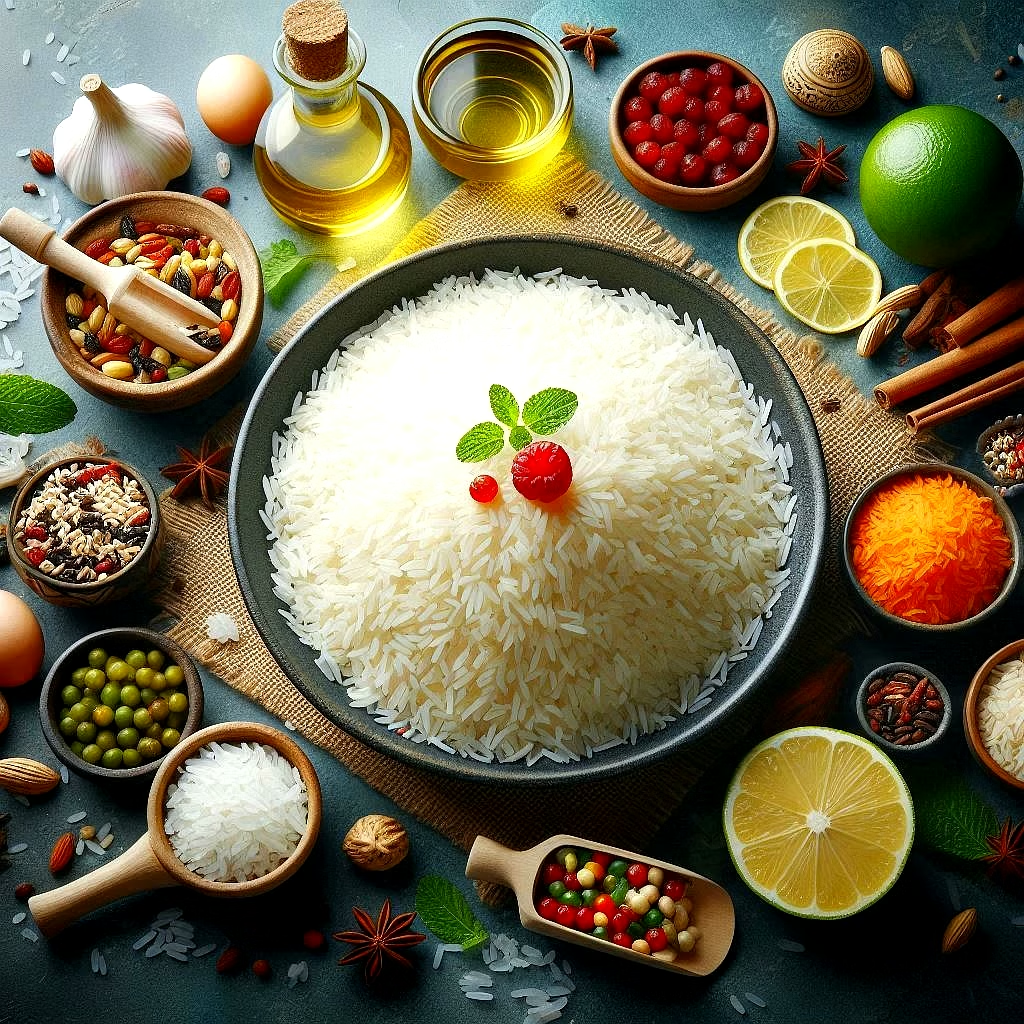
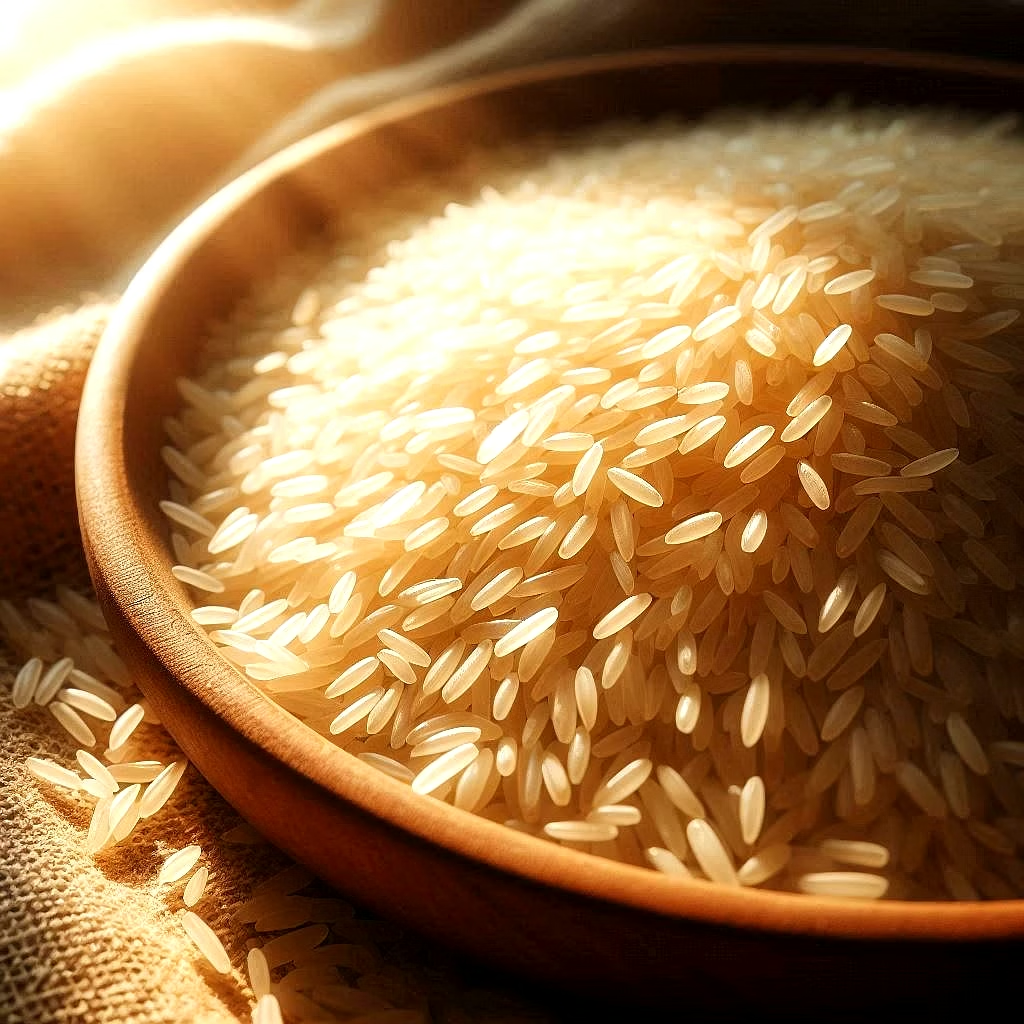
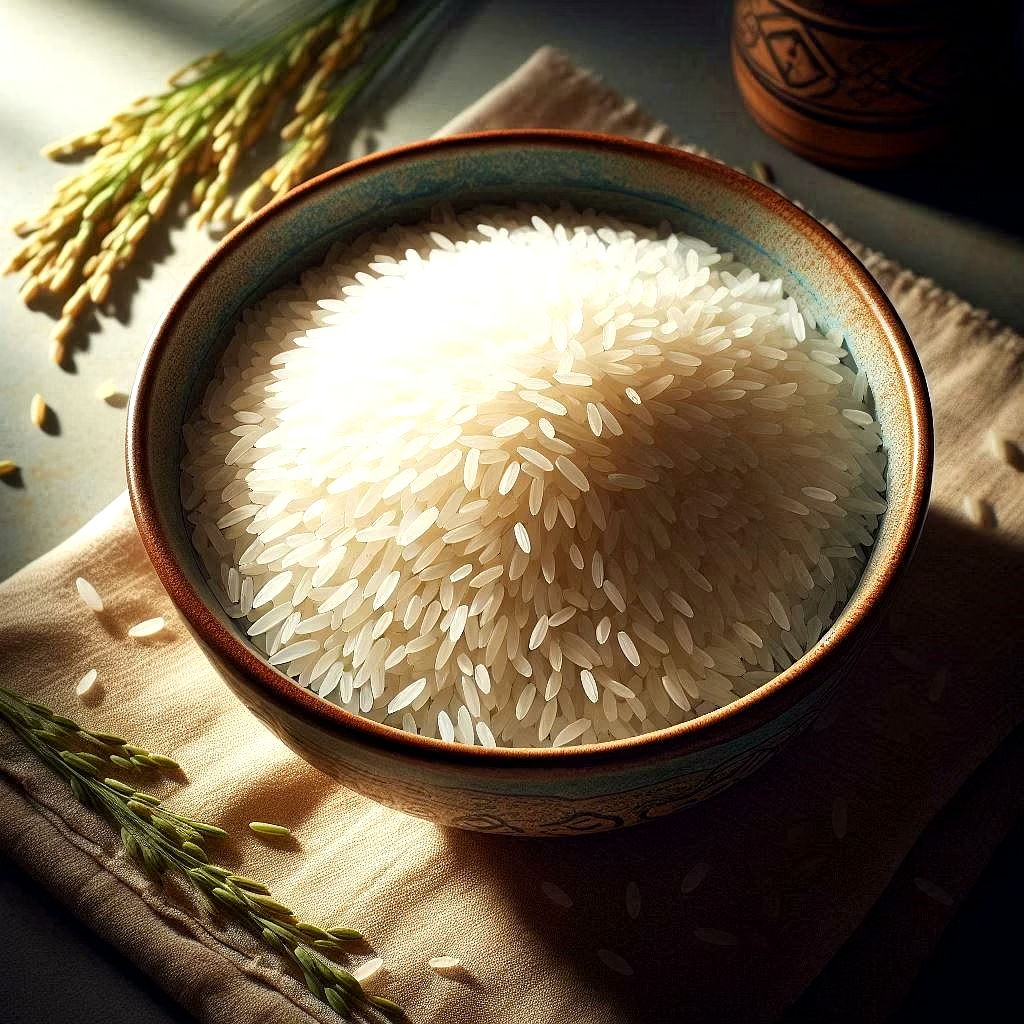
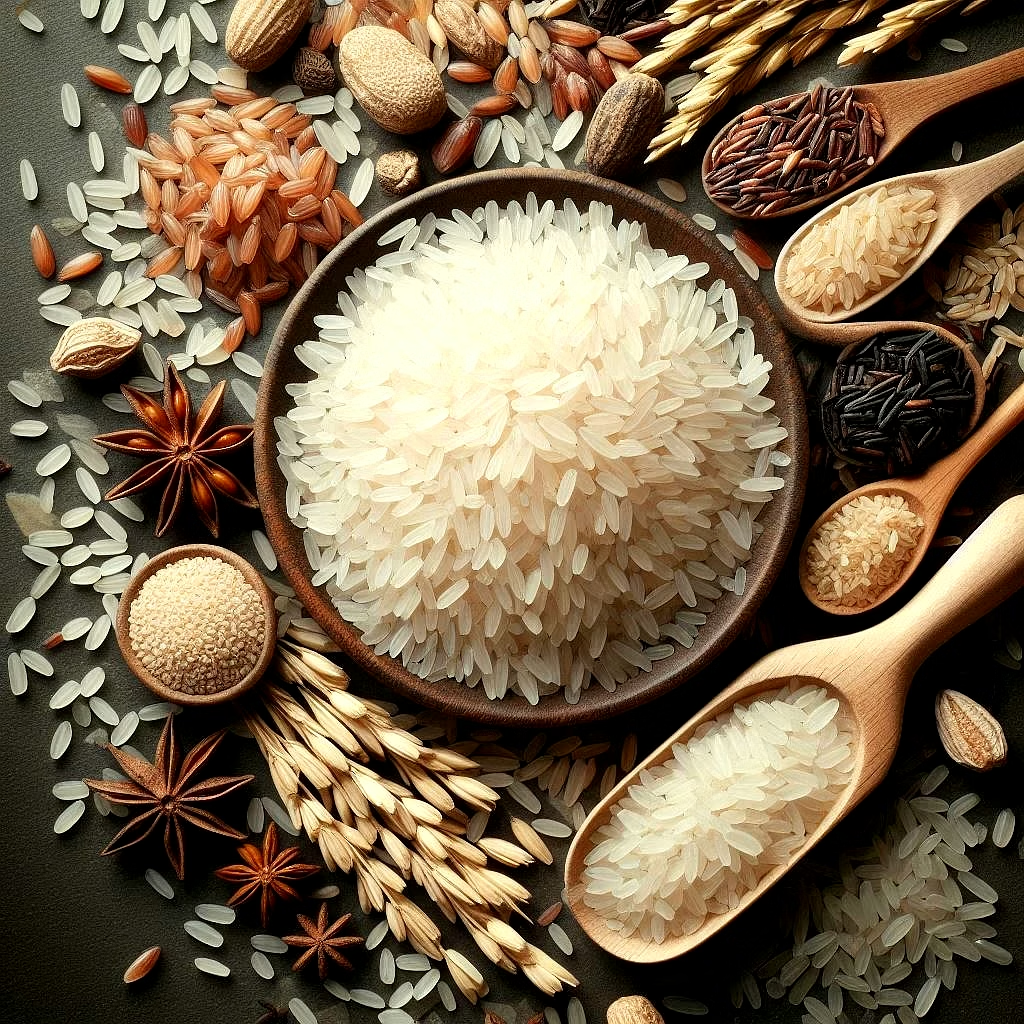
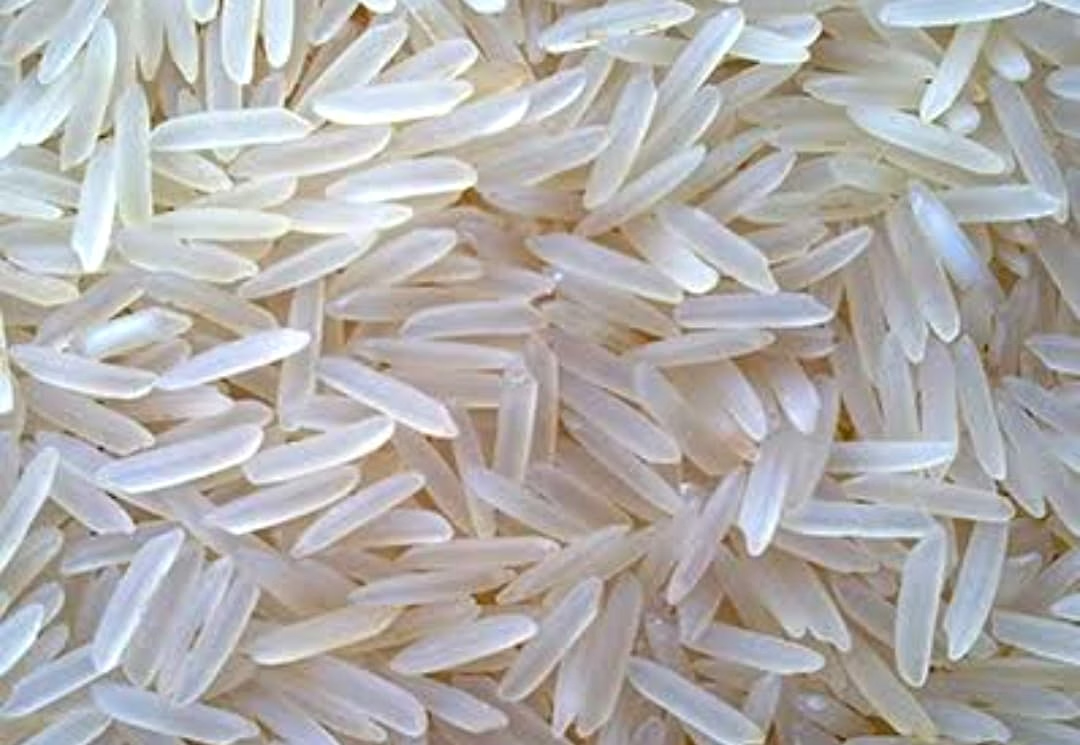
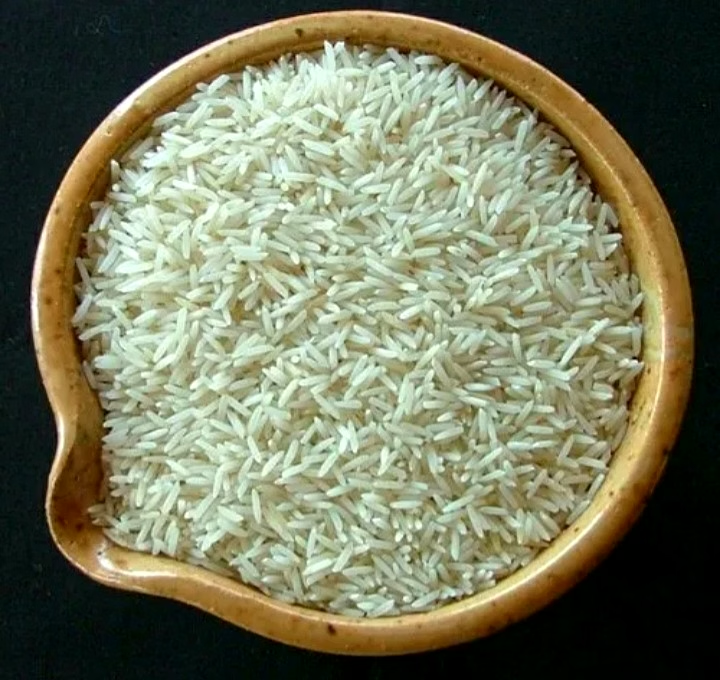
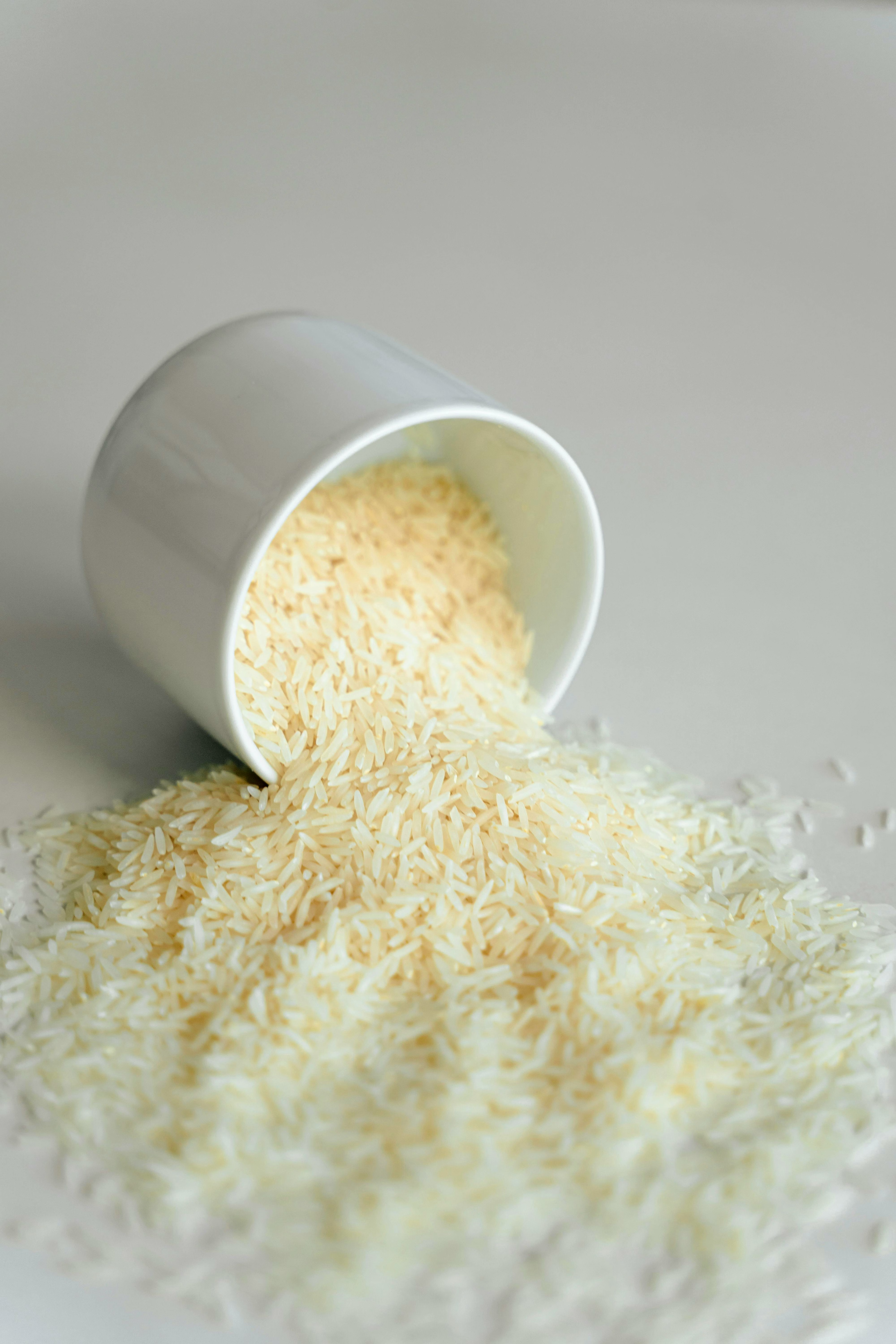
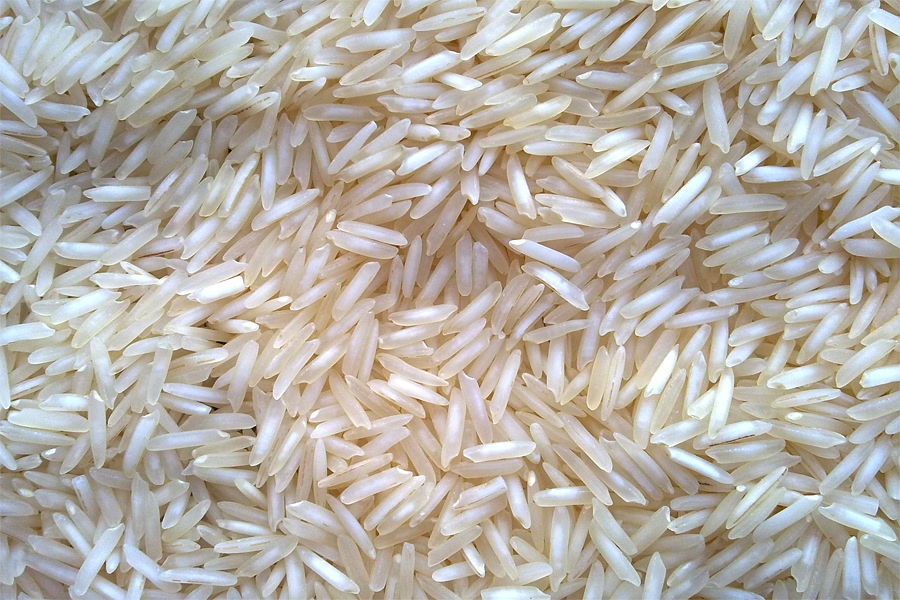
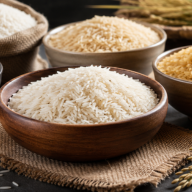
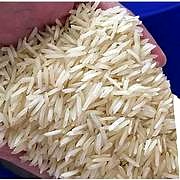
Basmati Rice is a premium long-grain rice variety renowned for its distinctive aroma, delicate flavor, and fluffy texture upon cooking. Originating from the Indian subcontinent, it holds a prestigious place as a specialty rice favored in Indian, Middle Eastern, and Persian cuisines. Basmati rice grains are slender, non-sticky, and elongate substantially when cooked, making it ideal for pilafs, biryanis, and other gourmet rice dishes. This variety is cultivated primarily in the Himalayan foothills under specific climatic conditions, which impart its characteristic nutty and floral fragrance. It is low in fat, gluten-free, and a rich source of carbohydrates. Basmati rice undergoes careful milling and polishing to preserve its natural aroma and quality. It is favored in B2B markets such as restaurants, catering services, food processors, and ethnic grocery distributors due to its superior cooking qualities and consumer demand. Its packaging is done hygienically maintaining purity and preventing contamination to meet commercial standards. Overall, Basmati rice represents a premium rice option that combines authentic taste with culinary versatility and health benefits, strongly positioning it in international and domestic food supply chains.
Key Features
| Features | Description |
|---|---|
| Rice Variety | Long-grain Basmati Rice |
| Aroma | Distinctive nutty and floral fragrance |
| Grain Length | Slender and elongated grains that expand upon cooking |
| Cooking Texture | Light, fluffy and non-sticky |
| Culinary Use | Ideal for biryanis, pilafs, and gourmet rice dishes |
| Cultivation Region | Himalayan foothills, India and Pakistan |
| Nutritional Profile | Low-fat, gluten-free source of carbohydrates |
| Processing | Milled and polished to retain aroma and quality |
| Packaging | Commercial-grade hygienic packaging |
| Market | Targeted for B2B clients such as restaurants and food processors |
| Attributes | Description |
|---|---|
| Botanical Classification | Oryza sativa - Indica subspecies |
| Grain Type | Long-grain aromatic rice |
| Moisture Content | Approx. 12-14% (industrial standard) |
| Physical Appearance | Clean, free from impurities and broken grains less than 5% |
| Color | Off-white to light cream polished grains |
| Shelf Life | 12-18 months when stored under dry and cool conditions |
| Packaging Sizes | Available in 10kg, 25kg, 50kg bags or bulk packaging |
| Certifications Available | ISO, AGMARK, and FSSAI certifications upon request |
| Suitable For | Commercial kitchens, food service industries, and exporters |
*Disclaimer: The above description has been AI-generated and has not been audited or verified for accuracy. It is recommended to verify product details independently before making any purchasing decisions.
This Basmati rice is distinguished by its unique nutty and floral aroma, slender and elongated grains that expand significantly when cooked, providing a fluffy non-sticky texture ideal for gourmet dishes unlike regular long grain rice.
Yes, it comes in bulk packaging options such as 25kg and 50kg bags and meets hygiene and quality standards required by commercial kitchens and catering services.
Yes, the rice is compliant with Indian food regulations and can be supplied with AGMARK and FSSAI certifications upon request.
Store in a cool, dry place away from moisture and direct sunlight to maintain a shelf life of 12-18 months without losing aroma or texture.
Customized packaging options can be arranged based on order quantity and client requirements; please contact sales for details.
Brand: basmati
Country Of Origin: India
Rice is a staple food for a significant portion of the world's population and a primary source of nutrition for many cultures. Here are some key points about rice:
Botanical Classification: Rice belongs to the grass family Oryza sativa or Oryza glaberrima, depending on the variety. Oryza sativa is the most commonly cultivated species and includes both indica and japonica varieties.
Varieties: There are various types of rice, with the two main categories being long-grain and short-grain rice. Within these categories, you find specific varieties such as Basmati, Jasmine, Arborio, and many others.
Cultivation: Rice is primarily grown in flooded fields called paddies. However, some varieties can also be cultivated in upland or rainfed conditions. The cultivation process involves planting, harvesting, threshing, and milling.
Nutritional Content: Rice is a good source of carbohydrates and provides energy. It is low in fat and contains no cholesterol. Brown rice, which retains the bran and germ layers, is also a source of fiber, vitamins, and minerals.
Culinary Uses: Rice is a versatile ingredient used in a wide variety of dishes worldwide. It can be steamed, boiled, fried, or used in soups, stews, casseroles, and desserts. Different rice varieties are favored in specific cuisines.
Major Dietary Staple: Rice is a staple food for a large part of the global population, particularly in Asia. It serves as a primary source of calories and sustenance for billions of people.
Cultural Significance: Rice holds cultural and symbolic importance in many societies. It is often associated with traditions, ceremonies, and rituals. In some cultures, it is considered a symbol of prosperity and fertility.
Rice Processing: The processing of rice involves various stages, including milling to remove the husk, polishing to produce white rice, and packaging. Parboiling is a method that involves soaking, steaming, and drying the rice before milling.
Specialty Rice: Some varieties of rice are considered specialty or gourmet rice, known for their unique flavors and textures. Examples include Basmati rice from India, Jasmine rice from Thailand, and Arborio rice from Italy.
Rice and the Environment: Rice cultivation, especially in flooded paddies, can have environmental impacts, including methane emissions. Sustainable farming practices are being explored to reduce the environmental footprint of rice production.