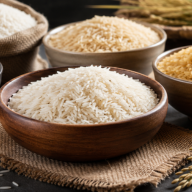
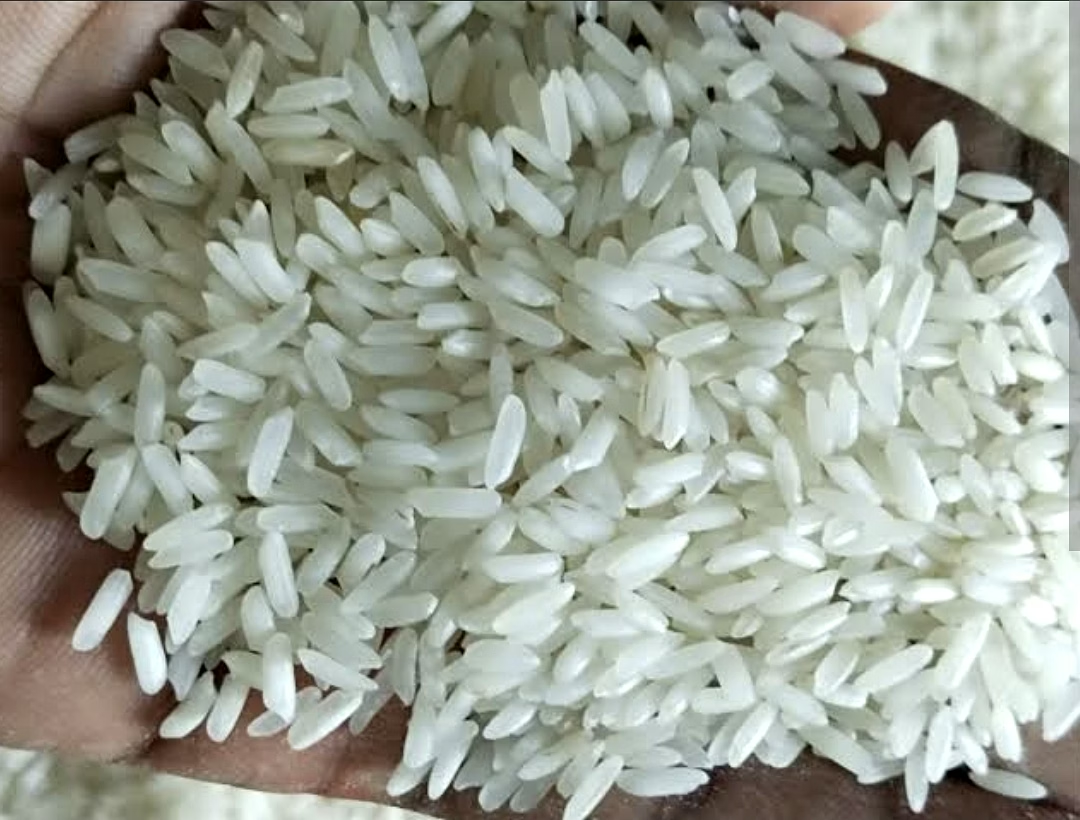
Non Basmati Rice encompasses a diverse group of rice varieties, distinct from the fragrant Basmati type, characterized by varying grain lengths that include short, medium, and long grains. Each variety offers a unique texture and culinary application, ranging from sticky short-grain rice ideal for sushi and puddings, to fluffy and firm long-grain rice perfect for stir-fries and risottos. Although Non Basmati rice typically features a milder aroma and flavor, certain varieties like Jasmine impart a subtle fragrance, enabling the rice to easily absorb and complement the flavors of accompanying ingredients. This versatility makes it a preferred choice for various global cuisines. Non Basmati rice is also valued for its nutritional benefits, supplying essential carbohydrates and in certain forms like brown and red rice, additional dietary fiber, vitamins, and minerals. Its affordability further reinforces its status as a staple food in many households and commercial food services worldwide, making it an economical and adaptable option for B2B buyers in the food industry.
Key Features
| Features | Description |
|---|---|
| Grain Varieties | Available in short, medium, and long grain options |
| Aroma and Flavor | Milder aroma than Basmati with varieties like Jasmine offering subtle fragrance |
| Texture | Ranges from sticky (short grain) to fluffy and firm (long grain) |
| Culinary Versatility | Suitable for stir-fries, risotto, sushi, rice puddings and other global dishes |
| Nutritional Content | High in carbohydrates, with brown/red rice varieties rich in fiber, vitamins, and minerals |
| Cost Effectiveness | More budget-friendly compared to Basmati rice, ideal for regular consumption |
| Adaptability | Absorbs flavors well, enhancing various cooked dishes |
| Attributes | Description |
|---|---|
| Grain Lengths | Short, Medium, Long |
| Common Varieties | Jasmine, Sona Masoori, Parboiled, Brown, Red rice |
| Aroma | Neutral to mildly fragrant |
| Texture Range | Sticky to fluffy depending on variety |
| Nutrient Profile | Rich in carbohydrates; fiber and vitamins present in whole grain variants |
| Typical Uses | Culinary dishes including stir-fry, risotto, sushi, puddings |
| Price Range | More affordable than Basmati rice varieties |
| Shelf Life | Typically 12-24 months when stored in a cool, dry place |
*Disclaimer: The above description has been AI-generated and has not been audited or verified for accuracy. It is recommended to verify product details independently before making any purchasing decisions.
Short grain Non Basmati rice tends to be sticky and is perfect for sushi and rice puddings, whereas long grain Non Basmati rice cooks up fluffy and firm, ideal for stir-fries and pilafs.
Yes, Non Basmati rice varieties have a neutral to mild flavor profile, which allows them to absorb spices and sauces well, enhancing the overall taste of the dish.
Yes, brown and red rice varieties fall under Non Basmati rice, offering higher fiber content and additional vitamins, making them suitable for health-conscious consumers.
Non Basmati rice is generally more affordable than Basmati rice, making it a cost-effective choice for bulk buyers seeking quality grains.
When stored in a cool, dry environment in airtight containers, Non Basmati rice typically has a shelf life of 12 to 24 months.
Country Of Origin: India
• Grain Varieties: Non-Basmati rice comes in a wide range of grain lengths, including short, medium, and long grains. This diversity provides options for different dishes and culinary techniques.
• Aroma and Flavor: While generally having a milder or neutral aroma compared to Basmati, some varieties like Jasmine rice have a subtle fragrance. The neutral flavor allows it to absorb the flavors of the dish it is cooked with.
• Texture: The texture can vary significantly depending on the variety, from sticky (short-grain rice) to fluffy and firm (long-grain rice).
• Versatility: This rice is highly adaptable and used in a vast array of global cuisines. It's suitable for dishes like stir-fries, risotto, sushi, and rice puddings.
• Nutritional Value: Non-Basmati rice is an excellent source of carbohydrates, providing essential energy. Many varieties, particularly brown and red rice, are rich in fiber, vitamins, and minerals.
• Affordability: Non-Basmati rice is often more budget-friendly than Basmati rice, making it a staple food for daily consumption in many parts of the world.