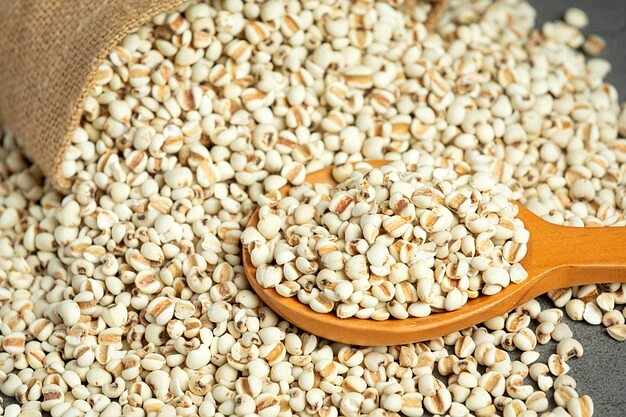
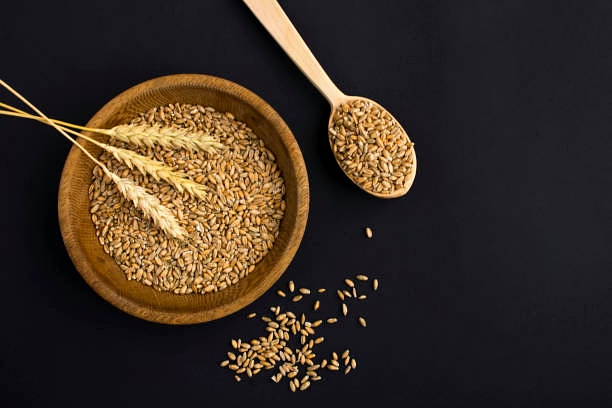
Barley (Hordeum vulgare) is an ancient and versatile cereal grain renowned for its nutritional benefits and wide-ranging applications in food industries, brewing, and animal feed. Available primarily in two forms—Hulled Barley and Pearl Barley—this grain caters to diverse culinary and industrial needs. Hulled Barley maintains its outer husk, delivering a whole grain experience with a longer cooking time and richer fiber content, ideal for health-focused food production. Pearl Barley, the polished variant with its husk removed, offers quicker cooking and a softer texture, making it preferable for soups, stews, and brewing purposes. Barley is a powerhouse of essential nutrients, containing high dietary fiber, particularly beta-glucans, which contribute to cholesterol reduction and improved heart health. Additionally, barley is rich in vitamins, minerals, and antioxidants, enhancing its value in developing nutritious food products. Recognized for its adaptability and health attributes, barley is a preferred choice across food manufacturers, maltsters, and livestock feed producers seeking a dependable, high-quality cereal grain.
Key Features
| Features | Description |
|---|---|
| Scientific Name | Hordeum vulgare |
| Types | Hulled Barley, Pearl Barley |
| Nutritional Benefits | Rich in dietary fiber, beta-glucans, vitamins, minerals, and antioxidants |
| Culinary Uses | Soups, stews, salads, brewing, and health food products |
| Processing Forms | Whole grain (Hulled), polished grain (Pearl) |
| Cooking Time | Longer for Hulled Barley, shorter for Pearl Barley |
| Health Benefits | Cholesterol-lowering properties, heart health support |
| Industrial Use | Brewing malt, livestock feed, and food manufacturing |
| Attributes | Description |
|---|---|
| Grain Type | Cereal grain |
| Family | Poaceae |
| Form Available | Hulled Barley and Pearl Barley |
| Fiber Content | High (including beta-glucans) |
| Cooking Requirement | Hulled Barley requires soaking and longer cooking; Pearl Barley cooks faster |
| Color | Light brown (Hulled), off-white to pale (Pearl) |
| Shelf Life | Up to 12 months when stored properly |
| Packaging Options | Bulk sacks, bags, or pallets as per client requirements |
| Applications | Food ingredients, brewing industry, animal feed |
*Disclaimer: The above description has been AI-generated and has not been audited or verified for accuracy. It is recommended to verify product details independently before making any purchasing decisions.
Hulled barley retains its outer husk and is considered a whole grain, requiring longer soaking and cooking times. Pearl barley has the outer husk removed and is polished, which reduces cooking time and results in a softer texture.
Beta-glucans in barley help lower cholesterol and improve heart health, making barley an excellent ingredient for developing functional and health-oriented food products.
Yes, pearl barley, due to its polished form, is commonly used in brewing malt production and is suitable for breweries and maltsters.
Barley is supplied in bulk sacks, bags, or pallets, tailored as per client requirements to ensure product integrity and ease of transportation.
When stored in a cool, dry place with proper packaging, barley can maintain its quality for up to 12 months.
Country Of Origin: India
Barley is a versatile cereal grain that has been cultivated for thousands of years. It belongs to the grass family Poaceae and is scientifically known as Hordeum vulgare. Here are some key aspects of barley:
Types of Barley:
Hulled Barley: This type of barley retains its outer husk, which requires longer cooking times. It is considered a whole grain.
Pearl Barley: The outer husk is removed, and the grain is polished to varying extents, resulting in quicker cooking times. It's a common form used in cooking.
Nutritional Content:
Barley is a nutritious whole grain that contains vitamins, minerals, fiber, and antioxidants.
It is a good source of dietary fiber, particularly beta-glucans, which are known for their cholesterol-lowering properties.
Barley is a versatile cereal grain that has been cultivated for thousands of years. It belongs to the grass family Poaceae and is scientifically known as Hordeum vulgare. Here are some key aspects of barley:
Types of Barley:
Hulled Barley: This type of barley retains its outer husk, which requires longer cooking times. It is considered a whole grain.
Pearl Barley: The outer husk is removed, and the grain is polished to varying extents, resulting in quicker cooking times. It's a common form used in cooking.
Nutritional Content:
Barley is a nutritious whole grain that contains vitamins, minerals, fiber, and antioxidants.
It is a good source of dietary fiber, particularly beta-glucans, which are known for their cholesterol-lowering properties.
Inclusive of all taxes
You Save: 0
Mumbai , India
Service Provider , Brand Owner, Distributor, Exporter, Importer, Wholesaler, Startup