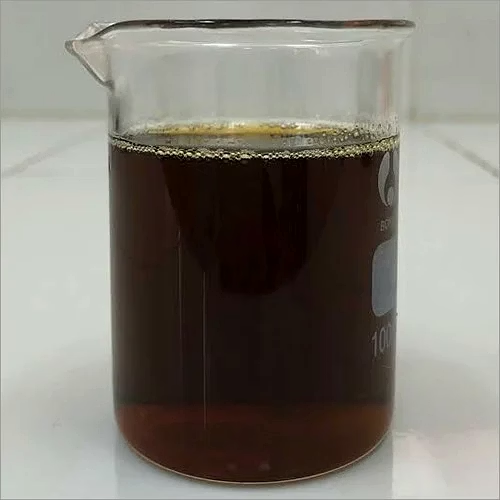
Black Pepper Oil is a premium-grade essential oil extracted from the dried fruit of Piper nigrum, belonging to the Piperaceae family. This oil is characterized by its warm, spicy-woody aroma with subtle green and floral undertones, providing a more refined and sharper scent than ground black pepper without inducing eye irritation or sneezing. Produced through steam distillation of dried peppercorns, the oil appears as a clear to pale-green mobile liquid, with high-quality batches potentially containing azulenes. The oil is rich in bioactive compounds such as monoterpenes (limonene, β-pinene, α-pinene, sabinene, 3-carene, myrcene) and sesquiterpenes (β-caryophyllene, β-bisabolene, caryophyllene oxide). A notable component, piperine, although not always present in the essential oil fraction, contributes to its pungency and physiological effects, including enhancing the bioavailability of nutrients like curcumin. Black Pepper Oil is ideal for formulation in aromatherapy, personal care products, and wellness therapies. It is recommended for topical use at a 1-2% dilution in carrier oils such as jojoba or coconut and requires patch testing to avoid reactions, especially on sensitive or oxidized skin. Internal use is not advised without expert medical supervision due to interactions related to piperine. This oil is a valuable ingredient for businesses in cosmetic manufacturing, natural health product formulation, and aroma therapeutic applications seeking a potent, natural, and versatile black pepper essence.
Key Features
| Features | Description |
|---|---|
| Source | Dried fruit of Piper nigrum (black peppercorns) |
| Extraction Method | Steam distillation |
| Appearance | Clear to pale-green mobile liquid |
| Aroma Profile | Warm, spicy-woody with subtle green and floral undertones |
| Key Chemical Components | Monoterpenes (limonene, β-pinene, α-pinene, sabinene, 3-carene, myrcene), Sesquiterpenes (β-caryophyllene, β-bisabolene, caryophyllene oxide) |
| Piperine Content | Not always present in essential oil; 4-9% in whole pepper by weight |
| Recommended Dilution | 1-2% in carrier oils for skin application |
| Typical Uses | Aromatherapy, skincare formulations, natural wellness products |
| Safety Precautions | Patch test before use; avoid internal use without expert guidance |
| Health Benefits | Enhances nutrient absorption, especially curcumin |
| Attributes | Description |
|---|---|
| Botanical Name | Piper nigrum |
| Plant Family | Piperaceae |
| Extraction Technique | Steam distillation of dried peppercorns |
| Physical State | Mobile liquid |
| Color | Clear to pale-green |
| Fragrance Notes | Spicy, woody, warm with green and floral hints |
| Solubility | Soluble in carrier oils |
| Storage Recommendations | Store in cool, dark place to prevent oxidation |
| Usage Concentration | 1-2% dilution in carrier oils for topical skin use |
| Internal Use | Not recommended without professional supervision |
| Safety Warnings | Patch test recommended; contraindicated for pregnant, nursing, epileptic or medicated individuals without consultation |
| Shelf Life | Typically 1-2 years if stored properly |
*Disclaimer: The above description has been AI-generated and has not been audited or verified for accuracy. It is recommended to verify product details independently before making any purchasing decisions.
Black Pepper Oil should be diluted at 1-2% in carrier oils such as jojoba or coconut oil before topical application to ensure safety and prevent skin sensitivity.
Piperine, responsible for much of black pepper’s pungency and physiological effects, is typically not present in the essential oil fraction but present in whole pepper by 4-9%. It enhances nutrient absorption, such as curcumin bioavailability.
Internal use of Black Pepper Oil is not recommended unless under the supervision of a healthcare professional due to piperine’s potential interactions with drug absorption and other health considerations.
This essential oil is rich in monoterpenes including limonene, β-pinene, α-pinene, sabinene, 3-carene, myrcene, and sesquiterpenes like β-caryophyllene, β-bisabolene, and caryophyllene oxide contributing to its aromatic profile and beneficial properties.
Yes, a patch test is advised especially if the oil may have oxidized. Individuals who are pregnant, nursing, epileptic, or taking medications should consult healthcare providers due to potential interactions.
Brand: sarason bio med
Country Of Origin: India
Derived from the dried fruit of Piper nigrum (family Piperaceae), black pepper essential oil offers a warm, spicy‑woody aroma reminiscent of freshly ground peppercorns. It typically appears as a clear to pale‑green mobile liquid (higher‑quality batches may contain azulenes), extracted by steam distillation or similar methods.
Derived by steam distilling dried Piper nigrum peppercorns, black pepper essential oil features a dark, spicy‑woody aroma with subtle green or floral overtones. It offers a sharper, more refined scent than ground pepper, without eye irritation or sneezing
Though not always present in the essential oil fraction, piperine (4–9% of pepper by weight) is the alkaloid responsible for much of black pepper’s pungency and many of its physiological effects. Piperine is known to:
Enhance absorption (bioavailability) of curcumin and other nutrients
Black pepper essential oil contains:
Monoterpenes (~50–65 %):
Limonene, β‑Pinene, α‑Pinene, Sabinene, 3‑Carene, Myrcene
Sesquiterpenes (~10–20 %):
β‑Caryophyllene, β‑Bisabolene, Caryophyllene oxideDilution Required: Apply at 1–2% dilution in carrier oils (e.g., jojoba or coconut) for skin use.
Patch Test Advocate: Especially if oil is oxidized—avoid use on sensitive skin.
Internal Use Not Recommended: Unless under expert guidance.
Consult Healthcare Providers if pregnant, nursing, epileptic, or taking medications due to piperine interactions with drug absorption
Inclusive of all taxes
You Save: 0
Ernakulam , India
Manufacturer, Brand Owner, Exporter, Importer, Wholesaler
Stay informed with the latest market trends, quality guides, and industry analysis