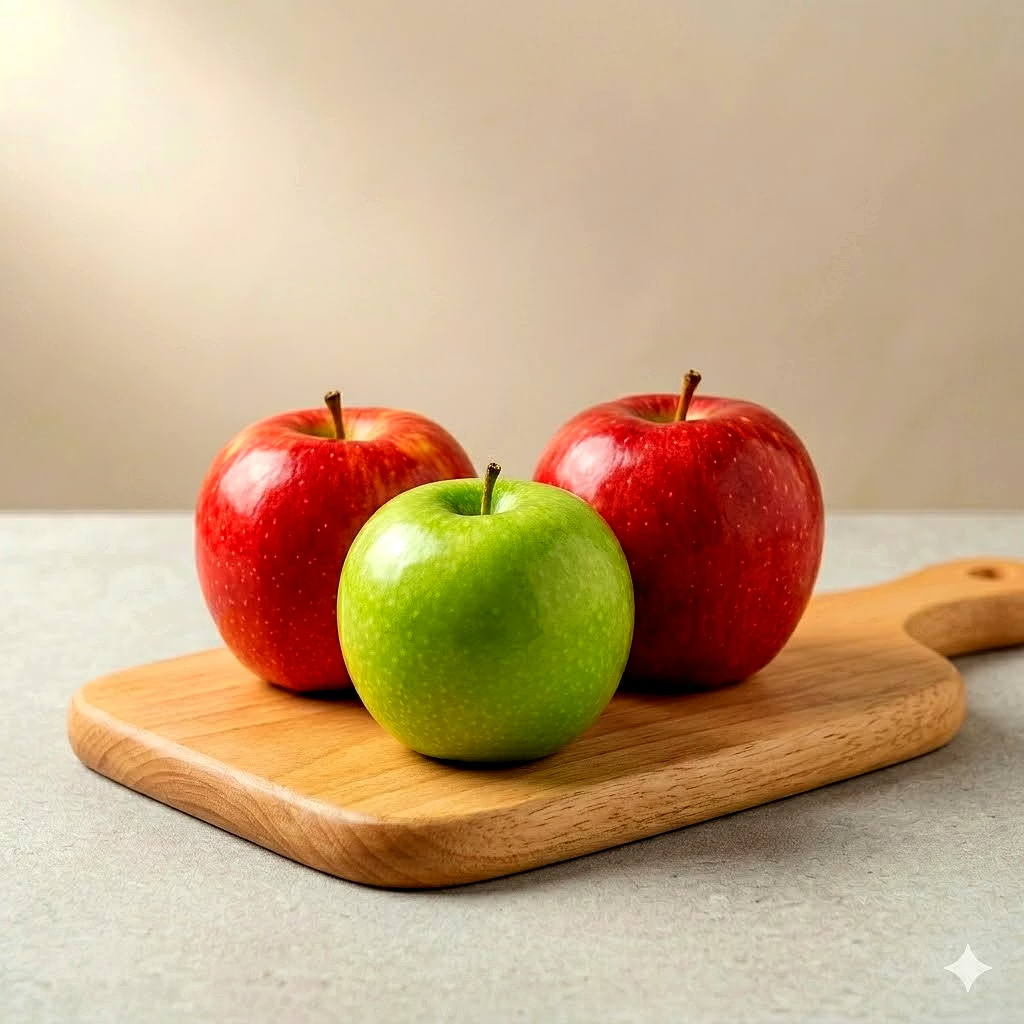
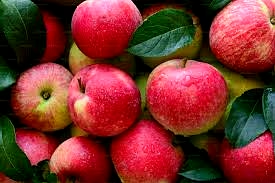
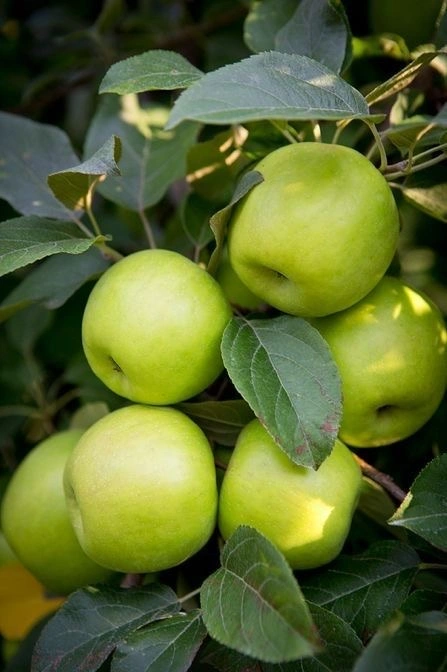
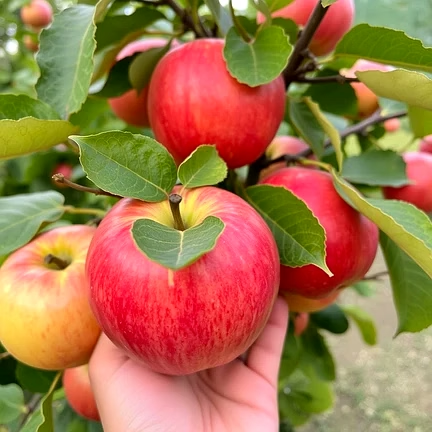
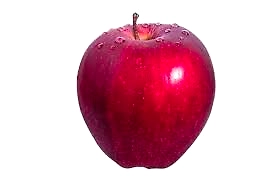
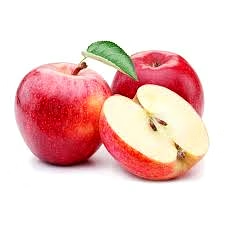
The apple is a widely cultivated, round, and edible fruit from the Malus domestica species, known for its sweet to tart taste and nutritional benefits. Originating from Central Asia, apples are now grown globally, with various cultivars developed through clonal grafting to optimize fruit quality and tree manageability. Apples are valued not only for direct consumption but also for their use in processed products such as juices, sauces, and baked goods. The use of rootstocks in apple cultivation helps control tree size and accelerates fruit production, making it ideal for commercial orchards and large-scale fruit suppliers. This product is suited for businesses involved in fresh fruit distribution, food processing, and retail sectors seeking high-quality apple produce supported by sustainable agricultural practices.
Key Features
| Features | Description |
|---|---|
| Species | Malus domestica |
| Fruit Type | Round, Edible Fruit |
| Origin | Central Asia |
| Propagation | Clonal Grafting onto Rootstocks |
| Tree Size Control | Achieved Through Rootstocks |
| Growth Rate | Accelerated Fruiting via Rootstocks |
| Global Cultivation | Widely Grown Worldwide |
| Applications | Fresh Consumption, Juice, Sauce, Baked Goods |
| Significance | Religious and Cultural Importance |
| Commercial Use | Orchards, Fruit Distributors, Food Processing |
| Attributes | Description |
|---|---|
| Average Fruit Size | 75-85 mm diameter |
| Average Weight | 150-250 grams per apple |
| Color Variants | Red, Green, Yellow |
| Shelf Life | 3-6 weeks under refrigerated conditions |
| Nutritional Content | Rich in fiber, vitamin C, antioxidants |
| Harvest Season | Varies by cultivar, generally August to November |
| Storage Requirements | Cool and humid environment preferred |
| Common Rootstocks Used | M27, M9, MM106 |
| Cultivation Method | Commercial orchards with grafted trees |
*Disclaimer: The above description has been AI-generated and has not been audited or verified for accuracy. It is recommended to verify product details independently before making any purchasing decisions.
Clonal grafting enables the propagation of apple cultivars with desirable fruit characteristics, ensuring uniformity in size, taste, and quality. It also controls tree size and accelerates fruiting when rootstocks are used, which is essential for maximized yield and ease of harvesting in commercial operations.
Rootstocks control the growth rate and size of apple trees, allowing farmers to manage orchard density and harvest efficiency. Trees grown on rootstocks bear fruit sooner and are easier to maintain than those grown from seed.
Apples come in red, green, and yellow color variants, catering to different market preferences and culinary uses. For example, red apples are often preferred for fresh consumption, while green apples are favored for baking and juice production.
Apples should be stored in cool, humid environments, preferably refrigerated at about 0-4°C with 90-95% humidity to preserve texture, flavor, and shelf life during transportation and storage.
Country Of Origin: India
An apple is a round, edible fruit produced by an apple tree (Malus spp., among them the domestic or orchard apple; Malus domestica). Apple trees are cultivated worldwide and are the most widely grown species in the genus Malus. The tree originated in Central Asia, where its wild ancestor, Malus sieversii, is still found. Apples have been grown for thousands of years in Eurasia and were introduced to North America by European colonists. Apples have religious and mythological significance in many cultures, including Norse, Greek, and European Christian tradition.
Apples grown from seed tend to be very different from those of their parents, and the resultant fruit frequently lacks desired characteristics. For commercial purposes, including botanical evaluation, apple cultivars are propagated by clonal grafting onto rootstocks. Apple trees grown without rootstocks tend to be larger and much slower to fruit after planting. Rootstocks are used to control the speed of growth and the size of the resulting tree, allowing for easier harvesting.