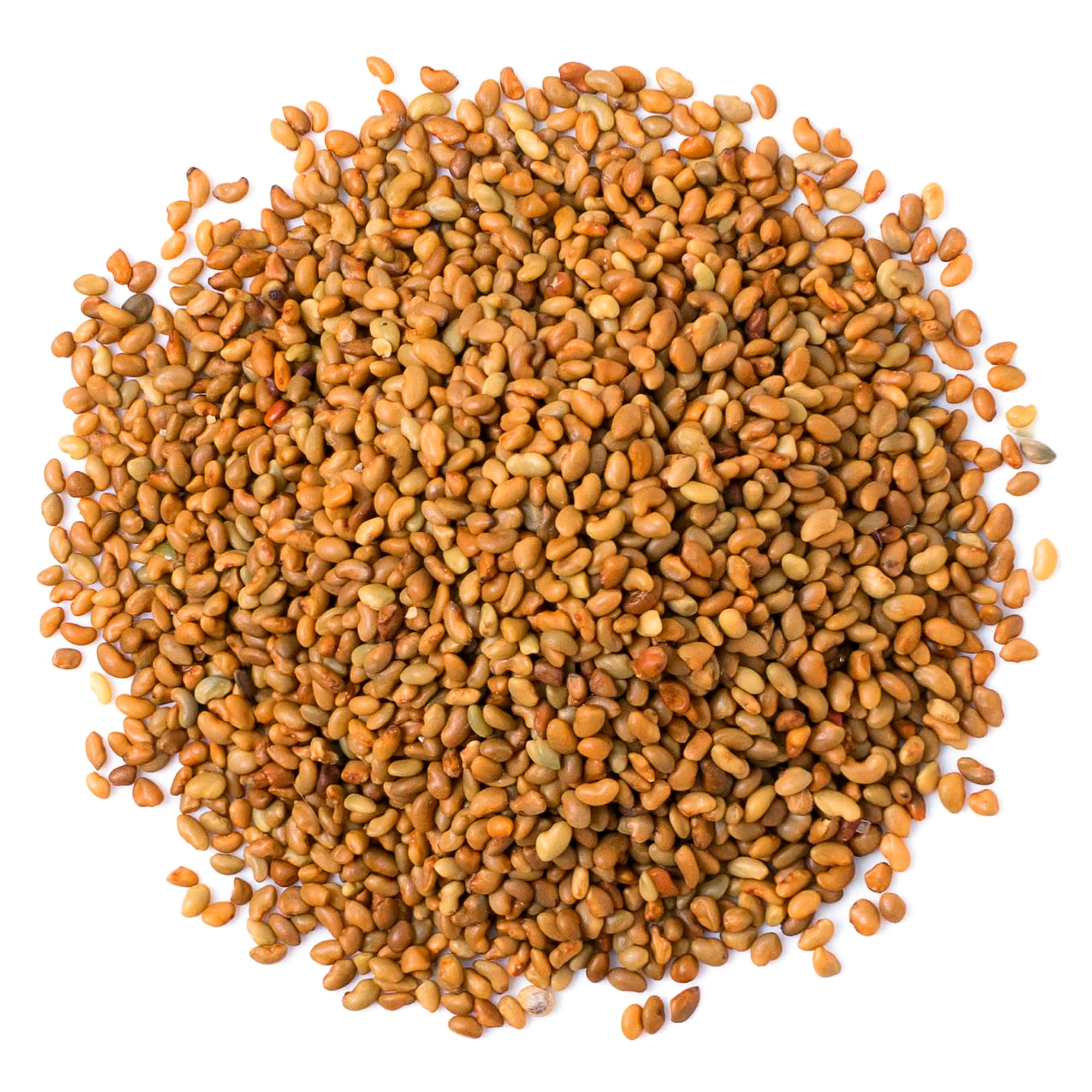
Alfalfa seeds, derived from Medicago sativa, are small, oval-shaped brown seeds highly valued in both agriculture and nutrition sectors. Primarily cultivated for their rapid germination, these seeds are used for sprouting to produce nutrient-packed alfalfa sprouts prevalent in health-conscious diets. Rich in essential vitamins A, C, E, and K, minerals such as calcium, magnesium, and iron, and packed with plant-based protein and antioxidants, alfalfa seeds offer significant health benefits including bone support, heart health improvement, and digestive aid. Agriculturally, these seeds are grown extensively as a forage crop for livestock due to their high protein content and digestibility, as well as to enrich soil fertility through nitrogen fixation. Their deep root system aids in drought resistance and erosion control, making alfalfa seeds a sustainable choice for crop rotation and soil health enhancement. Properly stored, these seeds maintain viability for up to 4-5 years, ensuring long-term usability for commercial and agricultural purposes.
Key Features
| Features | Description |
|---|---|
| Botanical Name | Medicago sativa |
| Seed Appearance | Tiny, oval-shaped, brown or yellowish-brown |
| Primary Uses | Sprouting for human consumption, forage crop for livestock, soil nitrogen fixation |
| Nutrient Content | Rich in vitamins A, C, E, K, minerals (calcium, magnesium, iron), protein, antioxidants |
| Agricultural Benefits | Nitrogen fixation, drought tolerance, erosion control, soil fertility enhancement |
| Germination Rate | Fast germination within 3-5 days |
| Shelf Life | Viable up to 4-5 years when stored properly |
| Cultivation Conditions | Prefers well-drained, loamy, neutral pH soils; adaptable to temperate climates |
| Health Benefits | Supports bone, heart, digestive health and aids detoxification |
| Potential Side Effects | May cause allergic reactions or exacerbate autoimmune conditions in sensitive individuals |
| Attributes | Description |
|---|---|
| Family | Fabaceae |
| Origin | Southwestern Asia, cultivated worldwide |
| Seed Size | Small, approximately 1-2 mm length |
| Protein Content | High plant-based protein, approximately 20-25% |
| Vitamin Content | A, C, E, K |
| Minerals | Calcium, magnesium, phosphorus, potassium, iron |
| Fiber Content | Dietary fiber supporting digestion |
| Storage Conditions | Cool, dry place, away from moisture and direct sunlight |
| Sprouting Time | 3-5 days under optimal conditions |
| Harvest Frequency | Multiple times per year in suitable climates |
*Disclaimer: The above description has been AI-generated and has not been audited or verified for accuracy. It is recommended to verify product details independently before making any purchasing decisions.
Alfalfa seeds typically sprout within 3-5 days when soaked and rinsed properly in a moist environment.
Yes, alfalfa seeds are highly effective as a cover crop owing to their nitrogen-fixing ability, drought tolerance, and deep root system, which improves soil structure and fertility.
Store alfalfa seeds in a cool, dry place away from direct sunlight and moisture to retain seed viability for up to 4-5 years.
Absolutely, these seeds are ideal for sprouting to produce fresh alfalfa sprouts that are nutritious and widely used in salads and sandwiches.
Yes, due to compounds like L-canavanine present in alfalfa, individuals with autoimmune disorders should consult a healthcare professional before consuming alfalfa sprouts or seeds.
Country Of Origin: India
Alfalfa seeds are small, brown, and oval-shaped seeds that come from the alfalfa plant (Medicago sativa), a leguminous crop widely grown for its rich nutritional value and its use as animal fodder. These seeds are commonly used for sprouting to produce alfalfa sprouts, which are consumed in salads, sandwiches, and as garnishes due to their mild, slightly nutty flavor.
Alfalfa seeds are prized for their high nutrient content, including essential vitamins (like A, C, and K), minerals (such as calcium, magnesium, and iron), and plant-based protein. They are also rich in antioxidants and phytoestrogens, making them popular in health-conscious diets. Alfalfa seeds are known for their fast germination and growth,
These seeds are also used in agriculture for soil improvement as they help fix nitrogen, enhancing soil fertility. Additionally, they are often cultivated as a cover crop to prevent erosion and improve soil health.
Alfalfa seeds are from the alfalfa plant (Medicago sativa), which is a highly nutritious, perennial legume. They are used in agriculture and nutrition due to their multiple benefits. Below is detailed information about alfalfa seeds:
1. Origin and Botany:
Botanical name: Medicago sativa.
Family: Fabaceae (legume family).
Origin: Believed to have originated in southwestern Asia, alfalfa is now grown worldwide, particularly in the United States, Europe, and parts of Asia.
Appearance: The seeds are tiny, oval-shaped, and brown or yellowish-brown in color.
2. Uses of Alfalfa Seeds:
Alfalfa Sprouts: Alfalfa seeds are commonly sprouted to produce alfalfa sprouts, which are popular for their crunchy texture and mild flavor. The sprouts are a staple in salads, sandwiches, and various dishes.
Forage Crop: Alfalfa is primarily grown as fodder for livestock due to its high protein content and digestibility. It’s considered one of the most important forage crops globally.
Soil Health Improvement: Alfalfa seeds are often planted as a cover crop because alfalfa fixes nitrogen in the soil, enhancing soil fertility. It is also used in crop rotation to prevent soil depletion.
3. Nutritional Profile:
Alfalfa seeds and sprouts are valued for their rich nutrient content:
Vitamins: They are a good source of vitamins A, C, E, and K.
Minerals: Rich in calcium, magnesium, phosphorus, potassium, and iron.
Protein: High in plant-based proteins, making alfalfa a great addition to vegetarian and vegan diets.
Fiber: Alfalfa seeds and sprouts provide dietary fiber, which is beneficial for digestion.
Phytoestrogens: These compounds may have potential benefits in balancing hormones and promoting bone health.
Antioxidants: Help combat oxidative stress and support overall wellness.
4. Health Benefits:
Bone Health: Alfalfa is rich in calcium and vitamin K, both of which are essential for strong bones.
Heart Health: The fiber and antioxidants in alfalfa may help reduce cholesterol levels and promote heart health.
Digestive Health: The high fiber content supports healthy digestion and regular bowel movements.
Detoxification: Alfalfa is known for its ability to support detoxification in the body by enhancing liver function.
5. Agricultural Importance:
Nitrogen Fixation: Alfalfa, as a legume, has the ability to fix atmospheric nitrogen in the soil through its symbiotic relationship with rhizobia bacteria. This improves soil fertility for future crops.
Drought Resistance: Alfalfa is deep-rooted, making it drought-tolerant and a reliable crop even in dry conditions.
Erosion Control: Alfalfa’s deep root system helps prevent soil erosion and improves soil structure.
6. Growing Conditions:
Soil Requirements: Alfalfa thrives in well-drained, loamy soils with a neutral pH. It can tolerate a range of soils but performs best in fertile, high-calcium soils.
Climate: It prefers temperate climates but is adaptable to both cold and warm regions.
Watering: While alfalfa is drought-tolerant, it requires adequate moisture for optimal growth during the early stages.
Harvesting: Alfalfa is usually harvested multiple times per year as a hay crop, depending on the growing region and climate.
7. Sprouting Alfalfa Seeds:
Alfalfa seeds can be easily sprouted at home with a jar and a little water. The seeds are soaked for about 6 hours, then drained and rinsed twice a day. Within 3-5 days, they will have sprouted and be ready to eat.
8. Potential Side Effects:
Allergies: Some individuals may experience allergic reactions to alfalfa, particularly those allergic to legumes.
Autoimmune Conditions: Alfalfa may worsen certain autoimmune conditions due to the presence of certain compounds like L-canavanine, which can trigger immune responses in sensitive individuals.
9. Commercial Production:
Alfalfa seeds are produced on a large scale for both agricultural use (as a forage crop) and for human consumption (as sprouts). The seed market is significant globally, especially in the U.S., where alfalfa hay is a major agricultural product.
10. Storage and Longevity:
Alfalfa seeds have a long shelf life when stored in a cool, dry place. When properly stored, they can remain viable for up to 4-5 years.
Alfalfa seeds are versatile and provide both nutritional and agricultural benefits, making them an important crop worldwide.