ACID DYES are specialized textile dyes known for their high water solubility and superior light fastness compared to basic dyes. These dyes are specifically formulated for protein fibers such as silk, wool, nylon, and modified acrylic fibers. Featuring sulphonic acid groups in the form of sodium sulphonate salts, acid dyes carry a negative charge that facilitates strong ionic interactions with the positively charged protonated amino groups (-NH3+) of fibers in acidic environments. These interactions, along with hydrogen bonding, Van-der-Waals forces, and dipolar bonding, ensure deep, vibrant, and durable coloration. Acid dyes encompass three main chemical structures: Anthraquinone, Azo, and Triphenylmethane types, offering a broad range of shades to meet diverse textile industry needs. They are classified into three primary categories by application pH and fastness: Neutral acid dyes (supra milling, medium to good wet fastness), Weak acid dyes (milling class with moderate to poor light fastness), and Strong acid dyes (leveling dyes for combination shades, applied in strongly acidic medium). These acid dyes are highly versatile, applied in pH ranging from acidic to neutral baths, and are unsuitable for cotton (cellulosic fibers). Milling and super-milling acid dyes exhibit excellent resistance to mechanical felting processes, crucial for woolen textiles. Available in all colors, these acid dyes guarantee excellent dye uptake, bright hues, and optimized fastness for industrial textile dyeing operations.
Key Features
| Features | Description |
|---|---|
| Water Solubility | Highly soluble in water due to sodium sulphonate salts |
| Fiber Compatibility | Ideal for protein fibers such as silk, wool, nylon, and modified acrylics |
| Dye Structure Types | Anthraquinone, Azo, and Triphenylmethane types |
| Dye Classification | Neutral acid, Weak acid, and Strong acid dyes |
| Application pH Range | Applied from strongly acidic to neutral pH baths |
| Fastness Properties | Better light fastness than basic dyes; varying wet fastness from medium to good |
| Ionic Interaction | Dye molecules form ionic bonds with protonated fiber groups (-NH3+) |
| Additional Bonding | Forms hydrogen bonds, Van-der-Waals and dipolar bonds with fibers |
| Milling Resistance | Includes milling and super-milling acid dyes suitable for felting processes |
| Color Range | Available in all colors and shades |
| Attributes | Description |
|---|---|
| Chemical Nature | Sodium sulphonate salts with sulphonic acid groups |
| Target Fibers | Silk, wool, nylon, modified acrylic fibers |
| Unsuitable Fibers | Cotton and other cellulosic fibers |
| Charge in Solution | Anionic dye molecules with negative charge |
| Dyeing Mechanism | Ionic bonding, hydrogen bonding, Van-der-Waals, dipolar interactions |
| Dyeing pH | Weakly acidic to strongly acidic or neutral baths depending on dye type |
| Structure Complexity | Large aromatic molecules with sulphonyl or amino groups |
| Application Area | Industrial textile dyeing for protein fibers |
| Fastness Characteristics | Good to very good wet fastness; light fastness varies by dye type |
| Shade Availability | All colors available |
*Disclaimer: The above description has been AI-generated and has not been audited or verified for accuracy. It is recommended to verify product details independently before making any purchasing decisions.
Acid dyes are specifically formulated for protein fibers such as silk, wool, nylon, and modified acrylic fibers, and are not effective on cotton or other cellulosic fibers.
The dyes carry negatively charged sulphonate groups that form ionic bonds with positively charged protonated amino groups (-NH3+) on the fibers, along with hydrogen bonding and Van-der-Waals interactions.
Yes, neutral acid dyes are applied in weakly acidic to neutral pH baths, while weak and strong acid dyes require varying acidic pH levels for optimal dyeing.
Milling acid dyes demonstrate resistance to color bleeding during mechanical felting (milling) processes applied to wool materials, ensuring color fastness.
Acid dyes generally have better light fastness compared to basic dyes, although light fastness can vary depending on the specific dye class and shade.
The presence of sulphonic acid groups, usually as sodium sulphonate salts, increase the water solubility of acid dyes.
Acid dyes are suitable for polyamide fibers such as nylon and modified acrylics, which behave similarly to protein fibers during dyeing.
Country Of Origin: India
Acid dyes are highly water soluble, and have better light fastness than basic dyes. The textile acid dyes are effective for protein fibers such as silk, wool, nylon and modified acrylics. They contain sulphonic acid groups, which are usually present as sodium sulphonate salts. These increase solubility in water, and give the dye molecules a negative charge. In an acidic solution, the -NH2 functionalities of the fibres are protonated to give a positive charge: -NH3+. This charge interacts with the negative dye charge, allowing the formation of ionic interactions. As well as this, Van-der-Waals bonds, dipolar bonds and hydrogen bonds are formed between dye and fibre. As a group, acid dyes can be divided into two sub-groups: acid-leveling or acid-milling.
Chemical structure of acid dyes
These dyes are normally very complex in structure but have large aromatic molecules, having a sulphonyl or amino group which makes them soluble in water. Most of the acid dyes belongs to following three main structural molecules,
1. Anthraquinon type
2. Azo dye type
3. Triphenylmethane type.
Different types of acid dyes
The basic dyes are classified into several groups , based on the leveling properties, economy of the dyeing and fastness properties, however generally these are classified into these three classes,
1. Neutral acid dyes :-
These are supra milling or fast acid dyes, having medium to good wet fastness properties , some of the dyes have poor light fastness in pale shades . many of the dyes are used as self shades only. These are applied to the fiber in a weakly acid or neutral pH.
2. Weak acid dyes
These dyes belongs to the milling class of dyes. These dyes have good fastness properties but light fastness is moderate to poor.
3. Strong acid dyes
These dyes are applied in a strongly acidic medium and also called leveling dyes, however there wet fastness properties is a limitation. These dyes are very good to produce the combination shades.
Classification according to dyeing characteristics
Acid dyes are commonly classified according to their dyeing behaviour, especially in relation to the dyeing pH, their migration ability during dyeing and their washing fastness. The molecular weight and the degree of sulphonation of the dye molecule determine these dyeing characteristics. The original classification of this type, based on their behaviour in wool dyeing, is as follows:
1. Level dyeing or equalising acid dyes;
2. Fast acid dyes;
3. Milling acid dyes;
4. Super-milling acid dyes.
Milling is the process in which a woollen material is treated, in weakly alkaline solution, with considerable mechanical action to promote felting. Dyes of good fastness to milling are essential to avoid colour bleeding during the process.
Properties of acid dyes
Since these are sold as a sodium salt, therefore these form a large anion in the aqueous medium.
1. These dyes are anionic in nature.
2. These dyes are suitable for wool, silk, polyamide and modified acrylics.
3. These are applied from a strongly acidic to neutral pH bath.
4. These dyes have no affinity for cotton cellulose’s , hence not suitable for cellulosics.
5. These dyes combine with the fiber by hydrogen bonds , vander waals forces or through ionic linkages.
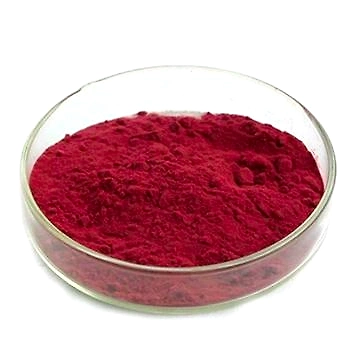
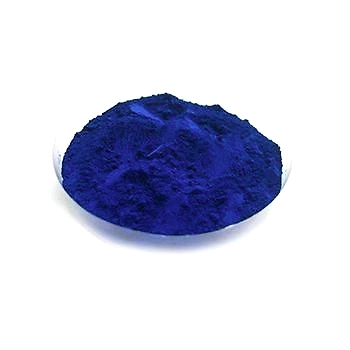
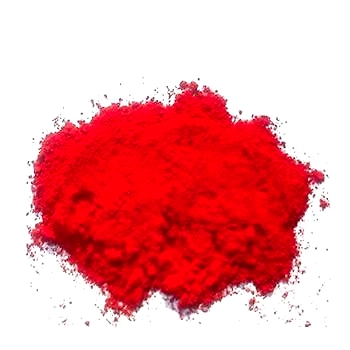
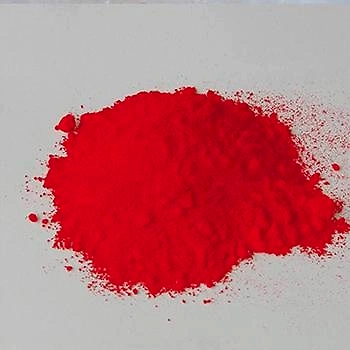
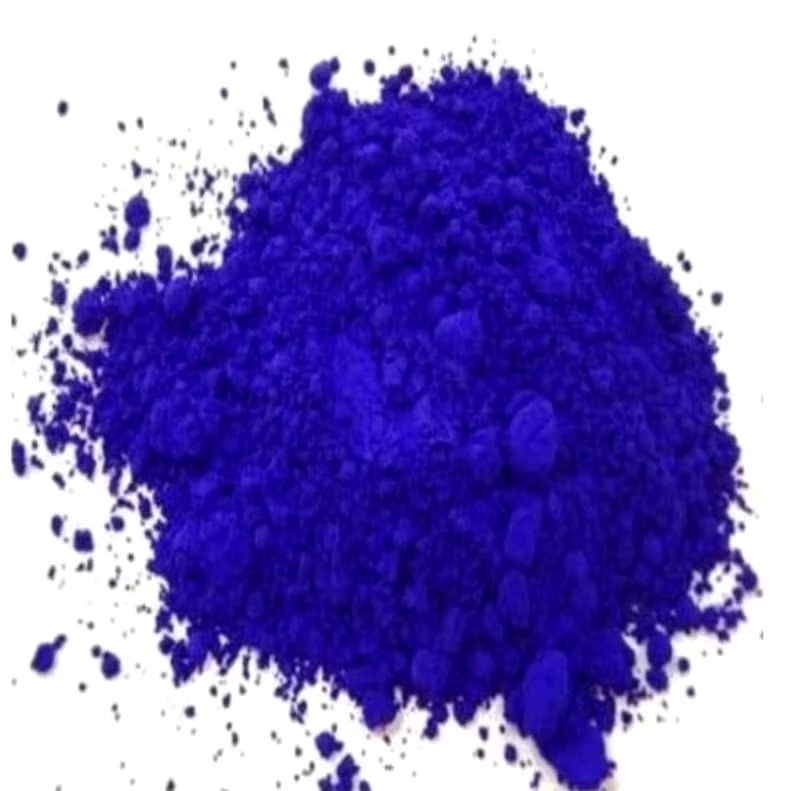
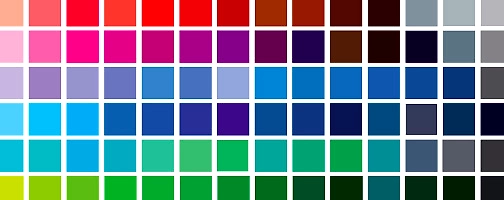
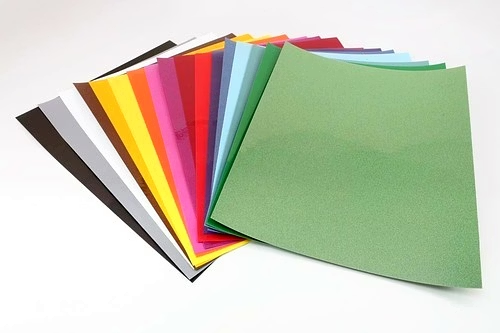
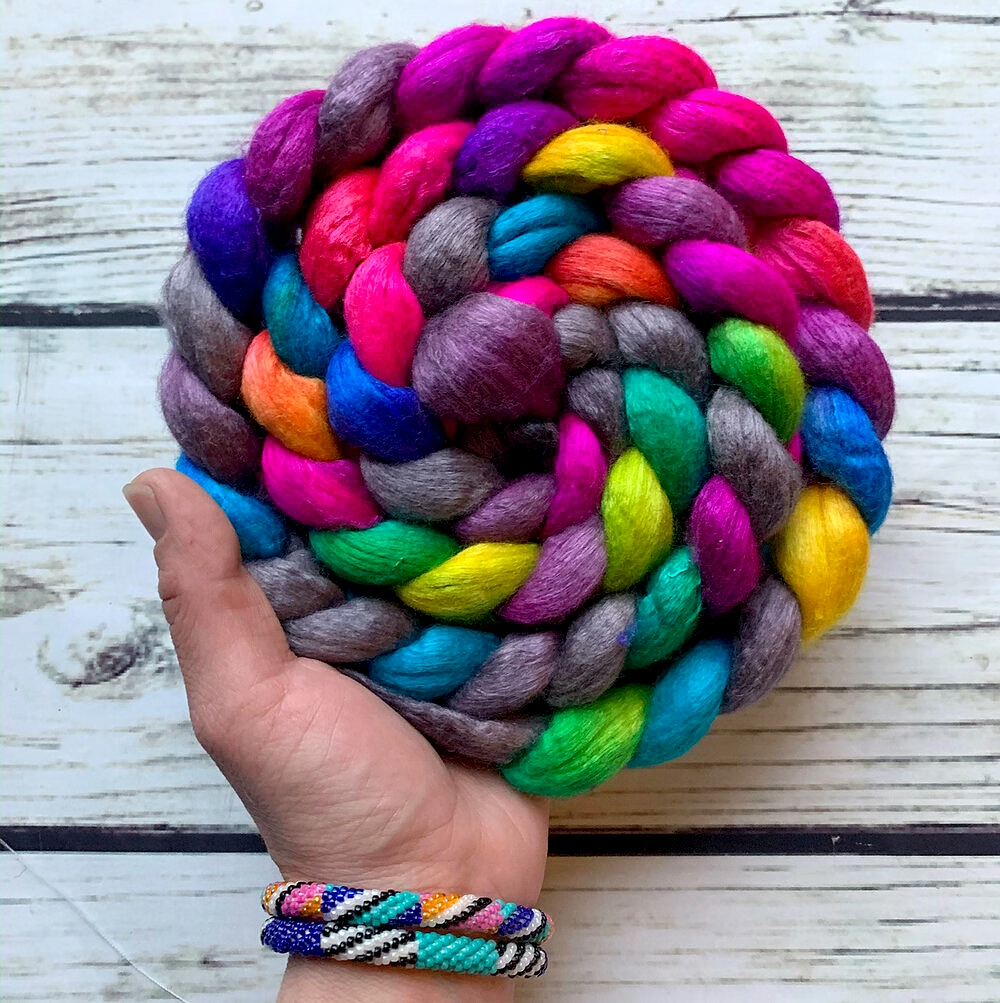
Shades - ALL COLOURS available.
Inclusive of all taxes
You Save: 0
Delhi , India
Manufacturer, Retailer, Brand Owner, Distributor, Exporter, Importer, Wholesaler