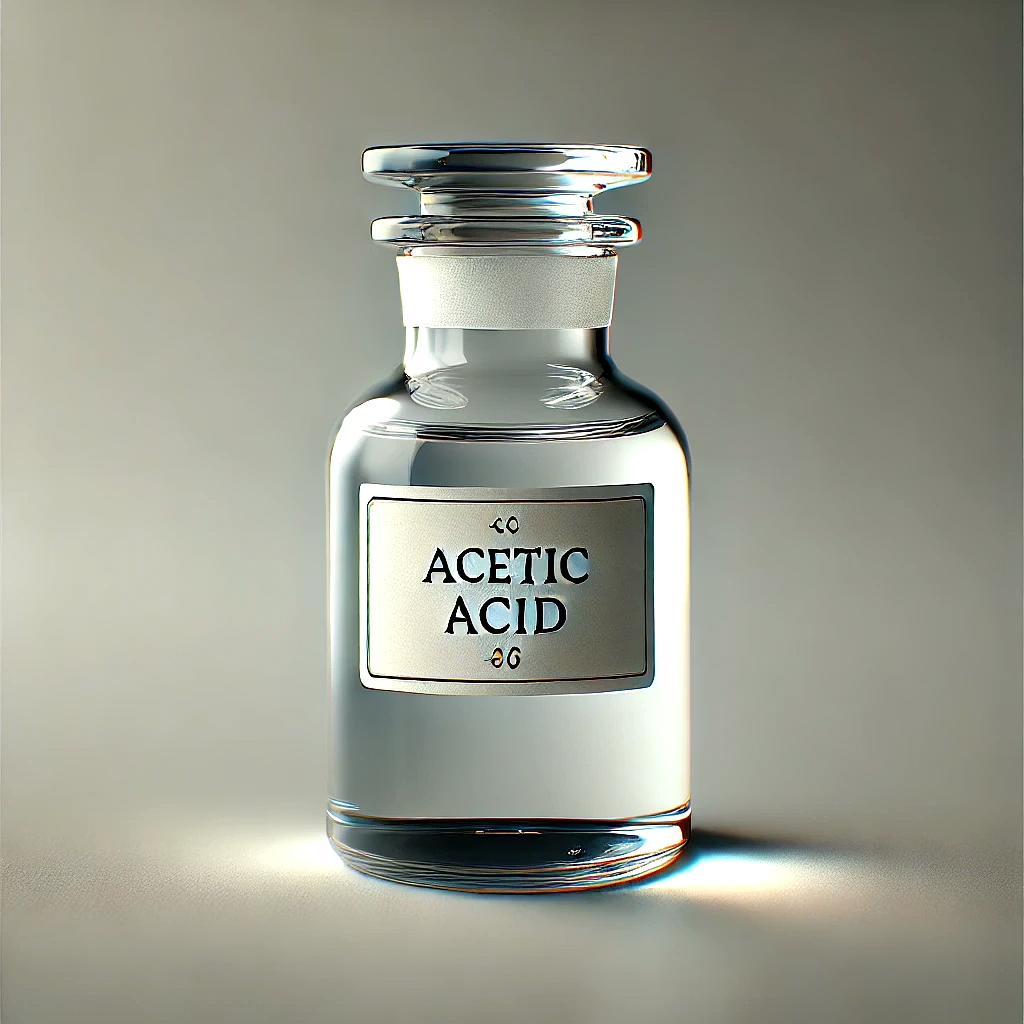
Acetic Acid, also known as Ethanoic Acid (CH3COOH), is a colorless, pungent-smelling liquid organic compound with a molar mass of 60.05 g/mol and density of 1.05 g/cm³. It is commonly referred to as glacial acetic acid when undiluted. Acetic acid is a highly versatile chemical used extensively across various industries including food, textile, pharmaceutical, printing, polymer, and chemical manufacturing. It acts as a primary acidity regulator and antimicrobial agent in food products, is essential in dyeing and textile processing for pH control, and is a precursor for manufacturing synthetic fibers, perfumes, plastics, and photographic films. Pharmaceutical applications include treatment of infections and diagnostic procedures. Supplied in 30/35 Kg cans and tanker loads, this acetic acid is compliant for industrial and medicinal purposes, emphasizing its critical role in B2B sectors.
Key Features
| Features | Description |
|---|---|
| Chemical Formula | CH3COOH |
| Appearance | Colorless liquid |
| Molar Mass | 60.05 g/mol |
| Density | 1.05 g/cm³ |
| Autoignition Temperature | 427°C (801°F) |
| Purity | Glacial acetic acid (undiluted) |
| Packaging | 30/35 Kg Can, Tanker Load |
| Applications | Food additive, textile processing, pharmaceutical uses, printing inks, polymer production |
| Safety | Corrosive, requires handling precautions |
| Industrial Grade | Suitable for manufacturing and pharmaceutical sectors |
| Attributes | Description |
|---|---|
| IUPAC Name | Ethanoic Acid |
| Other Names | Glacial Acetic Acid, Vinegar (diluted), Hydrogen Acetate, Methane Carboxylic Acid |
| HS Code | 29152100 |
| Odor | Pungent |
| Taste | Sour |
| Solubility | Miscible with water and polar/non-polar solvents |
| Corrosiveness | Corrosive |
| Use in Food Industry | Food additive, antimicrobial, acidity regulator |
| Use in Textile Industry | Textile processing, dyeing, pH control |
| Use in Pharmaceutical Industry | Treatment of infections, cervical cancer screening, blood testing reagent |
| Use in Other Industries | Perfumes, pesticides, printing inks, polymer and plastic manufacture, photographic film |
*Disclaimer: The above description has been AI-generated and has not been audited or verified for accuracy. It is recommended to verify product details independently before making any purchasing decisions.
Yes, the acetic acid provided is of industrial grade compliant with food industry standards and can be used as a food additive and acidity regulator, including vinegar production.
This acetic acid is supplied in 30/35 Kg cans and also available in tanker loads suitable for large volume industrial requirements.
Absolutely, acetic acid is widely used in the textile industry for dyeing and printing processes as a pH regulator to ensure consistent fabric coloring.
Yes, acetic acid is used in pharmaceuticals for treating infections such as outer ear infections, in cervical cancer screening, and as a reagent in clinical laboratory blood testing.
Acetic acid is corrosive by nature; proper personal protective equipment (PPE) including gloves, goggles, and appropriate ventilation should be used while handling.
Yes, it serves as a precursor in the manufacturing of polyvinyl acetate and cellulose acetate used in producing plastics and photographic films.
Country Of Origin: India
ACETIC ACID
Acetic acid HS Code No 29152100
Acetic acid, systematically named ethanoic acid, is a colorless liquid organic compound with the chemical formula CH₃COOH. When undiluted, it is sometimes called glacial acetic acid. Vinegar is no less than 4% acetic acid by volume, making acetic acid the main component of vinegar apart from water.
Formula: CH3COOH
Molar mass: 60.05 g/mol
IUPAC ID: Acetic acid
Density: 1.05 g/cm
Other names: Vinegar (when dilute); Hydrogen acetate; Methane carboxylic acid
Autoignition temperature: 427 C (801 F; 700 K)
Acetic acid is an organic compound with the chemical formula CH3COOH. It is also known as Ethanoic
Acid. It is one of the simplest carboxylic acids and mainly produced as a precursor to poly-vinyl-acetate
and cellulose acetate. Acetic acid is an important chemical reagent for both industrial and household
purposes. When undiluted, it is sometimes called glacial acetic acid. Vinegar is no less than 4% acetic acid by volume, making acetic acid the main component of vinegar apart from water. General Properties of Acetic Acid:
It is a color less liquid
It has a distinctive sour taste
It is pungent smelling
It is corrosive by nature
It is a natural antibacterial agent
It is a polar solvent, and dissolves both polar as well as non-polar compounds such as oils Sulphur and iodine.FOOD INDUSTRY
It is an approved food additive and is present in many packaged food products as an acidity regulator and as a condiment. It is the main ingredient for the production of vinegar. Acetic acid is also used as an antimicrobial agent.
TEXTILE INDUSTRY
It is used for manufacturing synthetic fibres in the textile industry. They are used for textile processing and printing. During the dyeing process, acetic acid plays a vital role in maintaining accurate and constant pH.
OTHER APPLICATIONS
Acetic acid is used for manufacturing perfumes, fragrances, pesticides and insecticides. It is used in the printing industry as a component of inks and dyes, in polymer industry for manufacturing rubber, plastics, soft drink bottles, etc. It is even used to produce cellulose acetate for photographic films.
Available in 30/35 Kg Can and Tanker LoadPHARMACEUTICAL INDUSTRY
It is used for medicinal purposes such as for outer ear infections, to help prevent the growth of fungus and bacteria. It is also used as an effective tool for cervical cancer screening and has also been known to have used in controlling some symptoms of diabetes. In clinical laboratory acetic acid is used for the testing of blood samples.
Inclusive of all taxes
You Save: 0
Chennai , India
Service Provider , Service Center, Manufacturer, Professional Services, Contractor, Retailer, Brand Owner, Distributor, Exporter, Importer, Wholesaler, Women Entrepreneur, Startup