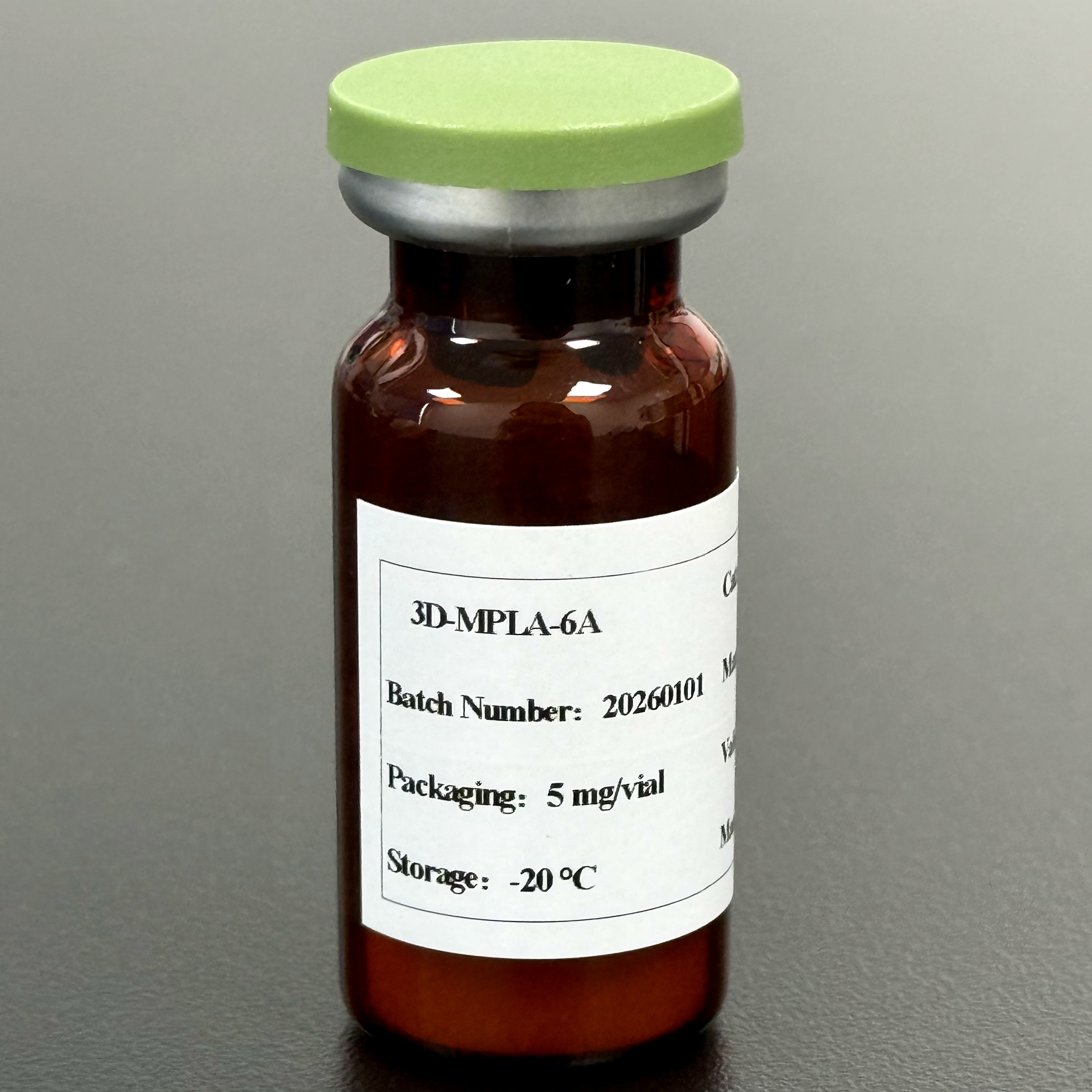
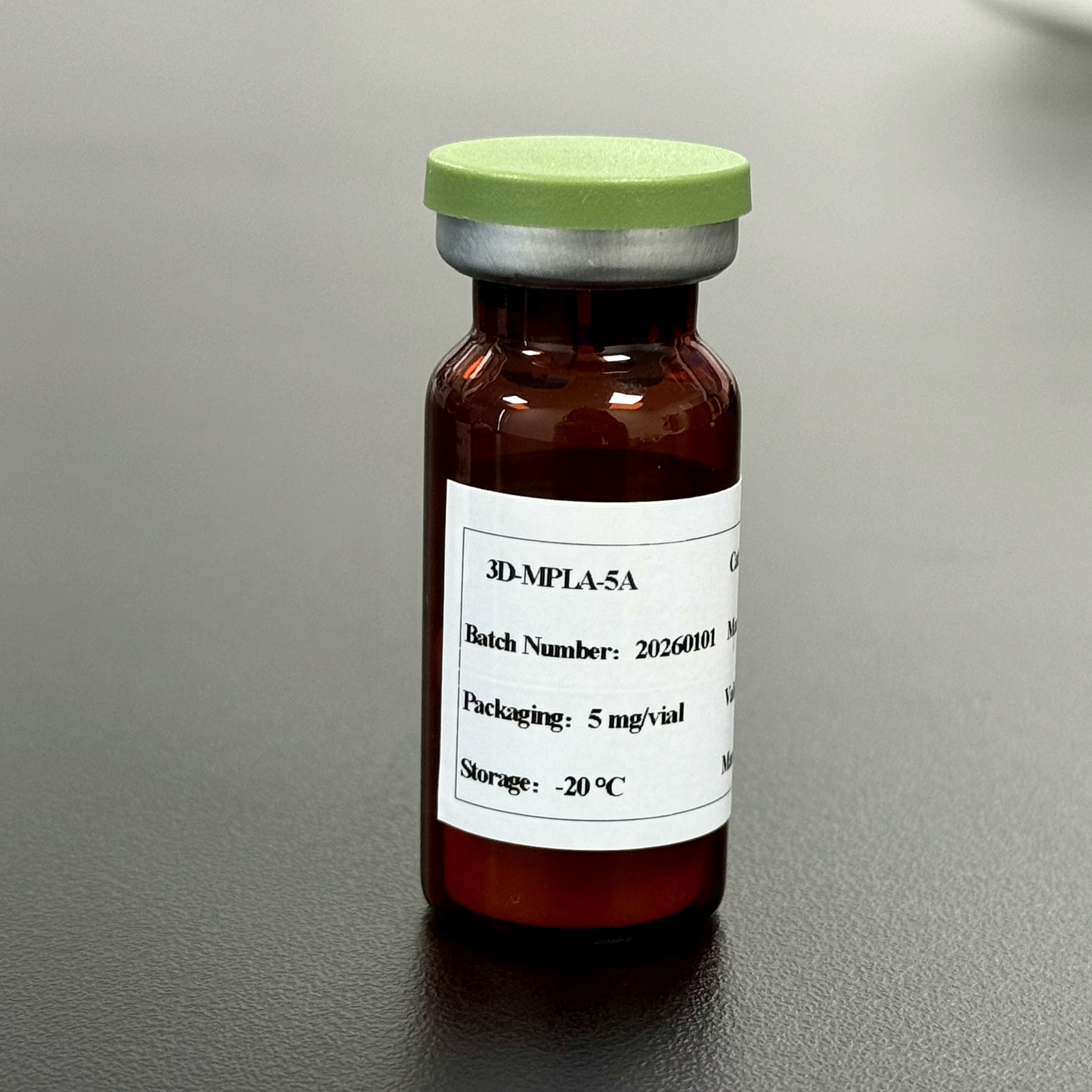
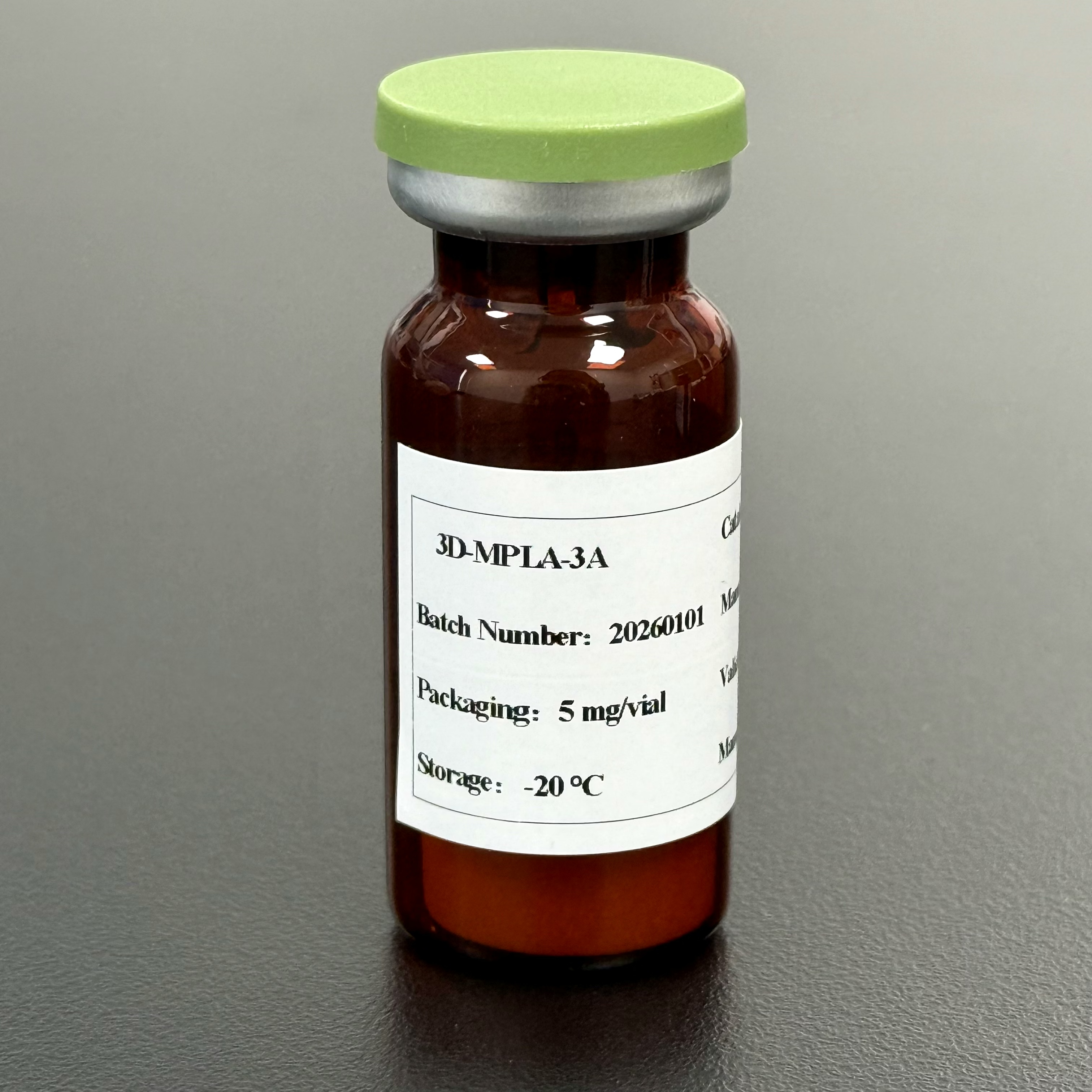
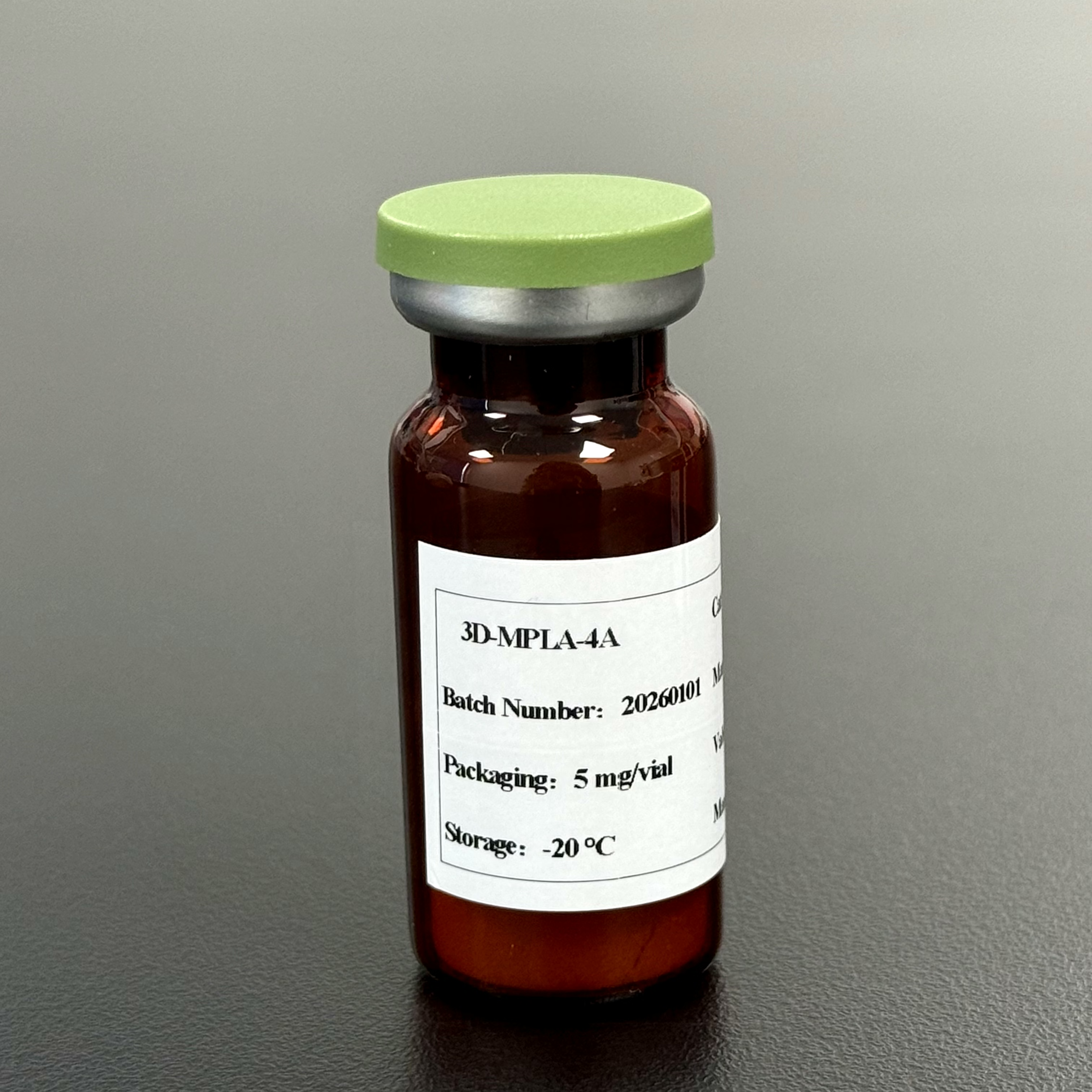
3D-MPLA-4A, also known as 3-O-deacylated-4'-monophosphoryl lipid A (3-DMPLA) in the 4-acylated form, is a specialized research-grade lipid A derivative derived from the lipopolysaccharide (LPS) of Salmonella minnesota Re595. This variant features a tetra-acyl carbon chain structure and is specifically engineered for immunological research focused on Toll-like receptor 4 (TLR4) signaling. Unlike the highly potent hexa-acyl (6A) MPLA analogs, the 4A form demonstrates minimal activity in human immune cells, making it especially valuable as a molecular probe for studying the structure-activity relationship (SAR) of TLR4 receptors. Because of its reduced immunostimulatory profile, 3D-MPLA-4A is frequently investigated as a potential TLR4 antagonist and a promising therapeutic lead in the development of treatments for autoimmune and allergic diseases. This product is intended for advanced laboratory and preclinical research applications where precise modulation of innate immune responses is required. Its defined molecular structure, research-grade quality, and application in receptor biology make it a relevant choice for immunology laboratories, pharmaceutical R&D teams, and biotechnology researchers studying inflammatory pathways, receptor binding, and immune regulation.
Key Features
| Features | Description |
|---|---|
| Full Name | 3-O-deacylated-4'-monophosphoryl lipid A (3-DMPLA) |
| Acylation Form | 4-acylated (tetra-acyl) variant |
| Source | Derived from Lipopolysaccharide (LPS) of Salmonella minnesota Re595 |
| Research Use | Designed for immunological research and TLR4 structure-activity relationship studies |
| Biological Profile | Minimal activity in human immune cells compared with hexa-acyl MPLA |
| Potential Application | Investigated as a potential TLR4 antagonist and therapeutic lead |
| Attributes | Description |
|---|---|
| Product Title | 3D-MPLA-4A |
| Full Chemical Name | 3-O-deacylated-4'-monophosphoryl lipid A (3-DMPLA) |
| Acylation State | 4-acylated |
| Lipid Chain Structure | Tetra-acyl carbon chain structure |
| Source Organism | Salmonella minnesota Re595 |
| Material Type | Lipopolysaccharide-derived lipid A derivative |
| Quality Level | Research grade |
| Target Receptor | TLR4 |
| Research Area | Immunology, inflammatory signaling, receptor biology |
| Functional Profile | Low immunostimulatory activity |
*Disclaimer: The above description has been AI-generated and has not been audited or verified for accuracy. It is recommended to verify product details independently before making any purchasing decisions.
The 4-acylated 3D-MPLA-4A has a tetra-acyl chain structure and shows minimal activity in human immune cells, while hexa-acyl MPLA is more potent. This makes the 4A variant more suitable for studying reduced TLR4 activation and receptor structure-activity relationships.
Salmonella minnesota Re595 is a well-characterized source of LPS-derived lipid A molecules, making it useful for producing defined analogs like 3D-MPLA-4A for reproducible immunological studies.
It is best suited for TLR4 signaling studies, receptor-binding analysis, structure-activity relationship (SAR) investigations, and research into immune modulation relevant to autoimmune and allergic disease pathways.
Yes. Because it exhibits minimal activity in human immune cells, it is often explored as a potential TLR4 antagonist or immune-response modulator in experimental settings.
Its reduced immunostimulatory activity and defined interaction profile with TLR4 make it a useful lead compound for researchers exploring therapies for autoimmune and allergic disorders.
Brand: chengdu gc biotech
Country Of Origin: India
Inclusive of all taxes
You Save: 0
Vadodara , India
Manufacturer, Trader, Exporter, Importer
GST- 24aixpb0733c1zo
Trust Mark