Our Products
Showing 1-7 of 7 products
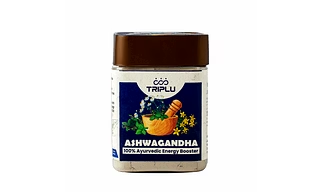
Ashwagandha powder
Ashwagandha, scientifically known as Withania somnifera, is a popular herb in Ayurvedic medicine, originating from India. It is renowned for its adaptogenic properties, meaning it may help the body adapt to stress and promote overall well-being. The herb has been used traditionally for various health benefits. Here's a summary of Ashwagandha powder:
Adaptogenic Herb: Ashwagandha is classified as an adaptogen, which means it may assist the body in managing stress and maintaining balance.
Botanical Name: Withania somnifera is the botanical or scientific name for Ashwagandha.
Traditional Use: With a rich history in Ayurvedic medicine, Ashwagandha has been used for centuries to support vitality, promote longevity, and enhance overall health.
Stress Reduction: It is believed that Ashwagandha may help reduce stress and anxiety by balancing cortisol levels, the hormone associated with stress.
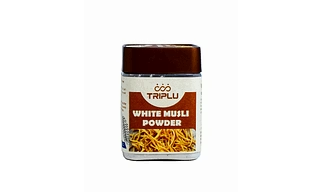
safed musli powder (white musli powder)
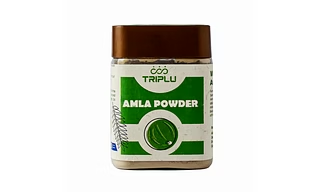
amla powder
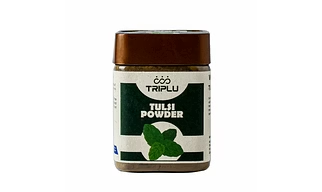
tulsi powder (Holy Basil)
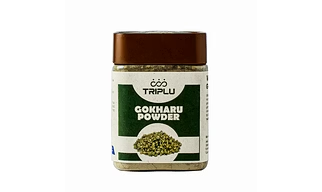
gokhru powder (gokhshura powder)
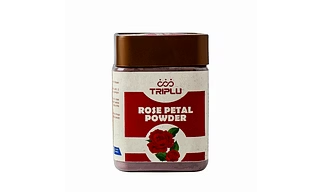
Rose petal powder
Rose petal powder is a versatile and fragrant product derived from dried rose petals, often sourced from various species of roses. It is widely used in skincare, culinary applications, and traditional medicine due to its natural and aromatic properties. Here is a general description of rose petal powder:
Appearance:
Rose petal powder typically has a fine and smooth texture, resembling a soft, velvety powder. The color can vary depending on the type of roses used, but it often ranges from a deep pink to a reddish hue.
Fragrance:
One of the most distinctive features of rose petal powder is its enchanting fragrance. The powder retains the sweet and floral aroma of fresh roses, making it a popular choice in perfumery and aromatherapy.
Taste:
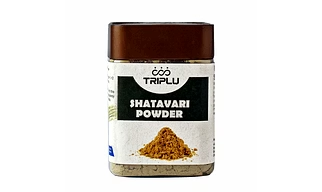
Shatavari powder
Shatavari (Asparagus racemosus) is a traditional herb commonly used in Ayurvedic medicine, known for its various health benefits, particularly for women's reproductive health. Shatavari powder is derived from the dried root of the Shatavari plant and is often used as a dietary supplement. Here is a general description of Shatavari powder:
Appearance: Shatavari powder typically has a light beige to off-white color. The texture is fine and powdery, making it easy to mix into liquids or incorporate into food.
Taste and Odor: Shatavari powder has a slightly sweet and bitter taste. Some people may find it mildly earthy or nutty. The odor is generally subtle and characteristic of the dried root.
Nutritional Content: Shatavari contains various nutrients, including saponins, alkaloids, tannins, flavonoids, and essential minerals like zinc. It is also a good source of vitamins, particularly vitamin A.


 GL Trustmark